Yew (Taxus x media ‘Flushing’): A Complete Guide
Introduction
Yew plants, scientifically known as Taxus x media ‘Flushing’, are popular evergreen shrubs with numerous landscape uses, including hedges, borders, and topiaries. Known for their stunning dark green foliage, yews are low-maintenance plants that can thrive in a variety of conditions. In this comprehensive guide, we will delve into the various aspects of growing and caring for yew plants, including their cultural requirements, maintenance, common diseases, and propagation methods. We will also explore the historical significance and medicinal uses of these versatile shrubs.
Key Takeaways – Yew (Taxus x media ‘Flushing’)
Before we dive into the specifics of growing and caring for Taxus x media ‘Flushing’, let’s highlight the key takeaways about these plants:
– Yew ‘Flushing’ is a variety of Taxus x media, a versatile evergreen shrub with numerous landscape uses.
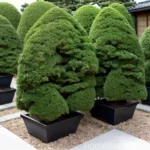
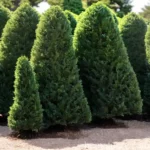
– This variety is characterized by its dark green foliage and dense growth habit, making it ideal for hedges, borders, and topiaries.
– Yew ‘Flushing’ is low-maintenance and can thrive in various light and soil conditions.
What is Yew (Taxus x media ‘Flushing’)?
Yew (Taxus x media ‘Flushing’) is a hybrid yew variety that is prized for its compact, dense growth and dark green foliage. It is a cross between Taxus baccata and Taxus cuspidata, resulting in a plant that combines the best characteristics of both parent species. ‘Flushing’ is a popular cultivar known for its ornamental value and adaptability to different environments.
Culture
Cultivating and caring for Yew (Taxus x media ‘Flushing’) requires an understanding of its specific cultural requirements. Let’s explore the various aspects of its cultural needs:
Water
Yew plants, including the ‘Flushing’ variety, generally prefer well-drained soil and consistent moisture. While they can tolerate dry spells once established, they thrive when provided with regular watering, particularly during prolonged periods of drought. It is essential to monitor soil moisture levels and ensure that the plants receive adequate hydration, especially during the growing season.
Sunlight
In terms of sunlight preferences, yew plants, including the ‘Flushing’ variety, are adaptable and can thrive in both full sun and partial shade. They perform well in locations with filtered sunlight or areas that receive direct sunlight for a portion of the day. When grown in hot climates, providing some afternoon shade can help prevent stress and maintain the plant’s vitality.
Fertilizer
When it comes to fertilization, yew plants benefit from an annual application of a balanced, slow-release fertilizer in early spring. This provides the necessary nutrients for healthy growth and vibrant foliage. It is important to follow the recommended dosage and avoid excessive fertilization, which can lead to potential issues such as nutrient imbalances.
Soil
Yew ‘Flushing’ plants thrive in well-drained, slightly acidic to neutral soil. They can adapt to various soil types, including loamy, sandy, and clay soils, as long as proper drainage is maintained. Amending the soil with organic matter, such as compost, can enhance its texture and fertility, promoting optimal growth and development.
Pruning
Pruning is an essential aspect of yew plant maintenance, including the ‘Flushing’ variety. Pruning helps maintain the desired shape, promote denser growth, and remove dead or damaged branches. It is advisable to conduct regular pruning during the plant’s dormant season, typically in late winter or early spring, to encourage strong, healthy growth throughout the year.
Propagation
Yew plants, including the ‘Flushing’ variety, can be propagated through various methods, including cuttings and seed propagation. Taking semi-hardwood cuttings in late summer or early autumn and providing the appropriate growing conditions can result in successful propagation. Alternatively, yew seeds can be collected and sown in a prepared seedbed, following specific germination requirements.
Container Popularity
Yew ‘Flushing’ is well-suited for container gardening, offering a versatile and adaptable option for landscaping in smaller spaces. When grown in containers, it is crucial to select a well-draining potting mix and provide adequate water and sunlight to support healthy growth. Container-grown yew plants can be used to add greenery to patios, balconies, and other outdoor areas.
Common Diseases
Yew plants, including the ‘Flushing’ variety, are generally resistant to most pests and diseases. However, certain issues can impact their health and vitality. Let’s explore some of the common diseases that can affect yew plants and their potential diagnosis:
Disease Diagnosis
| Disease | Symptoms | Management |
|---|---|---|
| Phytophthora Root Rot | Yellowing or browning of foliage, wilting, and stunted growth | Improve soil drainage, avoid overwatering, and consider fungicidal treatments as needed |
| Needle Blight | Browning and shedding of needles, overall decline | Prune affected branches, improve air circulation, and consider fungicidal treatments |
| Canker Diseases | Sunken areas on stems, dieback, and discoloration | Prune affected areas, promote overall plant health, and use fungicidal applications as necessary |
Common Pests
Yew plants, including the ‘Flushing’ variety, are relatively resistant to pest infestations. However, certain pests can pose a threat to their health. Let’s explore some of the common pests that may affect yew plants:
- Scale Insects: These pests can cause yellowing of foliage and weaken the plant. They can be managed through horticultural oils or insecticidal soaps.
- Spider Mites: Infestations can lead to stippled or discolored foliage. Miticides and proper cultural practices can help control spider mite populations.
- Mealybugs: These insects can cause leaf distortion and honeydew secretion. Control measures include physical removal and the use of insecticidal products.
Botanist’s Tips for Growing Yew (Taxus x media ‘Flushing’)
As a plant scientist, I offer the following tips for successfully growing and caring for Yew (Taxus x media ‘Flushing’):
– Select well-drained planting locations to ensure optimal soil moisture levels.
– Conduct regular monitoring for signs of pests and diseases, intervening promptly if issues arise.
– Prune yew plants judiciously to maintain their desired form and promote healthy growth.
– Keep an eye on the soil pH and fertility, making necessary adjustments to support the plant’s nutritional needs.
Fun Facts about Yew (Taxus x media ‘Flushing’)
Here are some intriguing and surprising facts about Yew (Taxus x media ‘Flushing’):
– Yew plants have a long history of traditional and medicinal uses, dating back centuries.
– The wood of yew trees has been historically used to make longbows due to its strength and flexibility.
– Yew plants are known for their longevity, with some individuals estimated to be over a thousand years old.
Links to External Resources
To further expand your knowledge and understanding of Yew (Taxus x media ‘Flushing’) and its cultivation, consider exploring the following external resources:
1. Royal Horticultural Society – Yew
2. University of Florida IFAS Extension – Yew for Florida Landscapes
3. Missouri Botanical Garden – Taxus x media ‘Flushing’
In conclusion, Yew (Taxus x media ‘Flushing’) presents a versatile and low-maintenance option for landscape design, offering ornamental value and adaptability to diverse growing conditions. By understanding the cultural requirements, maintenance practices, and potential issues associated with yew plants, enthusiasts and horticulturists can cultivate and appreciate these remarkable evergreen shrubs in various settings. Whether used as a focal point in the garden, a foundational planting, or a container feature, Yew ‘Flushing’ adds beauty and character to outdoor spaces, while also contributing to historical and ecological significance.