Bowstring Hemp (Sansevieria Suffruticosa)
Plants are not just beautiful additions to our surroundings; they are also essential for maintaining a healthy environment. They provide us with oxygen.
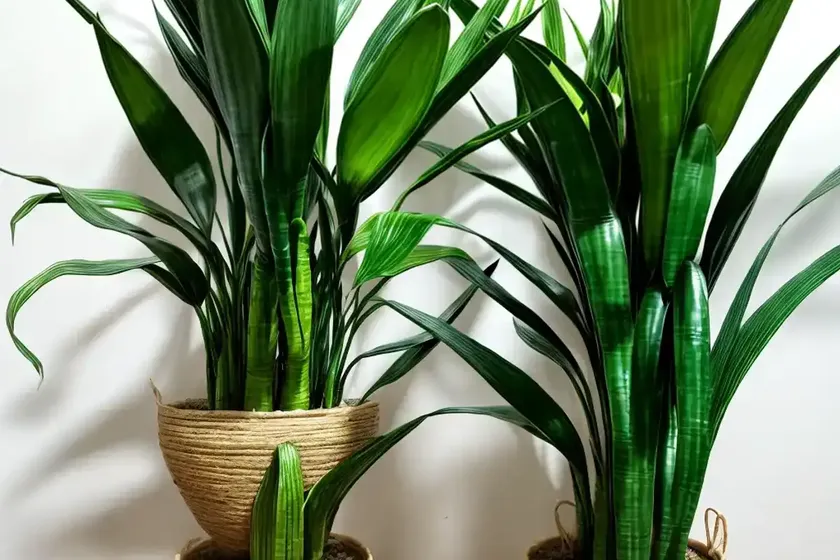
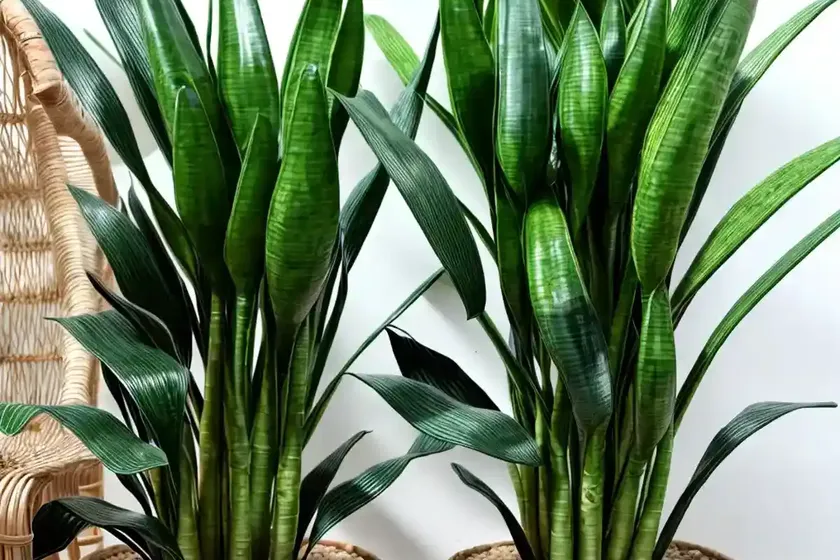
Plants are not just beautiful additions to our surroundings; they are also essential for maintaining a healthy environment. They provide us with oxygen, food, and medicine, and they contribute to our mental and emotional well-being. In this comprehensive guide, we will explore the fascinating world of bowstring hemp (Sansevieria suffruticosa), also known as the snake plant or African spear.
Whether you are an experienced gardener, a beginner in the world of plants, or someone looking to enhance the aesthetics of their indoor or outdoor space, this guide will provide you with valuable insights into the cultivation, care, and uses of the bowstring hemp. We will cover various aspects of its culture, uses, maintenance, and potential issues that might arise during its growth. So, let’s dive into the captivating world of Sansevieria suffruticosa.
What is Plant: Bowstring Hemp (Sansevieria suffruticosa)
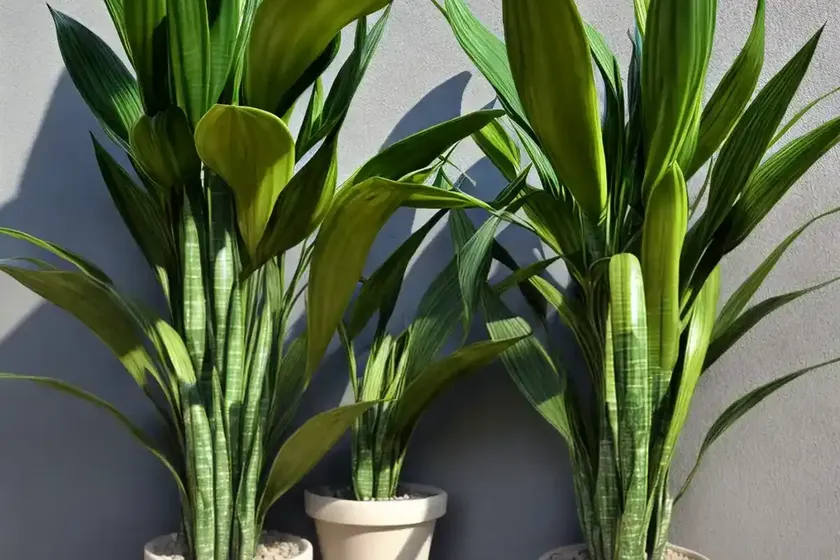
The bowstring hemp (Sansevieria suffruticosa) is a stunning perennial plant that belongs to the Asparagaceae family. It is native to East Africa and is revered for its striking appearance and low maintenance requirements. Its long, stiff, upright leaves with green horizontal stripes make it a popular choice for both indoor and outdoor settings. The plant is known for its air-purifying properties and its ability to thrive in various environmental conditions, making it an ideal choice for plant enthusiasts with different levels of gardening experience.
Key Takeaways – Bowstring Hemp (Sansevieria suffruticosa)
Here are the key takeaways that we will explore in detail throughout this guide:
- Culture: Understanding the natural habitat and growth habits of Sansevieria suffruticosa.
- Uses: Exploring the decorative and air-purifying benefits of the bowstring hemp.
- Water: Identifying the watering needs and moisture requirements of the plant.
- Sunlight: Determining the sunlight preferences for optimal growth.
- Fertilizer: Recommending suitable fertilizers for nourishing the bowstring hemp.
- Soil: Discussing the ideal potting soil and soil moisture levels.
- Pruning: Techniques for maintaining the health and aesthetics of the plant.
- Propagation: Methods for reproducing and expanding your Sansevieria suffruticosa collection.
- Container: Selecting appropriate containers and pot sizes for the plant.
- Common Diseases: Identifying and preventing potential diseases.
- Common Pests: Recognizing and managing pest infestations.
- Botanist’s Tips: Expert tips for caring for Sansevieria suffruticosa.
- Fun Facts: Interesting and lesser-known facts about the bowstring hemp.
With these key takeaways in mind, let’s begin our exploration of the fascinating world of bowstring hemp.
Culture
Understanding the natural habitat and growth habits of Sansevieria suffruticosa is crucial for providing it with an environment where it can thrive. The following key points will shed light on the cultural aspects of this remarkable plant:
-
Natural Habitat: The bowstring hemp is indigenous to East Africa, where it thrives in dry, arid regions. It is commonly found in countries such as Kenya and Tanzania, where it adapts to a variety of environmental conditions, including sandy and rocky soils.
-
Growth Habits: Sansevieria suffruticosa is characterized by its slow but steady growth. Its long, sword-shaped leaves emerge from a central rosette, gradually reaching an impressive height. The plant’s upright and architectural growth habit makes it an eye-catching addition to any space.
-
Temperature Tolerance: The bowstring hemp exhibits a high tolerance for fluctuations in temperature. It can withstand both warm and cool conditions, making it suitable for cultivation in diverse climates.
-
Humidity Preferences: This species of Sansevieria prefers lower humidity levels, reflecting its adaptation to arid environments. It is well-suited for indoor environments with controlled humidity levels.
Uses
The bowstring hemp offers a multitude of uses beyond its ornamental value. Understanding these uses can elevate the significance of Sansevieria suffruticosa in your living spaces:
-
Decorative Purposes: Sansevieria suffruticosa is prized for its striking appearance and architectural form. Its upright leaves with unique leaf patterns and color variations make it an attractive choice for interior decoration, from modern, minimalist settings to traditional or tropical-themed spaces.
-
Air-Purifying Properties: Like many other members of the Sansevieria genus, the bowstring hemp is renowned for its air-purifying abilities. It can remove toxins such as formaldehyde, xylene, and toluene from the air, making it a valuable addition to indoor environments.
Water
One of the critical factors in the successful cultivation of Sansevieria suffruticosa is providing appropriate water and maintaining the right moisture levels. Understanding the watering needs of the bowstring hemp is essential for preventing issues such as root rot and dehydration:
-
Watering Frequency: Sansevieria suffruticosa is primarily known for its tolerance to drought conditions. It is important to allow the soil to dry out between waterings, especially during the plant’s dormant period, which is typically in the winter months.
-
Watering Technique: When watering the bowstring hemp, it is crucial to apply water directly to the soil at the base of the plant. Avoid overhead watering, as moisture on the leaves can lead to fungal diseases.
-
Moisture Requirements: The plant thrives in well-draining soil and is susceptible to root rot in waterlogged conditions. It is essential to maintain a balance by allowing the soil to dry out partially between waterings while ensuring that the plant does not experience prolonged dry spells.
Sunlight
Proper exposure to sunlight is vital for the growth and development of Sansevieria suffruticosa. Understanding its sunlight requirements is crucial for ensuring its overall health and vitality:
-
Light Preferences: The bowstring hemp is adaptable to a wide range of light conditions, from bright, indirect light to partial shade. It can thrive in both indoor and outdoor settings, making it a versatile choice for various environments.
-
Indoor Placement: When cultivated indoors, the bowstring hemp can be placed near windows that receive indirect sunlight throughout the day. It can also tolerate lower light conditions, although it may grow more slowly in such settings.
-
Outdoor Cultivation: When grown outdoors, Sansevieria suffruticosa thrives in well-draining soil and can withstand direct sunlight. It is important to acclimate the plant gradually to direct sun if it has been grown in shaded conditions.
Fertilizer
Providing appropriate nourishment through fertilization is essential for promoting the healthy growth and development of the bowstring hemp. Here are key considerations for fertilizing Sansevieria suffruticosa:
-
Fertilizer Type: A balanced, all-purpose fertilizer can be suitable for Sansevieria suffruticosa. Look for a fertilizer with an N-P-K ratio of 10-10-10 or 20-20-20 to provide essential nutrients without promoting excessive leaf growth at the expense of root development.
-
Fertilizing Schedule: During the growing season, which typically spans spring and summer, you can fertilize the bowstring hemp once a month. It is important to dilute the fertilizer to half or quarter strength to avoid overwhelming the plant with nutrients.
-
Winter Rest: In the plant’s dormant period, usually in the winter, it is advisable to withhold fertilization. The reduced growth and metabolic activity during this time require minimal additional nutrients.
Soil
Selecting the right potting soil and maintaining appropriate soil moisture levels are crucial for the well-being of Sansevieria suffruticosa. Here are the key points to consider for the plant’s soil requirements:
-
Potting Soil: The bowstring hemp thrives in well-draining soil that prevents water from accumulating around the roots. A cactus or succulent potting mix, supplemented with perlite or coarse sand, can create an ideal growing medium for Sansevieria suffruticosa.
-
Soil Moisture: While the bowstring hemp is tolerant of drought conditions, it is important to provide adequate moisture without allowing the soil to become waterlogged. Balancing water retention with good drainage is essential for preventing issues such as root rot.
-
Root Development: The fibrous root system of Sansevieria suffruticosa benefits from a well-aerated growing medium that allows the roots to access oxygen. Avoid compacted or waterlogged soil, as this can hinder healthy root development.
Pruning
Pruning plays a crucial role in maintaining the health, aesthetics, and functionality of Sansevieria suffruticosa. Here are key considerations for pruning this captivating plant:
-
Leaf Maintenance: Removing old, discolored, or damaged leaves can improve the overall appearance of the plant. Use clean, sharp scissors or pruning shears to trim the unwanted foliage at the base of the plant.
-
Propagation: When propagating the bowstring hemp through leaf cuttings or division, pruning becomes an integral part of the process. Select healthy, mature leaves for propagation and ensure that the cuttings are allowed to callus before being planted.
Propagation
Expanding your collection of Sansevieria suffruticosa can be an exciting endeavor, and understanding the propagation methods for this plant is essential for success:
-
Leaf Cuttings: Propagating the bowstring hemp through leaf cuttings involves selecting healthy leaves and allowing them to callus before placing them in a well-draining potting mix. With time and appropriate care, the cuttings will develop into new plants.
-
Division: Dividing the root clumps of mature Sansevieria suffruticosa plants is another effective propagation method. Carefully separate the root clumps and plant them in individual containers, ensuring that each division has adequate roots and foliage for continued growth.
Container
Selecting the right containers and pot sizes is essential for providing an optimal growing environment for Sansevieria suffruticosa. Here are key considerations for choosing containers:
-
Pot Size: When selecting a pot for the bowstring hemp, choose a container that allows for adequate root growth while preventing excessive moisture retention. A pot that is slightly larger than the plant’s root system can provide ample space for growth without overwhelming the plant with an excessive growing medium.
-
Drainage Holes: Ensure that the chosen containers have drainage holes to allow excess water to escape. Proper drainage is essential for preventing waterlogged soil, which can lead to root rot and other issues.
Popularity
The bowstring hemp has gained popularity among plant enthusiasts and interior designers for several reasons. Its striking appearance, low maintenance requirements, and air-purifying capabilities have contributed to its widespread appeal. As more people recognize the benefits of incorporating greenery into their living spaces, Sansevieria suffruticosa has emerged as a top choice for both homes and workplaces.
Common Diseases
Although the bowstring hemp is relatively resilient, it is susceptible to certain diseases that can affect its overall health. Understanding common diseases and their prevention is essential for maintaining the well-being of Sansevieria suffruticosa:
-
Root Rot: Overwatering or waterlogged soil can lead to root rot, which is characterized by mushy, discolored roots. To prevent root rot, ensure that the plant’s growing medium allows for adequate drainage, and adjust the watering frequency to avoid excessive moisture.
-
**Leaf Spot: Sansevieria suffruticosa can be affected by leaf spot diseases caused by fungal pathogens. Maintain appropriate air circulation and avoid wetting the foliage when watering to minimize the risk of fungal infections.
Disease Diagnosis
Diagnosing diseases in Sansevieria suffruticosa involves careful observation of the plant’s symptoms and understanding potential causes. Symptoms such as wilting, yellowing leaves, and soft, discolored roots can indicate issues such as root rot, while spots or lesions on the leaves may point to fungal infections. By identifying and addressing these signs early, you can mitigate the spread of diseases and help the plant recover.
Common Pests
Pest infestations can pose challenges for the health and vitality of Sansevieria suffruticosa. Being aware of common pests and implementing appropriate control measures is crucial for protecting the plant:
-
Spider Mites: These tiny pests can infest the leaves of the bowstring hemp, causing stippling and webbing. Regularly inspect the undersides of the leaves for signs of spider mite activity and treat infestations promptly with insecticidal soaps or horticultural oils.
-
Mealybugs: Mealybugs are soft-bodied insects that can cluster on the leaves and stems of Sansevieria suffruticosa, feeding on plant juices. Use a cotton swab dipped in rubbing alcohol to remove individual mealybugs, and consider using insecticidal soap for more severe infestations.
Botanist’s Tips
Benefit from expert insights and tips for caring for Sansevieria suffruticosa, derived from the knowledge and experience of botanists and plant enthusiasts:
-
Air-Purifying Abilities: Utilize the air-purifying properties of Sansevieria suffruticosa to enhance indoor air quality. Place the plant in living areas or workspaces to enjoy its benefits.
-
Minimal Watering: Embrace the bowstring hemp’s drought-tolerant nature by adhering to a minimal watering schedule. Allow the soil to partially dry out before providing water to the plant.
-
Indirect Sunlight: While the bowstring hemp can tolerate various light conditions, it thrives in bright, indirect sunlight. Position the plant near windows that receive filtered light for optimal growth.
Fun Facts
Discover intriguing and lesser-known facts about the bowstring hemp that showcase its unique characteristics and appeal:
-
Variety of Leaf Patterns: Sansevieria suffruticosa exhibits a diverse range of leaf patterns, including horizontal stripes and unique variegation. This variability contributes to its visual interest and allure.
-
Architectural Structure: The upright growth habit of the bowstring hemp makes it an architectural focal point in interior and exterior settings. Its structural form adds a touch of elegance to any space.
-
Low-Light Tolerance: In addition to its preference for bright, indirect sunlight, Sansevieria suffruticosa can adapt to lower light conditions, making it suitable for areas with limited natural light.
Links to External Resources
For additional information and resources on Sansevieria suffruticosa, consider exploring the following links:
By delving into these external resources, you can augment your knowledge and understanding of the captivating world of Sansevieria suffruticosa.
In conclusion, the bowstring hemp (Sansevieria suffruticosa) stands out as a remarkable plant with a striking appearance, air-purifying qualities, and versatile growth habits. Whether you are drawn to its decorative appeal, its low maintenance requirements, or its ability to thrive in diverse environmental conditions, this plant has much to offer. By following the insights and recommendations provided in this guide, you can cultivate and care for Sansevieria suffruticosa with confidence, creating captivating green spaces in your home, garden, or workplace.
Remember to embrace the unique characteristics of the bowstring hemp, leverage its air-purifying properties, and share your newfound knowledge with other plant enthusiasts. As you embark on your journey with Sansevieria suffruticosa, may you experience the joy of cultivating and nurturing this extraordinary plant.
The comprehensive guide explores the cultural aspects, maintenance, uses, and potential challenges associated with growing bowstring hemp (Sansevieria suffruticosa). It also provides valuable insights for caring for the plant and leveraging its unique characteristics. The inclusion of external resources aims to further enrich the reader’s understanding of this captivating plant.