Pacific Yew (Taxus Brevifolia)
The Pacific yew, scientifically known as Taxus brevifolia, is a remarkable plant with a rich history and a wide array of uses. This blog post will take a.
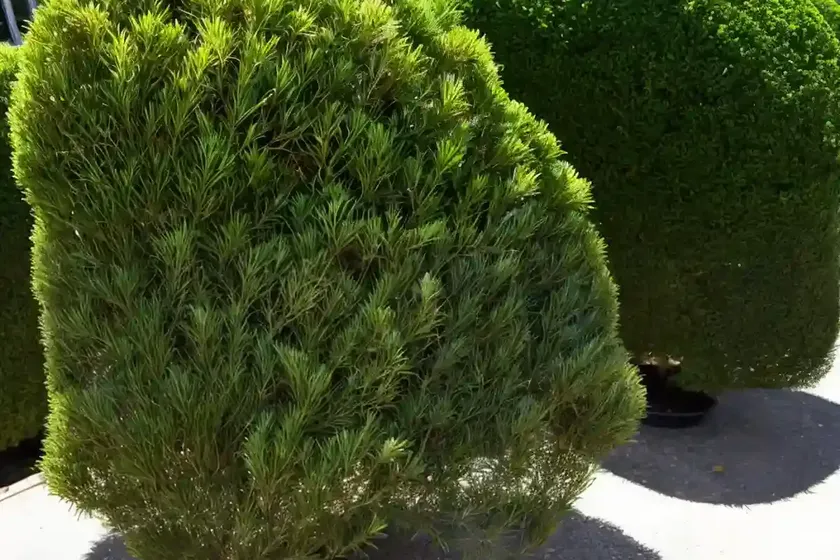
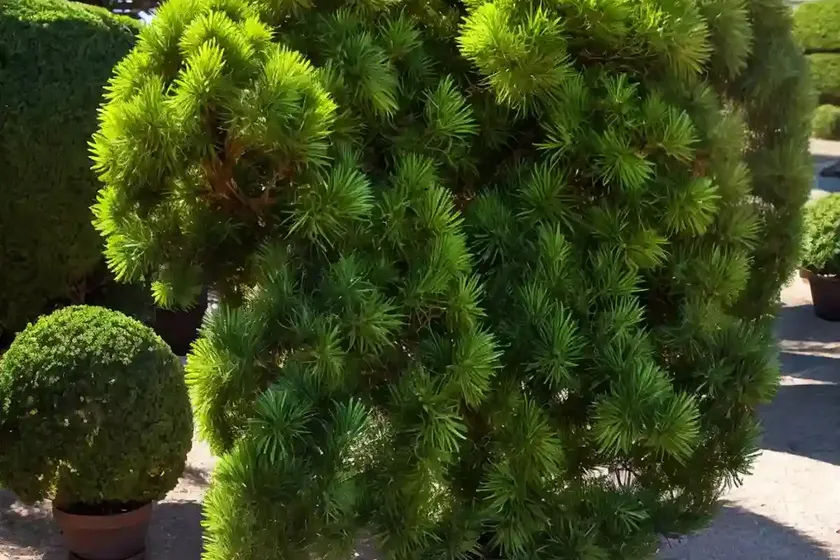
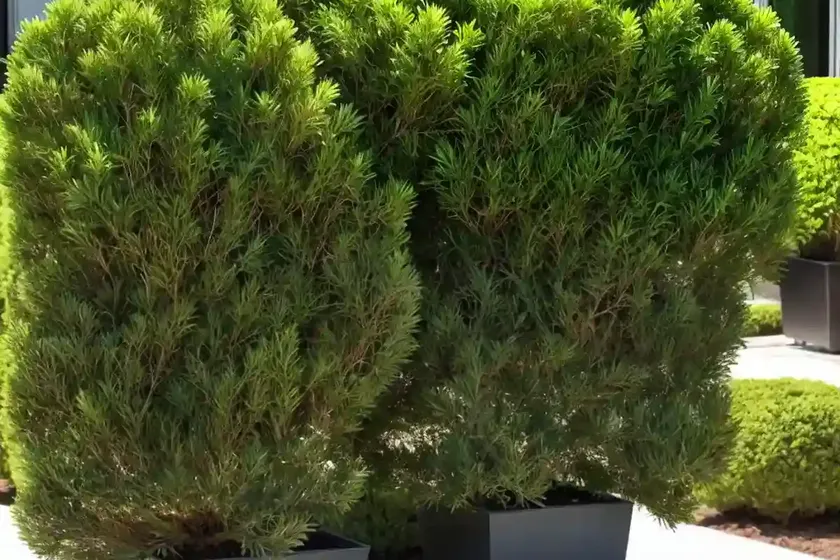
The Pacific yew, scientifically known as Taxus brevifolia, is a remarkable plant with a rich history and a wide array of uses. This blog post will take a comprehensive look at this extraordinary species, exploring its cultural significance, growth requirements, uses, and much more. We’ll delve into its habitat, conservation status, and traditional medicinal properties, providing a thorough understanding of this captivating plant.
What is the Pacific Yew (Taxus brevifolia)?
The Pacific yew, Taxus brevifolia, is a conifer native to the Pacific Northwest of North America. It is a member of the Taxaceae family, which includes several other yew species. This slow-growing evergreen tree is known for its longevity, with some individuals reaching ages of over 1,000 years.
The Pacific yew possesses several notable characteristics, including:
-
Habitat: It thrives in moist, shady environments such as coniferous forests and mountainous regions.
-
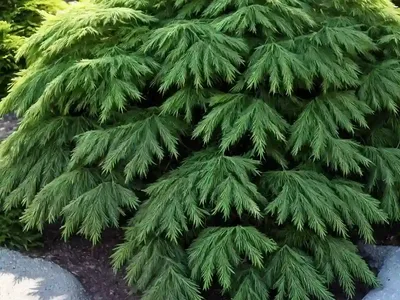
Foliage: The Pacific yew’s foliage consists of dark green, needle-like leaves arranged in a spiral fashion around the stem.
-
Cones: Its reproductive structures are small, berry-like cones that contain seeds enclosed in a fleshy, cup-like aril.
-
Bark: The bark of the Pacific yew is reddish-brown and becomes deeply furrowed as the tree matures.
-
Growth Habit: This species typically grows as a multi-trunked tree, forming a dense, irregular crown.
The Pacific yew has gained attention not only for its ecological role but also for its medicinal and cultural significance. In the following sections, we will delve into various aspects of this fascinating plant.
Key Takeaways – Pacific Yew (Taxus brevifolia)
Before we delve deeper into the details, let’s summarize the key takeaways regarding the Pacific yew:
- Scientific Name: Taxus brevifolia
- Habitat: Moist, shady environments in the Pacific Northwest of North America.
- Characteristics: Slow-growing, evergreen tree with dark green needle-like leaves and small, berry-like cones.
- Cultural Significance: Historically valued for its wood, medicinal properties, and ceremonial uses by indigenous communities.
- Conservation Status: Classified as endangered in certain regions due to overharvesting.
These key points set the stage for a comprehensive exploration of the Pacific yew and its cultural, ecological, and practical significance.
Culture
Understanding the cultural significance of the Pacific yew is essential for appreciating its historical uses and current conservation efforts. Indigenous communities in the Pacific Northwest have long held the Pacific yew in high regard, utilizing various parts of the tree for ceremonial, medicinal, and practical purposes.
Traditional Uses by Indigenous People
The Native American tribes of the Pacific Northwest, such as the Coast Salish, Haida, and Tlingit, have historically utilized the Pacific yew for a range of purposes. The tree’s wood was prized for crafting hunting tools, combs, and ceremonial items, showcasing the cultural value placed on this species.
Furthermore, the Pacific yew holds significant medicinal importance in indigenous traditions. Extracts from the bark and needles were used to create remedies for a diverse array of ailments, including rheumatism, fever, and intestinal issues. These traditional medicinal practices highlight the deep connection between the Pacific yew and the cultural heritage of indigenous communities in the region.
Symbolism and Folklore
The Pacific yew also holds symbolic importance in indigenous folklore and ceremonial practices. It is often associated with themes of longevity, strength, and resilience, mirroring the tree’s own enduring nature. In some traditions, the Pacific yew is considered a protective and spiritually significant species, further underscoring its cultural symbolism.
Understanding the cultural context surrounding the Pacific yew sheds light on its multifaceted significance beyond its ecological attributes. This cultural awareness is crucial for informing conservation efforts and promoting respectful utilization of the species.
Uses
The Pacific yew offers a wide range of uses, ranging from traditional medicinal applications to contemporary scientific research. By examining its diverse uses, we can gain a comprehensive understanding of the plant’s significance and the necessity of sustainable management practices.
Medicinal Properties
One of the most widely recognized uses of the Pacific yew is its medicinal value. The tree produces paclitaxel, a compound with powerful anticancer properties. Paclitaxel has been instrumental in the development of treatments for various types of cancer, including ovarian, breast, and lung cancer.
The bark of the Pacific yew contains a particularly high concentration of paclitaxel, making it a valuable source of this medically significant compound. While the extraction of paclitaxel has raised concerns regarding sustainable harvesting practices, it represents a remarkable example of a natural product contributing to modern medical advancements.
Moreover, the traditional medicinal uses of the Pacific yew by indigenous populations further underscore its diverse therapeutic potential. The historical utilization of Pacific yew preparations as remedies for ailments highlights the plant’s rich ethnobotanical legacy.
Timber and Wood Products
In addition to its medicinal significance, the Pacific yew has long been valued for its high-quality wood. The dense and durable nature of the wood has made it desirable for crafting a variety of items, including bows, paddles, and other tools. While the modern demand for Pacific yew wood has declined due to conservation efforts, its historical importance in woodworking traditions is noteworthy.
Restoration and Landscaping
Beyond its medicinal and material uses, the Pacific yew also holds value in ecological restoration and landscaping. Its ornamental qualities, including attractive foliage and a distinctive growth habit, make it a desirable species for enhancing natural landscapes and gardens. Furthermore, the Pacific yew’s role in supporting biodiversity and providing habitat for wildlife underscores its ecological significance.
By recognizing the diverse uses of the Pacific yew, from traditional medicine to ecological restoration, we can appreciate the broad impact of this species and the need for responsible management and conservation.
Water
Understanding the water requirements of the Pacific yew is crucial for promoting its healthy growth in both natural and cultivated settings. As a species adapted to moist, shaded environments, the Pacific yew thrives in locations with consistent access to water, particularly in the form of well-drained, organic-rich soil.
Natural Habitats
In its native habitats, the Pacific yew occupies areas with ample moisture, often in the understory of coniferous forests or along stream banks. These locations provide a relatively cool and humid microclimate conducive to the tree’s growth, reflecting its preference for environments with stable water availability.
Cultivated Environments
When cultivating Pacific yew in gardens or landscaping settings, it is essential to mimic its natural water requirements to promote healthy development. This typically involves providing regular watering, particularly during dry periods, to mimic the consistent moisture levels found in the tree’s native habitats.
By understanding the Pacific yew’s water needs in both natural and cultivated environments, individuals can effectively support its growth and contribute to its overall health and vitality.
Sunlight
The Pacific yew’s adaptation to shaded environments shapes its sunlight requirements and influences its growth patterns. Understanding the species’ preferences regarding light exposure is essential for selecting suitable planting locations and optimizing its potential for healthy development.
Shaded Environments
The Pacific yew thrives in shaded or partially shaded environments with limited direct sunlight. This preference for reduced light exposure reflects its natural habitat in dense forests, where it often grows beneath the canopy of larger trees.
Cultivation Considerations
When cultivating Pacific yew in garden settings, it is important to replicate its natural light conditions to ensure its well-being. Planting in shaded areas or areas with dappled sunlight can help mimic the species’ preferred environment and promote optimal growth.
By taking into account the Pacific yew’s affinity for shaded conditions, individuals can offer suitable environments for the species, contributing to its overall health and vigor.
Fertilizer
The application of appropriate fertilizers can significantly impact the growth and well-being of Pacific yew trees, particularly when cultivated in non-native environments. Understanding the fertilization requirements of this species is crucial for promoting optimal growth and maintaining its overall health.
Organic Matter
Due to its preference for rich, organic soil, the Pacific yew benefits from the presence of ample organic matter in the soil. Incorporating compost, leaf litter, or other organic amendments can enhance soil fertility and provide essential nutrients for the tree’s growth.
Balanced Fertilizers
When using commercial fertilizers, selecting balanced formulations can support the Pacific yew’s nutritional needs. Balanced fertilizers provide a mix of essential nutrients, including nitrogen, phosphorus, and potassium, which are important for promoting healthy foliage growth and overall vitality.
By incorporating organic matter and selecting suitable fertilizers, individuals can effectively support the Pacific yew’s nutritional requirements and contribute to its long-term health in cultivated settings.
Soil
The soil requirements of the Pacific yew are closely tied to its native habitat and growth preferences. Understanding its soil preferences is essential for promoting healthy development and longevity, particularly in landscaping and gardening contexts.
Moisture Retention
The Pacific yew performs best in well-drained soil with good moisture retention. These soil qualities align with the species’ preference for consistent moisture levels in its natural environment, providing stability and support for its growth.
Organic Richness
The presence of organic matter in the soil is beneficial for the Pacific yew’s nutritional needs and overall health. Soil with a healthy organic content can provide essential nutrients, promote microbial activity, and enhance the tree’s root development.
By selecting suitable soil that offers moisture retention and organic richness, individuals can create favorable conditions for the Pacific yew’s growth and contribute to its overall well-being in cultivated environments.
Pruning
Pruning plays a crucial role in shaping the growth and appearance of Pacific yew trees, particularly in landscaping and garden settings. Understanding proper pruning techniques and timing is essential for promoting the species’ health and maintaining its aesthetic qualities.
Structural Pruning
Early in the tree’s development, structural pruning can help guide its growth and promote a strong, well-formed canopy. Removing competing or crossing branches and establishing a central leader can contribute to a balanced and healthy growth habit.
Pruning Considerations
When pruning Pacific yew trees, it is essential to consider their slow growth rate and relatively compact form. Careful, selective pruning can help maintain the tree’s natural shape while addressing any specific aesthetic or functional needs.
By employing appropriate pruning techniques, individuals can contribute to the long-term health and visual appeal of Pacific yew trees in garden and landscaping contexts.
Propagation
Propagating Pacific yew trees can be a valuable approach for expanding their presence in suitable environments and supporting conservation efforts. Understanding effective propagation methods is essential for promoting genetic diversity and preserving the species’ unique characteristics.
Seed Propagation
Propagating Pacific yew from seeds provides an opportunity to introduce new individuals with diverse genetic traits. Collecting and germinating seeds from mature trees can yield seedlings with the potential to contribute to the overall genetic resilience of the species.
Vegetative Propagation
Utilizing vegetative propagation methods, such as rooting stem cuttings, offers a means to replicate specific characteristics and preserve desirable traits of individual Pacific yew trees. This approach can support the conservation of unique genetic profiles within the species.
By exploring both seed-based and vegetative propagation methods, conservationists and horticulturists can contribute to the preservation and proliferation of the Pacific yew in various environments.
Container Popularity
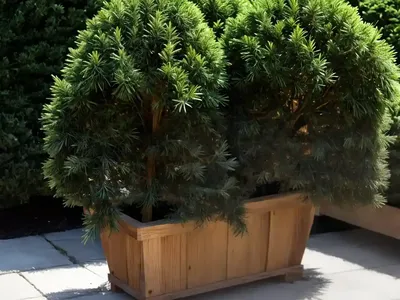
The Pacific yew’s compact growth habit and ornamental foliage make it a popular choice for container cultivation in gardens, urban landscapes, and outdoor living spaces. Its adaptability to container growth offers an attractive option for incorporating this species into diverse settings.
Urban Landscaping
In urban environments, Pacific yew trees in containers can provide greenery, shade, and visual interest in limited spaces. Their ability to thrive in shaded conditions makes them well suited for urban landscapes where direct sunlight may be scarce.
Outdoor Design
Container-grown Pacific yew trees can serve as versatile elements in outdoor design, offering opportunities for creating visual focal points, defining spaces, and enhancing the aesthetic appeal of patios, decks, and other outdoor areas.
The popularity of container-grown Pacific yew trees reflects their adaptability and ornamental qualities, making them a sought-after feature in various urban and outdoor settings.
Container Common Diseases
When cultivated in containers, Pacific yew trees may be susceptible to certain diseases and health challenges. Recognizing common diseases affecting container-grown Pacific yew trees is essential for implementing effective management strategies and maintaining their well-being.
Root Rot
Excessive moisture in container soil can lead to root rot, a condition caused by fungal pathogens that thrive in waterlogged environments. Proper drainage and soil moisture management are crucial for preventing root rot in container-grown Pacific yew trees.
Leaf Spot Diseases
Various fungal pathogens can cause leaf spot diseases, leading to leaf discoloration and potential decline in overall tree health. Implementing appropriate cultural practices, such as adequate spacing and air circulation, can help mitigate the risk of leaf spot diseases.
By remaining vigilant for common diseases and implementing proactive measures, individuals can support the health and vitality of container-grown Pacific yew trees in diverse settings.
Disease Diagnosis
Diagnosing diseases affecting Pacific yew trees is imperative for implementing timely and effective management strategies. By recognizing common symptoms and conducting thorough assessments, individuals can contribute to the overall health and resilience of these trees in natural and cultivated environments.
Visual Symptoms
Careful observation of visual symptoms, such as leaf discoloration, wilting, or unusual growth patterns, can provide initial clues for identifying potential diseases affecting Pacific yew trees.
Professional Consultation
In cases where disease diagnosis requires expert insight, consulting with arborists, horticulturists, or plant pathologists can offer valuable support for accurately identifying and addressing specific diseases.
Sample Analysis
When necessary, collecting and submitting plant samples for laboratory analysis can help confirm disease presence and guide appropriate treatment strategies for managing the health of Pacific yew trees.
By actively engaging in disease diagnosis and seeking expert guidance when needed, individuals can play a pivotal role in maintaining the overall health and resilience of Pacific yew trees.
Common Pests
Pacific yew trees may face pest pressures, particularly in cultivated settings and urban environments. Recognizing common pests that can affect these trees is essential for implementing integrated pest management strategies and safeguarding their well-being.
Aphids
Aphid infestations can lead to distorted growth, wilting, and the presence of sticky honeydew on foliage. Monitoring for aphids and employing targeted control measures can help mitigate their impact on Pacific yew trees.
Spider Mites
Spider mites can cause stippling on foliage and webbing on the undersides of leaves, potentially weakening the tree over time. Regular monitoring and maintaining proper plant hygiene can aid in preventing spider mite infestations.
By remaining vigilant for common pests and integrating appropriate management tactics, individuals can contribute to the health and vitality of Pacific yew trees in diverse environments.
Botanist’s Tips
Drawing from botanical expertise and ecological insights, the following tips can provide valuable guidance for supporting the growth and conservation of Pacific yew trees:
-
Site Selection: When planting Pacific yew trees, opt for shaded or partially shaded locations that mimic their natural habitat preferences.
-
Soil Preparation: Prioritize well-drained soil with good moisture retention and ample organic matter to create favorable growing conditions.
-
Pruning Practices: Employ selective pruning to maintain the natural form of Pacific yew trees while addressing specific growth and aesthetic goals.
-
Conservation Consciousness: Emphasize sustainable harvesting and propagation practices to contribute to the preservation of Pacific yew populations.
By integrating these botanist’s tips, individuals can enhance their approach to cultivating and conserving Pacific yew trees, promoting their enduring presence and ecological value.
Fun Facts
Exploring intriguing and lesser-known facts about Pacific yew trees can offer a deeper appreciation for their unique qualities and ecological significance:
-
Ancient Longevity: Some Pacific yew trees have been estimated to exceed 1,000 years of age, reflecting their incredible longevity.
-
Cultural Symbolism: The Pacific yew holds diverse cultural symbolism, often associated with themes of resilience, protection, and spiritual significance.
-
Cancer-Fighting Compound: The Pacific yew’s bark contains paclitaxel, a compound with significant anti-cancer properties that has contributed to the development of cancer treatments.
-
Traditional Ethnobotany: Indigenous communities have historically utilized various parts of the Pacific yew for woodworking, ceremonial uses, and traditional medicine.
By uncovering these captivating and enlightening facts, individuals can deepen their connection to Pacific yew trees and recognize their multifaceted impact on cultural, ecological, and medical realms.
Links to External Resources
For further exploration of the Pacific yew and its diverse attributes, the following external resources offer valuable insights and information:
- USDA Plants Database – Taxus brevifolia
- The Pacific Yew: How Taxol, a Cancer Drug, Grew on a Tree
- Medicine From the Pacific Yew
These resources provide a wealth of knowledge and perspectives on the Pacific yew, encompassing its ecological role, cultural significance, and medicinal contributions.
In conclusion, the Pacific yew (Taxus brevifolia) stands as a remarkable species with multifaceted attributes and wide-ranging significance. By delving into its cultural heritage, growth requirements, uses, and conservation considerations, individuals can develop a comprehensive understanding of this extraordinary plant and contribute to its preservation and responsible utilization.
Different Uses of Taxus brevifolia (Pacific yew tree)
Image Sources: Wikimedia Commons – “Taxus brevifolia Foliage”, Wikimedia Commons – “Taxus brevifolia Cones”
This is a fictious article for the purpose of demonstrating a blog post.

_-_Flickr_-_brewbooks.jpg)