Japanese Yew (Taxus cuspidata ‘Columnaris’)
Introduction to the Japanese Yew
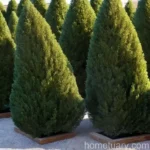
The Japanese yew, scientifically known as Taxus cuspidata ‘Columnaris’, is a stunning evergreen shrub that belongs to the Taxaceae family. This plant is highly valued for its elegant, columnar growth habit and lush green foliage. Its compact, upright form makes it an excellent choice for landscape design, providing structure and form to gardens, parks, and urban spaces.
The Japanese yew is native to regions of Japan and Korea, where it thrives in cool, moist climates and well-drained soil. Due to its unique characteristics and versatility, it has become a popular landscaping choice worldwide, valued for its ornamental appeal and low maintenance requirements.
In this comprehensive guide, we will explore the key attributes, cultural requirements, uses, and maintenance tips for the Japanese yew. From understanding its preferred growing conditions to learning about common diseases and pests, this guide will equip both novice and experienced gardeners with the knowledge needed to cultivate and care for the magnificent Taxus cuspidata ‘Columnaris’.
Key Takeaways – Japanese Yew (Taxus cuspidata ‘Columnaris’)
The Japanese yew, also known as Taxus cuspidata ‘Columnaris’, possesses several key characteristics that make it a highly sought-after plant in landscaping and horticulture. Here are the key takeaways that we will explore in detail throughout this guide:
- Culture: Understanding the cultural requirements, including water, sunlight, fertilizer, soil, and pruning.
- Uses: Exploring the diverse applications of the Japanese yew in landscaping and horticulture.
- Propagation: Learning about propagation methods and considerations for expanding your Japanese yew collection.
- Container: Discussing the potential for container gardening and the considerations involved.
- Common Diseases: Identifying common diseases and developing effective strategies for disease prevention and management.
- Common Pests: Recognizing common pests and implementing pest control measures to protect the health of the Japanese yew.
These key takeaways will serve as the foundation for our exploration of the Japanese yew and its cultivation, maintenance, and utilization in various settings.
Japanese Yew – Taxus cuspidata ‘Columnaris’ Attributes
The Taxus cuspidata ‘Columnaris’ exhibits several distinct attributes that contribute to its appeal and functionality in both residential and commercial landscapes. Let’s delve into the specific characteristics and attributes associated with this exceptional plant:
- Growth Habit: Columnar and upright growth habit, providing a striking vertical element in the landscape.
- Foliage: Deep green, glossy foliage that retains its color throughout the year, offering an evergreen presence.
- Size: Moderate size, typically reaching heights of 15-20 feet and a width of 3-4 feet, making it suitable for various planting schemes.
- Hardiness: Excellent cold hardiness, enabling it to thrive in diverse climatic conditions, including colder regions.
- Adaptability: Tolerant of urban pollution and adaptable to different soil types, enhancing its versatility in landscaping.
- Disease Resistance: Exhibits resistance to several common diseases, contributing to its overall resilience and longevity.
These attributes collectively contribute to the desirability and practicality of incorporating the Japanese yew, Taxus cuspidata ‘Columnaris’, into landscaping projects and garden environments.
Cultivation and Care of Japanese Yew
Successfully cultivating and caring for the Japanese yew requires attention to several crucial factors, including watering, sunlight, soil, and maintenance practices. Let’s explore each of these elements in detail to gain a comprehensive understanding of the cultural requirements for the Taxus cuspidata ‘Columnaris’.
Water
Proper watering is essential for establishing and maintaining the health of the Japanese yew. While it is important to ensure an adequate water supply, it is equally crucial to avoid waterlogging, which can lead to root rot and other detrimental conditions. Here are some essential watering guidelines for the Japanese yew:
- Establishment: Provide regular watering during the initial establishment phase to support root development and acclimatization.
- Moisture Level: Monitor soil moisture levels and aim to keep the soil consistently moist but not waterlogged.
- Seasonal Variations: Adjust watering frequency based on seasonal variations, reducing water supply during the dormant winter period.
- Drought Conditions: During extended periods of drought, provide supplemental watering to prevent stress and dehydration.
By maintaining a balanced approach to watering, you can support the healthy growth and vitality of the Japanese yew in your garden or landscape.
Sunlight
The Japanese yew thrives in partial to full sunlight, although it can tolerate some shade, particularly in hot climates. Understanding the sunlight requirements of Taxus cuspidata ‘Columnaris’ is essential for optimizing its growth and appearance. Here are the key considerations regarding sunlight exposure for the Japanese yew:
- Ideal Conditions: Plant your Japanese yew in a location that receives partial to full sunlight, preferably with some protection from intense afternoon sun.
- Shade Tolerance: While it prefers sunlight, the Japanese yew can tolerate partial shade, making it versatile in various landscape settings.
- Avoid Deep Shade: Avoid planting it in areas of deep shade, as this can inhibit its growth and lead to sparse foliage.
By selecting an appropriate planting site that provides the right balance of sunlight and shade, you can ensure that your Japanese yew thrives and flourishes in its environment.
Fertilizer
Proper fertilization is crucial for supplying essential nutrients to the Japanese yew, promoting healthy growth, foliage development, and overall vigor. Consider the following fertilizer guidance when caring for Taxus cuspidata ‘Columnaris’:
- Timing: Apply a balanced, slow-release fertilizer in early spring before the onset of new growth to provide essential nutrients for the upcoming growing season.
- Dosage: Follow the manufacturer’s recommendations regarding the application rate and dosage to prevent over-fertilization.
- Even Distribution: Distribute the fertilizer evenly around the root zone of the Japanese yew to ensure effective uptake by the plant’s root system.
- Avoid Late Feeding: Refrain from fertilizing late in the growing season, as this can stimulate new growth that may be susceptible to frost damage in colder regions.
By implementing a targeted fertilization regimen, you can optimize the health and vitality of your Japanese yew, fostering lush foliage and robust growth.
Soil
The soil composition and quality play a significant role in the health and performance of the Japanese yew. Understanding the preferred soil conditions and making necessary amendments are vital for cultivating thriving specimens. Consider the following soil-related factors when planting and caring for Taxus cuspidata ‘Columnaris’:
- Well-Drained Soil: Plant the Japanese yew in well-drained soil to prevent water stagnation, which can lead to root diseases.
- Acidic pH: It thrives in slightly acidic to neutral soil with a pH range of 5.0 to 7.5, making adjustments as needed to optimize soil pH.
- Organic Matter: Incorporate organic matter such as compost or well-rotted manure into the soil during planting to enhance fertility and structure.
- Mulching: Apply a layer of organic mulch around the base of the plant to conserve soil moisture and suppress weed growth.
By ensuring that the soil conditions align with the preferences of the Japanese yew, you can establish a conducive growing environment that supports its long-term health and vigor.
Pruning
Pruning is an essential aspect of Japanese yew maintenance, contributing to its aesthetic appeal, structural integrity, and overall longevity. Proper pruning practices can also help manage its size and shape, ensuring that it remains an attractive focal point in the landscape. Here are key considerations for pruning the Japanese yew, Taxus cuspidata ‘Columnaris’:
- Timing: Conduct major pruning during the dormant season in late winter to early spring before the onset of new growth.
- Aesthetic Trimming: Shape the plant as needed to maintain its columnar form and remove any dead, damaged, or overgrown branches.
- Safety Measures: Wear protective gloves when handling the foliage and branches, as the plant’s parts contain toxic compounds.
- Pruning Tools: Use sharp, clean pruning tools to make precise cuts and minimize the risk of injury or disease transmission.
By incorporating regular pruning into your Japanese yew care routine, you can preserve its form, promote healthy growth, and prevent the accumulation of dead or diseased wood.
Propagation of Japanese Yew
Expanding your collection of Japanese yew plants through propagation offers an opportunity to cultivate new specimens with desirable traits and characteristics. While propagation may require patience and attention to detail, it can be a rewarding and cost-effective means of acquiring additional plants. Let’s explore the primary methods and considerations for propagating the Japanese yew, Taxus cuspidata ‘Columnaris’:
Seed Propagation
Growing Japanese yew from seeds is a viable but time-intensive method of propagation. Consider the following steps when propagating using seeds:
- Seed Collection: Collect ripe seeds from healthy, mature Japanese yew specimens in the fall.
- Seed Preparation: Remove the fleshy coating from the seeds and allow them to dry before sowing.
- Sowing: Sow the seeds in containers or a prepared seedbed, covering them lightly with soil and providing adequate moisture.
- Germination: Monitor the seedlings for germination, maintaining consistent moisture and providing protection from harsh weather conditions.
- Transplanting: Once the seedlings have developed, transplant them into individual containers or a designated growing area.
Vegetative Propagation
Vegetative propagation methods, such as stem cuttings, offer a reliable means of reproducing Japanese yew plants with genetic consistency. Here’s an overview of the steps involved in propagating through stem cuttings:
- Cutting Selection: Select healthy, non-flowering shoots for the propagation process, ensuring they exhibit vigorous growth and lack signs of disease or damage.
- Cutting Preparation: Prepare stem cuttings of approximately 4-6 inches in length, removing the lower leaves and treating the cut end with a rooting hormone.
- Rooting Medium: Plant the prepared cuttings in a well-draining rooting medium, such as a mix of perlite and peat moss, providing adequate moisture and warmth.
- Root Development: Monitor the cuttings for root development, maintaining consistent humidity and providing protection from excessive heat or cold.
- Transplanting: Once the cuttings have established a healthy root system, transplant them into individual containers or a suitable outdoor location.
By employing effective propagation techniques, you can expand your Japanese yew collection and cultivate new plants to enhance your garden or landscape design.
Uses of Japanese Yew (Taxus cuspidata ‘Columnaris’)
The Japanese yew, Taxus cuspidata ‘Columnaris’, offers a broad range of uses and applications in landscaping, horticulture, and environmental design. Its versatility and aesthetic appeal position it as a valuable asset for various settings. Let’s explore the diverse uses of the Japanese yew in garden and landscape design:
Landscaping Ornamental
The ornamental appeal and distinctive growth habit of the Japanese yew make it an excellent choice for landscape design, offering structural form, year-round foliage, and enduring beauty. It can be utilized in the following ways:
- Privacy Screening: Planting Japanese yew in rows or clusters creates effective privacy screens and windbreaks, adding intimacy to outdoor spaces.
- Vertical Accent: Its columnar growth makes it a striking vertical accent in garden beds, borders, and foundation plantings.
- Formal Gardens: Incorporate Japanese yew into formal garden designs, including parterres, hedges, and geometric layouts, to create refined, symmetrical compositions.
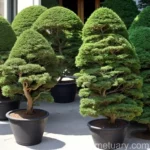
- Container Planting: Utilize dwarf or compact varieties in containers, planters, and urns to introduce evergreen interest to patios, courtyards, and entryways.
Horticultural Specimen
The Japanese yew serves as a valuable horticultural specimen, contributing to educational, conservation, and research initiatives. Its attributes and adaptability make it an ideal candidate for:
- Botanical Gardens: Plant Japanese yew specimens in botanical gardens and arboreta to showcase its characteristics and provide educational resources for visitors.
- Research Facilities: Contribute Japanese yew specimens to research institutions and horticultural centers for botanical studies, genetic research, and conservation efforts.
- Public Parks: Utilize the Japanese yew in public park settings to enrich the diversity of tree and shrub species while demonstrating its practical and aesthetic benefits.
Environmental Enhancements
Beyond its ornamental and horticultural uses, the Japanese yew also contributes to environmental enhancements and ecological considerations. It offers several environmental benefits, including:
- Wildlife Habitat: Providing shelter and nesting sites for birds and small mammals, enriching local ecosystems and supporting biodiversity.
- Air Quality Enhancement: Contributing to urban air quality improvement by capturing pollutants and particulate matter, particularly in densely populated areas.
- Soil Stabilization: Assisting in soil erosion prevention and stabilization, particularly on sloped or vulnerable terrain.
By recognizing and harnessing the diverse uses and benefits of the Japanese yew, you can maximize its potential in enhancing both natural and designed landscapes.
Common Diseases of Japanese Yew
Despite its resilience and disease resistance, the Japanese yew, Taxus cuspidata ‘Columnaris’, can be susceptible to certain diseases under specific conditions. Understanding the common diseases and their associated symptoms is crucial for timely intervention and effective disease management. Let’s explore the primary diseases that can affect the Japanese yew and methods for diagnosis and prevention:
Common Diseases
-
Root Rot (Phytophthora): This fungal disease can result from waterlogged or poorly-drained soil, causing root decay, yellowing foliage, and eventual dieback of the plant.
-
Needle Blight (Pseudocercospora): Needle blight manifests as brown or purplish lesions on the foliage, leading to defoliation and weakening of the plant over time.
-
Botrytis Blight: Also known as gray mold, this disease can affect the foliage and stems, resulting in a fuzzy gray mold and overall decline of the plant’s health.
Disease Diagnosis
Diagnosing diseases in the Japanese yew involves careful observation of symptoms, followed by targeted interventions to mitigate the impact. When assessing the plant for signs of disease, consider the following diagnostic indicators:
- Foliage Discoloration: Look for abnormal coloration or browning of the foliage, which may indicate fungal infections or physiological stress.
- Lesion Identification: Identify any lesions, spots, or discoloration on the needles and branches, noting their size, shape, and distribution.
- Presence of Mold: Check for the presence of mold or fungal growth on the foliage, stems, or soil surface, indicating the potential onset of fungal diseases.
Disease Prevention
Implementing proactive disease prevention measures is essential for maintaining the health and vitality of the Japanese yew. Consider the following strategies to prevent and manage common diseases:
- Cultural Practices: Ensure proper planting site selection, soil drainage, and air circulation to minimize the risk of diseases such as root rot and fungal infections.
- Sanitation: Regularly remove and dispose of fallen foliage and plant debris to reduce the potential for disease spread and reinfection.
- Fungicide Application: When necessary, apply targeted fungicides to mitigate the impact of specific fungal diseases, following label instructions and application guidelines.
By incorporating vigilant disease monitoring and proactive prevention strategies, you can safeguard the Japanese yew from common diseases and maintain its vitality in the landscape.
Common Pests Affecting Japanese Yew
In addition to diseases, the Japanese yew may also face challenges from various pests that can compromise its health and appearance. Identifying common pests and implementing effective pest control measures is crucial for preserving the integrity of this valuable plant species. Let’s explore the primary pests that can affect the Japanese yew and strategies for pest prevention and management:
Common Pests
-
Yew Aphids: These small, sap-feeding insects can infest the new growth and foliage of the Japanese yew, causing yellowing and distortion of the leaves.
-
Yew Scale: Scale insects can attach themselves to the branches and foliage, leading to yellowing, stunted growth, and the presence of sticky honeydew.
-
Yew Spider Mites: Spider mites can infest the foliage, causing stippling, discoloration, and webs on the undersides of the leaves.
Pest Control Measures
Implementing integrated pest management practices can effectively mitigate pest infestations and protect the health of the Japanese yew. Consider the following pest control measures and preventive strategies:
- Natural Predators: Encourage the presence of natural predators such as ladybugs and lacewings, which can help control aphid and scale populations.
- Horticultural Oil: Apply horticultural oil during the dormant season to smother overwintering pest eggs and minimize pest pressure in the following growing season.
- Pruning Infested Branches: Prune and dispose of heavily infested branches to reduce the population of scale insects and spider mites.
By combining cultural practices, targeted interventions, and regular monitoring, you can effectively manage pest infestations and maintain the vigor of the Japanese yew in your landscape.
Botanist’s Tips for Japanese Yew Care
For optimal success in cultivating and maintaining the Japanese yew, it is beneficial to heed the insights and recommendations of experienced botanists and horticulturists. The following tips offer valuable guidance for Japanese yew care and maintenance, drawing on the expertise of professionals in the field:
- Site Selection: Choose a planting site with well-drained soil, adequate sunlight, and sufficient air circulation to support the health of the Japanese yew.
- Balanced Watering: Practice balanced watering, providing adequate moisture while avoiding waterlogging, particularly during the establishment phase.
- Regular Pruning: Engage in regular pruning to maintain the desired shape, remove dead or diseased wood, and promote healthy growth.
- Pest Monitoring: Regularly monitor for signs of pests and diseases, intervening promptly to prevent widespread infestations and infections.
- Appropriate Fertilization: Apply a balanced, slow-release fertilizer in early spring to supply essential nutrients without overstimulating new growth.
By integrating these professional tips into your Japanese yew care routine, you can optimize the plant’s performance and uphold its ornamental and functional value in your landscape.
Fun Facts about Japanese Yew
Uncover some fascinating and engaging facts about the Japanese yew, offering intriguing insights into its botanical attributes, historical significance, and cultural symbolism:
- Historical Significance: The Japanese yew has historical importance and has been used in various cultures for ceremonial and ornamental purposes.
- Longevity and Resilience: Some specimens of Japanese yew are known for their remarkable longevity, with some trees surviving for centuries.
- Toxicity: The foliage and seeds of the Japanese yew contain toxic compounds, making it important to handle the plant with care and attention.
- Cultural Symbolism: In certain cultures, the Japanese yew has been associated with themes of longevity, protection, and spiritual significance.
These fun facts provide a glimpse into the rich botanical heritage and cultural context surrounding the Japanese yew, adding depth to its allure and appeal in garden and landscape settings.
Conclusion
The Japanese yew, Taxus cuspidata ‘Columnaris’, stands as a testament to the enduring beauty, resilience, and practicality of woody ornamental plants. From its stately columnar growth habit to its vibrant