Ground-hemlock (Taxus Canadensis)
Plants are a fundamental part of our environment, providing us with clean air, food, and beauty. One such fascinating plant is the ground-hemlock (Taxus.
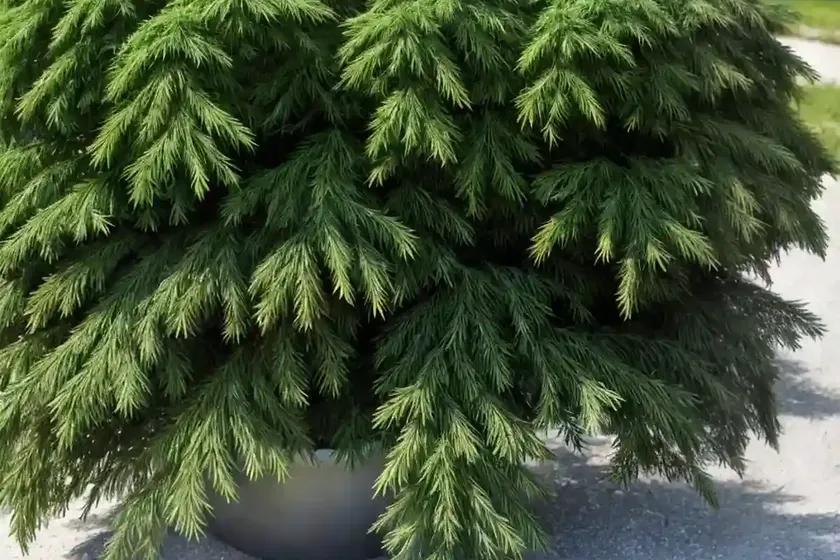
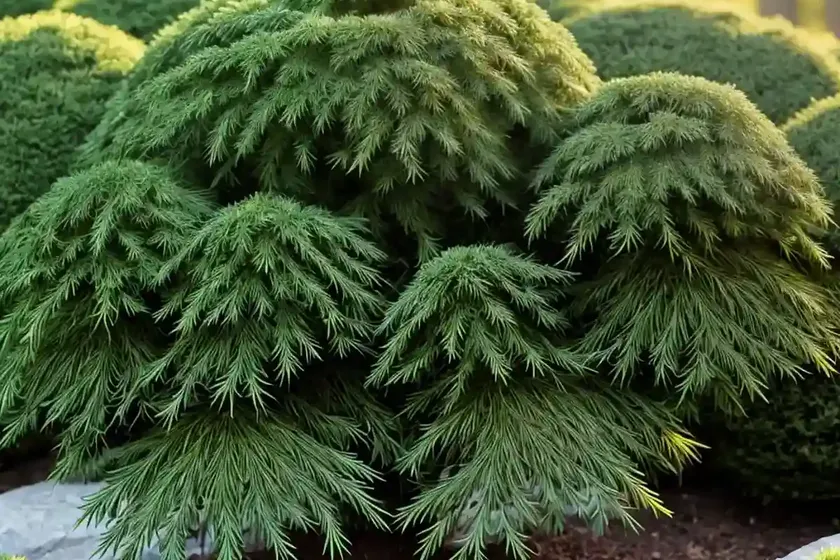
Plants are a fundamental part of our environment, providing us with clean air, food, and beauty. One such fascinating plant is the ground-hemlock (Taxus Canadensis), which has captivated the interest of plant enthusiasts and scientists alike. In this comprehensive guide, we will delve into the various aspects of ground-hemlock, including its characteristics, uses, cultivation, and ecological significance.
What is Plant: Ground-Hemlock (Taxus Canadensis)?
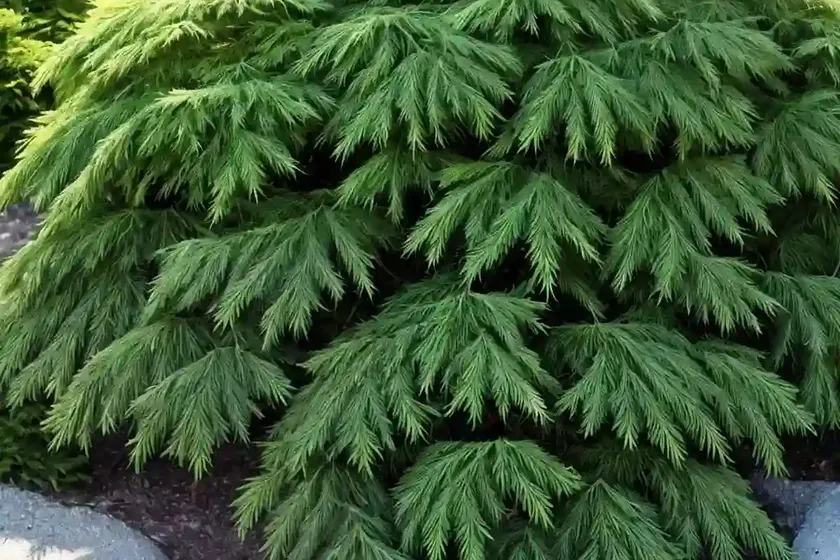
The ground-hemlock, scientifically known as Taxus Canadensis, is a species of conifer belonging to the Taxaceae family. Also called Canada yew, American yew, or simply ground-hemlock, it is native to North America, particularly in the eastern and midwestern regions of the United States and Canada.
Key Takeaways – Ground-Hemlock (Taxus Canadensis)
The ground-hemlock, also known by its scientific name Taxus Canadensis, is a fascinating plant with a wide array of uses, characteristics, and ecological significance. This section will provide a brief overview of the essential points discussed in this guide.
- Ground-hemlock is a native conifer species of North America, specifically found in the eastern and midwestern regions of the United States and Canada.
- It exhibits unique characteristics and properties, making it valuable for various purposes such as landscaping, medicinal uses, and wildlife habitat enhancement.
- Cultivating ground-hemlock requires particular attention to its water, sunlight, soil, and pruning needs, ensuring optimal growth and health.
- Understanding its ecological role, potential diseases, and pest interactions is crucial for effective management and conservation efforts.
Now, let’s explore the intricacies of ground-hemlock, unearthing its uses, cultivation practices, ecological significance, and more.
Ground-Hemlock (Taxus Canadensis) – Culture
Understanding the cultural requirements of ground-hemlock is pivotal for its successful growth and development. From its habitat preferences to its significance in landscaping, this section will delve into the cultural aspects of this remarkable plant species.
Ground-Hemlock Habitat
Ground-hemlock, or Taxus Canadensis, thrives in diverse habitats, ranging from moist woodlands to rocky slopes and ravines. It commonly grows in acidic, well-drained soils and is often found beneath the canopy of larger trees, where it benefits from partial shade and protection from harsh environmental conditions.
Ground-Hemlock Uses in Landscaping
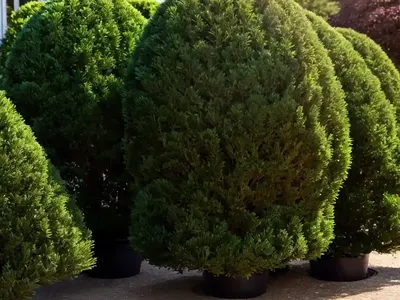
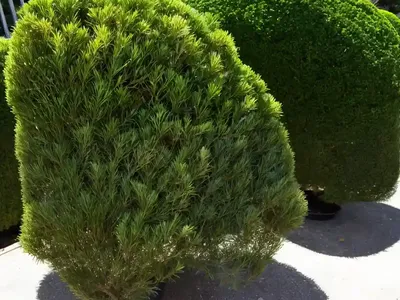
The attractive evergreen foliage and compact growth habit of ground-hemlock make it a sought-after plant for landscaping purposes. Its low spreading form and ability to tolerate shade make it an excellent choice for woodland gardens, borders, and hedges. Additionally, its dense growth provides valuable wildlife habitat and adds aesthetic appeal to naturalistic landscapes.
Ground-Hemlock (Taxus Canadensis) – Uses
The ground-hemlock offers a myriad of uses, ranging from its historical medicinal applications to its modern-day roles in horticulture and ecological conservation. Let’s explore the diverse uses of this intriguing plant species.
Medicinal Uses
Throughout history, various parts of the ground-hemlock plant have been utilized for their medicinal properties. The indigenous people of North America recognized its therapeutic potential, using it to address a range of ailments. While caution is necessary due to its toxicity, certain compounds within ground-hemlock have been studied for their potential pharmaceutical applications.
Landscape and Wildlife Habitat Enhancement
Apart from its historical medicinal uses, ground-hemlock plays a crucial role in enhancing landscapes and providing habitat for wildlife. Its dense, evergreen foliage offers cover and nesting sites for birds and small mammals, contributing to the biodiversity and ecological balance of its native habitats.
Ground-Hemlock (Taxus Canadensis) – Water, Sunlight, and Soil Requirements
To cultivate ground-hemlock successfully, it’s essential to understand its specific water, sunlight, and soil preferences. This section provides insights into the optimal growing conditions for this captivating plant species.
Water
Ground-hemlock prefers moist, well-drained soils, especially during its establishment phase. However, it exhibits a remarkable tolerance to dry conditions once it matures. Adequate watering during dry spells is beneficial, but waterlogged soils should be avoided to prevent root rot and other moisture-related issues.
Sunlight
Partial to full shade is ideal for ground-hemlock, especially in regions with hot summers. Although it can tolerate some sunlight, excessive exposure can lead to leaf burning and reduced vigor. Planting it beneath the canopy of larger trees or incorporating it into shaded garden areas can provide the ideal light conditions for successful growth.
Soil
The ground-hemlock thrives in acidic, well-drained soils, typically with a pH level between 5.0 and 6.5. Organic matter-rich soils with good fertility and aeration are particularly beneficial for promoting healthy growth and vigor. It’s important to avoid heavy clay soils and waterlogged conditions, as they can impede root development and overall plant health.
Ground-Hemlock (Taxus Canadensis) – Fertilizer
Proper fertilization can significantly impact the health and growth of ground-hemlock. Applying the right type and amount of fertilizer at the appropriate times can ensure optimal performance and vigor.
Fertilizing Practices
Applying a balanced, slow-release fertilizer in the spring is generally sufficient to meet the nutritional needs of ground-hemlock. The use of organic-based fertilizers is recommended, as they furnish essential nutrients while promoting soil health and microbial activity. Avoid over-fertilization, as excessive nutrients can lead to imbalanced growth and potential damage to the plant.
Ground-Hemlock (Taxus Canadensis) – Pruning
Pruning is an essential aspect of maintaining the form, health, and aesthetic appeal of ground-hemlock. Proper pruning techniques and timing are crucial for achieving the desired shape and density while minimizing potential issues.
Pruning Techniques
Regular pruning can help shape ground-hemlock, remove dead or damaged branches, and control its size. It’s best to prune in late winter or early spring before the new growth emerges. Pruning cuts should be made selectively to maintain the natural form and structural integrity of the plant.
Ground-Hemlock (Taxus Canadensis) – Propagation
Propagation methods allow for the multiplication of ground-hemlock, enabling gardeners and horticulturists to expand their plant stocks and introduce new individuals into landscapes and gardens.
Propagation Techniques
Ground-hemlock can be propagated through various means, including seed propagation, cuttings, and layering. While seeds are a natural means of propagation, cuttings provide a reliable and efficient method for producing genetically identical plants. Layering, where a stem is encouraged to produce roots while still attached to the parent plant, is another viable option for propagation.
Ground-Hemlock (Taxus Canadensis) – Container Popularity
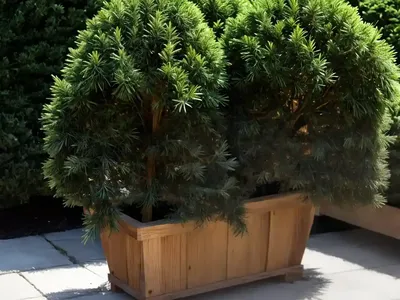
The compact and low-maintenance nature of ground-hemlock makes it well-suited for container cultivation. Its ornamental value, coupled with its adaptability to various growing media, renders it a popular choice for container gardening.
Container Growing Advantages
Growing ground-hemlock in containers offers several advantages, including the ability to create portable displays, enhance small garden spaces, and facilitate easy overwintering in colder climates. Additionally, container-grown ground-hemlock can be positioned strategically to highlight its ornamental attributes and complement other plants in the landscape.
Ground-Hemlock (Taxus Canadensis) – Common Diseases
Like many plant species, ground-hemlock is susceptible to certain diseases that can impact its health and vitality. Identifying and managing these diseases are crucial for preserving the well-being of this fascinating plant.
Disease Diagnosis
Ground-hemlock may be affected by various diseases, including root rot, blight, and canker diseases. Proper diagnosis of these ailments involves examining the symptoms, conducting laboratory tests if necessary, and implementing appropriate control measures. Preventative practices, such as promoting good air circulation and avoiding overwatering, can help reduce the risk of disease occurrence.
Ground-Hemlock (Taxus Canadensis) – Common Pests
Pest infestations can pose a threat to the health and vigor of ground-hemlock, necessitating vigilant monitoring and integrated pest management strategies.
Pest Management
Several pests, including scale insects, spider mites, and aphids, can target ground-hemlock, causing damage to its foliage and overall decline. Regular inspection of the plant, promoting natural predators, and selective use of horticultural oils or insecticidal soaps can help manage pest populations without resorting to broad-spectrum insecticides.
Botanist’s Tips for Growing Ground-Hemlock (Taxus Canadensis)
As a plant scientist, I have gathered valuable insights and tips for successfully growing ground-hemlock, encompassing its cultivation, maintenance, and ecological relevance. Here are some expert recommendations for cultivating and appreciating this remarkable plant species:
- Embrace the versatility of ground-hemlock by incorporating it into woodland gardens, shaded borders, and naturalistic landscapes to enhance biodiversity and create visually appealing settings.
- Prioritize soil health and fertility by amending the planting site with organic matter and ensuring proper drainage to promote robust root development and sustainable growth.
- Exercise caution and awareness regarding the toxic properties of ground-hemlock, especially when situated in areas accessible to children and pets. Educating others about its toxicity is essential for safe interaction with this plant.
- Explore creative pruning techniques to craft unique forms and structures with ground-hemlock, adding artistic elements to garden designs while maintaining the plant’s natural beauty.
Fun Facts about Ground-Hemlock (Taxus Canadensis)
Delving into the realm of ground-hemlock reveals intriguing and captivating facts that highlight its ecological significance, cultural importance, and unique attributes. Here are some fun facts about ground-hemlock that showcase its remarkable qualities:
- Ground-hemlock, despite its name, is not a true hemlock but rather belongs to the yew family (Taxaceae), distinguishing it from other conifers.
- The red, fleshy arils surrounding ground-hemlock seeds are favored by birds but are toxic to humans, emphasizing its complex ecological interactions and deterrent mechanisms.
- Indigenous communities have a rich history of utilizing ground-hemlock for crafting tools, ceremonial items, and traditional medicines, showcasing its cultural and historical significance in North America.
Links to External Resources
For further exploration and in-depth information about ground-hemlock (Taxus Canadensis), refer to the following external resources:
- USDA Plants Database – Taxus Canadensis
- Missouri Botanical Garden – Taxus Canadensis
- North Carolina Extension Gardener Plant Toolbox – Taxus Canadensis
- The Morton Arboretum – Ground-Hemlock
In conclusion, the ground-hemlock (Taxus Canadensis) stands as a captivating and multi-faceted plant species, offering a wealth of uses, cultural significance, and ecological contributions. By understanding its unique attributes and meeting its specific cultivation needs, we can appreciate and harness the potential of this remarkable plant, contributing to sustainable landscapes and enriched natural environments.