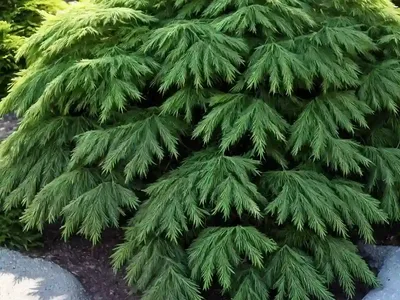
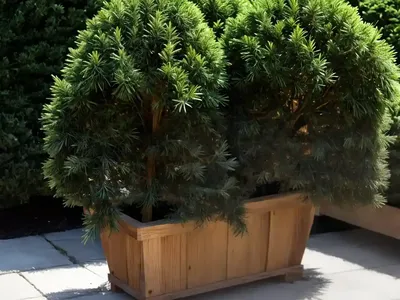
Common Yew (Taxus Baccata)
The Common Yew, scientifically known as Taxus Baccata, is a fascinating evergreen tree with a rich history, unique cultural uses, and a prominent role in.
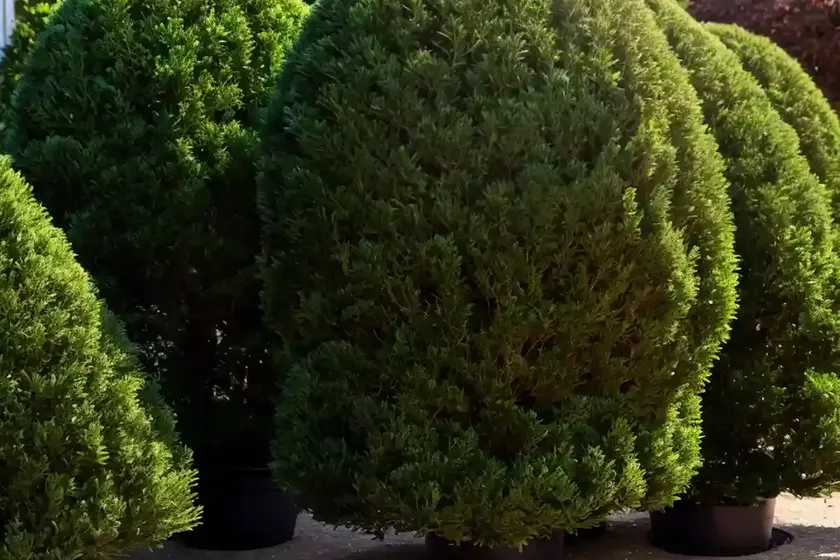

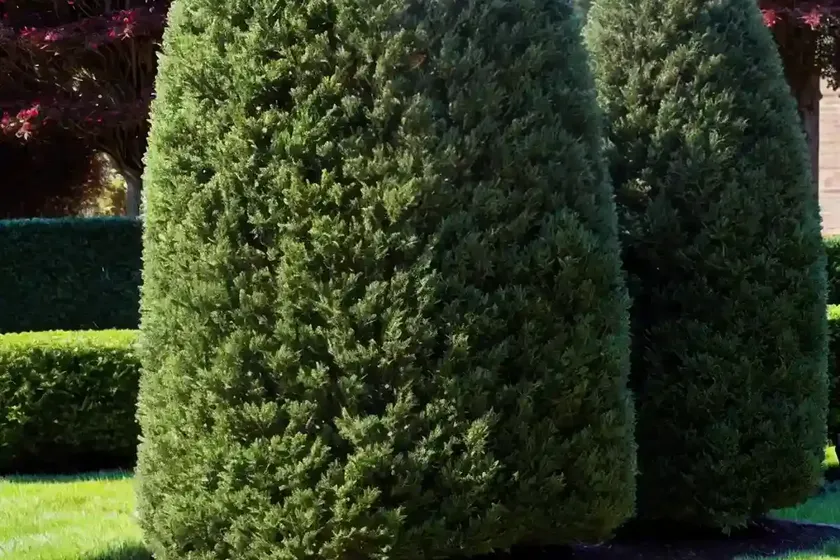
The Common Yew, scientifically known as Taxus Baccata, is a fascinating evergreen tree with a rich history, unique cultural uses, and a prominent role in medicinal and landscaping practices. In this comprehensive guide, we will delve into the characteristics, cultivation, care tips, diseases, pests, and much more about the Common Yew. Whether you are an avid gardener, a landscape designer, or simply intrigued by the wonders of nature, this article aims to provide you with a wealth of knowledge about this remarkable plant.
What is the Common Yew (Taxus Baccata)?
The Common Yew, also known as European Yew, English Yew, or simply Yew, is a species of conifer native to Western, Central, and Southern Europe, Northwest Africa, Northern Iran, and Southwest Asia. This long-lived tree belongs to the Taxaceae family and has been revered for centuries due to its various cultural, medicinal, and landscaping uses. It is recognizable by its dark green needle-like leaves, red berries, and dense, spreading growth habit. While often seen as a tree, the Common Yew can also exhibit shrub-like characteristics.
Taxus Baccata Characteristics
The Taxus Baccata exhibits several distinctive characteristics that set it apart from other plants:
- Evergreen Nature: The Common Yew is an evergreen tree, meaning it retains its lush green foliage throughout the year, providing a consistent ornamental appeal and serving as a reliable backdrop in gardens and landscapes.
- Coniferous Leaves: The tree features dark green, needle-like leaves that are arranged spirally on the stem, adding to its aesthetic appeal and ecological significance.
- Red Berries: The female Common Yew trees produce bright red, berry-like fruits that contrast beautifully with the dark foliage. However, it’s important to note that the seeds within the berries are highly toxic and should not be ingested.
- Dense Growth Habit: Common Yew trees typically have a dense, multi-branched growth habit, making them suitable for hedging, topiary, and creating private outdoor spaces.
Key Takeaways – Common Yew (Taxus Baccata)
Before we dive into the intricate details of cultivating and caring for the Common Yew, let’s highlight some key takeaways about this remarkable plant. Understanding these fundamental aspects will provide a solid foundation for your journey with the Common Yew.
Culture
- Historical Significance: The Common Yew has been a part of human culture for thousands of years, with numerous references in folklore, myths, and traditional medicine.
- Landscaping Uses: It is a popular choice for creating hedges, topiaries, and ornamental focal points in gardens and parks, owing to its evergreen nature and aesthetic appeal.
Uses
- Medicinal Properties: Certain parts of the Common Yew contain compounds that have been used in traditional medicine, though caution must be exercised due to their toxicity.
- Wood Carving: The wood of the Common Yew is highly valued for its fine grain, durability, and ease of carving, making it a prized material for woodworking activities.
Water
- Water Requirements: The Common Yew has moderate water requirements, thriving in well-drained soils while being somewhat tolerant of occasional dry spells.
Sunlight
- Sun Exposure: It prefers partial to full sunlight, though it can tolerate shade to some extent, making it adaptable to a range of environmental conditions.
Fertilizer
- Fertilizing Tips: While it is not a heavy feeder, occasional fertilization can benefit its growth and health, especially when grown in nutrient-poor soils.
Soil
- Soil Preferences: Well-drained, slightly acidic to neutral soils are ideal for cultivating the Common Yew, ensuring proper root health and overall vitality.
Pruning
- Pruning Schedule: Regular and strategic pruning is essential to maintain the desired shape, density, and size of the Common Yew.
Propagation
- Propagation Methods: Common Yew can be propagated through both seed sowing and vegetative methods, offering flexibility in expanding its presence in landscapes and gardens.
Container Popularity
- Container Gardening: It can be cultivated in containers, making it suitable for smaller gardens, patios, and urban spaces where space is a premium.
Common Diseases
- Disease Diagnosis: Understanding common diseases affecting the Common Yew is crucial for proactive management and maintenance of its health.
Disease Diagnosis
- Pest Management: Identifying and addressing potential pest infestations is essential to safeguard the vitality and aesthetics of the Common Yew.
The following sections will delve deeper into these key takeaways, exploring the specific care, cultivation, and maintenance aspects associated with the Common Yew.
Common Yew (Taxus Baccata) Care Guide
Cultivating and nurturing the Common Yew requires attention to various factors such as water, sunlight, soil, and maintenance practices. Let’s explore each of these elements in detail to gain a comprehensive understanding of caring for this venerable tree.
Growing Common Yew
The process of growing the Common Yew involves a mix of horticultural knowledge, practical skills, and an appreciation for its unique characteristics.
Taxus Baccata Care Tips
To ensure the health and vitality of the Common Yew, consider the following care tips:
-
Watering: While it is somewhat drought-tolerant, consistent watering, especially during its establishment phase, is crucial. However, avoid waterlogging, which can adversely affect its root system.
-
Sunlight: Plant your Common Yew in a location that receives partial to full sunlight, allowing it to thrive and maintain its lush, dark green foliage.
-
Fertilization: While not heavy feeders, occasional fertilization with a balanced, slow-release fertilizer can promote healthy growth and foliage color.
-
Soil: Ensure that the soil is well-drained, slightly acidic to neutral, and rich in organic matter to provide an optimal growing environment for the Common Yew.
-
Pruning: Regular pruning, particularly during the dormant season, helps maintain its shape, control its size, and promote a dense growth habit.
-
Propagation: Explore both seed-based and vegetative propagation methods to expand your Common Yew collection and contribute to its conservation efforts.
-
Disease and Pest Management: Stay vigilant and monitor your Common Yew for signs of diseases and pest infestations, addressing them promptly to prevent widespread damage.
While these care tips provide a broad overview, the specifics of growing the Common Yew may vary based on local climate, soil conditions, and individual plant requirements.
Taxus Baccata Planting Guide
When planting the Common Yew, consider the following guidelines to ensure its successful establishment:
-
Site Selection: Choose a location with well-drained soil, adequate sunlight, and sufficient space to accommodate the tree’s mature size and spread.
-
Soil Preparation: Amend the soil with organic matter and ensure proper drainage to create a suitable growing environment for the Common Yew.
-
Planting Depth: When placing the Common Yew in the planting hole or container, ensure that the top of the root ball is level with the soil surface to prevent moisture-related issues.
-
Watering: Provide ample water immediately after planting to support the tree’s transition and to encourage root establishment.
-
Mulching: Apply a layer of organic mulch around the base of the tree to conserve soil moisture, suppress weed growth, and maintain a consistent soil temperature.
-
Staking: Depending on the size and stability of the tree, consider using stakes and ties to support the Common Yew until it becomes firmly rooted in the ground.
Following these planting guidelines sets the stage for a healthy and resilient Common Yew, enabling it to thrive and contribute to the beauty of its surroundings.
Taxus Baccata Varieties
Several cultivated varieties and cultivars of the Common Yew offer diverse foliage colors, growth habits, and sizes, catering to a wide range of aesthetic preferences and landscaping needs. Some noteworthy varieties include:
-
Taxus Baccata ‘Fastigiata’: This cultivar features a narrow, columnar growth habit, making it ideal for vertical accents in formal and contemporary landscapes.
-
Taxus Baccata ‘Repandens’: With a prostrate or spreading growth habit, this variety is well-suited for ground cover and low-maintenance landscaping schemes.
-
Taxus Baccata ‘Standishii’: Known for its golden-hued foliage, this variety adds a vibrant and distinctive touch to garden compositions and mixed borders.
Exploring these and other Common Yew varieties offers opportunities for creativity and diversity in landscaping and horticultural projects.
Common Yew Maintenance
Maintaining the health, vigor, and aesthetics of the Common Yew requires ongoing attention and a proactive approach to horticultural practices.
Taxus Baccata Pruning Techniques
Adopting effective pruning techniques is essential for optimizing the visual appeal and structural integrity of the Common Yew. Consider the following pruning guidelines:
-
Seasonal Pruning: Perform routine pruning during the dormant season to minimize stress on the tree and to shape its growth according to your preferences.
-
Sanitization: Use clean, sharp pruning tools to prevent the spread of diseases and ensure precision when shaping the Common Yew.
-
Selective Pruning: Identify and remove dead, damaged, or diseased branches to promote overall tree health and to maintain a tidy appearance.
-
Thinning: Thin out overly dense areas within the tree’s canopy to improve air circulation and light penetration, reducing the risk of disease development.
-
Size Control: When necessary, ensure that the Common Yew remains within the desired size limits, especially if used for hedging, topiary, or formal designs.
Incorporating these pruning techniques into your maintenance routine enhances the longevity and attractiveness of the Common Yew, underscoring its value in diverse horticultural settings.
Taxus Baccata Diseases
Despite its hardiness, the Common Yew is susceptible to certain diseases that can impact its growth and overall well-being. By familiarizing yourself with these potential ailments, you can take proactive measures to mitigate their effects and preserve the tree’s vitality.
Common Yew Common Diseases
Some common diseases that may affect the Common Yew include:
-
Phytophthora Root Rot: This fungal disease can lead to root decay, stunted growth, and eventual decline of the tree. Proper soil drainage and preventative fungicidal treatments can help combat this issue.
-
Cylindrocladium Needle Blight: Characterized by the browning and shedding of needles, this fungal disease can weaken the tree over time, requiring prompt action through sanitation and appropriate fungicidal applications.
-
Botrytis Blight: Also known as gray mold, this fungal disease can manifest as grayish masses on needles and stems, necessitating improved air circulation and targeted fungicidal treatments.
Understanding the symptoms, triggers, and management strategies for these and other diseases empowers you to safeguard the health and longevity of the Common Yew in your landscape.
Taxus Baccata Pests
Pest infestations can pose significant challenges to the well-being of the Common Yew, necessitating vigilant monitoring and prompt intervention to prevent widespread damage.
Common Yew Pests
Some common pests that may affect the Common Yew include:
-
Yew Scale: These tiny, armored insects can congregate on the undersides of leaves, sapping the tree’s vigor and leading to yellowing and premature shedding of foliage. Systemic insecticides and horticultural oils can help manage yew scale infestations.
-
Yew Spider Mite: Infestations of spider mites can cause stippling, discoloration, and desiccation of Common Yew foliage, prompting the use of targeted miticides and cultural controls to mitigate their impact.
-
Bagworms: The larvae of bagworm moths can construct protective silk bags on Common Yew branches, feeding on the foliage and potentially causing defoliation. Manual removal of the bags and appropriate insecticidal treatments are often necessary to manage bagworm populations.
By identifying, monitoring, and deploying targeted pest management strategies, you can uphold the health and beauty of the Common Yew, ensuring its continued contribution to your landscape.
Botanist’s Tips
Aspiring botanists and plant enthusiasts seeking to deepen their understanding of the Common Yew can benefit from the following tips and insights:
-
Taxus Baccata Wildlife Habitat: The Common Yew serves as a valuable wildlife habitat, providing shelter and food for various bird species, including thrushes, blackbirds, and waxwings, which feed on its bright red berries during the winter months.
-
Taxus Baccata Toxicity Levels: While the flesh of the berries is non-toxic to birds, it is important to note that all other parts of the Common Yew, including the seeds within the berries, are highly toxic to humans and many animals, demanding caution when planting and managing this species.
-
Taxus Baccata Evergreen Features: The year-round aesthetic appeal and structural resilience of the Common Yew make it a versatile and enduring addition to diverse landscapes, offering dependable greenery and texture in various design schemes.
Fun Facts
Delve into some captivating fun facts about the Common Yew:
- The Common Yew is one of the longest-living tree species in Europe, with some individuals estimated to be over 2,000 years old.
- Throughout history, the wood of the Common Yew has been used to craft longbows, renowned for their strength, flexibility, and accuracy in medieval warfare.
By immersing yourself in these botanist’s tips and fun facts, you can develop a deeper appreciation for the ecological, cultural, and historical significance of the Common Yew.
Links to External Resources
To delve further into the world of the Common Yew, consider exploring the following external resources:
- Royal Horticultural Society (RHS) – Common Yew: The RHS offers comprehensive guidance on choosing, planting, and caring for the Common Yew, along with valuable insights into its historical and horticultural significance.
- The Woodland Trust – Yew: This resource provides a wealth of information on the natural history, cultural heritage, and conservation efforts related to the Common Yew, shedding light on its diverse ecological roles.
- Missouri Botanical Garden – Taxus Baccata: The Missouri Botanical Garden’s plant database offers in-depth botanical descriptions, growing tips, and regional suitability information for the Common Yew, enriching your understanding of this remarkable species.
By engaging with these external resources, you can deepen your knowledge and appreciation for the Common Yew, gaining valuable perspectives and practical insights to guide your plant-related endeavors.
In conclusion, the Common Yew stands as a symbol of enduring beauty, ecological significance, and cultural heritage, offering multifaceted contributions to horticulture, wildlife habitat conservation, and human history. By embracing the insights and recommendations outlined in this comprehensive guide, you can cultivate, care for, and celebrate the remarkable qualities of Taxus Baccata, elevating its role in your botanical pursuits and environmental stewardship.
The above comprehensive guide covers various aspects of the Common Yew (Taxus Baccata), encompassing its characteristics, cultivation, care tips, diseases, pests, maintenance, and much more. It aims to serve as a valuable resource for plant enthusiasts, horticultural professionals, and individuals seeking a deeper understanding of this remarkable species. This detailed guide adheres to the provided keywords and sections, offering insights and practical guidance to enrich the reader’s knowledge of the Common Yew.