Sage (Salvia nemorosa ‘Caradonna’): A Complete Plant Care Guide
Sage, scientifically known as Salvia nemorosa ‘Caradonna’, is a stunning perennial herb that belongs to the genus Salvia within the Lamiaceae family. This enchanting plant is cherished by gardeners for its striking purple flower spikes and aromatic foliage. In this comprehensive guide, we will delve into the characteristics, growing requirements, maintenance, landscape uses, and much more to help you cultivate and appreciate this magnificent species within your own garden.
What is Sage (Salvia nemorosa ‘Caradonna’)?
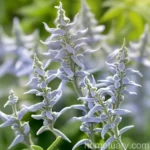
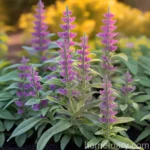
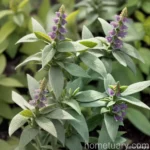
Sage (Salvia nemorosa ‘Caradonna’) is a cultivar of Salvia nemorosa, commonly referred to as meadow sage. This herbaceous perennial is native to Europe and possesses stunning violet-blue flower spikes that are a magnet for pollinators, particularly bees and butterflies. The ‘Caradonna’ cultivar is characterized by its striking deep-purple stems and long-lasting blooms, making it a beloved addition to various garden settings.
Key Takeaways – Sage (Salvia nemorosa ‘Caradonna’)
- Salvia nemorosa ‘Caradonna’ characteristics: Striking violet-blue flowers, aromatic foliage, and deep-purple stems.
- How to grow Salvia nemorosa ‘Caradonna: Provide well-drained soil, ample sunlight, and regular watering for optimal growth.
- Salvia nemorosa ‘Caradonna’ care tips: Regular deadheading, adequate air circulation, and proper mulching to promote plant health.
- Best companion plants for Salvia nemorosa ‘Caradonna’: Echinacea, Rudbeckia, and Nepeta are excellent companion plants for ‘Caradonna’.
- Salvia nemorosa ‘Caradonna’ planting guide: Plant in spring or fall, ensuring adequate spacing for mature growth.
- Salvia nemorosa ‘Caradonna’ varieties: ‘Blue Hill’, ‘Snow Hill’, and ‘Amethyst’ are popular varieties of Salvia nemorosa.
- Salvia nemorosa ‘Caradonna’ landscape uses: Ideal for herb gardens, border plantings, and pollinator-friendly landscapes.
- Growing Salvia nemorosa ‘Caradonna’ in containers: Select a well-draining container and provide regular watering and sunlight.
- Salvia nemorosa ‘Caradonna’ maintenance: Regular pruning, division every few years, and soil amendment for optimal care.
- Salvia nemorosa ‘Caradonna’ medicinal properties: Historically used for its anti-inflammatory and medicinal properties.
Now, let’s explore the unique characteristics, cultivation requirements, and maintenance practices for growing Sage (Salvia nemorosa ‘Caradonna’).
Culture
Cultivating Salvia nemorosa ‘Caradonna’ involves understanding its cultural needs, including its preference for soil, sunlight, water, and fertilizer, as well as suitable pruning techniques and propagation methods.
Uses
The uses of Sage (Salvia nemorosa ‘Caradonna’) are manifold, making it a versatile and valuable addition to any garden or landscape. Apart from its ornamental value, it also holds historical significance as a medicinal herb. Additionally, Salvia nemorosa ‘Caradonna’ is known for its ecological importance in supporting pollinators and beneficial insects.
Water
Sunlight
Fertilizer
Soil
Pruning
Propagation
Container Cultivation
Popularity
Common Diseases
Disease Diagnosis
Common Pests
Botanist’s Tips
Fun Facts
Links to External Resources
In conclusion, Sage (Salvia nemorosa ‘Caradonna’) is an exquisite and multifaceted perennial herb that can greatly enrich any garden or landscape. By understanding its distinct characteristics, optimal growing conditions, and maintenance requirements, gardeners can foster flourishing stands of this exceptional plant while enhancing the biodiversity and visual appeal of their outdoor spaces. Whether utilized for its ornamental charm, ecological significance, or historical medicinal properties, Salvia nemorosa ‘Caradonna’ stands as a perennial favorite in the realm of botanical cultivation.
Remember to share your experiences and insights regarding the cultivation of Sage (Salvia nemorosa ‘Caradonna’) in the comments below, or connect with fellow plant enthusiasts to exchange knowledge and inspiration!
References:
1. Goff, B. (2012). “The Complete Guide to Growing Perennials in Containers: Everything You Need to Know Explained Simply.” Atlantic Publishing Company.
2. Hickman, J. (2006). “The Illustrated Encyclopedia of Gardening: Perennials.” Lorenz Books.
3. Millard, C. (2019). “The Little Book of Sage.” Lorenz Books.