Yew (Taxus x media ‘Everlow’): A Complete Guide
Yew (Taxus x media ‘Everlow’) is a versatile and popular shrub known for its attractive foliage, low maintenance requirements, and various landscaping uses. In this comprehensive guide, we will explore the culture, propagation, common diseases and pests, as well as the unique characteristics of the yew plant, specifically focusing on the ‘Everlow’ variety.
What is Yew (Taxus x media ‘Everlow’)?
The Everlow yew, scientifically known as Taxus x media ‘Everlow’, is a hybrid yew cultivar that combines the characteristics of two different species – Taxus baccata (English yew) and Taxus cuspidata (Japanese yew). This compact evergreen shrub is popular for its low-growing habit, making it an excellent choice for hedges, borders, and foundation plantings. The ‘Everlow’ variety is valued for its unique growth habit, which requires minimal maintenance and offers versatility in landscaping designs.
Key Takeaways – Yew (Taxus x media ‘Everlow’)
Let’s delve into the key aspects of the Everlow yew, including its culture, uses, water requirements, sunlight preferences, fertilizer needs, soil conditions, pruning techniques, propagation methods, popularity in container gardening, common diseases, diagnosis, and management of pests. Additionally, we will explore botanist’s tips, fun facts, and provide links to external resources for further exploration.
Culture
Uses
Yew (Taxus x media ‘Everlow’) is primarily utilized for landscaping purposes due to its attractive appearance, adaptability to various soil types, and tolerance of urban pollution. Some common uses include:
- Hedges: Everlow yew is an ideal choice for creating low maintenance hedges due to its dense foliage and easy shaping capabilities.
- Borders: Its low-growing and compact nature makes it a popular choice for defining borders within gardens and landscapes.
- Foundation Plantings: The ‘Everlow’ variety is often used near buildings and structures, providing an elegant and consistent look throughout the year.
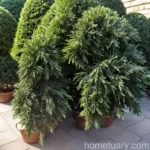
- Containers: Its adaptability to container gardening makes it suitable for small gardens, patios, and urban landscapes.
- Landscaping Accents: Yew (Taxus x media ‘Everlow’) adds aesthetic appeal to various landscape designs, including parks, public gardens, and residential yards.
Water
Yew plants, including the ‘Everlow’ variety, prefer well-drained soil and regular watering, especially during the establishment period. Once established, they are relatively drought-tolerant and can withstand dry conditions, making them suitable for xeriscaping in certain climates.
Sunlight
Yew (Taxus x media ‘Everlow’) thrives in partial to full sunlight conditions. It can tolerate shade but typically achieves optimal growth and foliage density in locations with ample sunlight. However, it is crucial to provide protection from intense afternoon sun in hot climates to prevent scorching of the foliage.
Fertilizer
When it comes to fertilization, yew plants generally have moderate nutrient requirements. A balanced slow-release fertilizer applied in spring can support healthy growth and vibrant foliage. It is essential to follow the specific fertilizer recommendations for the ‘Everlow’ variety to prevent excessive nutrient accumulation and potential damage to the plant.
Soil
Yew (Taxus x media ‘Everlow’) adapts well to various soil types, including loamy, sandy, and clay soils, as long as they are well-drained. The soil pH should be slightly acidic to neutral for optimal growth. Amending the soil with organic matter can enhance its structure and fertility, promoting favorable conditions for yew cultivation.
Pruning
Proper pruning is essential for maintaining the desired shape and size of yew (Taxus x media ‘Everlow’) plants. Here are some key pruning tips:
- Timing: Pruning is best performed in late winter or early spring before the onset of new growth, allowing the shrub to recover and produce new foliage during the growing season.
- Techniques: Use sharp, sanitized pruning tools to make clean cuts, removing dead or damaged branches and shaping the plant as desired.
- Caution: Yew plants contain toxic compounds in their foliage and seeds, so care should be taken when handling and disposing of pruned materials to prevent accidental ingestion by humans or animals.
Propagation
Yew (Taxus x media ‘Everlow’) can be propagated through various methods, including:
- Seed Propagation: Growing yew from seeds requires patience and specific environmental conditions to promote seed germination and early growth. However, it is a cost-effective propagation method for producing a large number of plants.
- Cutting Propagation: This method involves taking semi-hardwood cuttings and rooting them under controlled conditions, such as high humidity and optimal temperatures, to establish new plants with genetic traits identical to the parent plant.
Container Popularity
The ‘Everlow’ variety of yew is well-suited for container gardening, offering versatility and aesthetic appeal in various outdoor and indoor settings. Its compact size and slow growth make it an excellent choice for:
- Patio Containers: Everlow yew plants can be grown in containers on patios, balconies, and terraces, adding greenery and visual interest to outdoor spaces.
- Urban Landscapes: In urban environments with limited garden space, yew shrubs in containers provide an opportunity for greenery and landscaping creativity.
- Seasonal Displays: Yew plants can be incorporated into seasonal container displays, complementing other ornamental plants and decorative elements.
Common Diseases
While yew plants, including the ‘Everlow’ variety, are generally resistant to many diseases, they may occasionally experience issues such as:
- Phytophthora Root Rot: This fungal disease can affect yew plants grown in poorly drained soils, leading to root damage and decline in overall health.
- Needle Blight: Certain fungal pathogens can cause needle discoloration and defoliation in yew plants, impacting their aesthetic appeal and vitality.
Disease Diagnosis
Diagnosing yew diseases involves careful observation of symptoms, including changes in foliage color, texture, and overall plant health. To accurately identify and address diseases, it is advisable to consult with a plant healthcare professional or a certified arborist who can conduct thorough assessments and provide appropriate treatment recommendations.
Common Pests
Yew plants, including the ‘Everlow’ variety, are relatively resistant to pest infestations. However, they may occasionally encounter the following pests:
- Yew Scale Insects: These small, stationary insects can infest yew foliage, leading to yellowing and premature dropping of needles.
- Spider Mites: In dry and dusty conditions, spider mites can affect yew plants, causing stippled or discolored foliage and webbing on the undersides of leaves.
Botanist’s Tips
Botanist tips can help enthusiasts and gardeners cultivate and care for yew (Taxus x media ‘Everlow’) with expertise and precision. Here are some valuable tips:
- Site Selection: Choose well-drained locations with sufficient sunlight for optimal yew growth and development.
- Soil Preparation: Prior to planting, amend the soil with organic matter and ensure proper drainage to create an ideal growing environment.
- Pruning Techniques: Employ proper pruning techniques to shape and maintain yew plants while considering their toxic properties and potential impact on human and animal health.
Fun Facts
Discovering intriguing and lesser-known facts about the Everlow yew can deepen one’s appreciation for this remarkable plant:
- Longevity: Yew plants are known for their exceptional longevity, with some individual trees estimated to be thousands of years old, contributing to their historical and cultural significance.
- Toxicity: The foliage and seeds of yew plants contain toxic compounds, serving as a deterrent against herbivores and necessitating caution when handling and disposing of plant materials.
- Cultural Symbolism: Yew trees have been associated with various cultural and religious traditions, representing endurance, resilience, and the cycle of life in different societies.
Links to External Resources
For further exploration of yew (Taxus x media ‘Everlow’) and related topics, the following external resources provide valuable information, insights, and guidance:
- American Conifer Society – Taxus x media ‘Everlow’
- Royal Horticultural Society – Yew Cultivation
- University of Florida IFAS Extension – Common Diseases of Yew
- Penn State Extension – Yew Pest Management
In conclusion, yew (Taxus x media ‘Everlow’) represents a valuable addition to landscape designs, featuring its low-maintenance nature, versatility in various settings, and unique ornamental characteristics. By understanding its culture, propagation methods, disease and pest management, and appreciating its cultural significance, individuals can cultivate and enjoy the timeless beauty of the Everlow yew in their garden spaces.