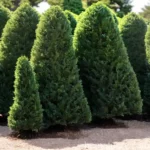
Yew (Taxus x media ‘Densiformis’): A Comprehensive Guide
Yews are a widely recognized and valued group of evergreen shrubs and trees, known for their rich history, adaptable nature, and aesthetic appeal. Among the diverse range of yew plant varieties, Taxus x media ‘Densiformis’ stands out as a popular choice for gardeners and landscapers. In this comprehensive guide, we’ll delve into the essential aspects of yew (Taxus x media ‘Densiformis’) – from its cultural requirements to its uses, care tips, and management of diseases and pests.
What is Yew (Taxus x media ‘Densiformis’)?
Introduction
Taxus x media ‘Densiformis’ is a cultivar of the Anglo-Japanese yew, Taxus x media, which is a hybrid between Taxus baccata (English yew) and Taxus cuspidata (Japanese yew). This evergreen shrub is known for its dense, spreading growth habit and rich, dark green foliage, making it a popular choice for various landscaping purposes.
Taxonomy
- Kingdom: Plantae
- Division: Pinophyta
- Class: Pinopsida
- Order: Pinales
- Family: Taxaceae
- Genus: Taxus
- Species: Taxus x media
- Cultivar: Densiformis
Key Features
- Foliage: Dark green, needle-like leaves arranged in a dense, spreading pattern.
- Growth Habit: Low, spreading growth with a relatively slow growth rate.
- Uses: Commonly used in hedges, foundation plantings, and mass plantings for ground cover.
Key Takeaways – Yew (Taxus x media ‘Densiformis’)
Before delving into the specific aspects of yew (Taxus x media ‘Densiformis’), let’s summarize some key takeaways that will be explored in detail in this comprehensive guide:
- Yew (Taxus x media ‘Densiformis’) is a popular evergreen shrub with versatile uses in landscaping.
- It thrives in well-drained soils and prefers partial shade to full sunlight.
- Proper pruning and maintenance are essential to keep its dense, compact form.
- It is relatively low-maintenance and resistant to many common pests and diseases.
Now, let’s explore these key takeaways in greater detail.
Culture
Uses
One of the primary factors contributing to the popularity of yew (Taxus x media ‘Densiformis’) is its versatile use in landscaping. Some of its common applications include:
– Hedging: The dense, compact growth of the ‘Densiformis’ variety makes it an excellent choice for creating formal hedges or borders.
– Foundation Plantings: Its low, spreading habit makes it ideal for planting along building foundations, providing a neat and attractive border around structures.
– Mass Plantings: When used en masse, ‘Densiformis’ creates a dense carpet of foliage, making it ideal for ground cover in larger landscape areas.
– Topiary and Shaping: With proper pruning, ‘Densiformis’ can be shaped into various forms, making it suitable for topiary and formal gardens.
Water
Proper water management is crucial for the health and vigor of yew (Taxus x media ‘Densiformis’). Here are some key considerations regarding watering:
– Established Plants: Once established, ‘Densiformis’ is relatively drought-tolerant and can withstand periods of limited water availability. However, regular watering during dry spells is beneficial, especially in sandy or well-draining soils.
– Young Plants: Newly planted ‘Densiformis’ shrubs require regular watering to promote establishment and root development. Adequate moisture is essential during the first year after planting.
– Soil Moisture: It’s important to ensure that the soil around ‘Densiformis’ remains consistently moist but not waterlogged. Proper drainage is crucial to prevent waterlogging, which can lead to root rot and other moisture-related issues.
Sunlight
The choice of planting location plays a significant role in the growth and performance of ‘Densiformis.’ Consider the following points related to sunlight exposure:
– Light Requirements: ‘Densiformis’ prefers partial shade to full sunlight. It performs best when provided with dappled sunlight or morning sun with some afternoon shade. However, it can tolerate a range of light conditions, making it adaptable to various landscape settings.
– Shade Tolerance: In addition to its suitability for partial shade, ‘Densiformis’ is known to thrive in shaded areas under the canopy of larger trees. Its ability to thrive in shaded conditions makes it a valuable option for landscaping in locations with limited direct sunlight.
Fertilizer
Proper fertilization is integral to promoting healthy growth and maintaining the vibrant green foliage of yew (Taxus x media ‘Densiformis’). Consider the following fertilizer-related aspects:
– Timing: ‘Densiformis’ benefits from a balanced, slow-release fertilizer application in early spring, before the onset of new growth. Avoid excessive fertilization, especially with high-nitrogen products, as it can lead to excessive foliage growth at the expense of overall plant health.
– Nutrient Composition: A general-purpose, granular fertilizer with a balanced NPK (nitrogen, phosphorus, and potassium) ratio, such as 10-10-10 or similar, is suitable for ‘Densiformis.’ This provides essential nutrients without promoting excessive vegetative growth.
Soil
Understanding the soil preferences of ‘Densiformis’ is crucial for establishing and maintaining healthy plants. Here’s what you need to know about soil considerations:
– Drainage: Well-drained soil is essential for ‘Densiformis’ as it is susceptible to root rot in waterlogged conditions. Avoid heavy, compacted soils and areas with poor drainage. Amending the soil with organic matter can improve drainage in heavy soils.
– pH Levels: ‘Densiformis’ prefers slightly acidic to neutral soil with a pH range of 6.0 to 7.5. Regular soil testing can help monitor and adjust pH levels as needed to ensure optimal growing conditions.
Pruning
Pruning is an essential aspect of maintaining the attractive form and structure of yew (Taxus x media ‘Densiformis’). Here are some important considerations related to pruning:
– Timing: Early spring is an ideal time for pruning ‘Densiformis,’ just before the onset of new growth. Avoid pruning in late summer or early fall, as this can stimulate new growth that may not harden off before winter.
– Techniques: When pruning ‘Densiformis,’ focus on selectively cutting back new growth to maintain the desired shape and density. Avoid drastic pruning, especially into old wood, as yews have limited ability to regenerate from older, woody stems.
– Tools: Use sharp, clean pruning tools, such as hedge shears or hand pruners, to make precise cuts without causing unnecessary damage to the plant. Disinfecting tools between cuts, especially when dealing with diseased plants, can prevent the spread of pathogens.
Propagation
Several methods can be employed to propagate yew (Taxus x media ‘Densiformis’) for expanding plantings or sharing with other gardeners. Propagation techniques include:
– Cuttings: Stem cuttings taken from semi-hardwood or hardwood growth can be rooted to produce new ‘Densiformis’ plants. Applying a rooting hormone to the cut ends of the stem can enhance the success rate of propagation.
– Layering: Air layering or ground layering can be employed to encourage the development of roots on a branch while still attached to the parent plant. Once the rooted layer is established, it can be separated and transplanted as a new ‘Densiformis’ shrub.
Container Popularity
The adaptability and compact growth habit of ‘Densiformis’ make it well-suited for container cultivation. Its popularity as a container plant can be attributed to the following factors:
– Space Constraints: In urban or small-scale gardening settings, ‘Densiformis’ can be grown in containers to provide greenery and aesthetic appeal without requiring a large planting area.
– Versatility: Containers offer the flexibility to showcase ‘Densiformis’ in various settings, from patios and balconies to entryways and outdoor living spaces.
– Seasonal Display: Container-grown ‘Densiformis’ can be moved to different locations to enhance seasonal displays or to provide additional screening or privacy as needed.
Common Diseases
Yew (Taxus x media ‘Densiformis’) is relatively resistant to many common plant diseases, but it can be susceptible to certain issues under specific conditions. Some common diseases that can affect ‘Densiformis’ include:
– Phytophthora Root Rot: This fungal disease thrives in waterlogged soils and can cause root rot, leading to wilting, yellowing foliage, and overall decline. Proper drainage and avoidance of waterlogging are essential for disease prevention.
– Needle Blight: Several fungal pathogens can cause needle blight, leading to browning and dieback of foliage. Pruning out and disposing of affected branches can help manage this issue, and proper air circulation can discourage its development.
Disease Diagnosis
Diagnosing diseases in yew (Taxus x media ‘Densiformis’) requires careful observation and assessment of symptoms. Here are some common steps in disease diagnosis:
– Symptom Identification: Recognizing specific symptoms such as wilting, yellowing, browning, or dieback of foliage can provide clues to the possible diseases affecting ‘Densiformis.’
– Environmental Conditions: Assessing the growing environment, soil moisture, drainage, and sunlight exposure can help pinpoint potential factors contributing to disease development.
– Professional Assistance: When in doubt, seeking the expertise of a plant pathologist or experienced horticulturist can aid in accurate disease diagnosis and targeted management strategies.
Common Pests
While yew (Taxus x media ‘Densiformis’) is generally resistant to many pests, it can still be vulnerable to certain insect issues. Some common pests to watch out for include:
– Yew Scale: These small, sap-feeding insects can congregate on the undersides of yew foliage, leading to yellowing and weakening of the plant. Insecticidal soaps or horticultural oils can be effective for controlling yew scale populations.
– Mealybugs: Mealybugs are soft-bodied, sucking pests that can infest ‘Densiformis’ and cause wilting and overall decline. Neem oil or insecticidal soap applications can help manage mealybug infestations.
Botanist’s Tips
To ensure the optimal health and beauty of yew (Taxus x media ‘Densiformis’), consider the following tips from experienced botanists and horticulturists:
– Adequate Air Circulation: Promote good air circulation around ‘Densiformis’ plants to discourage the development of fungal diseases and pests. Avoid overcrowding in plantings and ensure proper spacing.
– Regular Monitoring: Keep a close eye on the health and growth of ‘Densiformis’ shrubs, monitoring for any signs of stress, disease, or pest infestations. Timely intervention can prevent issues from escalating.
– Consistent Maintenance: Routine care, including watering, fertilization, and pruning, can help maintain the vigor and visual appeal of ‘Densiformis’ plants. Consistent attention to maintenance tasks can lead to long-term success.
Fun Facts
Yew (Taxus x media ‘Densiformis’) possesses several intriguing and noteworthy characteristics that add to its allure and appeal. Consider the following fun facts about this popular evergreen shrub:
– Historical Significance: Yew has a rich historical association and has been revered for centuries due to its longevity and symbolism in various cultures.
– Toxicity: While the red, fleshy arils of yew berries are known to be attractive to birds, they are highly toxic to humans and many other animals. The seeds within the berries are also toxic.
– Allelopathic Effects: Yew foliage and roots contain compounds that can inhibit the growth of certain plants, leading to allelopathic effects. This can influence plant interactions in yew-dominated landscapes.
Links to External Resources
Explore the following external resources for additional insights and expert guidance on yew (Taxus x media ‘Densiformis’) and related topics:
– American Conifer Society – Taxus x media ‘Densiformis’
– Royal Horticultural Society – Yew Diseases
– University of California Agriculture and Natural Resources – Yew Pests and Problems
– The Morton Arboretum – Yews in the Landscape
In conclusion, yew (Taxus x media ‘Densiformis’) stands as a cherished evergreen shrub with a host of practical uses and cultural significance. Whether employed for its ornamental beauty in the landscape, functional applications as a hedge or border plant, or historical resonance, ‘Densiformis’ stands as a versatile and enduring choice for gardeners and landscapers alike. By understanding its cultural requirements, proper care strategies, and potential challenges, enthusiasts can cultivate and appreciate the enduring appeal of yew (Taxus x media ‘Densiformis’) in diverse horticultural settings.
References:
- American Conifer Society – Taxus x media ‘Densiformis’. (https://conifers.org/taxus-x-media-densiformis/)
- Royal Horticultural Society – Yew Diseases. (https://www.rhs.org.uk/advice/profile?PID=338)
- University of California Agriculture and Natural Resources – Yew Pests and Problems. (http://ipm.ucanr.edu/PMG/GARDEN/PLANTS/yew.html)
- The Morton Arboretum – Yews in the Landscape. (https://www.mortonarb.org/trees-plants/tree-plant-descriptions/common-yew-taxus)