Witch Hazel (Hamamelis x intermedia ‘Rubin’) Care Guide
The witch hazel, scientifically known as Hamamelis x intermedia ‘Rubin’, is a fascinating and versatile plant that can bring a touch of color and fragrance to your garden. With its unique characteristics and various uses, this deciduous shrub is a valuable addition to any landscape. In this comprehensive care guide, we will delve into the essential aspects of cultivating and maintaining witch hazel, including its culture, uses, care requirements, common diseases, and other important considerations.
What is Witch Hazel (Hamamelis x intermedia ‘Rubin’)?
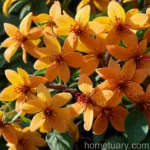
Witch hazel, a member of the Hamamelidaceae family, is a deciduous shrub known for its ornamental features and medicinal properties. The Hamamelis x intermedia ‘Rubin’ variety is renowned for its vibrant, copper-red to maroon flowers. This hybrid cultivar is a cross between Japanese witch hazel (Hamamelis japonica) and Chinese witch hazel (Hamamelis mollis), resulting in a visually striking and robust plant.
Key Takeaways – Witch Hazel (Hamamelis x intermedia ‘Rubin’)
Before we delve into the specific care techniques for witch hazel, let’s outline the key takeaways for this captivating plant:
- Scientific Name: Hamamelis x intermedia ‘Rubin’
- Common Name: Witch Hazel
- Plant Type: Deciduous shrub
- Flower Color: Copper-red to maroon
- Uses: Ornamental, medicinal
- Growth Habit: Upright, spreading
- Hardiness Zone: 5-8
- Mature Height: 10-15 feet
- Mature Spread: 8-12 feet
- Foliage: Dark green, turning yellow in fall
- Fragrance: Distinctive, spicy scent
Now that we have an overview of witch hazel, let’s explore the essential factors to consider when caring for this captivating shrub.
Culture
Understanding the optimal culture for witch hazel is crucial for promoting healthy growth and prolific flowering. Let’s delve into the cultural requirements for this remarkable plant.
Soil
Witch hazel thrives in well-draining, slightly acidic soil with a pH range between 5.5 and 6.5. It is essential to provide a fertile and loamy soil type to support the plant’s development. Additionally, adding organic matter, such as compost or leaf mold, can enhance the soil structure and provide essential nutrients for the plant’s growth.
Water
While witch hazel is moderately drought-tolerant once established, it benefits from regular watering, especially during dry periods. Adequate moisture is crucial, particularly during the plant’s early establishment and flowering periods. Providing consistent moisture without waterlogging the soil is essential for promoting healthy growth and flowering.
Sunlight
Witch hazel thrives in partial shade to full sun, making it a versatile shrub for various garden settings. When planted in partial shade, it can still produce abundant flowers and maintain its attractive foliage. However, offering some protection from harsh afternoon sun can prevent leaf scorch and maintain the plant’s overall health.
Uses
Ornamental
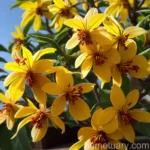
The ornamental appeal of witch hazel, particularly the ‘Rubin’ variety, is a significant factor in its popularity among gardeners and landscapers. The vibrant, spidery flowers add a burst of color to winter landscapes, providing a delightful contrast to the subdued winter palette. Whether used as a focal point in a garden bed or as part of a mixed border, witch hazel’s ornamental value is undeniable.
Medicinal
In addition to its ornamental allure, witch hazel has a long history of medicinal use. The bark and leaves of the plant are distilled to produce witch hazel extract, a natural astringent with various skincare and medicinal applications. From soothing minor skin irritations to alleviating inflammation, witch hazel extract is a versatile and widely used natural remedy.
Fertilizer
Applying a balanced, slow-release fertilizer formulated for acid-loving plants in spring can support the growth and flowering of witch hazel. Selecting a fertilizer with a relatively equal proportion of nitrogen, phosphorus, and potassium (e.g., 10-10-10) can provide the necessary nutrients without promoting excessive vegetative growth. Additionally, incorporating a layer of organic mulch around the base of the plant can help retain soil moisture and supply organic matter as it decomposes.
Pruning
Pruning is an essential aspect of witch hazel care, as it contributes to maintaining the plant’s shape, promoting airflow, and rejuvenating older specimens. Proper pruning techniques can enhance flowering and prevent overcrowding within the shrub. The ideal time for pruning witch hazel is after flowering, allowing ample time for new growth to develop before the onset of winter.
Pruning Tips
- Remove dead, damaged, or diseased wood to maintain the plant’s health and vigor.
- Thin out crowded branches to improve air circulation and prevent disease development.
- Trim back overly vigorous shoots to balance the shrub’s overall framework.
- Avoid extensive pruning, as witch hazel blooms on the previous year’s growth, and over-pruning can limit flowering potential.
Propagation
Propagating witch hazel can be achieved through several methods, including seed propagation, hardwood cuttings, and layering. While seed propagation is possible, it may result in variations from the parent plant, as witch hazel exhibits genetic diversity. Hardwood cuttings, taken during the dormant season, offer a reliable means of propagating specific cultivars such as Hamamelis x intermedia ‘Rubin’. Layering, a technique involving inducing the stem to produce roots while still attached to the parent plant, can also be effective in producing new plants.
Container Popularity
The adaptable nature of witch hazel makes it well-suited for container cultivation, allowing gardeners with limited space to enjoy its ornamental attributes. When grown in containers, witch hazel can thrive on patios, balconies, or as a feature plant in small gardens. Furthermore, the portability of container-grown witch hazel enables gardeners to position the plant strategically to maximize its visual impact and fragrance.
Container Care Considerations
- Select a sizable container with adequate drainage holes to prevent waterlogging.
- Use a well-draining potting mix tailored for woody shrubs to support healthy root development.
- Position the container in partial shade, especially in regions with intense summer heat, to shield the plant from excessive sun exposure.
Common Diseases
Despite its overall resilience, witch hazel is susceptible to certain diseases that can affect its growth and flowering. Understanding the common diseases and their management is essential for maintaining the plant’s health.
Disease Diagnosis
Anthracnose
Anthracnose, caused by fungal pathogens, can lead to dark, sunken lesions on witch hazel’s leaves and stems. Initial symptoms include small, water-soaked spots that gradually enlarge and develop distinct margins. To manage anthracnose, it is crucial to remove and destroy affected plant parts, promote good air circulation, and avoid overhead watering.
Powdery Mildew
Powdery mildew, characterized by a white, powdery coating on the plant’s leaves, can impair witch hazel’s overall vigor and aesthetics. To mitigate powdery mildew, apply fungicidal sprays as a preventative measure and ensure proper spacing to enhance airflow. Removing and destroying infected plant debris can also help limit the spread of the disease.
Common Pests
While witch hazel is generally resistant to pests, it may encounter occasional insect-related challenges that warrant attention.
Botanist’s Tips
To ensure the optimal growth and well-being of witch hazel, consider implementing the following tips:
- Incorporate a layer of organic mulch around the base of the plant to conserve soil moisture and suppress weed growth.
- Monitor the plant regularly for signs of disease and pest infestations, taking prompt measures to address any issues.
- When pruning witch hazel, avoid removing more than one-third of the plant’s total growth at once to prevent stress and potential flowering reduction.
Fun Facts
- Witch hazel extract is widely used in skincare products, thanks to its astringent and soothing properties.
- The word “witch” in witch hazel derived from the Old English term “wice,” meaning pliant or bendable, referencing the plant’s supple branches.
- Witch hazel’s distinctive fragrance intensifies during winter, contributing to its allure in the garden.
Links to External Resources
If you’re interested in further exploring the fascinating world of witch hazel and its cultivation, the following external resources provide valuable insights and information:
- Royal Horticultural Society – Witch Hazels
- University of Maryland Extension – Witch Hazel Plant Profile
- Missouri Botanical Garden – Hamamelis x intermedia ‘Rubin’
In conclusion, the enchanting allure of witch hazel, particularly the Hamamelis x intermedia ‘Rubin’ variety, stems from its captivating flowers, distinctive fragrance, and versatile uses. By embracing the essential care techniques and understanding its cultural requirements, you can create a thriving and visually stunning display of witch hazel in your garden while reaping the benefits of its ornamental and medicinal attributes. Whether you’re drawn to its vibrant blooms, fragrant foliage, or historical significance, witch hazel is undoubtedly a plant worthy of admiration and careful cultivation.
By integrating the insights provided in this comprehensive care guide, you can embark on a rewarding journey of nurturing and appreciating the captivating beauty of witch hazel, adding a touch of elegance and charm to your outdoor space.