Witch Hazel (Hamamelis x intermedia ‘Pallida’)
Witch hazel (Hamamelis x intermedia ‘Pallida’) is a remarkable plant that brings beauty, versatility, and herbal benefits to the garden. In this comprehensive guide, we’ll explore all aspects of witch hazel, from its cultural requirements and propagation to its uses in skincare and traditional medicine. Whether you’re a seasoned gardener or a plant enthusiast looking to expand your knowledge, this article will provide valuable insights into the world of witch hazel.
What is Witch Hazel (Hamamelis x intermedia ‘Pallida’)?
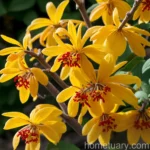
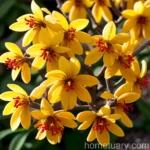
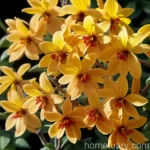
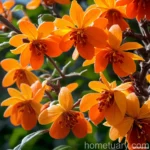
Witch hazel (Hamamelis x intermedia ‘Pallida’) is a deciduous shrub renowned for its vibrant and fragrant winter blooms. This hybrid witch hazel cultivar is a cross between Hamamelis japonica and Hamamelis mollis, resulting in a plant that exhibits the best qualities of both species. ‘Pallida’ is celebrated for its pale yellow, spidery flowers that appear from late winter to early spring, adding a much-needed burst of color to the winter landscape.
Witch hazel belongs to the Hamamelidaceae family, which consists of a small group of flowering plants that are predominantly found in eastern North America and eastern Asia. These plants are valued for their ornamental appeal, therapeutic properties, and ecological significance.
Key Takeaways – Witch Hazel (Hamamelis x intermedia ‘Pallida’)
Before delving deeper into the various aspects of witch hazel, let’s begin with some key takeaways that will guide our discussion.
- Botanical Name: Hamamelis x intermedia ‘Pallida’
- Common Name: Witch Hazel
- Family: Hamamelidaceae
- Plant Type: Deciduous shrub
- Native Range: Eastern North America and eastern Asia
- Key Attributes: Fragrant, spidery flowers in late winter to early spring
- Uses: Ornamental, medicinal, skincare
- Notable Variety: ‘Pallida’ – Celebrated for its pale yellow flowers
Now, let’s explore the various aspects of witch hazel, from its cultural requirements to its uses in skincare and traditional medicine.
Culture
In order to grow and maintain a healthy witch hazel plant, it’s important to understand its specific cultural requirements. From watering and sunlight needs to soil preferences and fertilization, providing the right growing conditions is essential for the plant’s overall well-being and performance.
Water
Witch hazel plants thrive in moist, well-draining soil. During the growing season, it’s important to ensure that the plant receives regular watering, especially during dry periods. However, it’s equally crucial to avoid waterlogged conditions, as excessive moisture can lead to root rot. Once established, witch hazel plants exhibit good drought tolerance.
Sunlight
When it comes to sunlight requirements, witch hazel prefers partial shade to full sun. In regions with hot summers, providing afternoon shade can be beneficial to prevent stress on the plant. In cooler climates, full sun exposure is generally well-tolerated.
Fertilizer
When planting witch hazel, incorporating organic matter into the soil can provide a good foundation for the plant’s growth. Furthermore, applying a balanced, slow-release fertilizer in spring can promote healthy foliage and abundant flowering. Always follow the manufacturer’s recommendations and avoid excessive fertilization, as it can lead to excessive vegetative growth at the expense of flowering.
Soil
Witch hazel thrives in humus-rich, acidic to neutral soil. A well-draining soil with a slightly acidic pH level is ideal for optimal growth and flowering. Additionally, amending the soil with organic matter, such as compost or well-rotted manure, can improve its structure and fertility.
Pruning
Pruning witch hazel is generally minimal, and it’s primarily done to maintain the plant’s shape and remove any dead or damaged branches. The best time to prune witch hazel is after flowering, as this allows you to assess the plant’s overall form and selectively remove unwanted growth. Since witch hazel blooms on old wood, excessive pruning should be avoided to prevent compromising the following year’s flowering display.
Propagation
Witch hazel can be propagated by various methods, including seed propagation, softwood cuttings, and layering. Each propagation technique offers its own set of advantages and challenges, and choosing the most suitable method depends on the resources available and the desired outcome.
-
Seed Propagation: Propagating witch hazel from seeds is a viable method, but it requires patience and a commitment to a longer timeline. Seeds can be collected from mature capsules in late summer and stratified before sowing in a prepared seedbed. While this method allows for genetic diversity, it may take several years for the plants to reach maturity and begin flowering.
-
Softwood Cuttings: Taking softwood cuttings in early summer can yield new plants with identical characteristics to the parent plant. The cuttings should be taken from the current season’s growth and rooted under controlled conditions to ensure successful establishment. With proper care and attention, softwood cuttings can develop into healthy, independent plants.
-
Layering: Air layering or simple stem layering can be used to propagate witch hazel. This method involves encouraging the plant to form roots along a stem while it is still attached to the parent plant. Once roots have developed, the new plant can be separated and transplanted into its own growing site.
Container Popularity
In addition to being a great landscape plant, witch hazel is also popular for container gardening. Its compact size, beautiful flowers, and easygoing nature make it an excellent choice for adding interest to patios, decks, and other outdoor spaces. When grown in containers, witch hazel’s ornamental and fragrant qualities can be appreciated up close, providing a delightful sensory experience.
Container Care
Growing witch hazel in containers requires some specific considerations to ensure the plant’s vitality and longevity. Proper watering, soil conditions, and occasional fertilization are crucial for the plant’s success in a container environment. Additionally, regular monitoring for pest and disease issues is essential to maintain the plant’s health.
Water
When grown in containers, witch hazel plants may require more frequent watering, especially during hot and dry periods. However, it’s important to strike a balance between providing adequate moisture and avoiding waterlogged conditions, as excessive moisture retention in containers can lead to root rot. Always check the soil’s moisture level before watering and adjust the frequency based on weather conditions and the plant’s specific needs.
Sunlight
For container-grown witch hazel, providing the right amount of sunlight is key to ensuring healthy growth and flowering. Position the container in a location that receives partial shade to full sun, depending on the climate and temperature patterns in your area. With adequate sunlight, the plant will thrive and produce an abundance of blooms in late winter to early spring.
Fertilizer
Container-grown plants may require more frequent fertilization to replenish nutrients that leach out of the growing medium over time. Using a balanced, slow-release fertilizer formulated for container plants can help sustain the plant’s growth and flowering. It’s important to follow the fertilization guidelines and avoid over-fertilizing, as excessive nutrients can negatively impact the plant’s health.
Soil
Choosing the right potting mix is essential for container-grown witch hazel. A well-draining, acidic to neutral mix that retains moisture without becoming waterlogged is ideal for promoting healthy root development and overall plant vigor. It’s recommended to use a high-quality potting mix designed for acid-loving plants and to refresh the growing medium periodically to maintain optimal conditions.
Common Diseases
While witch hazel is generally resilient to most common garden pests and diseases, it can occasionally be affected by certain issues that compromise its health and appearance. Being aware of potential diseases and their symptoms can help in timely intervention and effective management to prevent the spread of the problems.
Disease Diagnosis
-
Leaf Spot: Leaf spot diseases, caused by various fungal pathogens, can lead to the formation of dark or discolored spots on the leaves. Additionally, affected foliage may exhibit yellowing, browning, or premature defoliation.
-
Powdery Mildew: A common fungal disease, powdery mildew appears as a white, powdery coating on the surface of leaves. As the disease progresses, the affected foliage may become distorted and exhibit stunted growth.
-
Bacterial Blight: Bacterial blight can cause dark, water-soaked lesions on the leaves, often resulting in tissue collapse and dieback. This disease can spread rapidly under favorable conditions, such as prolonged periods of high humidity.
-
Root Rot: Excessive moisture in the soil can lead to the development of root rot, a condition caused by various soil-borne pathogens. Plants affected by root rot may exhibit wilting, yellowing, and overall decline in vigor.
Disease Management
To manage and prevent diseases in witch hazel, it’s important to implement cultural and, if necessary, chemical control methods. These may include:
-
Practicing Good Sanitation: Removing and disposing of affected plant material, such as fallen leaves, can help reduce the spread of diseases.
-
Improving Air Circulation: Ensuring adequate spacing between plants and proper air circulation can minimize the favorable conditions for disease development.
-
Applying Fungicides: In cases of severe or recurring infections, applying fungicidal sprays, following label instructions, can help manage disease outbreaks.
Common Pests
While witch hazel is relatively resistant to pests, it may occasionally encounter insect-related issues that require attention and intervention. By being mindful of common pests and their behaviors, it’s possible to detect and address pest problems early, safeguarding the plant’s health and vitality.
Common Pests
-
Aphids: These small, soft-bodied insects can cluster on young shoots and the undersides of leaves, feeding on plant sap and excreting honeydew. Severe aphid infestations can lead to distorted growth and weakened plant vigor.
-
Scale Insects: Scale insects can appear as raised, waxy bumps on the stems and foliage of witch hazel. These pests feed on plant sap and, if left uncontrolled, can cause stunted growth and yellowing of leaves.
-
Spider Mites: These tiny arachnids can infest witch hazel, especially during hot and dry periods. Spider mites feed on plant fluids, leading to stippled or discolored foliage and the development of fine webbing on the plant.
-
Caterpillars: Certain caterpillar species may feed on witch hazel foliage, causing noticeable defoliation and impacting the plant’s aesthetic appeal.
Pest Control
To manage pest issues on witch hazel, a combination of cultural, mechanical, and, if necessary, chemical control methods can be employed. These may include:
-
Hosing Off: Using a strong stream of water to dislodge aphids, spider mites, and other soft-bodied pests from the plant can help reduce their populations.
-
Pruning Infested Areas: Removing and disposing of heavily infested portions of the plant can help contain pest populations and prevent further spread.
-
Applying Horticultural Oils: Horticultural oils can be used to suffocate and control soft-bodied pests such as aphids and scale insects, reducing their numbers without harming beneficial insects.
-
Using Insecticidal Soap: Spraying insecticidal soap on the affected parts of the plant can effectively control small infestations of soft-bodied pests, minimizing their impact on the plant.
Botanist’s Tips
To ensure the successful cultivation and enjoyment of witch hazel in the garden, consider the following tips from botanists and horticultural experts:
-
Selecting a Suitable Cultivar: When choosing a witch hazel cultivar, consider factors such as flower color, fragrance, and plant size to find the best fit for your landscape or garden.
-
Providing Winter Interest: Witch hazel’s late winter to early spring bloom period adds much-needed visual interest to the garden during the cooler months. Incorporating other winter-blooming plants can further enhance the seasonal appeal of the garden.
-
Exploring Companion Plants: Pairing witch hazel with compatible companion plants can create captivating combinations that highlight each plant’s unique attributes and create a harmonious display throughout the year.
-
Hydrating During Dry Periods: In regions with prolonged dry spells, providing supplemental watering to witch hazel during the summer months can help maintain its vigor and ensure a bountiful flowering display in the following season.
Fun Facts
-
The bark and leaves of witch hazel have been traditionally used for medicinal purposes, with Native American tribes and early settlers recognizing its therapeutic properties.
-
Witch hazel water, a distillate derived from witch hazel bark, has been used for generations as a natural astringent and skincare remedy, promoting healthy skin and providing relief for various conditions.
-
The flowers of witch hazel are notable for their unique fragrance, which is often described as sweet, spicy, and slightly citrusy, adding to the plant’s appeal in the garden.
Links to External Resources
For further exploration of witch hazel and related topics, consider the following external resources:
-
American Horticultural Society – The organization’s website offers a wealth of information on ornamental plants, gardening tips, and plant care techniques.
-
Royal Horticultural Society – The RHS website provides valuable resources on plant selection, cultivation, and botanical research, including information on witch hazel and its uses.
-
Wildflower.org – Explore native plants, their uses, and conservation through the Lady Bird Johnson Wildflower Center’s comprehensive database and educational resources.
-
National Gardening Association – This platform offers gardening advice, plant profiles, and community forums for plant enthusiasts and gardeners of all levels.
-
University Extension Programs – Many university extension programs provide detailed guides on specific plant species, including cultivation, pests and diseases, and usage in various applications.
In conclusion, witch hazel (Hamamelis x intermedia ‘Pallida’) stands as a captivating plant with a rich history, diverse uses, and unparalleled beauty. From its cultural requirements and propagation methods to its skincare benefits and seasonal interest, witch hazel continues to captivate gardeners, herbalists, and enthusiasts alike. By incorporating this remarkable plant into the garden, individuals have the opportunity to enrich their surroundings with its striking blooms, fragrant presence, and therapeutic properties. Whether admired for its ornamental value or valued for its medicinal uses, witch hazel remains a cherished addition to diverse landscapes and gardens.