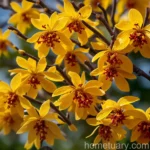
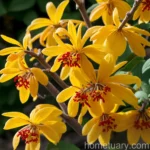
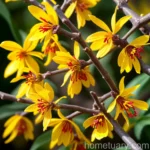
What is Ozark Witch Hazel (Hamamelis vernalis ‘Autumn Embers’)?
Ozark witch hazel, scientifically known as Hamamelis vernalis ‘Autumn Embers’, is a captivating deciduous shrub that belongs to the Hamamelidaceae family. It is native to the central United States, particularly the Ozark Plateau, from which it derives its common name. This marvelous plant is renowned for its unique attributes, making it a sought-after species among horticultural enthusiasts and landscape designers.
Hamamelis vernalis ‘Autumn Embers’ derives its botanical name from the Greek word “hamamelis,” which means “together with fruit,” and “vernal” or “of spring,” signifying its spring-flowering nature. The term “Autumn Embers” aptly describes the striking autumnal foliage coloration that this plant exhibits.
Key Takeaways – Ozark Witch Hazel (Hamamelis vernalis ‘Autumn Embers’)
Before delving into the detailed care and cultivation of this remarkable plant, let’s explore the key takeaways that will be covered in this comprehensive guide:
- Category: Shrub
- Scientific Name: Hamamelis vernalis ‘Autumn Embers’
- Common Name: Ozark witch hazel
- Family: Hamamelidaceae
- Hardiness Zones: 4-8
- Mature Height and Spread: 6-10 feet tall and wide
- Bloom Time: Late winter to early spring
- Exposure: Full sun to partial shade
- Soil: Moist, well-drained, acidic to neutral
- Uses: Ornamental, medicinal, landscape
- Distinct Features: Fragrant flowers, vibrant fall foliage
Now, let’s delve into the detailed cultural requirements, uses, and characteristics of the Ozark witch hazel plant.
Culture
Water
Proper watering is essential for the healthy growth and development of Ozark witch hazel. During its establishment phase, it’s crucial to ensure consistent soil moisture without waterlogging, especially during periods of drought.
- Watering Frequency: Water newly planted or transplanted Ozark witch hazel regularly, aiming to keep the soil consistently moist but not waterlogged. Once established, it generally thrives with normal rainfall, but supplemental watering may be necessary during dry spells.
- Soil Moisture: Ensure that the soil is well-draining to prevent waterlogged conditions, but consistently moist to support optimal growth and flowering.
Sunlight
Ozark witch hazel displays adaptability to various light conditions, making it suitable for both full sun and partial shade. Understanding its sunlight requirements is crucial for maximizing its ornamental and flowering potential.
- Full Sun: While Ozark witch hazel is tolerant of full sun, particularly in cooler regions, it generally appreciates some relief from intense afternoon sunlight, especially in warmer climates. Partial shade can help prevent leaf scorch in hot summer conditions.
- Partial Shade: Providing dappled or partial shade, especially during the hottest part of the day, can contribute to maintaining vibrant foliage and healthy growth.
Fertilizer
Fertilization is an integral aspect of Ozark witch hazel care, especially for promoting vigorous growth, abundant flowering, and vibrant foliage.
- Fertilizer Type: Apply a balanced, slow-release fertilizer formulated for acid-loving plants in early spring before new growth emerges. A granular, organic fertilizer suitable for shrubs and trees can also be beneficial.
- Application: Spread the fertilizer evenly around the base of the shrub, following the manufacturer’s recommended rates. Water the plant thoroughly after fertilization to ensure proper nutrient uptake.
Soil
The soil composition and pH play a vital role in facilitating the optimal growth and performance of Ozark witch hazel. Understanding its soil preferences is crucial for creating suitable planting conditions.
- Soil Type: Ozark witch hazel thrives in moist, well-drained soils rich in organic matter. It prefers loamy soils with good water retention capacity.
- Soil pH: The ideal soil pH for Ozark witch hazel ranges from slightly acidic to neutral (pH 5.5-7.0). Amending the soil with organic matter or using specific acidifying agents can help maintain the desired pH level.
Pruning
Pruning is essential for maintaining the desired shape, size, and overall health of Ozark witch hazel. Proper pruning practices also contribute to enhancing flowering and preventing overcrowding.
- Pruning Time: The best time to prune Ozark witch hazel is after the flowering period, typically in late spring or early summer. This timing allows the plant to bloom abundantly before any pruning activities.
- Pruning Techniques: Remove any dead, damaged, or crossing branches, and aim to maintain an open and well-ventilated growth habit. Light pruning can help shape the shrub and encourage new growth.
Propagation
Propagation methods enable gardeners and plant enthusiasts to propagate Ozark witch hazel and expand its presence in gardens and landscapes.
- Propagation Techniques: Ozark witch hazel can be propagated through various methods, including seed propagation, stem cuttings, and layering. Stem cuttings taken in late spring or early summer can root successfully under controlled conditions.
- Rooting Hormone: Using a rooting hormone powder or gel can enhance the success rate of stem cuttings by stimulating root development.
Container Popularity
Ozark witch hazel is increasingly popular as a container plant, offering the opportunity to enjoy its captivating blooms and vibrant foliage in smaller spaces or patio gardens.
- Container Size: Select a large container with adequate drainage holes, allowing sufficient room for the shrub’s root development and growth. A container size of at least 20 gallons or more is recommended for mature plants.
- Soil Mix: Use a well-draining, acidic potting mix formulated for acid-loving plants to provide an optimal growing medium for the shrub.
Uses
Ornamental
Ozark witch hazel is primarily valued as an ornamental plant for its exceptional attributes, making it a stunning addition to gardens, landscapes, and naturalized settings.
- Winter Interest: Its early bloom time and fragrant flowers make it a valuable addition to winter landscapes, providing much-needed color and fragrance during the dormant season.
- Fall Foliage: The vibrant fall foliage of Ozark witch hazel, especially in the ‘Autumn Embers’ variety, adds a fiery display of color to the autumn landscape, creating a striking visual impact.
Medicinal
Landscaping
Ozark witch hazel possesses exceptional landscaping potential, offering diverse uses in various landscape settings ranging from residential gardens to public parks and natural areas.
- Specimen Plant: Its distinctive features and captivating blooms make it an ideal specimen plant, commanding attention and serving as a focal point in the landscape.
- Naturalized Settings: Ozark witch hazel complements naturalized woodland areas, native plant gardens, and informal landscapes, contributing to a naturalistic and ecologically conscious design approach.
Common Diseases
Disease Diagnosis
Ozark witch hazel is generally resilient to major disease issues, but it can be susceptible to certain fungal infections and environmental stressors.
- Leaf Spot: Fungal leaf spot diseases, such as Phyllosticta and Cercospora leaf spots, may occur under prolonged periods of high humidity and poor air circulation. These diseases manifest as dark, irregularly shaped spots on the foliage.
Common Pests
Ozark witch hazel is relatively resistant to significant pest infestations, but it may occasionally encounter certain insect pests that can affect its overall health and vigor.
Botanist’s Tips
Fun Facts
To add an interesting and engaging element to our exploration of the Ozark witch hazel, let’s uncover some fascinating fun facts about this captivating shrub:
- Native Ecosystems: In its native habitat, Ozark witch hazel plays a vital ecological role, providing nectar for pollinators and serving as a valuable food source for native wildlife, including birds and small mammals.
- Historical Significance: The traditional uses of witch hazel in herbal medicine and skincare date back centuries, with indigenous communities and early settlers utilizing its medicinal properties for various ailments.
- Fragrant Blooms: The delicate, spidery flowers of Ozark witch hazel emit a subtle yet delightful fragrance, attracting early-season pollinators such as bees and butterflies.
Links to External Resources
For further exploration of Ozark witch hazel and its cultivation, uses, and ecological significance, the following external resources provide valuable insights and practical guidance:
- American Horticultural Society
- Missouri Botanical Garden
- Royal Horticultural Society
- University Extension Services
- National Gardening Association
In conclusion, the Ozark witch hazel (Hamamelis vernalis ‘Autumn Embers’) stands out as a captivating and versatile shrub, offering ornamental, ecological, and medicinal benefits. By understanding its unique cultural requirements, uses, and distinctive characteristics, plant enthusiasts and horticulturists can appreciate and harness the remarkable potential of this enchanting plant in diverse garden and landscape settings.
References