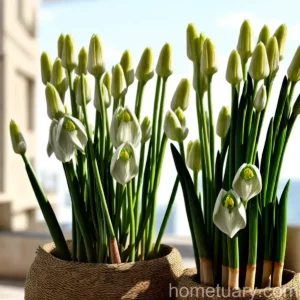
The Beauty of Hosta ‘Northern Halo’: A Versatile Shade-Loving Perennial
Introduction
When it comes to adding beauty and interest to shaded areas in gardens and landscapes, Hosta ‘Northern Halo’ is a popular choice among gardeners and landscaping professionals. This stunning plant, known for its variegated foliage and low-maintenance nature, has become a staple in shaded gardens and container plantings. In this comprehensive guide, we will explore the essential aspects of Hosta ‘Northern Halo’, including its characteristics, care requirements, common uses, and fun facts. By the end of this article, you will have a deeper understanding of this perennial plant and be equipped with valuable insights for incorporating it into your garden or landscape design.
What is Hosta ‘Northern Halo’?
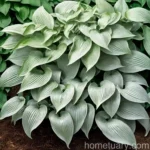
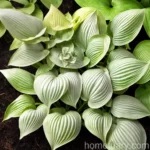
Hosta, commonly known as plantain lily, is a genus of perennial plants often prized for their lush foliage and tolerance of shade. Among the numerous hosta varieties available to gardeners, Hosta ‘Northern Halo’ stands out for its striking appearance and versatility. This cultivar is celebrated for its large, heart-shaped leaves adorned with wide, irregular margins that transition from blue-green to creamy white. The variegation of its leaves, combined with its impressive size, makes it an eye-catching addition to any shaded garden or landscape.
Key Takeaways – Hosta ‘Northern Halo’
Before delving into the finer details of Hosta ‘Northern Halo’, let’s summarize key points about this plant for quick reference:
- Common Name: Hosta ‘Northern Halo’
- Characteristics: Striking variegated foliage, shade-loving, low maintenance
- Uses: Borders, edging, container plantings, woodland gardens
- Growth Habit: Compact clumps with large leaves
- Care Requirements: Moderate water, partial to full shade, well-draining soil
- Propagation: Division of mature clumps or by seed
- Popular for: Its ornamental value in shaded areas and low-maintenance nature
With these key takeaways in mind, let’s explore the various aspects of caring for and utilizing Hosta ‘Northern Halo’ in garden and landscape settings.
Culture
Water
Proper watering is crucial for the health and vigor of Hosta ‘Northern Halo’. While it thrives in consistently moist soil, it’s essential to avoid overwatering, which can lead to root rot and other problems. Aim to provide the plant with 1 to 1.5 inches of water per week, either through rainfall or regular watering. During prolonged dry spells, it’s recommended to water the plant more frequently to maintain adequate moisture levels in the soil.
Sunlight
As a shade-loving perennial, Hosta ‘Northern Halo’ prefers partial to full shade conditions. In regions with intense afternoon sunlight, providing the plant with dappled or filtered shade can help prevent leaf scorch and maintain the vibrancy of its foliage. When selecting a planting location for Hosta ‘Northern Halo, consider areas under the canopy of trees, along the north side of structures, or in shaded borders and woodland gardens.
Fertilizer
To support healthy growth and vibrant foliage, Hosta ‘Northern Halo’ benefits from regular applications of balanced, slow-release fertilizer. Apply a 10-10-10 or 12-12-12 fertilizer in early spring as the new growth emerges. Another round of fertilization in midsummer can provide additional nourishment for the plant. Be sure to follow the manufacturer’s recommendations regarding the application rates and methods to avoid overfertilization, which can harm the plant.
Soil
Well-draining, nutrient-rich soil is ideal for Hosta ‘Northern Halo’. A loamy soil that retains moisture without becoming waterlogged is considered optimal for these shade-loving perennials. Before planting, amending the soil with organic matter such as compost can improve its texture and fertility. Additionally, maintaining a slightly acidic to neutral pH level (around 6.0 to 7.5) in the soil can promote the plant’s overall health and vigor.
Pruning
Pruning Hosta ‘Northern Halo’ is primarily focused on removing dead or damaged foliage and spent flower stalks. Throughout the growing season, promptly trim any discolored or withered leaves to maintain the plant’s aesthetic appeal and prevent the spread of diseases. In late fall or early winter, when the foliage has died back, it’s recommended to trim the plant down to the ground to promote a clean appearance and facilitate new growth in the following spring.
Propagation
Hosta ‘Northern Halo’ can be propagated through division of mature clumps or by seed. Division is the most common and reliable method, often performed in early spring as the new shoots emerge. To divide the plant, carefully dig up the clump, ensuring that each division has several healthy roots and growing points. Replant the divisions in prepared soil, water them thoroughly, and provide proper care to encourage establishment.
Container Popularity
The versatility and ornamental value of Hosta ‘Northern Halo’ make it a popular choice for container plantings. Whether used as a standalone specimen in large containers or combined with other shade-loving plants in mixed planters, this hosta variety adds a touch of elegance and texture to outdoor spaces. When growing Hosta ‘Northern Halo in containers, ensure that the pots have adequate drainage and the plant receives the required amount of shade and moisture.
Common Diseases
Disease Diagnosis
Although Hosta ‘Northern Halo’ is generally resilient, it can face certain diseases, particularly in conditions of poor air circulation and excessive moisture. Some common diseases that may affect hostas include:
- Fungal Leaf Spot: Identified by the presence of dark, water-soaked spots on the foliage.
- Crown Rot: Manifests as rotting or decaying of the plant’s crown, often caused by overly wet conditions.
- Slime Flux: Characterized by foul-smelling, oozing fluid on the plant’s trunk or stems, indicating bacterial infection.
Good cultural practices, such as proper spacing, adequate air circulation, and careful watering, can significantly reduce the risk of these diseases affecting Hosta ‘Northern Halo. When diagnosing potential issues with the plant, monitoring changes in the appearance and vitality of its foliage and conducting regular inspections can aid in early detection and intervention.
Common Pests
Botanist’s Tips
To deter pests and maintain the health of Hosta ‘Northern Halo’, consider these tips from experienced botanists and horticulturists:
- Surround the plant with organic mulch, such as shredded bark or compost, to deter certain pests and retain soil moisture.
- Regularly inspect the plant for signs of pest infestation, including holes in the leaves, discolored patches, and visible insects. Early detection allows for prompt treatment and management.
- Introduce beneficial insects, such as ladybugs and lacewings, to the garden to naturally control pest populations and maintain an ecological balance.
Fun Facts
Before progressing further into the various aspects of Hosta ‘Northern Halo’, let’s explore some fascinating fun facts about this versatile and visually striking plant:
- The word “hosta” is named after an Austrian botanist, Nicholas Thomas Host.
- Hostas are commonly known as “plantain lilies” due to the resemblance of their leaves to those of the plantain herb.
- Some hosta cultivars, including Hosta ‘Northern Halo’, are favored for their edible young shoots, often used in salads and culinary preparations.
By incorporating these fun facts into your knowledge of Hosta ‘Northern Halo, you can develop a deeper appreciation for this perennial plant and its unique attributes.
Links to External Resources
To further enhance your understanding of Hosta ‘Northern Halo’ and its role in garden and landscape settings, consider exploring the following resources:
- American Hosta Society: A valuable source of information on hostas, including cultivation tips, plant profiles, and events.
- The Hosta Library: An extensive online repository of hosta-related content, featuring articles, images, and resources for enthusiasts.
- Royal Horticultural Society – Hostas: The RHS provides insights into the cultivation, care, and selection of hostas, including Hosta ‘Northern Halo’.
Conclusion
In conclusion, Hosta ‘Northern Halo’ stands as a versatile, low-maintenance, and visually captivating perennial plant that enriches shaded gardens and landscapes. Its variegated foliage, resilience, and adaptability make it a valuable addition to any outdoor space, from woodland gardens to container plantings. By embracing the nuances of caring for and utilizing Hosta ‘Northern Halo, gardeners and landscape enthusiasts can create inviting and visually stunning environments that celebrate the beauty of shade-loving plants.
Through proper understanding of its cultural requirements, proactive management of potential diseases and pests, and exploration of its diverse uses, Hosta ‘Northern Halo’ can become a standout feature in gardens, borders, and container arrangements. As you embark on your gardening and landscaping journey, consider the allure and practicality of this exceptional hosta variety, and discover the transformative potential it holds for your outdoor spaces.