Witch Hazel (Hamamelis x intermedia ‘Arnold Promise’) – A Comprehensive Guide
Witch hazel (Hamamelis x intermedia ‘Arnold Promise’) is a beautiful and versatile plant that is highly valued in gardens and landscapes. Known for its captivating winter blooms and various medicinal properties, this hybrid plant has piqued the interest of both gardening enthusiasts and herbalists. In this comprehensive guide, we will delve into the various aspects of witch hazel, from its cultural requirements to its uses and potential challenges. Let’s take an in-depth look at this remarkable plant and explore how to care for it effectively.
What is Witch Hazel (Hamamelis x intermedia ‘Arnold Promise’)?
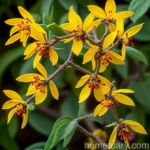
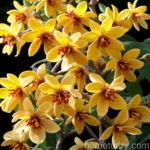
Witch hazel (Hamamelis x intermedia ‘Arnold Promise’) is a woody shrub that belongs to the Hamamelidaceae family. It is a hybrid of two species, Hamamelis japonica and Hamamelis mollis, and exhibits characteristics derived from both parents. The ‘Arnold Promise’ cultivar is particularly renowned for its abundant, fragrant, and vibrant yellow flowers that bloom in late winter to early spring. This striking display of color against the backdrop of a winter landscape makes witch hazel a coveted addition to gardens.
The plant’s common name, “witch hazel,” is derived from the Old English “wyche,” meaning flexible, and the Middle English “wych,” which refers to the bendable nature of the plant’s branches. The term “hazel” is a reference to its resemblance to the hazelnut tree, although it is not botanically related to the hazel family.
Witch hazel’s unique combination of attributes, including its ornamental value and medicinal properties, has contributed to its widespread popularity among gardeners and natural health practitioners. As we venture into the world of witch hazel, we will explore the essential aspects of its care, uses, and potential challenges.
Key Takeaways – Witch Hazel (Hamamelis x intermedia ‘Arnold Promise’)
Before delving into the intricacies of caring for witch hazel, let’s summarize the key takeaways about this captivating plant:
- Botanical Name: Hamamelis x intermedia ‘Arnold Promise’
- Common Name: Witch Hazel
- Characteristics: Abundant, fragrant, and vibrant yellow flowers; deciduous shrub; notable winter blooms
- Uses: Ornamental garden plant; herbal medicine; landscaping feature
- Cultural Requirements: Moist, well-drained soil; partial shade to full sun; minimal pruning
- Challenges: Susceptibility to certain diseases and pests
- Popularity: Widely appreciated for its winter blooms and medicinal properties
Now that we have an overview of witch hazel, let’s delve deeper into its cultural requirements, uses, potential challenges, and more.
Culture
Caring for witch hazel (Hamamelis x intermedia ‘Arnold Promise’) involves understanding its specific cultural requirements. From the plant’s preferred growing conditions to its maintenance needs, here’s what you need to know to ensure your witch hazel thrives.
Water
Proper watering is crucial to the health and vitality of witch hazel. While it is essential to keep the plant adequately hydrated, it is equally important to prevent waterlogging, which can lead to root rot. Here are some guidelines for watering witch hazel:
- Established Plants: Once established, witch hazel generally thrives in average, well-drained soil. Water the plant regularly, ensuring that the soil remains consistently moist but not waterlogged.
- Young Plants: Newly planted witch hazel should be watered more frequently to aid in the establishment of the root system. Provide ample water without saturating the soil.
- Mulching: Applying a layer of organic mulch around the base of the plant can help retain soil moisture and regulate temperature.
Sunlight
Witch hazel (Hamamelis x intermedia ‘Arnold Promise’) thrives in a variety of lighting conditions, making it a versatile addition to different garden settings. Consider the following sunlight requirements when positioning your witch hazel:
- Partial Shade to Full Sun: Witch hazel exhibits remarkable adaptability to varying light conditions. While it can flourish in partial shade, it also performs well in full sun. Provide adequate sunlight for healthy growth and prolific blooming.
Fertilizer
Proper fertilization supports the growth and blooming of witch hazel. Understanding when and how to fertilize the plant is essential for maintaining its vigor and promoting flowering:
- Spring Application: Apply a balanced, slow-release fertilizer in early spring before new growth emerges. This will provide the necessary nutrients for the upcoming growing season.
- Organic Matter: Incorporating organic matter into the soil, such as compost or well-rotted manure, can enhance soil fertility and contribute to the long-term health of witch hazel.
Soil
The right soil conditions play a pivotal role in the overall well-being of witch hazel. By understanding the plant’s soil preferences, you can create an optimal environment for its growth:
- Well-Drained Soil: Witch hazel thrives in moist, well-drained soil. Ensure that the planting site allows excess water to flow away from the roots, preventing waterlogging.
- Soil pH: The plant adapts well to a slightly acidic to neutral pH range. Aim for a pH level between 5.5 and 7 for optimal growth.
Pruning
Pruning witch hazel should be approached with minimal intervention to preserve its natural form and maximize its ornamental appeal. Follow these guidelines for successful pruning:
- Pruning Time: Minimal pruning is typically necessary. If pruning is required, it is best done immediately after flowering to avoid trimming off potential flower buds.
- Dead or Damaged Wood: Remove any dead or damaged wood to maintain the health and appearance of the plant.
Propagation
The propagation of witch hazel (Hamamelis x intermedia ‘Arnold Promise’) can be achieved through various methods, including seeds, cuttings, and layering. Consider the following propagation techniques when seeking to propagate the plant:
- Softwood Cuttings: Take softwood cuttings in early summer and propagate them under controlled conditions with high humidity.
- Layering: Air layering is a viable method for propagating witch hazel. Select a healthy, low-hanging branch and induce root formation by wrapping a section of the stem with moss and a rooting hormone.
Container Popularity
Witch hazel can thrive in containers, offering a versatile and attractive option for gardeners with limited space or those seeking to create visual interest on patios and balconies. The following considerations are crucial for successfully growing witch hazel in containers:
- Container Size: Use a sizable container that accommodates the plant’s root system and provides ample room for growth. Ensure that the container has drainage holes to prevent waterlogging.
- Well-Draining Soil: Choose a well-draining potting mix to maintain adequate moisture levels while preventing waterlogging. Consider adding perlite or sand to improve drainage.
Now that we’ve covered the cultural aspects of witch hazel care, let’s turn our attention to common diseases, pests, and tips from botanists for effective plant management.
Common Diseases
While witch hazel is generally resilient, it can be susceptible to certain diseases that warrant attention. Recognizing common diseases and understanding their management is vital for preserving the health of the plant:
Disease Diagnosis
Some common diseases may affect witch hazel, and prompt identification and intervention are crucial for mitigating their impact. Here are a few diseases to be aware of:
- Powdery Mildew: A fungal disease that typically appears as a white, powdery coating on the leaves. Ensure good air circulation and consider applying fungicidal treatments if the disease emerges.
- Leaf Spot: Characterized by dark, rounded lesions on the foliage, leaf spot can be managed by ensuring proper air circulation and practicing good sanitation.
Common Pests
Pests can pose a threat to the well-being of witch hazel, necessitating vigilant monitoring and appropriate intervention measures. Be on the lookout for the following common pests:
- Aphids: These small insects can congregate on the undersides of leaves and feed on plant sap. Regularly inspect the foliage and use insecticidal soap if aphid populations become problematic.
- Scale Insects: Scale insects can attach themselves to the stems and foliage, causing yellowing and weakening of the plant. Control measures may include pruning infested areas and applying horticultural oil.
Botanist’s Tips
Drawing upon the expertise of botanists and horticultural specialists provides valuable insights into the optimal care and management of witch hazel. Consider the following tips for successfully growing and maintaining this remarkable plant:
- Soil Moisture: Maintain consistent soil moisture levels, particularly during the initial establishment phase and dry periods. Regularly check the moisture level and adjust watering as needed.
- Pruning Considerations: Exercise restraint when pruning witch hazel. Minimal intervention is generally preferred to preserve the plant’s natural form and encourage abundant blooming.
Fun Facts
Discovering fascinating facts about witch hazel (Hamamelis x intermedia ‘Arnold Promise’) adds depth to our appreciation of this extraordinary plant. Here are some intriguing fun facts:
- Medicinal Uses: Witch hazel has a rich history of medicinal use, particularly in Native American and traditional medicine. Its extract is valued for its astringent and anti-inflammatory properties.
- Fragrance: The flowers of ‘Arnold Promise’ emit a delightful fragrance, attracting pollinators and adding sensory appeal to gardens.
- Winter Blooms: Witch hazel’s ability to bloom in the heart of winter is a rare and welcome sight, providing vibrant color during a season often characterized by dormancy.
Links to External Resources
To further expand your knowledge and appreciation of witch hazel, explore the following external resources:
- Royal Horticultural Society – Witch Hazel
- University of Maryland Medical Center – Witch Hazel
- The Morton Arboretum – Growing Witch Hazel
- Missouri Botanical Garden – Hamamelis x intermedia ‘Arnold Promise’
In conclusion, witch hazel (Hamamelis x intermedia ‘Arnold Promise’) stands as a captivating and valuable addition to gardens and landscapes. As we’ve explored the plant’s cultural requirements, uses, potential challenges, and intriguing characteristics, we’ve gained a deeper understanding of how to care for and appreciate this exceptional plant. Whether admired for its winter blooms, utilized in herbal medicine, or cherished as an ornamental feature, witch hazel enriches our natural surroundings and offers a wealth of benefits to both gardeners and nature enthusiasts.
As you embark on your journey with witch hazel, apply the insights and practical tips shared in this guide to foster the vibrant health and beauty of this remarkable plant. With its unique blend of ornamental and medicinal qualities, this hybrid marvels with its resilience and elegance, embodying the rich tapestry of nature’s diversity and splendor.