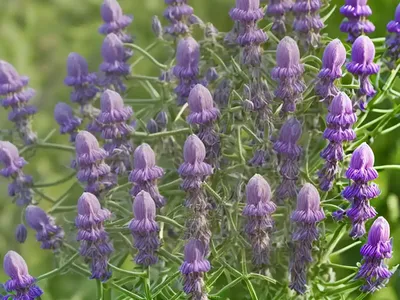
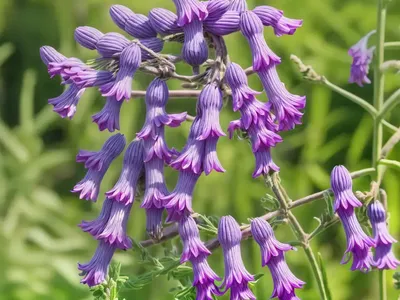
Hungarian Vetch (Vicia Pannonica)
As a plant scientist, I have always been fascinated by the diverse world of plants. Plants not only contribute significantly to the ecological balance but.
Introduction
As a plant scientist, I have always been fascinated by the diverse world of plants. Plants not only contribute significantly to the ecological balance but also have various uses for humans, animals, and the environment. In this extensive guide, I will delve into the world of Hungarian Vetch, scientifically known as Vicia pannonica, to provide a comprehensive understanding of its characteristics, uses, cultivation, and much more.
What is Hungarian Vetch (Vicia pannonica)?
Hungarian Vetch, also scientifically referred to as Vicia pannonica, is a species of vetch, a member of the pea family (Fabaceae). It is a cool-season annual legume that holds significant ecological and agricultural value.
Hungarian Vetch Benefits
- Nitrogen Fixation: Hungarian Vetch has the remarkable ability to fix atmospheric nitrogen through its symbiotic relationship with soil bacteria. This makes it an excellent natural fertilizer for the soil and an ideal cover crop for enhancing soil fertility.
- Wildlife Attraction: The flowering period of Hungarian Vetch attracts various pollinators, including bees and butterflies. Additionally, its seeds serve as a valuable food source for wildlife, contributing to the overall biodiversity of an area.
- Seed Dispersal: The seed dispersal mechanism of Hungarian Vetch aids in its natural propagation and distribution in suitable habitats.
Vicia pannonica Characteristics
- Botanical Name: Vicia pannonica
- Growth Habit: Hungarian Vetch is a climbing or sprawling annual legume that can reach a height of up to 3 feet (about 1 meter).
- Foliage: The leaves of Hungarian Vetch are pinnate, consisting of several small leaflets, and typically alternate along the stem.
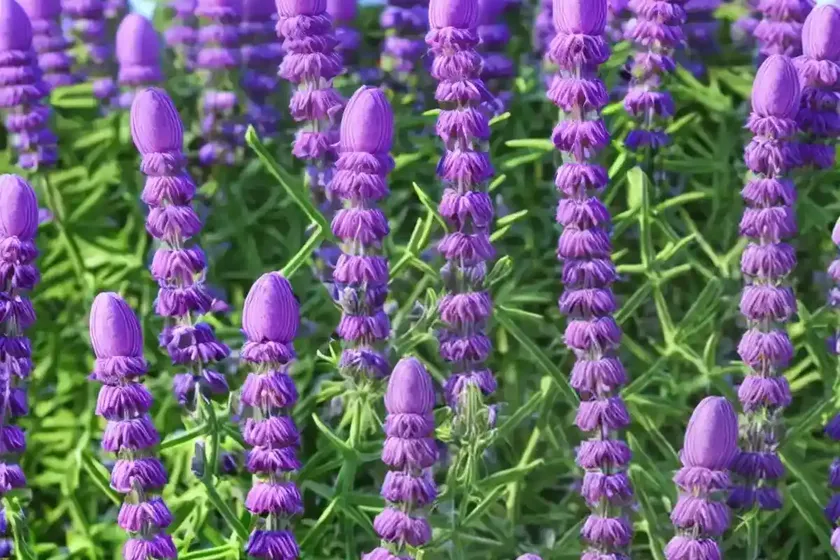
- Flowers: The flowers of Hungarian Vetch are small and characteristic of leguminous plants, bearing the typical pea-like appearance.
Hungarian Vetch Uses
Hungarian Vetch serves various purposes, ranging from agricultural and ecological to medicinal and ornamental uses. Its primary uses include:
– Cover Crop: Hungarian Vetch is often utilized as a cover crop to enhance soil fertility, suppress weeds, and prevent erosion.
– Forage: Livestock can graze on Hungarian Vetch, which contributes to its role as a valuable forage crop.
– Nitrogen Fixation: Its ability to fix atmospheric nitrogen contributes to its use in crop rotation and as a natural soil amendment.
Hungarian Vetch Growth Requirements
Water
Hungarian Vetch exhibits moderate water requirements and can tolerate relatively dry conditions. It thrives in well-drained soils and is capable of moderate drought tolerance once established.
Sunlight
Hungarian Vetch prefers full sun to partial shade, making it adaptable to various light conditions. However, adequate sunlight is essential for optimal growth and flowering.
Fertilizer
Being a leguminous plant, Hungarian Vetch has the natural ability to fix nitrogen from the atmosphere. Therefore, it typically has low fertilizer requirements. However, ensuring a balanced soil pH and nutrient levels is important for its growth.
Soil
Hungarian Vetch thrives in well-drained, moderately fertile soils. It can adapt to a wide range of soil types, including loam, sandy, and clay soils, but it performs best in soils with good organic matter content.
Hungarian Vetch Plant Care
For successful cultivation and plant care, there are several considerations to keep in mind when growing Hungarian Vetch.
-
Planting Tips: Hungarian Vetch seeds can be directly sown into the soil in early spring or late summer, depending on the climatic conditions. The recommended seeding depth is typically around ½ to 1 inch.
-
Pruning: Hungarian Vetch generally does not require pruning in typical garden or agricultural settings. However, removing any dead or damaged plant material can help maintain plant health.
-
Propagation: Hungarian Vetch can be propagated by seed, and it can readily self-seed under favorable conditions.
-
Container Popularity: While Hungarian Vetch is not commonly grown in containers due to its sprawling growth habit, it can be grown in larger containers to serve as a green cover or as a component of an ecological container garden.
Vicia pannonica Cultivation
Cultivating Hungarian Vetch can be a rewarding experience, whether for agricultural, ecological, or ornamental purposes.
Common Diseases
Hungarian Vetch is susceptible to various diseases, including:
– Powdery Mildew (Erysiphe cruciferarum): A fungal disease that can affect the foliage of Hungarian Vetch, leading to a powdery white appearance on the leaves.
– Root Rots: Various soil-borne pathogens can cause root rots in Hungarian Vetch, potentially leading to wilting and decline.
Disease Diagnosis
Identifying and diagnosing diseases in Hungarian Vetch involves careful observation of symptoms, including leaf discoloration, wilting, and the presence of fungal growth. Proper disease diagnosis is crucial for implementing effective management strategies.
Common Pests
Hungarian Vetch may attract certain pests, including:
– Aphids: These small insects can colonize the foliage of Hungarian Vetch, leading to stunted growth and potential virus transmission.
– Bean Leaf Beetle (Cerotoma trifurcata): The adult beetles and larvae can feed on the foliage and pods of Hungarian Vetch, causing damage to the plants.
Botanist’s Tips
To ensure the successful cultivation of Hungarian Vetch, botanist’s tips and best practices can be invaluable. These may include:
– Companion Planting: Pairing Hungarian Vetch with compatible companion plants can enhance its growth and contribute to ecological balance.
– Weed Control: Implementing effective weed control measures in Hungarian Vetch stands is crucial to prevent competition and maximize productivity.
– Conservation Efforts: Integrating Hungarian Vetch into conservation and restoration efforts can contribute to ecological sustainability and habitat restoration.
Fun Facts
- The legume family, to which Hungarian Vetch belongs, encompasses a diverse array of plants with significant ecological, agricultural, and culinary importance.
- Hungarian Vetch has a rich history of traditional uses, including its role in ancient agricultural practices and medicinal applications.
Links to External Resources
- USDA Plants Database
- Royal Botanic Gardens, Kew
- Missouri Botanical Garden
- The Plant List
- International Legume Database & Information Service (ILDIS)
In conclusion, Hungarian Vetch (Vicia pannonica) stands as a valuable plant species with diverse ecological, agricultural, and ornamental uses. Its unique characteristics, growth requirements, and cultivation considerations make it a fascinating subject for botanists, gardeners, and conservationists. By understanding the various aspects of Hungarian Vetch, we can appreciate its ecological importance and contribute to its sustainable integration into diverse landscapes and ecosystems.