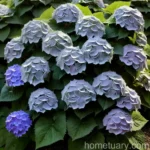
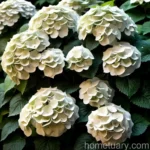
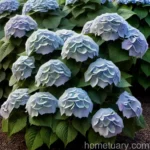
Hydrangea (Hydrangea ‘SMNHSC’ LET’S DANCE ¡ARRIBA!)
Hydrangeas are renowned for their stunning clusters of flowers and their diverse range of colors, making them a beloved addition to many gardens and landscapes. In this comprehensive guide, we will delve into the mesmerizing world of hydrangeas, exploring their culture, uses, care instructions, common diseases, and much more. This article aims to be the go-to resource for all things related to the cultivation of hydrangeas, offering valuable insights for gardening enthusiasts and plant lovers.
What is Hydrangea?
Hydrangea, formally known as Hydrangea macrophylla LET’S DANCE ¡ARRIBA! (‘SMNHSC’), belongs to the Hydrangeaceae family and is native to Japan, China, and Korea. This deciduous shrub is renowned for its showy, intricate flower clusters, which can range from delicate pastels to vibrant shades of blue, pink, or purple. The distinctively large, serrated leaves and robust growth habit of hydrangeas make them an excellent choice for adding texture and visual interest to gardens and landscapes.
Key Takeaways
Hydrangea Culture
- Hydrangeas are decorative shrubs known for their large, showy flower clusters.
- They belong to the Hydrangeaceae family and are native to Asia.
- Hydrangeas are deciduous plants with serrated, broad leaves.
- The flowers of hydrangeas can range from delicate pastels to vibrant shades of blue, pink, or purple.
Hydrangea Uses
- Hydrangeas are popular as ornamental plants in gardens and landscapes.
- They can be used for fresh and dried floral arrangements.
- The pH of the soil can influence the flower color of some hydrangea varieties.
Now, let’s explore the various aspects of caring for hydrangeas, including their water and sunlight requirements, fertilizer needs, soil preferences, pruning techniques, propagation methods, common diseases, and popular varieties.
Hydrangea Care Instructions
When it comes to providing the best care for hydrangeas, it’s essential to understand their specific needs and requirements. From watering schedules to soil acidity, each aspect contributes to the overall health and vitality of these stunning plants. Let’s delve into the various care instructions for hydrangeas, ensuring that they thrive and flourish in your garden.
Water
- Hydrangeas require consistent moisture, especially during the growing season.
- Deep, thorough watering is preferable to frequent shallow watering.
- Avoid waterlogged soil, as it can lead to root rot and other issues.
- Mulching can help retain soil moisture, reducing the frequency of watering.
Sunlight
- Hydrangeas generally prefer morning sun with some afternoon shade.
- In hotter climates, hydrangeas benefit from dappled shade or protection from intense midday sun.
- Adequate sunlight is essential for robust growth and prolific flowering.
Fertilizer
- Fertilize hydrangeas in early spring with a balanced, slow-release fertilizer.
- Avoid excessive nitrogen, as it can promote lush foliage at the expense of flowers.
- Phosphorus promotes blooming, making it a crucial component of the fertilizer.
Soil
- Hydrangeas thrive in well-draining, moisture-retentive soil.
- The ideal soil pH for hydrangeas varies based on the desired flower color.
- Acidic soil (pH 5.2-5.5) promotes blue flowers, while alkaline soil (pH 6.0-6.2) yields pink blooms.
- Amending the soil with organic matter can improve its texture and fertility.
Pruning
- Prune hydrangeas immediately after flowering to encourage new growth.
- Remove spent blooms to redirect the plant’s energy into producing new flower buds.
- Pruning requirements may vary based on the specific hydrangea variety.
Propagation
- Hydrangeas can be propagated from semi-hardwood cuttings in late summer or early autumn.
- Rooting hormone can enhance the success rate of cuttings.
- Division and layering are alternative methods of hydrangea propagation.
Hydrangea Varieties
One of the most enchanting aspects of hydrangeas is the incredible diversity of varieties available, each with its unique charm and characteristics. From lacecap to mophead hydrangeas, the array of options allows gardeners to select the perfect variety for their desired aesthetic and growing conditions. Let’s explore some notable hydrangea varieties and their distinguishing features.
| Variety | Flower Type | Color | Notable Feature |
|---|---|---|---|
| ‘Annabelle’ | Mophead | White | Large, round flower heads |
| ‘Nikko Blue’ | Mophead | Blue | Rich, vibrant blue blooms |
| ‘Endless Summer’ | Mophead | Pink or blue | Repeat blooming throughout the season |
| ‘Teller White’ | Lacecap | White | Subtle, delicate flower clusters |
| ‘Twist-n-Shout’ | Lacecap | Pink or blue | Reblooming lacecap with vivid colors |
| ‘Limelight’ | Panicle | Green or pink | Unique lime-green blooms changing to pink |
| ‘Pee Gee’ | Panicle | White | Conical flower clusters in late summer |
| ‘Incrediball’ | Mophead | White | Giant, sturdy flower heads |
| ‘BloomStruck’ | Mophead | Rose-pink | Strong stems and striking red-purple stems |
| ‘Fire Light’ | Panicle | White to red | Blooms open white and age to deep red |
Hydrangea Pruning Tips
Pruning hydrangeas is an essential aspect of their care, as it can influence flowering, shape, and overall plant health. Different hydrangea varieties may have specific pruning requirements, and understanding the best techniques for each type is crucial for maintaining their vigor and enhancing their visual appeal. Here are some pruning tips tailored to different hydrangea varieties:
Mophead and Lacecap Hydrangeas
- Prune these varieties immediately after flowering to remove spent blooms and encourage new growth.
- Cut back the stems to a pair of healthy, outward-facing buds to shape the plant and promote bushiness.
- Avoid drastic pruning in the fall or winter, as it can remove potential flower buds.
Panicle Hydrangeas
- Prune panicle hydrangeas in late winter or early spring before new growth emerges.
- Remove old, woody stems and weak growth to stimulate vigorous flowering and healthy foliage growth.
- The vigorous nature of panicle hydrangeas allows for more extensive pruning to control size and shape.
By following these specific pruning guidelines for each hydrangea variety, gardeners can optimize flowering and growth, ensuring the best possible performance from these exquisite plants.
Best Soil for Hydrangeas
As with many plants, soil composition and pH play pivotal roles in the health and vitality of hydrangeas. Understanding the type of soil that best suits hydrangeas and how pH influences flower color can provide valuable insights into optimizing their growth and enhancing their visual impact. Let’s delve into the best soil for hydrangeas and its importance in supporting their well-being.
Soil Composition
- Hydrangeas thrive in well-draining soil with good moisture-retention capabilities.
- A mixture of organic matter, such as compost or peat moss, can improve soil texture and fertility.
- Sandy soils can be amended with organic matter to enhance water retention.
Soil pH and Flower Color
- Soil pH significantly affects the flower color of certain hydrangea varieties, adding an exciting dimension to their cultivation.
- Acidic soil with a pH of 5.2-5.5 results in blue flowers, as aluminum becomes more available to the plant.
- Alkaline soil with a pH of 6.0-6.2 yields pink blooms, as aluminum availability decreases.
Understanding the soil preferences and pH-related color changes in hydrangeas allows gardeners to create optimal growing conditions, enabling these captivating plants to showcase their stunning array of colors to their fullest potential.
Hydrangea Diseases and Pests
While hydrangeas are generally robust and resilient, they can be susceptible to certain diseases and pests that may affect their vitality and appearance. Recognizing the signs of common hydrangea ailments and implementing appropriate preventive measures can help safeguard these plants and ensure their continued well-being. Let’s explore some prevalent diseases and pests that hydrangeas may encounter and how to address them effectively.
Common Diseases
- Powdery Mildew:
- Characterized by a white, powdery coating on the leaves and stems.
- Ensure good air circulation and consider fungicidal treatments for severe cases.
-
Avoid overhead watering to minimize moisture on the foliage.
-
Botrytis Blight:
- Caused by the fungus Botrytis cinerea, leading to brown, water-soaked spots on the flowers and leaves.
- Remove and dispose of affected plant parts to prevent the spread of the disease.
-
Maintain proper spacing between plants to improve air circulation.
-
Cercospora Leaf Spot:
- Identified by purple-hued spots with a tan or gray center on the leaves.
- Remove and destroy infected foliage and consider fungicidal treatments for severe cases.
- Avoid overhead watering and promote good air circulation within the plant canopy.
Disease Diagnosis
- To accurately diagnose hydrangea diseases, it’s essential to recognize the specific symptoms and conduct a thorough examination of the plant.
- Symptoms such as leaf discoloration, spots, powdery coatings, or unusual growth patterns can provide valuable clues about the nature of the disease.
- Consulting with a local horticulturist or agricultural extension service can offer expert guidance for disease diagnosis and management.
Common Pests
- Aphids:
- Small, sap-sucking insects that can cause stunted growth and distorted foliage.
- Insecticidal soaps or horticultural oils can effectively control aphid populations.
-
Encouraging natural predators, such as ladybugs, can help manage aphid infestations.
-
Spider Mites:
- Tiny arachnids that create fine webbing and cause stippled, discolored leaves.
- Regularly spraying the foliage with water can deter spider mites and reduce their populations.
- Predatory mites and insecticidal treatments can aid in controlling spider mite infestations.
By being vigilant and proactive in monitoring for signs of diseases and pests, gardeners can intervene early and minimize the impact of these challenges on the health and beauty of their cherished hydrangeas.
Botanist’s Tips
As a plant scientist, I’ve observed and studied hydrangeas extensively, gaining valuable insights into their cultivation, growth habits, and nuances. Based on my experience and expertise, here are some essential tips for successfully growing and caring for hydrangeas:
- Soil Preparation:
- Ensure the soil is well-draining and rich in organic matter to support robust growth.
-
Regularly amend the soil with compost or peat moss to maintain fertility and structure.
-
Watering Practices:
- Provide consistent moisture, avoiding both drought stress and waterlogged conditions.
-
Mulching can aid in moisture retention and weed suppression while moderating soil temperature.
-
Pruning Techniques:
- Tailor pruning practices based on the specific hydrangea variety to optimize flowering and shape.
-
For mature plants, selectively remove old, weak, or damaged stems to encourage vigorous growth.
-
Soil Testing:
- Regularly test the soil pH to monitor and adjust acidity or alkalinity, influencing flower color.
-
Implement targeted amendments based on the desired flower color, achieving vibrant blooms.
-
Disease Management:
- Practice good sanitation by promptly removing and disposing of diseased plant parts.
- Implement preventive measures, such as adequate spacing and proper watering, to mitigate disease risks.
By incorporating these botanist’s tips into your approach to hydrangea care, you can enhance the health, vitality, and aesthetic appeal of these captivating plants, retaining their beauty and charm throughout the seasons.
Fun Facts
- The name “hydrangea” is derived from the Greek words “hydor” (water) and “angos” (vessel), referencing the plant’s preference for moist soil.
- In traditional folklore, hydrangeas are associated with various meanings, including heartfelt emotions, gratitude, and apology, based on the flower color and cultural interpretations.
- Some hydrangea varieties exhibit the fascinating ability to change flower colors based on the soil pH, adding an intriguing element to their cultivation.
- The intricate flower clusters of hydrangeas are composed of both showy, sterile florets and smaller, fertile blooms, contributing to their ornamental allure.
Links to External Resources
For further exploration and in-depth information on hydrangeas, consider accessing the following external resources:
-
American Hydrangea Society: A valuable hub for hydrangea enthusiasts, offering extensive resources, articles, and community connections.
-
University of Missouri Extension – Growing Hydrangeas: A comprehensive guide to growing and caring for hydrangeas, covering various aspects of cultivation and maintenance.
-
Royal Horticultural Society – Hydrangeas: An authoritative source of horticultural guidance, featuring detailed information on hydrangeas and their cultivation.
-
The Spruce – Hydrangea Plant Profile: An informative overview of hydrangeas, including insights into their diverse varieties and cultivation requirements.
-
Missouri Botanical Garden – Hydrangea Care: Visual guides and expert advice on caring for hydrangeas, fostering your understanding of their unique needs.
In conclusion, hydrangeas captivate with their opulent flowers, diverse varieties, and intriguing cultural significance. By embracing the nuances of their culture, understanding their specific care instructions, and recognizing their place in the botanical world, we can revel in the enchanting beauty and enduring allure of these remarkable plants. Whether adorning gardens, gracing bouquets, or lending their charm to landscapes, hydrangeas continue to hold a cherished place in the hearts of plant enthusiasts and admirers worldwide.
Keywords: Hydrangea care instructions, Hydrangea varieties, Growing Hydrangea plants, Hydrangea pruning tips, Best soil for Hydrangeas, Hydrangea diseases and pests, Hydrangea watering needs, How to propagate Hydrangeas, Hydrangea planting guide, Hydrangea sunlight requirements, Hydrangea fertilization techniques, Hydrangea bloom colors, Hydrangea container gardening, Hydrangea gardening tips, Hydrangea pH levels, Hydrangea winter care, Hydrangea leaf problems, Unique Hydrangea varieties, Hydrangea diseases and treatments, Hydrangea pruning techniques, Growing Hydrangeas in pots, Hydrangea soil acidity, Hydrangea insect control, Hydrangea companion planting, Hydrangea watering schedule, Propagating Hydrangeas from cuttings, Hydrangea planting tips, Hydrangea sun exposure needs, Hydrangea fertilization schedule, Hydrangea flower color change, Hydrangea container gardening ideas, Using Hydrangeas in landscape design, Hydrangea flower arrangement ideas, Hydrangea garden design tips, Hydrangea pruning season, Hydrangea container gardening tips, Hydrangea winter protection, Hydrangea leaf discoloration, Rare Hydrangea varieties, Hydrangea disease prevention, Hydrangea pruning shears, Hydrangea care in winter, Changing Hydrangea flower color, Hydrangea container gardening techniques, Hydrangea landscaping inspiration, Hydrangea flower arrangement tips, Hydrangea garden maintenance