Witch Hazel (Hamamelis x intermedia ‘Gingerbread’): A Comprehensive Guide
Introduction
Witch hazel (Hamamelis x intermedia ‘Gingerbread’) is an intriguing and versatile plant that offers a wide array of uses, from landscaping to skincare. In this comprehensive guide, we will explore the key aspects of this remarkable plant, including its culture, uses, maintenance, and propagation. We will delve into the specifics of growing and caring for witch hazel, as well as its medicinal and cosmetic applications. Whether you are a gardening enthusiast, a skincare aficionado, or simply curious about this captivating plant, this guide will provide valuable insights into the world of witch hazel.
What is Witch Hazel (Hamamelis x intermedia ‘Gingerbread’)?
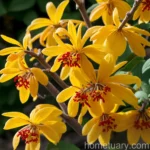
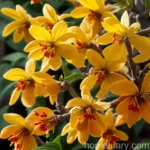
Before diving into the intricacies of cultivating and utilizing witch hazel, let’s first gain an understanding of this fascinating plant. Witch hazel, scientifically known as Hamamelis x intermedia ‘Gingerbread’, is a deciduous shrub that belongs to the Hamamelidaceae family. This hybrid variety is prized for its remarkable foliage, vibrant flowers, and distinct fragrance. It is a popular choice for gardens, parks, and natural landscapes due to its ornamental appeal and versatile characteristics.
Key Takeaways – Witch Hazel (Hamamelis x intermedia ‘Gingerbread’)
- Botanical Name: Hamamelis x intermedia ‘Gingerbread’
- Common Name: Witch Hazel
- Type: Deciduous shrub
- Family: Hamamelidaceae
- Cultivar: ‘Gingerbread’
- Uses: Landscaping, medicinal purposes, skincare
Culture
Water
Witch hazel plants thrive in moist but well-drained soil. While they can tolerate short periods of drought, consistent watering is essential, particularly during the establishment phase. Adequate moisture levels are crucial for promoting healthy growth and blooming.
Sunlight
When it comes to sunlight requirements, witch hazel prefers partial shade to full sun. Providing the plant with sufficient sunlight is crucial for ensuring robust flowering and overall vitality. However, in regions with intense summer heat, partial shade can help protect the plant from excessive sun exposure.
Soil
The ideal soil for witch hazel is loamy and slightly acidic, with good drainage. Incorporating organic matter into the soil can enhance its texture and fertility, providing an optimal growing medium for the plant. Additionally, maintaining a slightly acidic pH level (around 5.5 to 6.5) is beneficial for promoting healthy growth and blooming.
Fertilizer
Applying a balanced, slow-release fertilizer in early spring can provide the necessary nutrients for witch hazel plants. Opt for a fertilizer with a balanced NPK ratio, such as 10-10-10, and follow the recommended application guidelines. Avoid over-fertilization, as excessive nutrients can negatively impact the plant’s health.
Pruning
Pruning witch hazel is typically done after flowering, as the plant blooms on the previous year’s growth. This timing allows you to shape the shrub, remove any dead or damaged wood, and maintain its overall health and appearance. Pruning can also help encourage a more compact growth habit and promote better blooming in the following year.
Propagation
Witch hazel can be propagated through several methods, including seed propagation, softwood cuttings, and layering. Each method has its own requirements and considerations, offering flexibility in propagating new plants from existing ones. Whether you are seeking to expand your garden or share the beauty of witch hazel with others, propagation can be an enriching and rewarding process.
Uses
Landscaping
Witch hazel is a cherished addition to landscapes and gardens, offering an exquisite display of flowers and foliage. Its vibrant blooms and attractive foliage make it a valuable ornamental plant, adding beauty and interest to outdoor spaces. Whether grown as a standalone specimen, in group plantings, or as part of a mixed border, witch hazel can enhance the visual appeal of any landscape.
Medicinal and Skincare Applications
Beyond its ornamental value, witch hazel is esteemed for its medicinal and skincare properties. The plant’s extract, derived from its leaves and bark, is renowned for its astringent, anti-inflammatory, and soothing properties. Witch hazel is used in various skincare products, including toners, cleansers, and ointments, due to its ability to tighten pores, reduce inflammation, and promote skin health. Its natural astringent effects make it an excellent choice for addressing various skin concerns, such as acne, eczema, and irritation.
Common Diseases
While witch hazel is relatively resilient, it can be susceptible to certain diseases and ailments. Being aware of potential issues and taking proactive measures can help maintain the plant’s health and vitality.
Disease Diagnosis
Common diseases that may affect witch hazel include:
– Powdery Mildew: A fungal infection that manifests as a white powdery growth on the leaves, usually in humid conditions.
– Leaf Spot: Caused by various fungi, leaf spot presents as dark or discolored spots on the foliage.
– Root Rot: Excessive moisture or poorly drained soil can lead to root rot, causing the plant to exhibit wilting, yellowing, or decline.
– Bacterial Blight: Characterized by wilted, discolored, or distorted leaves, bacterial blight can impact the overall vigor of the plant.
Common Pests
In addition to diseases, witch hazel can also fall prey to certain pests, including:
– Aphids: These tiny insects feed on the plant’s sap, potentially causing damage to the foliage and flowers.
– Scale Insects: Scale insects can attach themselves to the stems and leaves, excreting honeydew and leading to weak, stunted growth.
– Japanese Beetles: These beetles can chew on the plant’s foliage, causing significant damage if not managed effectively.
– Caterpillars: Certain caterpillar species may feed on the leaves of witch hazel, necessitating pest control measures if population levels become problematic.
Botanist’s Tips
Here are some expert tips for cultivating and caring for witch hazel:
– Select a suitable planting location that provides partial shade and well-drained, slightly acidic soil for optimal growth.
– Water the plant consistently, particularly during drier periods, to support healthy development and blooming.
– Prune witch hazel after flowering to shape the shrub and remove any dead or damaged wood, promoting its overall health and appearance.
– Consider incorporating witch hazel extract or products into your skincare routine, benefiting from its natural astringent and soothing properties.
Fun Facts
- Witch hazel extract has been utilized for centuries by various cultures for its medicinal and skincare benefits, showcasing its enduring popularity and efficacy.
- The name “witch hazel” is believed to have originated from the Middle English word “wicke,” meaning pliable or bendable, and “wych,” meaning flexible, alluding to the plant’s supple branches.
Links to External Resources
For further information on witch hazel, its cultivation, and uses, you can explore the following resources:
– Royal Horticultural Society – Witch Hazel Cultivation and Care
– American Academy of Dermatology Association – Skincare Benefits of Witch Hazel
– University of Maryland Medical Center – Medicinal Uses of Witch Hazel
With its captivating blooms, versatile applications, and rich history, witch hazel (Hamamelis x intermedia ‘Gingerbread’) continues to captivate plant enthusiasts and skincare aficionados alike. Whether adorning gardens with its vibrant presence or offering soothing relief in skincare formulations, this remarkable plant holds a cherished place in the world of horticulture and natural wellness.
Remember to share your experiences and insights on witch hazel, and stay tuned for more captivating plant profiles and gardening guides. Happy planting!
Disclaimer: The information provided in this guide is for educational and informational purposes. It is not intended as a substitute for professional advice or treatment. Always consult with qualified professionals regarding any medical concerns or treatments.