Narrow-Leaved Vetch (Vicia Sativa)
In the world of plants, there are numerous species that are valued for their uses in agriculture, gardening, and ecological restoration. One such plant is.
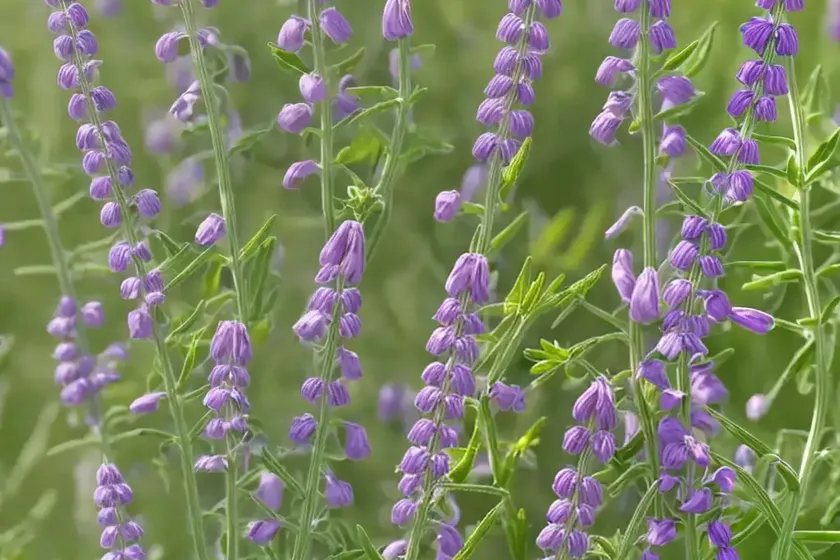
In the world of plants, there are numerous species that are valued for their uses in agriculture, gardening, and ecological restoration. One such plant is the narrow-leaved vetch (Vicia sativa), a member of the legume family (Fabaceae). In this comprehensive guide, we will delve into the characteristics, cultivation, uses, and ecological significance of this remarkable plant. From its benefits in agriculture to its historical significance and folklore, we will explore every aspect of the narrow-leaved vetch.
What is Narrow-Leaved Vetch (Vicia sativa)?
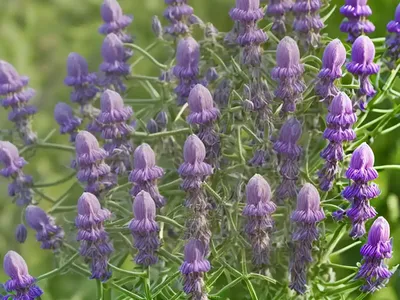
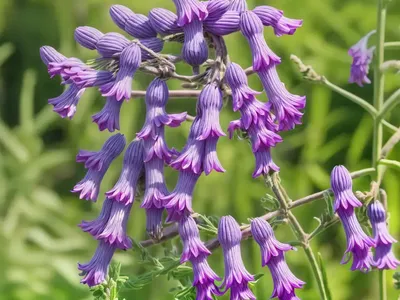
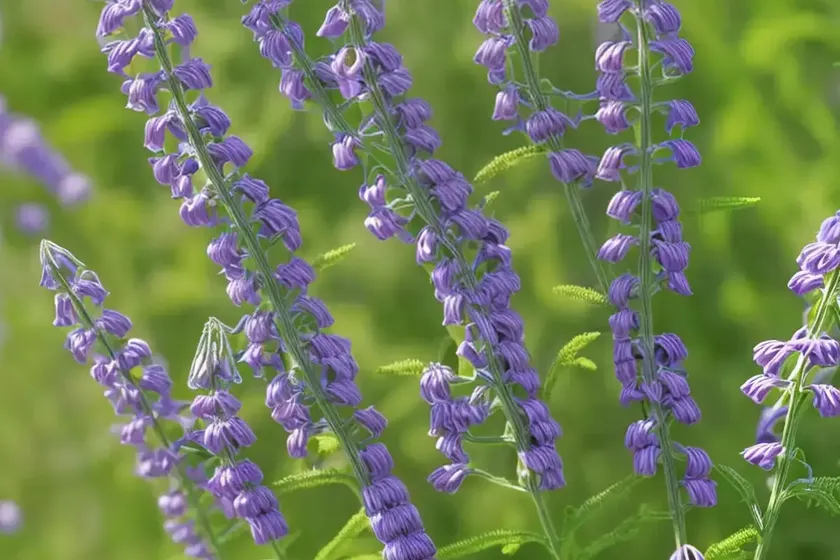
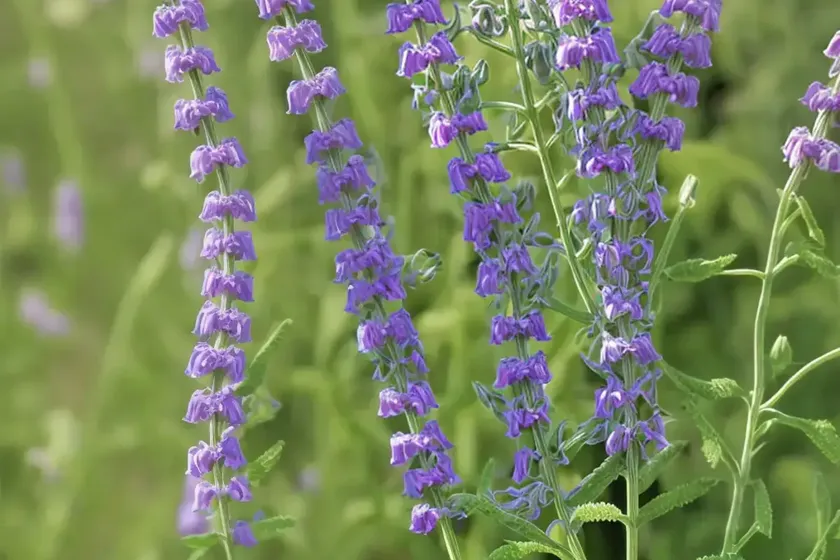
Narrow-leaved vetch, scientifically known as Vicia sativa, is an annual, self-pollinated flowering plant indigenous to Western Asia and the Mediterranean region. It is a leguminous plant that plays a crucial role in agroecosystems due to its ability to fix nitrogen in the soil and provide valuable forage for livestock. This plant is characterized by its slender, narrow leaves and dense clusters of small, colorful flowers. In addition to its agricultural significance, narrow-leaved vetch also has ecological importance as a cover crop, for erosion control, and in agroforestry systems.
Key Takeaways – Narrow-Leaved Vetch (Vicia sativa)
Before we dive into the specifics of growing and using narrow-leaved vetch, let’s take a look at the key takeaways regarding this plant.
- Scientific Name: Vicia sativa
- Family: Fabaceae
- Type: Annual leguminous plant
- Characteristics: Slender, narrow leaves; small, colorful flowers
- Cultural Uses: Forage, nitrogen fixation, cover crop
- Water: Moderate
- Sunlight: Full sun to partial shade
- Fertilizer: May require phosphorus and potassium
- Soil: Well-drained, fertile soil
- Pruning: Not applicable
- Propagation: From seeds
- Container Popularity: Moderate
- Common Diseases: Ascochyta blight, powdery mildew
- Common Pests: Aphids, leafhoppers
With the key takeaways in mind, let’s explore each aspect of narrow-leaved vetch in detail.
Culture
Water
Narrow-leaved vetch, like many leguminous plants, has moderate water requirements. It thrives in well-drained soil and can tolerate dry conditions once established. However, consistent moisture is important during the germination and establishment phases. Over-watering should be avoided as it can lead to root rot and other issues.
Sunlight
This plant prefers full sun to partial shade. In full sun, it tends to develop more robust growth and produce an abundance of flowers. However, it can also tolerate partial shade, making it suitable for a range of garden and agricultural settings.
Fertilizer
Narrow-leaved vetch has moderate fertility requirements. While it is capable of fixing atmospheric nitrogen through its symbiotic relationship with nitrogen-fixing bacteria, it may benefit from supplemental phosphorus and potassium, especially in soils with low levels of these nutrients. A soil test can provide specific recommendations for fertilization.
Soil
The ideal soil for narrow-leaved vetch is well-drained and fertile with a neutral to slightly alkaline pH. It does not thrive in waterlogged or compacted soils. Loamy soils with good organic matter content are particularly suitable for this plant.
Pruning
Pruning is generally not necessary for narrow-leaved vetch, especially when it is grown as a cover crop or for forage production. However, if it is cultivated in a garden setting and becomes unruly, it can be trimmed back to control its growth and maintain a more compact form.
Propagation
Narrow-leaved vetch is propagated from seeds. The seeds should be sown directly into the soil in late winter or early spring, depending on the local climate. Scarifying the seeds by gently abrading the seed coat can enhance germination rates. After sowing, the seeds should be lightly covered with soil and watered gently.
Container Popularity
While narrow-leaved vetch is often grown in field or garden settings, it can also be cultivated in containers. This is particularly useful for small-scale forage production or as a cover crop in urban or peri-urban environments. When grown in containers, it is important to use well-draining soil and provide adequate sunlight for the plants.
Uses
Forage
One of the primary uses of narrow-leaved vetch is as a forage plant for livestock. It provides a valuable source of protein and fiber and is often included in pasture mixes for grazing animals. When managed properly, it can contribute to the overall nutritional quality of the forage available to livestock.
Nitrogen Fixation
Like other legumes, narrow-leaved vetch has the remarkable ability to fix atmospheric nitrogen through its symbiotic relationship with rhizobia bacteria. This trait makes it an important component of crop rotations and cover cropping systems as it can improve soil fertility and reduce the need for synthetic nitrogen fertilizers.
Cover Crop
As a cover crop, narrow-leaved vetch offers several benefits including erosion control, weed suppression, and improvement of soil structure. Its dense root system helps to stabilize the soil and prevent nutrient leaching, making it an excellent choice for conservation-minded agricultural practices.
Common Diseases
As with any plant, narrow-leaved vetch is susceptible to certain diseases. Two common diseases that affect this plant are ascochyta blight and powdery mildew.
- Ascochyta Blight: This fungal disease can cause leaf spotting, stem lesions, and overall decline in plant vigor. Proper sanitation and crop rotation can help manage this disease.
- Powdery Mildew: Powdery mildew can appear as a white, powdery film on the leaves of narrow-leaved vetch. It can be managed through proper spacing and airflow, as well as the use of resistant varieties if available.
Disease Diagnosis
Diagnosing diseases in narrow-leaved vetch involves careful observation of the plant’s symptoms. If there are signs of leaf spots, discoloration, or unusual growth patterns, it is important to investigate further to determine the cause. Consultation with a plant pathologist or experienced agricultural extension agent can be valuable in diagnosing and managing plant diseases.
Common Pests
Among the common pests that can affect narrow-leaved vetch are aphids and leafhoppers. These insects can cause damage by feeding on the plant’s sap and transmitting certain plant diseases. Cultural practices, such as maintaining plant health and diversity, as well as the use of predatory insects, can help manage pest populations.
Botanist’s Tips
To ensure successful cultivation of narrow-leaved vetch, here are some tips from botanists and agricultural experts:
- Ensure proper inoculation of seeds with rhizobia bacteria to maximize nitrogen fixation.
- Monitor for signs of diseases and pests regularly to address issues promptly.
- Consider integrating narrow-leaved vetch into diverse crop rotations to optimize soil health and nutrient cycling.
Fun Facts
- In some regions, narrow-leaved vetch is also known as “spring vetch” due to its tendency to germinate and grow vigorously in the spring.
- The flowers of narrow-leaved vetch are attractive to pollinators, making it a beneficial plant for supporting local insect populations.
Links to External Resources
For further information on narrow-leaved vetch and related topics, consider exploring the following resources:
- USDA Plants Database
- The Legume Information System
- Extension Resources
- Journal of Plant Pathology & Microbiology
The extensive information available through these resources can provide valuable insights into plant cultivation, management, and research.
Conclusion
Narrow-leaved vetch (Vicia sativa) is a versatile plant with a wide range of agricultural, ecological, and cultural uses. From its role in sustainable agriculture to its value as a forage crop and cover crop, it offers numerous benefits to growers and the environment. Understanding its cultivation requirements, potential issues, and ecological impacts is crucial for harnessing the full potential of this remarkable plant. By incorporating narrow-leaved vetch into agricultural systems, we can promote soil health, enhance biodiversity, and contribute to sustainable land management practices.
For individuals interested in plant science, sustainable agriculture, and ecological restoration, narrow-leaved vetch stands as a testament to the importance of leguminous plants in diverse ecosystems. As we continue to explore the potential of such plants, we pave the way for a more resilient, inclusive, and sustainable approach to agriculture and environmental stewardship.
This comprehensive guide to narrow-leaved vetch (Vicia sativa) covers its cultural uses, cultivation requirements, common diseases, pests, and more. The information provided is designed to assist individuals involved in agriculture, gardening, and ecological restoration. For a deeper understanding of this plant, consider exploring the linked external resources.