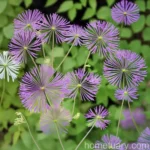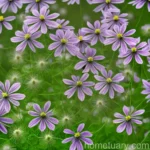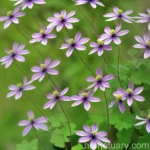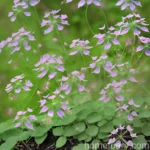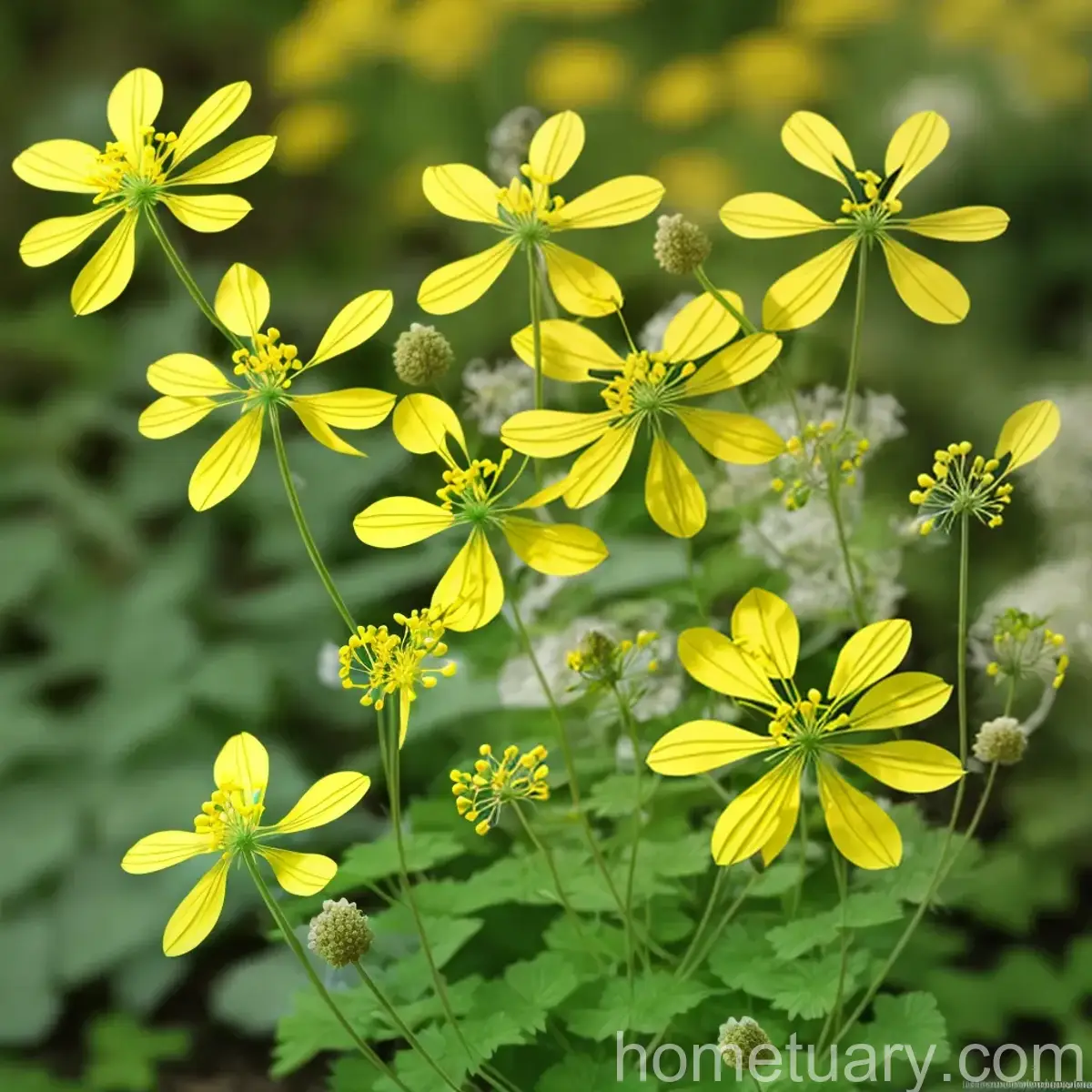
Thalictrum flavum subsp. glaucum (Yellow Meadow Rue)
Thalictrum flavum subsp. glaucum, commonly known as Yellow Meadow Rue, is a stunning and versatile perennial plant that can provide a beautiful addition to any garden or landscape. This plant belongs to the Ranunculaceae family and is native to Europe and Western Asia. Renowned for its delicate yellow flowers and ornamental foliage, Thalictrum flavum subsp. glaucum has become a favorite among gardeners and landscaping enthusiasts.
In this comprehensive guide, we will delve into the various aspects of cultivating and nurturing Thalictrum flavum subsp. glaucum, exploring its key characteristics, cultural requirements, uses, and maintenance tips. Whether you are a seasoned gardener or a novice plant enthusiast, this article is designed to equip you with the knowledge and insights needed to successfully grow and appreciate the beauty of Yellow Meadow Rue.
Key Takeaways – Thalictrum flavum subsp. glaucum (Yellow Meadow Rue)
Before we delve into the specifics of Thalictrum flavum subsp. glaucum, let’s highlight the key takeaways of this plant:
- Plant Name: Thalictrum flavum subsp. glaucum (Yellow Meadow Rue)
- Botanical Family: Ranunculaceae
- Common Names: Yellow Meadow Rue, Yellow Thalictrum
- Native Range: Europe and Western Asia
- Plant Type: Perennial
- Flower Color: Yellow
- Foliage: Ornamental, bluish-green
- USDA Hardiness Zones: 3-9
- Sunlight: Partial shade to full sun
- Soil: Moist, well-draining
- Uses: Ornamental gardens, borders, cut flowers
Now, let’s embark on a fascinating journey to uncover the world of Thalictrum flavum subsp. glaucum and gain valuable insights into its cultivation, maintenance, and utilization.
What is Thalictrum flavum subsp. glaucum?
Thalictrum flavum subsp. glaucum, also commonly known as Yellow Meadow Rue, is a herbaceous perennial plant renowned for its elegant appearance and vibrant yellow flowers. Belonging to the Ranunculaceae family, it is closely related to other species within the Thalictrum genus, which encompasses a diverse array of flowering plants.
The specimen Thalictrum flavum subsp. glaucum typically displays an upright growth habit, with graceful, finely dissected bluish-green foliage that imparts a delicate and lacy texture to the plant. From mid to late summer, it produces clusters of bright yellow flowers that rise above the foliage, creating a captivating display in the garden or landscape.
One of the distinguishing features of Thalictrum flavum subsp. glaucum is its ability to thrive in partially shaded areas, making it an excellent choice for brightening up spots in the garden that receive filtered sunlight. Additionally, this perennial plant is cherished for its versatility, as it can be utilized in various garden settings, including formal borders, woodland gardens, and naturalized areas.
Key Characteristics of Thalictrum flavum subsp. glaucum
- Foliage: Finely dissected, bluish-green leaves
- Flowers: Clusters of small, bright yellow flowers
- Height: Typically grows to a height of 3-6 feet
- Habit: Upright, clump-forming
Culture
Water
Thalictrum flavum subsp. glaucum thrives in consistently moist soil, making it crucial to provide adequate water to maintain optimal growing conditions. While it is important to avoid waterlogged conditions, especially in heavy clay soils, ensuring that the plant receives regular moisture is essential for promoting healthy growth and flowering.
A recommended approach is to water the plant deeply and infrequently, allowing the soil to partially dry out between waterings. This can be particularly beneficial during the warmer months, as adequate moisture levels can help prevent stress and promote vibrant foliage and prolific flowering.
Sunlight
When it comes to sunlight requirements, Thalictrum flavum subsp. glaucum thrives in partially shaded to full sun conditions. In regions with intense sun exposure, providing some afternoon shade can be beneficial, especially in warmer climates, to prevent excessive drying of the soil and foliage.
These preferences make Yellow Meadow Rue an excellent choice for gardeners looking to add a touch of color and elegance to areas that receive dappled sunlight, such as beneath deciduous trees or along the edges of woodland settings. The plant’s adaptability to varying light conditions contributes to its versatility and widespread appeal in different garden designs.
Soil
The ideal soil for Thalictrum flavum subsp. glaucum is rich, moist, and well-draining. While it can tolerate a range of soil types, including loamy and sandy soils, ensuring that the soil retains moisture without becoming waterlogged is paramount for the plant’s health and vigor.
Adding organic matter, such as compost or well-rotted manure, to the soil can enhance its water retention capabilities and provide essential nutrients for robust growth. Additionally, maintaining a slightly acidic to neutral pH level in the soil (pH 6.0-7.0) can further support the plant’s overall well-being and flowering performance.
Fertilizer
In terms of fertilizer applications, providing a balanced, slow-release fertilizer in early spring can help supply the necessary nutrients for Thalictrum flavum subsp. glaucum’s growth and blooming cycle. A general-purpose fertilizer with an NPK ratio of 10-10-10 or similar can be incorporated into the soil around the base of the plant, following the recommended dosage on the product label.
Furthermore, supplementing with organic fertilizers, such as compost tea or well-decomposed organic matter, can contribute to the long-term soil fertility and microbial activity, fostering a healthy and resilient growing environment for the plant.
Pruning
The maintenance of Thalictrum flavum subsp. glaucum typically involves minimal pruning, primarily focused on tidying up the plant and removing spent flower heads to encourage prolonged flowering and prevent self-sowing. As the flowering period concludes, trimming back the stalks to the base can promote a neat appearance and redirect the plant’s energy towards bolstering its root system and preparing for the following growing season.
After the plant’s foliage begins to decline in the fall, gently cutting it back to ground level can help prepare Thalictrum flavum subsp. glaucum for its dormant phase while keeping the garden tidy. Additionally, this practice can contribute to the overall health and vigor of the plant, reducing the risk of disease development and enhancing its aesthetic appeal during the dormant period.
Propagation
Propagating Thalictrum flavum subsp. glaucum can be achieved through several methods, including division, seed sowing, and root cuttings. Each approach offers unique advantages and can be tailored to suit the preferences and resources available to the gardener.
Division
Dividing mature clumps of Thalictrum flavum subsp. glaucum can be carried out in early spring or early fall, providing an efficient means of multiplying the plant and rejuvenating its growth. By carefully lifting the plant, separating the clumps into smaller sections, and replanting them in suitable locations, gardeners can propagate new specimens while also promoting the health and vitality of the parent plant.
Seed Propagation
Collecting seeds from the plant’s dried flower heads in the fall presents an opportunity to propagate Thalictrum flavum subsp. glaucum from seed. Sowing the seeds in a prepared seedbed or suitable containers in the fall or early spring can initiate the germination process, leading to the development of new plants that inherit the desirable traits of the parent plant.
Root Cuttings
Taking root cuttings from established Thalictrum flavum subsp. glaucum plants offers an alternative method for propagation, particularly in cases where division or seed propagation may not be suitable. By carefully obtaining sections of the plant’s root system and providing the appropriate conditions for root development, gardeners can generate new plants that closely resemble the original specimen.
Container Popularity
Thalictrum flavum subsp. glaucum’s graceful growth habit and elegant flowers make it a popular choice for container gardening, allowing individuals with limited garden space to enjoy its beauty and ornamental appeal. When selecting containers for Yellow Meadow Rue, it is essential to choose options that provide ample space for root development and sufficient depth to accommodate the plant’s vertical growth.
Additionally, ensuring that the container has drainage holes at the bottom can help prevent waterlogging and maintain optimal soil moisture levels. Incorporating high-quality, well-draining potting mix enriched with organic matter can provide the necessary growing medium for Thalictrum flavum subsp. glaucum to thrive in a container setting.
Common Diseases
While Thalictrum flavum subsp. glaucum is generally hardy and resistant to many common plant diseases, it can be susceptible to certain issues under unfavorable growing conditions or environmental stressors. Being aware of the potential diseases and adopting preventive measures can contribute to the overall health and longevity of the plant.
Powdery Mildew
Powdery mildew, a fungal disease that manifests as a powdery white coating on the plant’s foliage, can affect Thalictrum flavum subsp. glaucum, particularly in conditions of high humidity and poor air circulation. Regularly monitoring the plant for signs of powdery mildew and addressing environmental factors, such as increasing air movement and avoiding overhead watering, can help prevent the onset of this disease.
Leaf Spot
Leaf spot diseases, characterized by the appearance of dark or discolored spots on the plant’s leaves, can occur in Thalictrum flavum subsp. glaucum due to prolonged periods of wet foliage and high humidity. Maintaining proper spacing between plants, providing adequate air circulation, and avoiding overhead watering can contribute to reducing the risk of leaf spot diseases and promoting the plant’s overall vigor.
Disease Diagnosis
Diagnosing potential diseases affecting Thalictrum flavum subsp. glaucum typically involves visually inspecting the plant for any abnormal symptoms, including discolored or distorted foliage, stunted growth, or the presence of fungal or bacterial structures. Additionally, monitoring environmental conditions, such as humidity levels, air circulation, and soil moisture, can provide valuable insights into potential disease triggers.
Seeking the guidance of local horticultural experts or plant pathologists can aid in accurate disease diagnosis and the implementation of targeted management strategies. By promptly addressing any potential disease issues and adapting cultural practices to mitigate predisposing factors, gardeners can play a proactive role in safeguarding the health and vitality of Thalictrum flavum subsp. glaucum.
Common Pests
Thalictrum flavum subsp. glaucum is relatively resistant to many common garden pests, owing to its robust nature and low susceptibility to pest infestations. However, remaining vigilant and promptly addressing any pest issues can help preserve the plant’s health and aesthetic appeal.
Aphids
Aphids, small sap-sucking insects, can occasionally infest Thalictrum flavum subsp. glaucum, particularly during periods of new growth and lush foliage. Monitoring the plant for the presence of aphids and employing natural predators, such as ladybugs or lacewings, can assist in controlling aphid populations without the need for chemical interventions.
Snails and Slugs
Snails and slugs may occasionally feed on the tender foliage of Thalictrum flavum subsp. glaucum, leaving behind unsightly holes and damage. Implementing physical barriers, such as copper tape or diatomaceous earth, can help deter these pests and protect the plant from feeding damage.
Botanist’s Tips
To enhance the successful cultivation and appreciation of Thalictrum flavum subsp. glaucum, consider the following valuable tips from botanists and horticultural experts:
-
Companion Planting: Pair Thalictrum flavum subsp. glaucum with complementary companion plants, such as Astilbe, Tiarella, and Hosta, to create visually appealing combinations and enhance the overall garden aesthetic.
-
Naturalized Landscapes: Incorporate Thalictrum flavum subsp. glaucum into naturalized landscapes, meadow gardens, and woodland edges to introduce bursts of vibrant yellow flowers and contribute to ecological diversity.
-
Disease Prevention: Implement preventive measures, including maintaining proper air circulation, avoiding overwatering, and promoting overall plant vigor, to mitigate the risk of common plant diseases.
-
Educational Resources: Explore botanical gardens, horticultural societies, and educational resources to gain insights into the ecological and historical significance of Thalictrum flavum subsp. glaucum and its relevance in garden settings.
Fun Facts
Unearth some intriguing fun facts about Thalictrum flavum subsp. glaucum to deepen your appreciation for this captivating plant:
- The Yellow Meadow Rue is a valuable pollinator-friendly plant, attracting bees, butterflies, and other beneficial insect species with its nectar-rich flowers.
- In traditional folk medicine, certain species within the Thalictrum genus were used for their purported medicinal properties, emphasizing the historical and cultural significance of these plants.
- Thalictrum flavum subsp. glaucum’s stunning flowers provide an excellent source of cut flowers, allowing gardeners to create vibrant floral arrangements and indoor displays.
Links to External Resources
For further exploration and in-depth information about Thalictrum flavum subsp. glaucum and related topics, consider exploring the following external resources:
- The Royal Horticultural Society (RHS) – Thalictrum flavum subsp. glaucum
- Missouri Botanical Garden – Thalictrum flavum
- Cornell University Department of Horticulture – Growing Perennials: Meadow Rue
- North Carolina State University Extension – Powdery Mildew of Ornamentals
By integrating the essential aspects of Thalictrum flavum subsp. glaucum, this comprehensive guide aims to provide a wealth of knowledge for plant enthusiasts and horticultural enthusiasts alike, equipping them with the insights and practical tips needed to cultivate, appreciate, and utilize this captivating perennial plant. Whether employed in ornamental borders, naturalized landscapes, or container gardens, the beauty and adaptability of Yellow Meadow Rue continue to captivate and inspire gardeners across diverse horticultural settings.