Thalictrum Dioicum (Early Meadow Rue): A Complete Guide
Thalictrum dioicum, commonly known as Early Meadow Rue, is a fascinating and versatile plant that is a valuable addition to any garden or landscape. This comprehensive guide will cover the characteristics, habits, uses, and care tips for Thalictrum dioicum, providing plant enthusiasts with an in-depth understanding of this unique species. Whether you are an avid gardener, a landscaping professional, or simply someone who appreciates the beauty of plants, this guide will serve as a valuable resource for all things related to Thalictrum dioicum.
What is Thalictrum Dioicum?
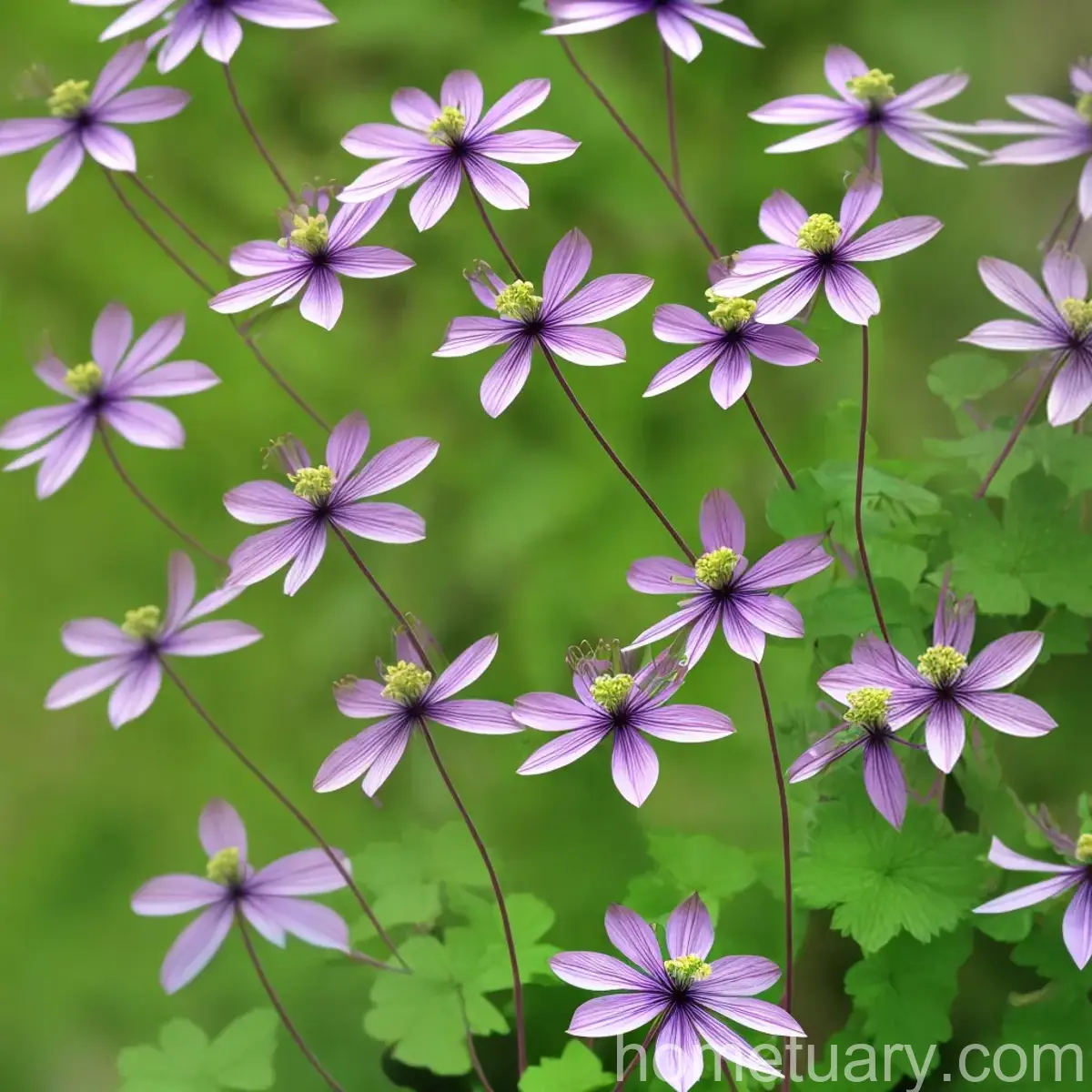
Thalictrum dioicum is native to North America and belongs to the Ranunculaceae family. It is a herbaceous perennial plant that is known for its delicate, airy foliage and clusters of tiny, fluffy flowers. The distinctive appearance of Thalictrum dioicum makes it a popular choice for gardeners and landscapers looking to add a touch of elegance and whimsy to their outdoor spaces.
Thalictrum Dioicum Characteristics
- Herbaceous perennial plant
- Belongs to the Ranunculaceae family
- Native to North America
- Delicate, airy foliage
- Clusters of tiny, fluffy flowers
Key Takeaways – Thalictrum Dioicum (Early Meadow Rue)
Thalictrum dioicum is a versatile plant that can thrive in various environmental conditions. Understanding its culture, uses, care requirements, and potential challenges is essential for successfully incorporating it into gardens and landscapes.
Culture
Uses
Thalictrum dioicum has both ornamental and ecological uses, making it a valuable addition to diverse settings.
– Ornamental uses: Adds a whimsical and elegant touch to gardens and landscapes.
– Ecological uses: Attracts pollinators such as bees and butterflies, contributing to biodiversity and ecosystem health.
Water
Understanding the water needs of Thalictrum dioicum is crucial for promoting healthy growth and blooming.
– Water requirements: Prefers moist, well-drained soil; regular watering to keep the soil consistently moist.
– Drought tolerance: Can withstand short periods of dryness once established, but consistent moisture is beneficial.
Sunlight
Optimal sunlight conditions are essential for maximizing the growth and flowering potential of Thalictrum dioicum.
– Sunlight requirements: Partial to full shade; thrives in woodland or shaded garden settings.
– Leaf morphology: Delicate, fern-like foliage adapts well to shaded environments.
Fertilizer
Providing the appropriate nutrients supports the overall health and vigor of Thalictrum dioicum.
– Fertilization: Apply a balanced, organic fertilizer in early spring to support growth and flowering.
– Avoid excessive fertilization: Over-fertilization can lead to excessive foliage growth at the expense of flowering.
Soil
Understanding the soil preferences and requirements of Thalictrum dioicum is essential for establishing optimal growing conditions.
– Soil type: Well-drained, fertile soil with good moisture retention.
– pH range: Neutral to slightly acidic soil pH (6.0-7.0).
Pruning
Pruning practices can enhance the appearance and blooming potential of Thalictrum dioicum.
– Pruning timing: Cut back the foliage in late fall or early spring to promote new growth.
– Removing spent flowers: Deadhead the plant to prolong the blooming period and encourage additional flowering.
Propagation
Propagation methods for Thalictrum dioicum enable gardeners to expand their plant collection and promote its presence in various settings.
– Propagation techniques: Division, seed sowing, or stem cuttings.
– Seed collection: Harvest seeds after the flowering period for propagation.
Container Popularity
Thalictrum dioicum’s suitability for container gardening provides additional opportunities for its inclusion in outdoor spaces.
– Container gardening: Thrives in large containers with sufficient soil volume and moisture retention.
– Versatility: Well-suited for shaded balconies, patios, and urban gardens.
Common Diseases
Awareness of potential diseases and their management is crucial for maintaining the health and vitality of Thalictrum dioicum.
– Common diseases: Powdery mildew, leaf spot diseases.
– Disease management: Proper air circulation, adequate spacing, and preventative fungicidal treatments.
Common Pests
Identifying and addressing potential pest issues is essential for protecting Thalictrum dioicum from damage.
– Common pests: Aphids, slugs, snails.
– Pest management: Manual removal, natural predators, or targeted treatments.
Botanist’s Tips
Insights and recommendations from botanists can provide valuable guidance for cultivating and appreciating Thalictrum dioicum.
– Plant in groups: Create stunning visual impact by planting Thalictrum dioicum in groups or drifts.
– Wildlife-friendly: Attracts beneficial insects and serves as a valuable source of nectar for pollinators.
Fun Facts
Exploring the unique and intriguing aspects of Thalictrum dioicum can deepen appreciation for this remarkable plant.
– Native habitat: Found in woodlands, meadows, and stream banks.
– Folklore and symbolism: Holds cultural significance and has been associated with various meanings in folklore.
Links to External Resources
To further explore the world of Thalictrum dioicum and expand your knowledge, the following links provide valuable information and insights:
– The New York Botanical Garden – Thalictrum dioicum: An in-depth plant profile and habitat information.
– Royal Horticultural Society – Plant Finder: Explore cultivation advice and growth habits for Thalictrum dioicum.
Conclusion
Thalictrum dioicum, or Early Meadow Rue, is a captivating and versatile plant that offers both aesthetic beauty and ecological value. With the right knowledge and care, this herbaceous perennial can thrive in a variety of garden and landscape settings, enriching outdoor spaces with its delicate foliage and fluffy flowers. Understanding the culture, uses, care tips, and potential challenges associated with Thalictrum dioicum is essential for cultivating a successful and flourishing presence of this remarkable plant. Whether you are a novice gardener, a seasoned horticulturist, or simply intrigued by the wonders of the natural world, Thalictrum dioicum is a plant worth exploring and appreciating.
The article provides detailed information about Thalictrum dioicum, commonly known as Early Meadow Rue, covering its characteristics, culture, uses, and care tips. Additionally, external resources are provided for further exploration.
Keywords:
Thalictrum dioicum characteristics, Early Meadow Rue facts, Growing Thalictrum dioicum, Thalictrum dioicum care tips, Thalictrum dioicum plant profile, Early Meadow Rue habitat, Thalictrum dioicum uses, Thalictrum dioicum medicinal properties, Thalictrum dioicum gardening, Thalictrum dioicum planting guide, Early Meadow Rue species, Thalictrum dioicum flowering season, Thalictrum dioicum varieties, Thalictrum dioicum propagation methods, Early Meadow Rue benefits, Thalictrum dioicum landscape uses, Thalictrum dioicum pests and diseases, Thalictrum dioicum in natural habitats, Early Meadow Rue growth habits, Thalictrum dioicum companion plants, Thalictrum dioicum symbolism, Thalictrum dioicum conservation status, Thalictrum dioicum gardening trends, Thalictrum dioicum interesting facts, Early Meadow Rue cultivation techniques, Thalictrum dioicum hardiness zones, Thalictrum dioicum leaf morphology, Thalictrum dioicum native range, Thalictrum dioicum pollination methods, Early Meadow Rue soil requirements, Thalictrum dioicum wildlife interactions, Thalictrum dioicum garden design ideas, Thalictrum dioicum flowering patterns, Thalictrum dioicum sustainable gardening, Early Meadow Rue propagation tips, Thalictrum dioicum drought tolerance, Thalictrum dioicum pruning techniques, Thalictrum dioicum seasonal care, Thalictrum dioicum seed collection, Early Meadow Rue in traditional medicine, Thalictrum dioicum root system, Thalictrum dioicum natural habitat restoration, Thalictrum dioicum for bees and butterflies, Thalictrum dioicum flower arrangements, Early Meadow Rue in landscape design, Thalictrum dioicum folklore and mythology, Thalictrum dioicum native gardening, Thalictrum dioicum for shade gardens, Thalictrum dioicum for vibrant borders, Early Meadow Rue in wildflower meadows.