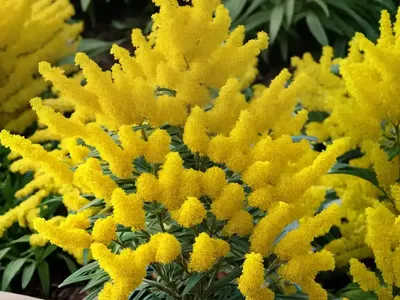
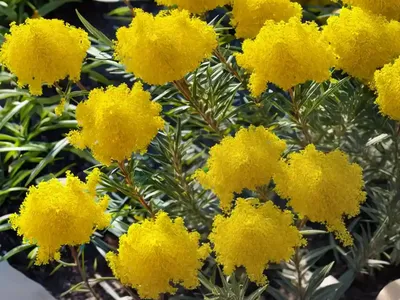
Rudbeckia Subtomentosa ‘Henry Eilers’ (Sweet Coneflower)
Rudbeckia subtomentosa ‘Henry Eilers’, commonly known as Sweet Coneflower, is a charming perennial plant that has been gaining popularity in gardens and.



Rudbeckia subtomentosa ‘Henry Eilers’, commonly known as Sweet Coneflower, is a charming perennial plant that has been gaining popularity in gardens and landscapes. As a plant scientist, I am thrilled to share my insights and expertise on this magnificent species. By the end of this comprehensive guide, you will have a profound understanding of the cultivation, characteristics, and benefits of Rudbeckia subtomentosa ‘Henry Eilers’, including its potential uses in various horticultural settings.
What is Rudbeckia subtomentosa ‘Henry Eilers’?
Rudbeckia subtomentosa ‘Henry Eilers’ is a member of the Asteraceae family, which is native to North America. This herbaceous perennial plant is renowned for its striking appearance and its ability to attract pollinators, making it a valuable addition to any landscape. The vibrant and daisy-like flowers, coupled with its tolerance to various growing conditions, have captured the interest of horticulturists and gardening enthusiasts.
Key Takeaways – Rudbeckia subtomentosa ‘Henry Eilers’
Culture
Rudbeckia subtomentosa ‘Henry Eilers’ is an adaptable and relatively low-maintenance plant that thrives in a variety of environmental conditions. Understanding its cultural requirements is crucial for successful cultivation.
- Hardiness Zone: Suitable for zones 4 to 9.
- Maintenance: Low to moderate.
- Foliage: Herbaceous, dark green leaves with a slightly hairy texture.
- Bloom Time: Late summer to early fall.
Uses
The versatile nature of Rudbeckia subtomentosa ‘Henry Eilers’ opens up a myriad of potential uses, from landscaping to medicinal applications.
- Landscaping: Ideal for cottage gardens, wildflower plantings, and naturalistic landscapes.
- Pollinator Gardens: Attracts butterflies, bees, and other pollinators.
- Cut Flowers: Excellent for floral arrangements and bouquets.
- Medicinal Purposes: Some species of Rudbeckia have been used in traditional medicine, although caution is advised without proper medical consultation.
Water
Understanding the water requirements of Rudbeckia subtomentosa ‘Henry Eilers’ is vital for maintaining its health and vigor.
- Watering: Moderate water requirements. Once established, it exhibits good drought tolerance.
Sunlight
Proper sunlight exposure is essential for the growth and blooming of Sweet Coneflower.
- Sun Exposure: Prefers full sun to partial shade.
Fertilizer
Fertilization plays a significant role in enhancing the growth and blooming potential of Rudbeckia subtomentosa ‘Henry Eilers’.
- Fertilizer: Apply a balanced, slow-release fertilizer in spring to promote healthy growth and prolific blooming.
Soil
The quality and composition of the soil greatly impact the overall well-being of Rudbeckia subtomentosa ‘Henry Eilers’.
- Soil Type: Well-draining, fertile soil.
- pH: Neutral to slightly acidic soil is preferred.
Pruning
Pruning is a beneficial practice for maintaining the shape and vitality of Rudbeckia subtomentosa ‘Henry Eilers’.
- Pruning: Deadhead spent flowers to prolong the blooming period. Cut back the stems to ground level in late fall or early spring.
Propagation
Exploring propagation methods is essential for expanding the population of Rudbeckia subtomentosa ‘Henry Eilers’.
- Propagation: Can be propagated from seeds or by division in early spring or fall.
Container Popularity
Utilizing containers for cultivating Rudbeckia subtomentosa ‘Henry Eilers’ can offer unique advantages and opportunities for gardeners.
- Container Planting: Well-suited for large containers, adding a pop of color to patios and balconies while attracting pollinators.
Common Diseases
Understanding potential diseases and their management is crucial for preserving the health of Rudbeckia subtomentosa ‘Henry Eilers’.
- Disease Resistance: Generally resistant to most diseases, but may be susceptible to powdery mildew in humid conditions.
Common Pests
Identifying and addressing common pests is essential for preventing damage to Sweet Coneflower.
- Pests: Occasionally bothered by aphids and leafhoppers, which can be managed through natural or chemical means.
Botanist’s Tips
Insights and tips from a botanist can provide valuable guidance for cultivating Rudbeckia subtomentosa ‘Henry Eilers’ with success.
- Botanist’s Tip: Select a planting location with good air circulation to reduce the risk of powdery mildew.
Fun Facts
Exploring the fascinating and lesser-known aspects of Rudbeckia subtomentosa ‘Henry Eilers’ can deepen appreciation for this remarkable plant.
- Fun Fact: The species name “subtomentosa” refers to the slightly woolly or hairy texture of the plant’s leaves and stems.