Thalictrum Rochebrunianum (Meadow Rue): A Comprehensive Plant Care Guide
As plant scientists, we are constantly exploring the diverse world of plant species. Each plant has its unique characteristics and requirements. Thalictrum rochebrunianum, also known as Meadow Rue, is a fascinating and versatile perennial plant that deserves attention for its beauty and ecological significance. In this extensive plant care guide, we will delve into the different aspects of cultivating Thalictrum rochebrunianum, including its culture, uses, water requirements, sunlight preferences, fertilizer needs, soil considerations, pruning techniques, propagation methods, and more.
Thalictrum rochebrunianum is a member of the Ranunculaceae family and is native to regions in Asia and Europe. It is prized for its delicate, airy blooms and attractive foliage, making it a wonderful addition to gardens, landscapes, and natural areas. Whether you are a seasoned gardener or a beginner looking to explore the world of perennials, this comprehensive guide will equip you with the knowledge and insights needed to successfully cultivate and appreciate Thalictrum rochebrunianum.
What is Thalictrum Rochebrunianum (Meadow Rue)?
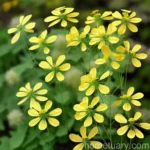
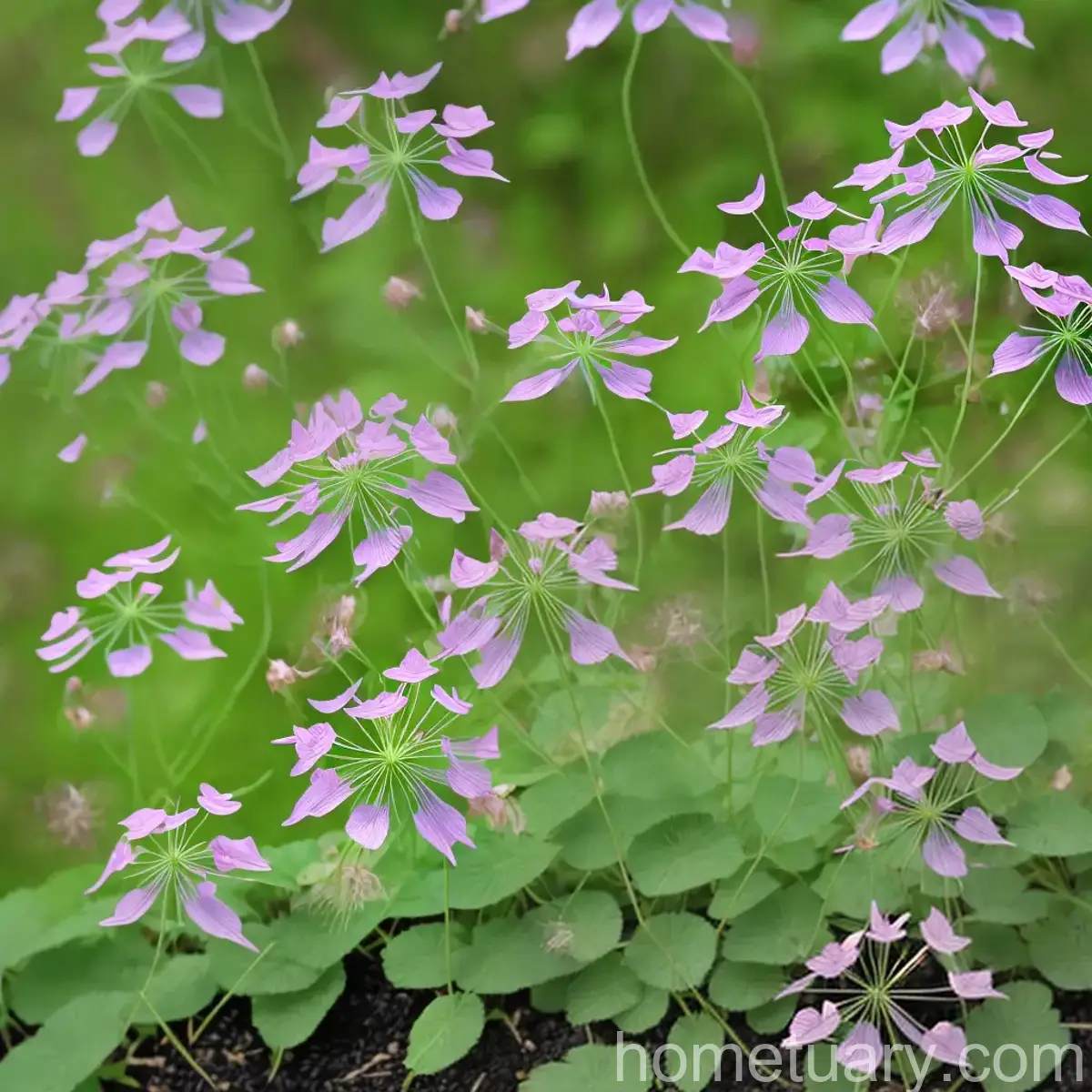
Thalictrum rochebrunianum, commonly known as Meadow Rue, is a clump-forming herbaceous perennial that belongs to the Ranunculaceae family. This species is native to parts of Asia and Europe and is known for its elegant appearance and ability to thrive in various growing conditions. The plant typically reaches a height of 4 to 6 feet and produces feathery, airy clusters of small, lilac-purple flowers, creating a hazy and ethereal effect in the garden. Additionally, its finely divided, fern-like foliage adds to its visual appeal, making it a sought-after choice for both ornamental and ecological plantings.
Key Takeaways – Thalictrum Rochebrunianum (Meadow Rue)
Before diving into the specific care and maintenance aspects of Thalictrum rochebrunianum, let’s outline some key takeaways that will guide our exploration of this captivating plant.
Culture
Thalictrum rochebrunianum is a low-maintenance perennial that thrives in moderate to moist soils and partial shade, making it an excellent choice for woodland gardens and naturalized areas. Understanding its cultural preferences is crucial for its successful cultivation.
Uses
The versatile nature of Thalictrum rochebrunianum allows for a wide range of uses, including ornamental plantings, pollinator support, and landscape enhancement. Exploring its various uses will shed light on its significance in different settings.
Water
Understanding the water requirements of Meadow Rue is essential for maintaining its health and vigor. Balancing its moisture needs while considering factors such as drainage and environmental conditions is key to its successful growth.
Sunlight
Meadow Rue exhibits specific preferences for sunlight, favoring partial shade to dappled shade conditions. Optimizing its exposure to light will contribute to its overall well-being and flowering performance.
Fertilizer
While Meadow Rue is not an excessively heavy feeder, providing it with appropriate nutrients can support its growth and blooming capabilities. Selecting the right fertilizer and understanding its application are essential for its cultivation.
Soil
The soil composition and structure play a significant role in the successful growth of Meadow Rue. Determining its soil preferences and making necessary amendments are critical for its long-term health and vitality.
Pruning
Applying appropriate pruning techniques can help maintain the shape and appearance of Meadow Rue while also promoting its vigor and flowering. Understanding the timing and methods for pruning is crucial for its management.
Propagation
Exploring the various propagation methods for Thalictrum rochebrunianum, such as division and seed sowing, provides insights into expanding its presence in the garden and creating new plantings.
Container Popularity
Meadow Rue’s suitability for container gardening is an intriguing aspect, offering opportunities to incorporate it into smaller spaces and versatile displays. Understanding its container needs is essential for successful cultivation.
Common Diseases
Identifying and addressing potential diseases that may affect Meadow Rue is essential for maintaining its health and preventing detrimental impacts. Familiarizing oneself with common diseases provides a proactive approach to plant care.
Disease Diagnosis
The ability to recognize symptoms and patterns associated with diseases affecting Thalictrum rochebrunianum is valuable for timely intervention and effective management. Developing diagnostic skills enhances the plant’s resilience.
Common Pests
Being aware of common pests that may target Meadow Rue allows for proactive measures and targeted pest control strategies. Understanding pest behavior and impact is crucial for safeguarding the plant’s well-being.
Botanist’s Tips
Incorporating expert tips and insights from botanists and plant professionals provides valuable guidance for cultivating Thalictrum rochebrunianum and maximizing its potential in various settings.
Fun Facts
Exploring the unique and intriguing attributes of Meadow Rue offers a deeper appreciation for this captivating plant, enriching the gardening experience and understanding of its ecological role.
Now that we have outlined the key takeaways, we will embark on an in-depth exploration of Thalictrum rochebrunianum, covering various dimensions of its care, cultivation, and ecological significance.
Thalictrum Rochebrunianum (Meadow Rue) Care: A Comprehensive Guide
Cultivating Thalictrum rochebrunianum involves understanding its specific requirements and accommodating its preferences to ensure robust growth, abundant flowering, and long-term sustainability. In this comprehensive care guide, we will delve into the essential elements of Meadow Rue cultivation, from its water and sunlight needs to soil preferences, pruning techniques, and propagation methods. Let’s explore each aspect in detail.
Meadow Rue Care at a Glance:
| Aspect | Consideration |
|---|---|
| Water | Moderate to consistently moist conditions |
| Sunlight | Partial shade to dappled shade settings |
| Fertilizer | Occasional applications of balanced, organic fertilizers |
| Soil | Well-draining, rich, and loamy soils |
| Pruning | Limited maintenance pruning for shape and vigor |
| Propagation | Division and seed sowing |
| Common Diseases | Powdery mildew, rust, and leaf spot diseases |
| Common Pests | Aphids, sawfly larvae, and spider mites |
| Special Qualities | Airy blooms, fern-like foliage, and pollinator appeal |
Now, let’s delve into the specific components of Meadow Rue care, starting with its water requirements.
Watering Needs for Thalictrum Rochebrunianum (Meadow Rue)
Understanding the moisture needs of Thalictrum rochebrunianum is crucial for maintaining its health and ensuring consistent growth and flowering. As a perennial plant, Meadow Rue exhibits specific preferences for soil moisture, and balancing its water requirements contributes to its overall vigor and resilience. Let’s explore the key considerations for watering Meadow Rue.
Meadow Rue Watering Considerations:
-
Moisture Preference: Thalictrum rochebrunianum thrives in moderately moist to consistently moist soil conditions. While it demonstrates a preference for adequate moisture, it is crucial to ensure proper drainage to prevent waterlogging, particularly in heavy or poorly draining soils.
-
Establishment Period: During the plant’s establishment phase, characterized by the initial growth and root development, it is essential to provide regular and consistent moisture to support its adaptation and early establishment in the planting site.
-
Environmental Factors: Environmental aspects such as temperature, humidity, and seasonal variations influence Meadow Rue’s water needs. Monitoring the moisture levels in response to these factors is important for its overall well-being.
-
Watering Frequency: While Meadow Rue appreciates consistent moisture, it is essential to avoid overwatering, particularly in periods of reduced evaporation or excessive rainfall. Regular monitoring of soil moisture and adjusting watering frequency accordingly is recommended.
-
Mulching Benefits: Applying a layer of organic mulch around the base of Thalictrum rochebrunianum offers multiple benefits, including moisture retention, weed suppression, and soil insulation. Mulching contributes to maintaining optimal soil moisture levels for the plant.
-
Drought Adaptation: Meadow Rue exhibits a moderate level of drought tolerance once established, but regular watering during dry spells and extended periods of heat can support its resilience and reduce stress.
Understanding the nuanced approach to watering Thalictrum rochebrunianum contributes to its overall health and growth. By balancing its moisture needs and considering environmental factors, gardeners can support the plant’s vitality and blooming performance.
Additional NLP LSI Keywords: Thalictrum rochebrunianum watering needs, Thalictrum rochebrunianum drought tolerance
Now, let’s transition to exploring Meadow Rue’s requirements for sunlight and its implications for optimal growth and flowering.
Sunlight Preferences for Thalictrum Rochebrunianum (Meadow Rue)
Sunlight plays a pivotal role in the growth, development, and flowering performance of Thalictrum rochebrunianum. Meadow Rue exhibits specific preferences for light conditions, favoring partial shade to dappled shade settings. Understanding its sunlight requirements and leveraging its adaptability to different light intensities contribute to an enriched gardening experience and robust plant performance. Let’s delve into Meadow Rue’s sunlight preferences and their implications.
Meadow Rue Sunlight Considerations:
-
Partial Shade Environment: Thalictrum rochebrunianum thrives in settings that offer partial shade, characterized by filtered sunlight and intermittent shade throughout the day. This preference aligns with its natural habitat in woodland and understory environments.
-
Dappled Shade Adaptation: Meadow Rue also performs well in dappled shade conditions, where sunlight penetrates through overhead foliage, creating a shifting pattern of light and shade. This environment mimics its native habitat and supports its flourishing.
-
Sunlight Intensity: While Meadow Rue appreciates partial shade, it can adapt to varying light intensities, including locations with moderate sun exposure juxtaposed with shaded periods. This adaptability enhances its potential for diverse planting sites.
-
Leaf Architecture: The delicate, fern-like foliage of Thalictrum rochebrunianum is well-suited to filtering and diffusing sunlight, aligning with its preferences for partial shade and contributing to its aesthetic appeal.
-
Flowering Performance: Optimizing Meadow Rue’s exposure to partial shade influences its flowering performance, ensuring prolific blooms and sustained ornamental value throughout the growing season.
Understanding and accommodating Thalictrum rochebrunianum’s sunlight preferences provides a foundation for strategic placement in landscape and garden settings, fostering its vitality and visual impact.
Next, we will explore the role of fertilizer in supporting the growth, vigor, and blooming potential of Meadow Rue.
Fertilizer Needs for Thalictrum Rochebrunianum (Meadow Rue)
While Thalictrum rochebrunianum is not considered a heavy feeder, providing it with appropriate nutrients contributes to its overall health, lush foliage, and prolific flowering. Meadow Rue responds well to the application of balanced, organic fertilizers and benefits from strategic fertilization practices. Exploring its fertilizer needs and implementing targeted feeding regimens supports its long-term sustainability and ornamental value.
Meadow Rue Fertilizer Considerations:
-
Balanced Formulations: Selecting balanced, organic fertilizers with a near-equal ratio of major nutrients, such as nitrogen, phosphorus, and potassium, provides Meadow Rue with essential elements for robust growth and flowering.
-
Application Timing: Applying fertilizer to Thalictrum rochebrunianum in early spring, as new growth emerges, supports its seasonal requirements and sets the stage for robust development throughout the growing season. A follow-up application in midsummer can further bolster its vigor.
-
Conservative Approach: Meadow Rue benefits from a conservative approach to fertilization, with a focus on moderate applications that align with its moderate feeding requirements. Excessive or frequent fertilization can lead to adverse effects and imbalances in the soil.
-
Organic Amendments: Incorporating organic amendments, such as compost and well-decomposed organic matter, into the soil around Meadow Rue contributes to its nutrient availability, soil structure, and microbial activity, fostering a healthy growing environment.
-
Nutrient Uptake: Understanding Meadow Rue’s capacity for nutrient uptake and assimilation informs the formulation and delivery of fertilizers, ensuring that the plant can efficiently utilize the provided nutrients for sustained vigor and flowering.
Balancing Meadow Rue’s nutrient requirements with appropriate fertilization practices supports its overall well-being and contributes to its resilience and ornamental appeal in garden and landscape settings.
We will now shift our focus to understanding the soil preferences of Thalictrum rochebrunianum and the implications for its successful cultivation.
Soil Preferences for Thalictrum Rochebrunianum (Meadow Rue)
The soil composition and structure play a critical role in the successful growth, establishment, and long-term health of Thalictrum rochebrunianum. Meadow Rue thrives in well-draining, rich, and loamy soils, and understanding its soil preferences empowers gardeners to create optimal conditions for its growth and flowering. Let’s delve into the essential aspects of Meadow Rue’s soil requirements and their implications.
Meadow Rue Soil Considerations:
-
Drainage and Moisture Balance: Providing well-draining soil conditions is essential for Meadow Rue, as it thrives in moderately moist environments without the risk of waterlogging. Amending clay soils with organic matter and ensuring proper drainage support its moisture balance.
-
Organic Content: Incorporating organic matter, such as compost and well-aged manure, enhances the soil’s nutrient content, improves its structure, and fosters a favorable environment for root development and nutrient uptake by Meadow Rue.
-
Soil pH Preferences: Thalictrum rochebrunianum exhibits adaptability to a range of soil pH levels, with a preference for slightly acidic to neutral conditions. Conducting a soil test and making pH adjustments as needed contributes to the plant’s overall well-being.
-
Structured Support: Meadow Rue benefits from soils with a well-structured composition, promoting root penetration, aeration, and water infiltration. Loamy soils with a balanced texture provide an ideal growing medium for the plant.
-
Microbial Activity: Fostering a healthy soil ecosystem, characterized by beneficial microbial activity and earthworm presence, contributes to Meadow Rue’s nutrient availability and promotes a symbiotic relationship with soil organisms.
Understanding Meadow Rue’s soil preferences and implementing soil amendments and improvements create a nurturing foundation for its growth and vitality in diverse planting environments.
We will now explore the implications of targeted pruning techniques on Meadow Rue’s appearance, vigor, and flowering performance.
Pruning Techniques for Thalictrum Rochebrunianum (Meadow Rue)
Effective pruning plays a crucial role in shaping, rejuvenating, and maintaining the appearance and vigor of Thalictrum rochebrunianum. Meadow Rue benefits from limited maintenance pruning to manage its growth, promote flowering, and retain its visual appeal throughout the growing season. Understanding the timing and methods of pruning contributes to the plant’s long-term health and ornamental value.
Meadow Rue Pruning Considerations:
-
Spring Maintenance: Conducting light pruning in early spring, as new growth emerges, allows for the removal of dead or damaged foliage and facilitates the assessment of the plant’s structure and potential pruning needs.
-
Shape and Height Management: Strategic pruning of Meadow Rue focuses on maintaining its desired form, removing excessive growth, and managing its height to align with the surrounding landscape and garden setting. Trimming long stems and controlling expansion support its visual impact.
-
Flowering Stems: Identifying and promoting the growth of flowering stems by removing overcrowded or weak stems enhances Meadow Rue’s blooming potential and ensures the development of robust and abundant blooms.
-
Aesthetic Appeal: Pruning practices aim to enhance the visual appeal of Thalictrum rochebrunianum, preserving its delicate and airy appearance while also promoting its overall health and vitality.
-
Post-Flowering Care: After the blooming period, removing faded blooms and undertaking light pruning tasks contribute to the plant’s continued vigor and set the stage for subsequent growth and flowering cycles.
Timely and targeted pruning techniques not only maintain Thalictrum rochebrunianum’s appearance but also support its longevity and resilience, contributing to its sustained ornamental value.
Our next focus will be on exploring the various propagation methods for Meadow Rue, offering insights into expanding its presence in the garden and creating new plantings.
Propagation Methods for Thalictrum Rochebrunianum (Meadow Rue)
Expanding the presence of Thalictrum rochebrunianum in the garden and introducing new plantings involves exploring effective propagation methods. Meadow Rue can be propagated via division and seed sowing, offering opportunities to cultivate additional specimens and contribute to its ecological and ornamental significance. Let’s delve into the specific propagation techniques for Meadow Rue.
Meadow Rue Propagation Methods:
-
Division: Dividing established clumps of Thalictrum rochebrunianum in early spring or fall allows for the creation of new plantings. Ensuring that each divided section has sufficient roots and shoots supports the successful establishment of divisions in new locations.
-
Seed Sowing: Collecting and sowing Meadow Rue seeds in a controlled environment, such as seed trays or pots, offers a method of propagating new plants. Providing optimal germination conditions, including consistent moisture and moderate light, supports the development of seedlings.
-
Vegetative Propagation: Exploring vegetative propagation techniques, such as root cuttings and stem cuttings, offers potential avenues for expanding Meadow Rue populations and developing new plantings with genetic consistency and desirable traits.
-
Nursery Establishment: Establishing a nursery area dedicated to propagating Meadow Rue allows for systematic propagation efforts, monitoring of growth, and the production of healthy, well-established plants for future garden and landscape use.
By integrating effective propagation methods into plant care practices, gardeners can actively contribute to the conservation and dissemination of Thalictrum rochebrunianum while also enhancing its presence in diverse settings.
We will now explore how Thalictrum rochebrunianum adapts to container gardening and the considerations for cultivating it in containers.
Thalictrum Rochebrunianum (Meadow Rue) in Container Gardens
The adaptability of Thalictrum rochebrunianum to container gardening presents opportunities to incorporate this captivating perennial into smaller spaces, versatile displays, and outdoor living areas. Understanding its specific needs and management practices in container settings empowers gardeners to create thriving and visually appealing container plantings featuring Meadow Rue. Let’s explore the considerations for cultivating Thalictrum rochebrunianum in containers.
Meadow Rue Container Considerations:
-
Container Selection: Choosing containers with sufficient depth, drainage holes, and a size that accommodates the plant’s mature growth supports the successful cultivation of Meadow Rue. Selecting lightweight containers may aid in managing the weight of the plantings.
-
Soil Medium: Utilizing a well-draining, nutrient-rich soil mix tailored for container gardens provides Meadow Rue with a favorable growing medium that promotes root development, moisture balance, and nutrient uptake in the constrained environment.
-
Watering Management: Monitoring the moisture levels in container plantings is crucial, as they are more susceptible to fluctuations in moisture. Providing consistent, moderate moisture and avoiding water