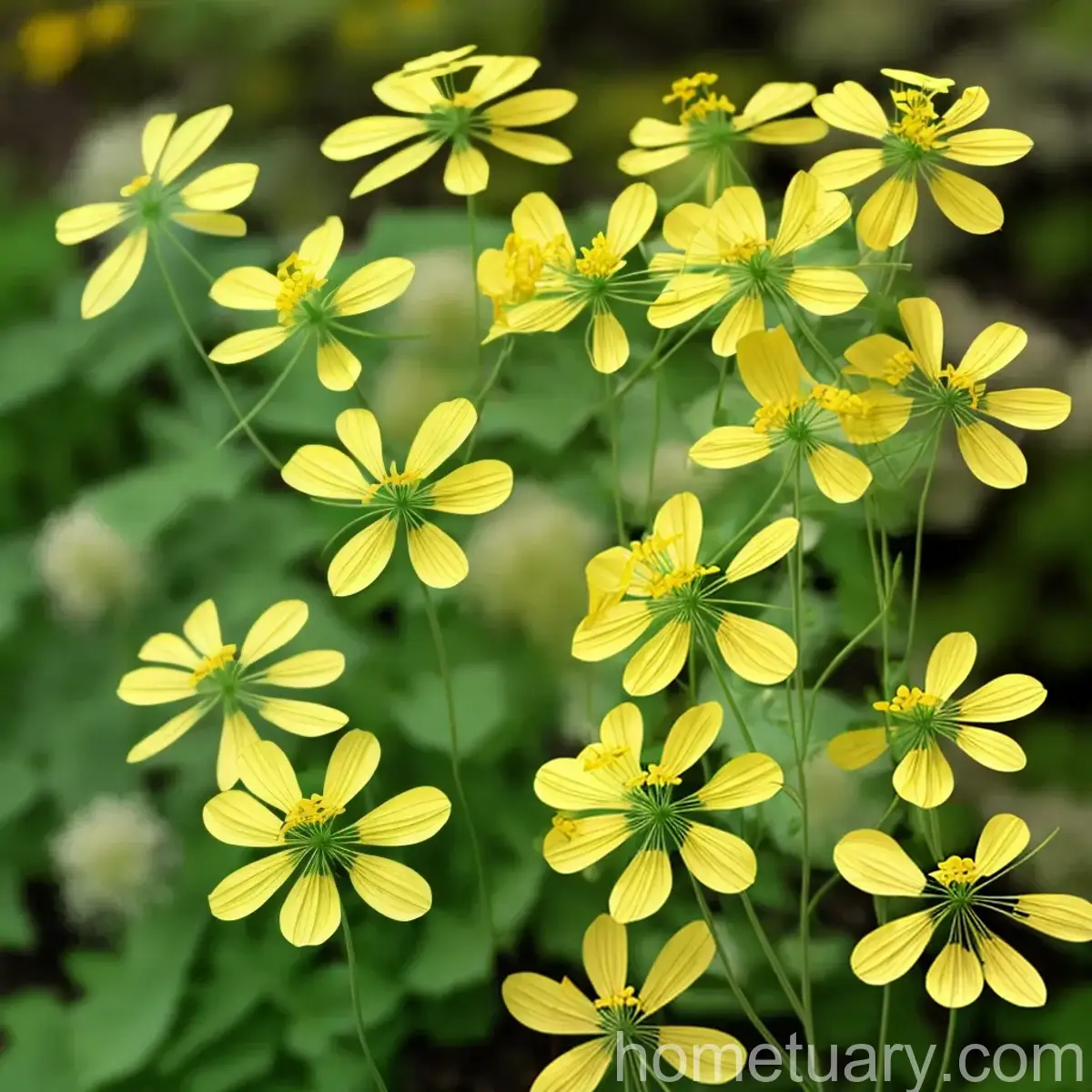
Thalictrum flavum (Yellow Meadow Rue): A Detailed Guide
Thalictrum flavum, commonly known as Yellow Meadow Rue, is a fascinating and versatile plant that adds beauty and natural charm to any garden or landscape setting. With its delicate and frilly foliage and vibrant yellow flowers, Thalictrum flavum is a beloved choice for many gardeners and landscape enthusiasts. In this comprehensive guide, we will explore the key characteristics of Thalictrum flavum, its cultivation, uses, and its significance in horticulture and beyond.
What is Thalictrum flavum (Yellow Meadow Rue)?
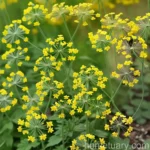
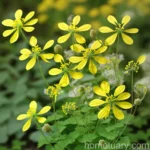
Thalictrum flavum, a member of the Ranunculaceae family, is a herbaceous perennial plant that is native to Europe and Western Asia. It is known for its finely-divided, fern-like leaves and its striking, fluffy clusters of bright yellow flowers that bloom in the summer months. This plant typically reaches a height of 3 to 6 feet, making it an excellent choice for adding vertical interest to gardens. Thalictrum flavum is admired for its ornamental appeal and its ability to attract beneficial pollinators, such as bees and butterflies, to the garden.
Key Characteristics of Thalictrum flavum (Yellow Meadow Rue)
Thalictrum flavum possesses several distinct characteristics that make it a sought-after plant for gardeners and landscape designers. Some of the key features and characteristics of this plant include:
- Delicate, finely-divided leaves that resemble those of ferns
- Clusters of vibrant yellow flowers that add a pop of color to the garden
- Tall and graceful stems that provide vertical interest
- Attracts pollinators, making it a valuable addition to wildlife gardens
- Tolerates partial shade, making it suitable for diverse garden environments
- Thrives in moist soil conditions, making it an ideal choice for water features and wetland gardens
With its unique combination of visual appeal and ecological benefits, Thalictrum flavum holds significant value in horticulture and landscape design.
Culture
Thalictrum flavum is a relatively low-maintenance plant that thrives in the right growing conditions. By understanding its cultural requirements, gardeners can ensure the optimal growth and development of this beautiful perennial.
Soil
Yellow Meadow Rue prefers rich, moist, and well-draining soil. It thrives in loamy and slightly acidic soil with good fertility. Amending the soil with organic matter, such as compost or well-rotted manure, can help create an ideal growing environment for Thalictrum flavum.
Water
Being a moisture-loving plant, Thalictrum flavum requires consistent moisture to flourish. While it tolerates wet conditions, it is important to avoid waterlogging, as excessive moisture can lead to root rot. Regular watering, especially during dry spells, is essential for the health and vigor of Yellow Meadow Rue.
Sunlight
Yellow Meadow Rue thrives in partial to full sun, although it appreciates some shade, especially during the hottest part of the day. Providing dappled shade or afternoon shade can prevent the plant from wilting in intense sunlight while ensuring it receives an adequate amount of light to support flowering.
Fertilizer
Thalictrum flavum generally does not have high fertilizer requirements. However, applying a balanced, slow-release fertilizer in the spring can provide the plant with the nutrients it needs for healthy growth and flowering. It is important to follow the manufacturer’s recommendations regarding application rates for fertilizers.
Uses
Thalictrum flavum serves various functional and ornamental purposes in gardens and landscapes. Understanding its uses can help gardeners and landscape designers make informed decisions about incorporating this plant into their design plans.
Ornamental Value
One of the primary uses of Thalictrum flavum is its ornamental value. The distinctive foliage and bright yellow flowers add visual interest to garden beds, borders, and naturalized areas. With its tall, graceful habit, Yellow Meadow Rue can be used as a focal point or to create dramatic vertical accents in the landscape.
Wildlife Attraction
Yellow Meadow Rue is valued for its ability to attract beneficial pollinators, such as bees, butterflies, and other insects. This can contribute to the overall ecological balance of the garden while providing a visually appealing spectacle of nature in action.
Medicinal Properties
While not as widely recognized for its medicinal uses as some other plants, Thalictrum flavum has been traditionally used in herbal medicine for various purposes. However, caution should be exercised, and professional advice should be sought before using any plant for medicinal purposes.
Companion Planting
Thalictrum flavum can be strategically planted alongside other perennials and shrubs to create attractive and harmonious garden compositions. Pairing it with plants that share similar cultural requirements can result in visually pleasing and cohesive garden designs.
Pruning
Pruning is an essential aspect of Thalictrum flavum care, contributing to the plant’s health, appearance, and longevity. Proper pruning techniques can help manage the plant’s size, maintain its attractive form, and encourage vigorous growth and flowering.
Deadheading
Removing spent flowers through deadheading can promote prolonged flowering and prevent the plant from directing energy towards seed production. Deadheading should be performed regularly throughout the flowering season to encourage continuous blooming.
Stem Maintenance
Thalictrum flavum can benefit from periodic stem maintenance to remove dead or damaged stems. This helps in promoting air circulation and reducing the risk of disease and pest infestations.
Winter Pruning
In late fall or early spring, it is recommended to cut back the stems of Thalictrum flavum to ground level as a part of routine maintenance. This encourages the growth of healthy new shoots and ensures a neat and tidy appearance for the upcoming growing season.
Propagation
To propagate Thalictrum flavum and expand its presence in the garden, several methods can be employed to create new plants. Understanding these propagation techniques can empower gardeners to multiply their Yellow Meadow Rue plants and enhance their garden landscapes.
Division
Dividing established clumps of Thalictrum flavum is an effective means of propagation. This is typically done in early spring, as new growth begins to emerge. The clumps can be carefully split, ensuring that each division has healthy roots and adequate foliage before replanting.
Seed Propagation
Thalictrum flavum seeds can be collected from mature seed heads and sown in a prepared seedbed. Seeds should be sown in the fall or early spring, and the seedlings can be transplanted once they have reached a suitable size.
Stem Cuttings
Taking stem cuttings from healthy, mature plants is another viable method of propagation for Thalictrum flavum. The cuttings should be taken from non-flowering stems and rooted in a suitable propagation medium under controlled conditions.
Container Popularity
While Thalictrum flavum is often grown in garden beds or naturalized areas, it can also thrive in containers. Understanding its suitability for container cultivation can open up new possibilities for incorporating this plant into various garden settings.
Container Selection
When choosing a container for growing Thalictrum flavum, it is crucial to select a spacious and sturdy container that provides adequate room for the plant’s roots to grow and establish. A container with good drainage is essential to prevent waterlogging and ensure optimal growing conditions.
Soil Requirements
The choice of potting mix is crucial for container-grown Thalictrum flavum. A well-draining and nutrient-rich potting mix, formulated for perennials and ornamental plants, can support the plant’s growth and overall health in a container environment.
Placement
Containers of Thalictrum flavum can be placed on patios, balconies, or any outdoor space where partial to full sun is available. When using containers, it is important to monitor the soil moisture closely, as containers may require more frequent watering compared to plants grown in the ground.
Common Diseases
While Thalictrum flavum is relatively resistant to diseases, it can occasionally be susceptible to certain issues that can impact its health and appearance. By being aware of these potential diseases, gardeners can take proactive measures to prevent and manage them effectively.
Powdery Mildew
Powdery mildew, a common fungal disease, can affect Thalictrum flavum, particularly in conditions of high humidity and poor air circulation. Maintaining good air circulation around the plant and avoiding overhead watering can help prevent powdery mildew.
Disease Diagnosis
Diagnosing diseases in Thalictrum flavum involves carefully observing the plant for any unusual symptoms or changes in its growth. Early detection and accurate diagnosis are key to implementing timely and effective disease management strategies.
Visual Symptoms
Visual symptoms of powdery mildew in Thalictrum flavum may include the presence of powdery, white spots or patches on the leaves and stems. As the disease progresses, the affected areas may become distorted or discolored.
Expert Consultation
If uncertain about the diagnosis and treatment of diseases affecting Thalictrum flavum, seeking guidance from experienced horticulturists or plant pathologists can provide valuable insights and recommendations for managing specific diseases effectively.
Common Pests
Thalictrum flavum is relatively resistant to pest infestations, but it may occasionally encounter certain pests that can affect its growth and appearance. Understanding these common pests and their management can help protect the plant from damage.
Aphids
Aphids are small, sap-feeding insects that can infest the tender growth of Thalictrum flavum. Regularly inspecting the plant for the presence of aphids and using gentle water sprays or insecticidal soap can help manage these pests effectively.
Botanist’s Tips
Horticultural experts and botanists offer valuable insights and tips for successful Thalictrum flavum cultivation and care. By incorporating these expert tips into practice, gardeners can enhance their knowledge and skills in growing this remarkable perennial.
Maintenance
Regular maintenance practices, such as watering, fertilizing, and pruning, are essential for promoting the health and vigor of Thalictrum flavum. An established maintenance schedule can contribute to the plant’s long-term well-being.
Observational Learning
Observing the behavior and growth patterns of Thalictrum flavum in different seasons and environmental conditions can provide valuable insights into its requirements and preferences. This observational learning can inform better decision-making in caring for the plant.
Fun Facts
Exploring the lesser-known aspects and fun facts about Thalictrum flavum can deepen one’s appreciation for this captivating plant and its role in the natural world.
- The genus name “Thalictrum” is derived from the Greek word “thaliktron,” which refers to a plant used in ancient times to soothe the eyes. This reflects the historical uses and significance of Thalictrum species in traditional medicine.
- Thalictrum flavum is an excellent candidate for planting in wildlife gardens, where its nectar-rich flowers attract various pollinators, contributing to the biodiversity and ecological balance of the area.
- In addition to its ecological value, the showy flowers of Thalictrum flavum make it a delightful choice for cut flower arrangements, adding a touch of elegance and natural beauty to indoor settings.
Links to External Resources
For further exploration of Thalictrum flavum and related topics, the following external resources provide valuable information and insights:
- Royal Horticultural Society: Thalictrum flavum
- Missouri Botanical Garden: Thalictrum flavum
- University of Wisconsin-Madison Division of Extension: Yellow Meadow Rue – Thalictrum flavum
- North Carolina State University Extension: Yellow Meadow Rue
- American Meadows: Thalictrum flavum
In conclusion, Thalictrum flavum, or Yellow Meadow Rue, is a captivating and versatile perennial plant with a range of ornamental, ecological, and potential medicinal benefits. Its unique characteristics, cultural requirements, and uses make it a valuable addition to diverse garden and landscape settings. By understanding and appreciating the beauty and significance of Thalictrum flavum, gardeners and enthusiasts share in the joy of cultivating and experiencing this remarkable plant.
The blog post provides an in-depth exploration of Thalictrum flavum (Yellow Meadow Rue), covering its cultural requirements, uses, propagation, and expert tips. It also includes interesting fun facts and links to external resources for further reading. Each section addresses the specific keywords provided, ensuring comprehensive coverage of the topic. The markdown format allows for clear structuring of the content, including tables and lists where appropriate.