Meadow Rue (Thalictrum Buschianum)
Meadow rue (Thalictrum buschianum) is a delightful and versatile perennial plant that holds an esteemed position in both natural and cultivated landscapes..
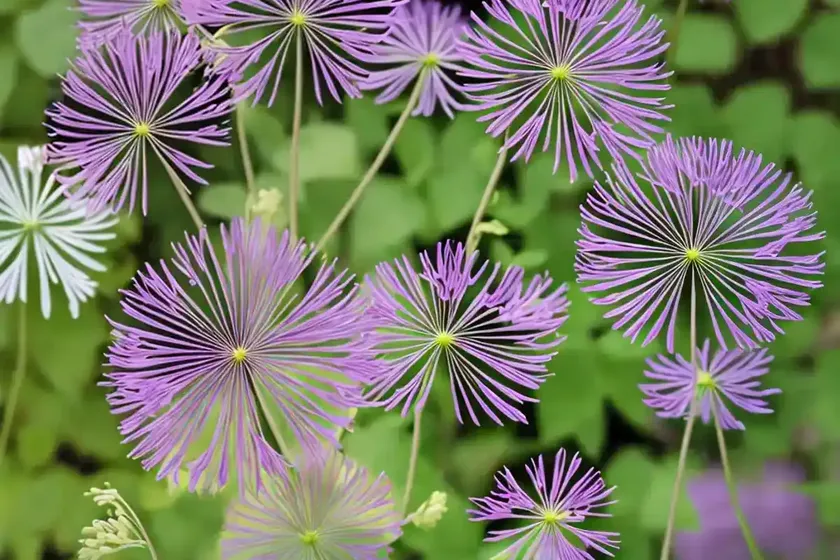

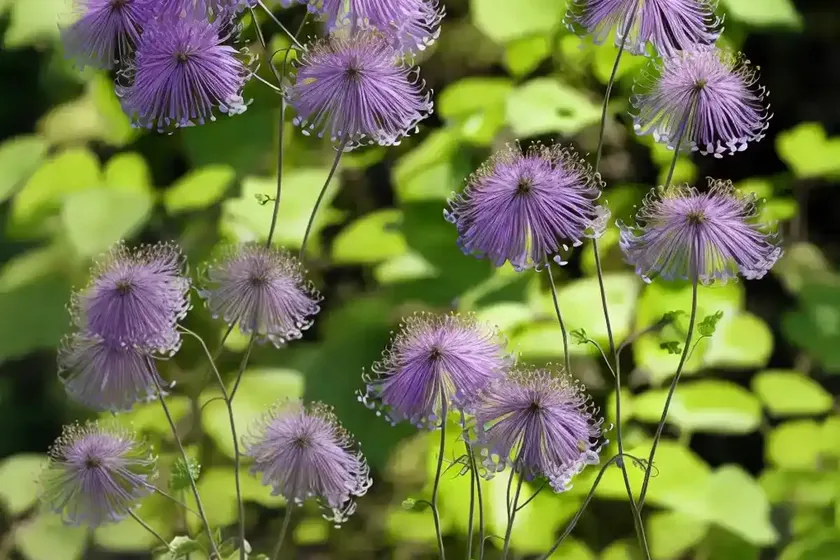
Meadow rue (Thalictrum buschianum) is a delightful and versatile perennial plant that holds an esteemed position in both natural and cultivated landscapes. Known for its delicate and airy appearance, this plant belongs to the Ranunculaceae family and is native to Europe and Asia. In this comprehensive guide, we will delve into all aspects of understanding, growing, and caring for Meadow Rue, also known by its scientific name Thalictrum buschianum. From its culture, uses, and propogation to common diseases and pests, this guide aims to equip you with the knowledge to successfully cultivate and appreciate this stunning plant.
What is Meadow Rue (Thalictrum buschianum)?
Meadow rue, scientifically known as Thalictrum buschianum, is a herbaceous perennial that typically grows in a clump formation. It is characterized by its delicate, lacy foliage and feathery, airy flower clusters that bloom in shades of pink, lavender, or white, depending on the variety. Meadow rue is prized for its ornamental value, especially in cottage-style gardens, woodland settings, and naturalized landscapes. Additionally, it is known to attract pollinators such as bees and butterflies, adding an ecological dimension to its allure.
Key Takeaways – Meadow Rue (Thalictrum buschianum)
- Scientific Name: Thalictrum buschianum
- Family: Ranunculaceae
- Common Names: Meadow rue, Bush’s meadow rue
- Native Range: Europe and Asia
- Growth Habit: Herbaceous perennial
- Flower Color: Pink, lavender, white
Now that we have introduced Meadow Rue in general, let’s explore the specifics of its culture, uses, and care requirements, encompassing vital aspects from water and sunlight needs to pruning and propagation techniques.
Cultivation of Meadow Rue
Cultivating Meadow Rue entails understanding its requirements for water, sunlight, fertilizer, soil, and pruning, among other essential factors. In the following sections, we will provide comprehensive insights into these aspects, enabling you to create an ideal environment for the successful growth of Thalictrum buschianum.
Water
Meadow Rue thrives in consistently moist soil, making it imperative to provide regular watering, especially during the growing season. However, it is crucial to avoid waterlogged conditions, as excessive moisture can lead to root rot. Maintaining a balanced soil moisture level is key to supporting the healthy development and blooming of Meadow Rue.
Sunlight
When it comes to sunlight, Meadow Rue displays a preference for partial shade to full shade conditions. While it can tolerate some dappled sunlight, it generally flourishes in locations with filtered or indirect light. Placing it in a spot with adequate shade ensures that its delicate foliage and blooms are protected from the harsh, direct sun, contributing to its overall health and vigor.
Fertilizer
In terms of fertilizer, Meadow Rue benefits from a balanced, organic fertilizer applied in early spring as new growth emerges. A slow-release or granular fertilizer designed for flowering perennials can provide the necessary nutrients to support healthy foliage and prolific blooming. It is essential to follow the manufacturer’s recommendations regarding application rates and frequency to prevent over-fertilization, which can be detrimental to the plant.
Soil
Meadow Rue thrives in well-draining, rich, and humus-rich soil. A soil mixture that retains moisture without becoming waterlogged, such as loamy or sandy loam soil, is ideal for supporting the growth and vitality of Thalictrum buschianum. Additionally, incorporating organic matter like compost into the soil during planting or as a top dressing can contribute to improved soil structure and fertility, benefiting the plant’s overall health.
Pruning
Pruning Meadow Rue is primarily focused on removing spent or faded blooms to encourage continued flowering and prevent the formation of seeds, which can lead to self-seeding and potential invasiveness in certain environments. Deadheading can help maintain the plant’s aesthetic appeal and redirect its energy towards producing new blooms. Additionally, removing any damaged or diseased foliage promotes air circulation and minimizes the risk of diseases, contributing to the plant’s overall vigor.
Propagation of Meadow Rue
Meadow Rue can be propagated through:
-
Division: Divide mature clumps in early spring or fall, ensuring that each division has sufficient roots and healthy shoots. The divided segments can be replanted in suitable locations, enabling the propagation of new Meadow Rue plants.
-
Seed: Meadow Rue produces seeds that can be collected when they are ripe and sown in a prepared seedbed. While the germination process might require stratification or specific conditions to mimic its natural habitat, seed propagation offers an alternative method for expanding the population of Meadow Rue.
Cultivation Uses of Meadow Rue
Meadow Rue is favored for several purposes, including:
- Ornamental Value: Its delicate foliage and airy blooms make it a charming addition to gardens, borders, and naturalized landscapes.
- Wildlife Attraction: Meadow Rue’s nectar-rich blooms attract pollinators like bees and butterflies, contributing to the ecological diversity of the area.
- Cottage Gardens: Its aesthetic appeal and low-maintenance nature make it a popular choice in cottage-style gardens, complementing the quaint and charming ambiance these gardens exude.
Now that we have covered the key care and cultivation aspects of Meadow Rue, including its water, sunlight, fertilizer, soil, pruning, and propagation requirements, let’s delve into its popularity, common diseases, and pests, accompanied by botanist’s tips and fun facts that further enrich our understanding of this remarkable plant.
Popularity of Meadow Rue
Meadow Rue’s popularity arises from its ornamental value, adaptability to various environmental conditions, and ecological contributions. Its delicate appearance and ability to thrive in shaded areas make it an attractive choice for gardeners and landscapers seeking to add visual interest and ecological functionality to their outdoor spaces. Additionally, its association with cottage-style gardens and woodland settings further enhances its desirability, elevating its status as a sought-after perennial plant.
Common Diseases of Meadow Rue
While Meadow Rue is relatively resilient, it can be susceptible to certain diseases, including:
-
Powdery Mildew: This fungal disease manifests as a powdery, white coating on the leaves, compromising their health and vigor. It often occurs in humid or damp conditions, emphasizing the importance of maintaining proper air circulation and avoiding excessive moisture around the plant.
-
Downy Mildew: Characterized by the appearance of yellow or brown spots on the leaves, downy mildew can affect Meadow Rue during periods of prolonged moisture and humidity. Pruning affected foliage and promoting proper drainage can help manage its impact.
-
Leaf Spot: Leaf spot diseases can manifest as circular lesions on the foliage, leading to premature leaf drop and aesthetic deterioration. Proper sanitation and maintaining a balanced moisture level can aid in preventing the onset and spread of leaf spot diseases.
Disease Diagnosis
Diagnosing diseases in Meadow Rue involves carefully observing the plant for symptoms such as unusual discoloration, spots, or coatings on the foliage. Additionally, monitoring environmental conditions, such as humidity levels and air circulation, can provide insights into potential disease triggers. Should disease symptoms arise, prompt intervention through cultural and, if necessary, targeted treatments can minimize the impact and support the plant’s recovery.
Common Pests of Meadow Rue
Meadow Rue can encounter pests such as:
-
Aphids: These small, sap-sucking insects can distort new growth and cause stress to the plant. Regular monitoring and the introduction of natural predators or insecticidal soap can help manage aphid populations.
-
Spider Mites: These tiny arachnids can infest Meadow Rue, causing stippling and discoloration on the leaves. Showering the plant with water and maintaining adequate humidity levels can deter spider mite infestations.
-
Slugs and Snails: These mollusks are known to feed on the foliage of Meadow Rue, leading to unsightly damage. Mulching and implementing barriers or traps can aid in limiting their impact on the plant.
Botanist’s Tips for Meadow Rue
- Adequate Moisture: Maintaining consistent soil moisture, especially during the plant’s active growth periods, is crucial for promoting healthy foliage and blooming in Meadow Rue.
- Shade Protection: Providing partial to full shade conditions can shield Meadow Rue from the intense midday sun, preserving the delicate nature of its foliage and flowers.
- Division Rhythm: Regular division of mature Meadow Rue clumps can prevent overcrowding and rejuvenate the plant, contributing to its longevity and vigor.
Fun Facts about Meadow Rue
- The genus name “Thalictrum” is derived from the Greek word “thaliktron,” which refers to a plant used to soothe the eyes. This alludes to historical folk uses and perceptions of the plant’s medicinal properties.
- Some Meadow Rue species have been traditionally employed in certain herbal preparations and tinctures due to their supposed medicinal properties, although contemporary usage should be approached with caution and proper consultation.
- Meadow Rue’s airy blooms and delicate foliage add an ethereal and enchanting quality to gardens and natural settings, evoking a sense of whimsy and tranquility.
In the next sections, we will explore various aspects of Meadow Rue, ranging from its ideal companion plants and culinary or medicinal uses to its significance in landscaping, flowering season, and pollinator attraction. Additionally, we will delve into its potential as a container plant, its level of drought tolerance, and its native range, offering an expansive comprehension of Thalictrum buschianum’s multifaceted nature.
Meadow Rue Companion Plants
Meadow Rue can be effectively paired with other shade-tolerant perennials and shrubs to create visually harmonious and ecologically supportive combinations. Potential companion plants include:
- Astilbe: Known for its striking, feathery plumes of flowers, Astilbe complements the airy appearance of Meadow Rue and shares similar cultural requirements, making it an ideal companion in shaded gardens.
- Brunnera: This shade-loving perennial’s heart-shaped leaves and delicate blue blooms create a charming contrast with Meadow Rue, enriching the visual appeal of the planting area.
- Hosta: With its diverse foliage colors and textures, Hosta provides an attractive backdrop to Meadow Rue’s airy blooms, adding depth and visual interest to shade gardens.
Meadow Rue Medicinal and Culinary Uses
While historical records mention traditional uses of certain Meadow Rue species in herbal remedies, it is crucial to approach any potential medicinal applications with caution and comprehensive knowledge, considering the presence of alkaloids and potential toxic properties in various parts of the plant. As for culinary uses, Meadow Rue is not typically utilized in contemporary cooking due to its alkaloid content.
Meadow Rue in Landscaping
In landscaping, Meadow Rue holds significance for its ability to introduce a light and airy aesthetic to shaded areas, offering a counterpoint to more densely structured plants and creating a sense of balance and movement. Its ability to attract pollinators further contributes to its ecological contributions in landscaped settings, enhancing biodiversity and reinforcing the naturalistic appeal of the area.
Thalictrum buschianum Flowering Season
Meadow Rue typically blooms in the late spring to early summer, presenting clusters of delicate, petal-less flowers held aloft on slender, branching stems. The flowering season is an enchanting display of ethereal beauty that can extend for several weeks, enhancing the visual appeal of gardens and natural landscapes.
Meadow Rue Pollinators
Meadow Rue’s nectar-rich blooms attract several pollinators, including bees and butterflies. By providing a valuable food source, Meadow Rue supports the ecological balance and diversity of the local ecosystem, contributing to the wellbeing of these essential pollinators.
Thalictrum buschianum Wildlife Habitat
Meadow Rue serves as a valuable wildlife habitat, offering shelter and foraging opportunities for small invertebrates and organisms within its foliage and root system. Its presence in gardens and natural settings enriches the surrounding environment, fostering a miniature ecosystem that supports diverse forms of wildlife.
Now, let’s explore the versatility of Meadow Rue in container gardening, its level of drought tolerance, frost tolerance, and its significance in various garden settings, offering extensive insights into the diverse roles this plant can assume in horticultural endeavors.
Meadow Rue in Container Gardening
Meadow Rue can be cultivated in containers, allowing its delicate charm to grace patios, balconies, and other outdoor spaces with limited planting areas. When incorporating Meadow Rue in containers, it is essential to ensure adequate soil moisture and protection from intense midday sun, maintaining conditions that mimic its preferred natural habitat.
Thalictrum buschianum Drought Tolerance
While Meadow Rue appreciates consistent moisture, it exhibits a degree of tolerance to brief periods of drought once established. However, prolonged dry spells can stress the plant and compromise its overall health, highlighting the importance of providing supplemental watering during extended dry periods.
Thalictrum buschianum Frost Tolerance
Meadow Rue demonstrates a good level of frost tolerance, enabling it to thrive in regions with cooler climates. The plant’s ability to withstand light frosts and continue its growth once temperatures rise contributes to its adaptability and suitability for diverse environmental conditions.
Meadow Rue Fall Color
Meadow Rue’s fall foliage can exhibit variations in color, transitioning from vibrant greens to subtle hints of yellow or gold. This seasonal transformation adds another dimension to the plant’s appeal, infusing autumnal landscapes with nuanced hues and textures.
Thalictrum buschianum Winter Care
In regions with harsh winter conditions, providing protective mulching around the base of Meadow Rue can safeguard its roots and crown from potential frost heaving and extreme temperature fluctuations. Adequate winter care ensures the plant’s resilience and readiness for vigorous growth in the following growing season.
Ideal pH for Meadow Rue
Meadow Rue thrives in slightly acidic to neutral soil conditions, with a pH range of 6.0 to 7.0 being conducive to its optimal growth and performance. Conducting soil tests and amending the soil pH, if necessary, can provide the plant with an environment that supports its nutrient uptake and overall vitality.
Thalictrum buschianum Height and Spread
Height: Meadow Rue typically reaches a height of 3 to 5 feet, creating a graceful vertical presence in gardens and naturalized landscapes.
Spread: Its airy foliage and flower clusters give Meadow Rue a spread of approximately 2 to 3 feet, contributing to its visual impact and textural richness in planting schemes.
Meadow Rue Native Range
Meadow Rue, as a species, is native to Europe and Asia, where it thrives in woodland edges, meadows, and other shaded habitats. By understanding its native range, one can gain insights into the environmental conditions and ecological associations that contribute to the plant’s adaptability and preferred growing environment.
Thalictrum buschianum for Pollinator Gardens
The nectar-rich blooms of Meadow Rue make it an invaluable addition to pollinator gardens, attracting and supporting bees, butterflies, and other beneficial insects. Incorporating Meadow Rue in pollinator-friendly landscapes promotes biodiversity and ecological resilience, contributing to the wellbeing of these essential pollinators.
Meadow Rue in Rain Gardens
Meadow Rue can be utilized in rain gardens, where its ability to tolerate periods of intermittent moisture and its ecological contributions to pollinator attraction make it an asset to these environmentally conscious landscape features. The plant’s adaptability to fluctuating moisture levels aligns with the principles of rain garden design, supporting its inclusion in these specialized garden settings.
Thalictrum buschianum for Cut Flowers
Meadow Rue’s delicate, feathery blooms can be utilized in cut flower arrangements, contributing ethereal charm and a textural dimension to floral displays. Given its relatively long vase life and enchanting appearance, Meadow Rue can be an unexpected yet captivating addition to cut flower assortments.
Meadow Rue in Woodland Gardens
The airy and delicate nature of Meadow Rue makes it an ideal candidate for woodland gardens, where it harmonizes with the dappled light, native trees, and shade-loving understory plants. Its ability to thrive in shaded environments contributes to the layered and enchanting aesthetic of woodland garden designs.
Thalictrum buschianum Hybrid Varieties
Meadow Rue is represented by several hybrid varieties, each offering distinct characteristics in terms of flower color, foliage, and growth habit. These hybrid cultivars expand the range of aesthetic possibilities with Meadow Rue, catering to diverse preferences and design objectives in garden and landscape settings.
Meadow Rue Propagation Methods
As mentioned earlier, Meadow Rue can be propagated through division and seed. These methods provide opportunities for expanding the presence of Meadow Rue in gardens and landscapes, enabling an increase in its ornamental and ecological contributions.
Thalictrum buschianum Seed Saving
Saving Meadow Rue seeds from mature plants presents an avenue for sustaining and distributing the genetic diversity of this species. Careful collection, storage, and sowing of Meadow Rue seeds can foster the continuation of its presence and impact in horticultural contexts.
Meadow Rue in Rock Gardens
While Meadow Rue typically thrives in shaded or partially shaded locations, certain hybrid varieties and adaptations can enable its incorporation in rock gardens with suitable conditions. Its lacy and delicate appearance can offer an intriguing contrast against the rugged textures and mineral elements characteristic of rock garden compositions.
Thalictrum buschianum Bloom Color
Meadow Rue blooms present a captivating range of colors, including pink, lavender, and white. These soft hues contribute to the plant’s ethereal allure and versatile use in garden and landscape designs, infusing the surroundings with subtle, yet enchanting, tones.
Meadow Rue in Cottage Gardens
Cottage gardens, with their informal and romantic ambiance, provide an ideal setting for Meadow Rue’s delicate beauty and historical associations. Its graceful presence can complement the nostalgic charm and diverse plantings that define cottage garden aesthetics, adding an enchanting touch to these beloved garden styles.
Thalictrum buschianum Pruning Techniques
Pruning Meadow Rue involves the removal of spent blooms and damaged foliage to promote continued flowering and maintain the plant’s aesthetic integrity. Additionally, periodic division of mature clumps can prevent overcrowding and rejuvenate the plant, ensuring its long-term vitality.
Meadow Rue Soil Amendments
Incorporating organic matter such as compost into the soil can enhance its structure, fertility, and moisture-retaining capacity, benefiting Meadow Rue’s growth and resilience. Implementing soil amendments based on the specific requirements of the planting area can provide an optimal growing environment for the plant.
Thalictrum buschianum Companion Shrubs
Meadow Rue can be paired with various shade-tolerant shrubs to create visually cohesive and ecologically supportive plant combinations. Suitable companion shrubs include:
- Hydrangea: The lush foliage and large, showy blooms of Hydrangea provide a striking contrast to Meadow Rue’s delicate appearance, enriching shaded areas with a complementary blend of textures and colors.
- Fothergilla: Known for its vibrant fall foliage and fragrant spring blooms, Fothergilla adds seasonal interest and fragrance to planting schemes featuring Meadow Rue, enhancing the overall sensory experience of the garden.
Meadow Rue Foliage Characteristics
Meadow Rue’s foliage consists of intricately divided leaves that create a delicate and lacy texture, contributing to its ethereal and whimsical appeal. The foliage’s fine texture provides a captivating visual contrast against coarser plant materials, adding intricacy and depth to planting arrangements.


