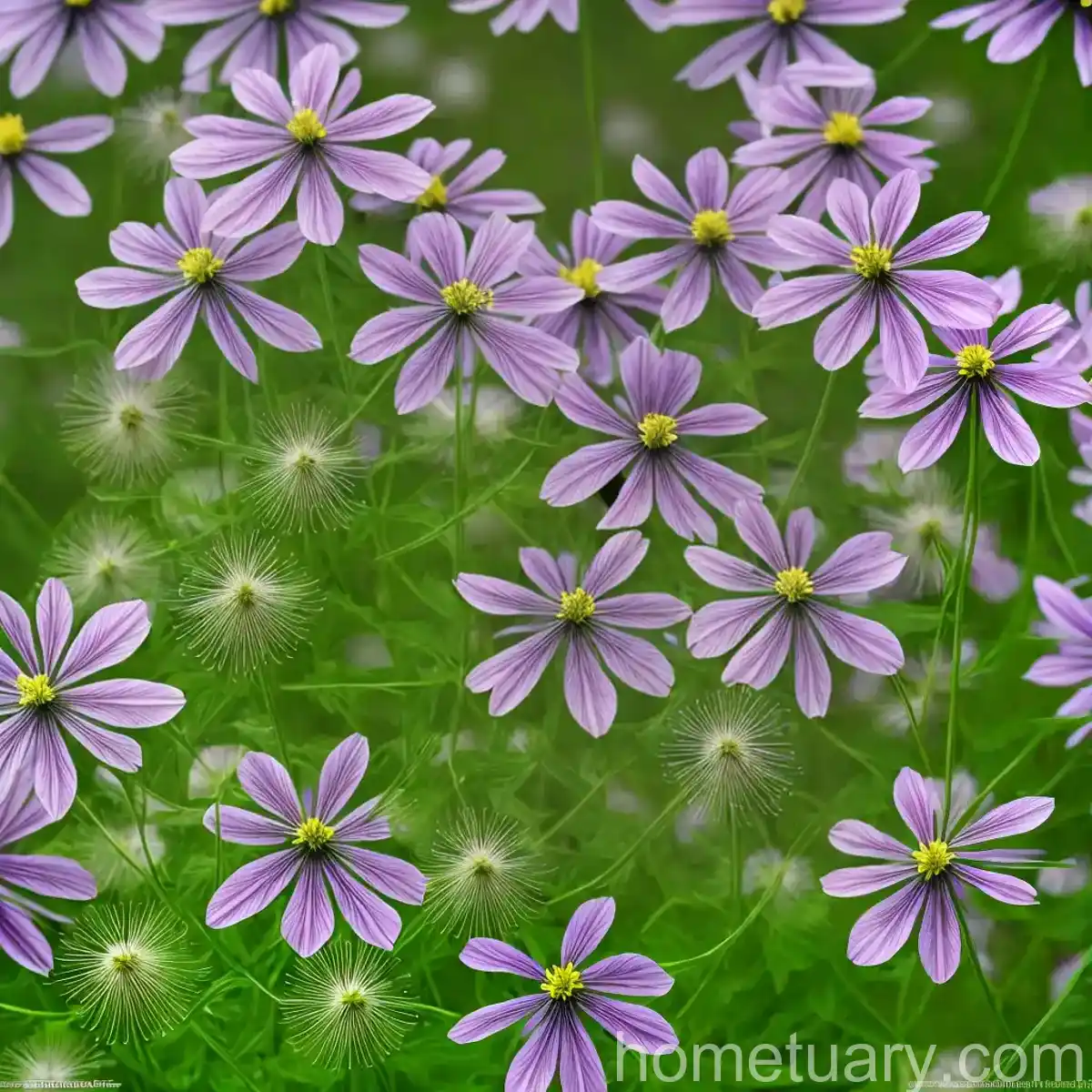
Meadow Rue (Thalictrum squarrosum) – The Ultimate Plant Care Guide
As a passionate plant scientist, I am thrilled to delve into the mesmerizing world of Thalictrum squarrosum, commonly known as meadow rue. This elegant and versatile plant holds a special place in the hearts of gardeners and botanists alike. In this comprehensive guide, we will explore the various facets of this enchanting species, from its cultural requirements to its propagation methods, common diseases, and everything in between.
What is Meadow Rue (Thalictrum squarrosum)?
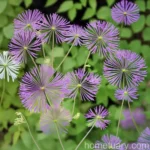
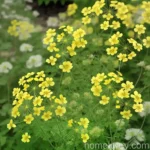
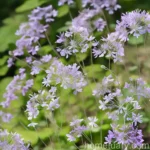
Thalictrum squarrosum, or meadow rue, belongs to the Ranunculaceae family, which encompasses a diverse array of flowering plants. This species is renowned for its striking, airy inflorescences and delicate, lacy foliage, which contribute to its ethereal presence in gardens and natural landscapes.
Key Takeaways
Before we embark on our journey to unravel the nuances of caring for meadow rue, let’s consider some key takeaways that we will explore in detail:
- Cultural Attributes: Understanding the culture and uses of Thalictrum squarrosum.
- Growing Conditions: Water, sunlight, soil, and fertilizer requirements.
- Maintenance: Pruning, propagation, and container gardening tips.
- Common Challenges: Identifying and addressing diseases and pests.
- Botanist’s Insights: Expert tips and fun facts about meadow rue.
Now, let’s untangle the mystique surrounding Thalictrum squarrosum and equip ourselves with a depth of knowledge to nurture and appreciate this remarkable plant.
Cultural Attributes of Meadow Rue
Understanding the cultural attributes of meadow rue is essential in harnessing its full potential in various landscapes and garden settings.
Uses
Thalictrum squarrosum bears significance in horticulture, landscaping, and even traditional medicine. Its versatile uses include:
- Ornamental Purposes: Adorn borders, meadows, and cottage gardens with the delicate beauty of meadow rue.
- Wildlife Enhancement: Attract pollinators such as bees and butterflies, enriching the biodiversity of your outdoor space.
- Medicinal Potential: Explore its potential medicinal uses, which may include anti-inflammatory properties and more.
Growing Conditions for Meadow Rue
To ensure the vitality and exuberance of Thalictrum squarrosum, it is imperative to meet its specific growth requirements.
Water
Meadow rue thrives in consistently moist soil, yet it is crucial to avoid waterlogging. Adequate drainage is essential to prevent root rot and other water-related issues.
Sunlight
While meadow rue appreciates partial shade, it can also flourish in full sun, especially if provided with sufficient moisture. Finding the ideal balance of sunlight and shade is pivotal to its overall well-being.
Soil
The ideal soil for Thalictrum squarrosum is rich, well-draining, and humus-rich. A slightly acidic to neutral pH range is preferred, providing the necessary foundation for robust growth.
Fertilizer
Applying a balanced and organic fertilizer in early spring can bolster the healthy development of meadow rue. However, excessive fertilization should be avoided to prevent potential adverse effects.
Pruning and Propagation of Meadow Rue
Mastering the art of pruning and propagating meadow rue ensures the perpetuation of its beauty and abundance.
Pruning
Pruning meadow rue primarily involves the removal of spent flowers and controlling the plant’s height to maintain its desired appearance. Pruning should be conducted after the flowering period to promote a tidy and rejuvenated growth habit.
Propagation
Thalictrum squarrosum can be propagated through division, seed sowing, or cutting propagation, offering a range of methods to propagate new plants and expand the presence of this graceful species.
Meadow Rue in Containers
Embracing the world of container gardening allows for the enchanting presence of meadow rue to grace even the smallest of spaces.
Popularity in Containers
Meadow rue’s graceful form and adaptability make it a captivating addition to container gardens, balcony ensembles, and indoor plant collections, enriching diverse environments with its ethereal allure.
Common Diseases and Pest Management
Adversities in the form of diseases and pests can impede the thriving vigor of meadow rue, necessitating vigilant management strategies.
Common Diseases
Meadow rue may be susceptible to fungal diseases such as powdery mildew and leaf spots. Monitoring for early signs of disease and addressing them promptly is crucial in averting substantial harm to the plant.
Pest Infestations
Pests like aphids and spider mites can pose a threat to the well-being of meadow rue. Regular inspection and, if needed, targeted interventions can help maintain the plant’s resilience against these potential adversaries.
Botanist’s Tips and Fun Facts
Unveiling the insights and lesser-known facets of meadow rue can deepen our appreciation for this captivating species.
Botanist’s Tips
- Ensure adequate air circulation around meadow rue to minimize the risk of fungal diseases.
- Regularly monitor soil moisture levels to prevent fluctuations that may impact the plant’s health.
Fun Facts
- Thalictrum squarrosum is an excellent candidate for naturalistic plantings and ecological restoration efforts.
- The delicate foliage of meadow rue contributes to its ethereal and whimsical appeal, especially when swaying in the breeze.
External Resources
Undoubtedly, the pursuit of knowledge and expertise in cultivating meadow rue extends beyond the scope of this guide. Delving into the wealth of external resources can enrich our understanding and practical skills in nurturing Thalictrum squarrosum.
Plant Name: Meadow Rue (Thalictrum squarrosum)
As you broaden your horizons and deepen your connection with meadow rue, I encourage you to explore the following external resources for valuable insights and guidance:
- Royal Horticultural Society (RHS): Meadow Rue
- Missouri Botanical Garden: Thalictrum squarrosum
- American Horticultural Society: Growing Meadow Rue
- The Plant List: Thalictrum squarrosum
Conclusion
As we draw our exploration of the alluring Thalictrum squarrosum to a close, I hope this comprehensive guide has ignited and enriched your passion for meadow rue. From its cultural uses to the intricacies of its care and maintenance, meadow rue stands as a captivating testament to the wondrous world of plants. Embrace the grace and versatility of Thalictrum squarrosum as you embark on a fulfilling journey of gardening, horticulture, and botanical appreciation.
The enigmatic allure of meadow rue awaits, ready to enrich our lives and landscapes with its delicate charm and resilience. Let the ethereal presence of Thalictrum squarrosum illuminate your garden and captivate your heart.