The Beauty of Stipa Barbata (Silver Feather Grass)
Stipa barbata, commonly known as Silver Feather Grass, is a stunning ornamental grass that is favored by gardeners and landscapers alike for its elegant and ethereal appearance. This grass species belongs to the Poaceae family and is native to the Mediterranean region, where it thrives in dry, rocky, and arid environments. With its feathery panicles and graceful habit, Stipa barbata adds texture, movement, and visual interest to gardens and landscapes, making it a popular choice for both residential and commercial plantings.
In this comprehensive guide, we will delve into the various aspects of cultivating and caring for Stipa barbata, including its cultural requirements, uses in landscaping, maintenance tips, propagation methods, common diseases and pests, as well as interesting botanical insights and fun facts. Whether you are a novice gardener or a seasoned horticultural enthusiast, this article will provide you with valuable insights into the world of Silver Feather Grass and its role in sustainable and visually impactful landscaping.
Key Takeaways – Stipa Barbata (Silver Feather Grass)
Before we delve into the specifics of Silver Feather Grass care and cultivation, let’s highlight some key takeaways that capture the essence of this alluring ornamental grass:
- Stipa barbata, also known as Silver Feather Grass, is a versatile ornamental grass valued for its delicate, feathery panicles and graceful, arching growth habit.
- This grass species is well-suited for a range of landscape applications, including borders, rock gardens, xeriscapes, and sustainable landscapes due to its drought tolerance and low-maintenance nature.
- Cultivating Stipa barbata requires attention to its preferred growing conditions, including well-drained soil, ample sunlight, and minimal water requirements once established.
- The ornamental and ecological value of Silver Feather Grass extends beyond its visual appeal, as it provides habitat and food for wildlife, enhances soil stabilization, and contributes to erosion control in landscapes.
With these key takeaways in mind, let’s explore the various facets of Stipa barbata, from its cultural requirements to its ecological significance and practical uses in landscaping.
What is Stipa Barbata (Silver Feather Grass)?
Stipa barbata, known by the common names of Silver Feather Grass or Moroccan Feather Grass, is a perennial grass species belonging to the Stipa genus within the Poaceae family. This striking ornamental grass is indigenous to the Mediterranean region, particularly across parts of southern Europe, North Africa, and Western Asia, where it thrives in arid and rocky habitats. Renowned for its graceful, arching foliage and airy, feathery inflorescences, Stipa barbata is a favored choice for adding texture, movement, and visual interest to gardens, landscapes, and naturalistic planting schemes.
Botanical Features of Stipa Barbata
Stipa barbata is characterized by several distinct botanical features that contribute to its ornamental and ecological appeal. Some of the notable traits of this species include:
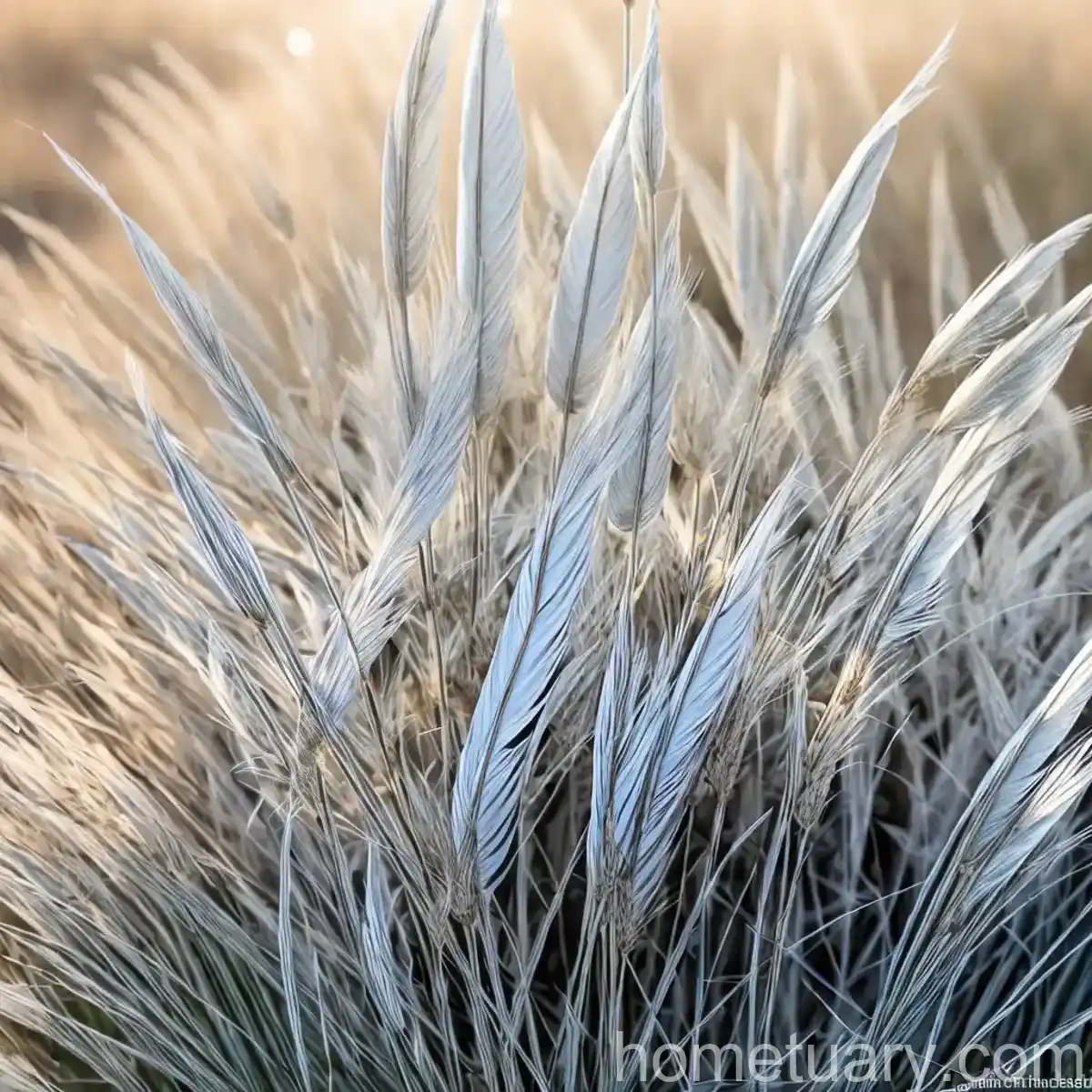
- Feathery Panicles: The inflorescences of Stipa barbata consist of delicate, feathery panicles that emerge in late spring or early summer, creating a soft and ethereal effect in the landscape. The pale, silvery-white panicles sway gracefully in the breeze, adding a dynamic element to garden compositions.
- Narrow, Arching Foliage: The foliage of Stipa barbata is slender and arching, forming dense tufts of graceful, green or bluish-green leaves. The slender nature of the foliage lends a delicate and refined quality to this ornamental grass, making it an excellent choice for creating a sense of movement and fluidity in the landscape.
- Clumping Growth Habit: Stipa barbata exhibits a clumping growth habit, gradually forming expanding tufts of foliage and inflorescences over time. The clumping nature of this grass makes it well-suited for mass plantings, borders, and groupings, where it can create a cohesive and visually impactful display.
Now that we have gained an understanding of the botanical characteristics that define Stipa barbata, let’s explore the various elements involved in caring for and cultivating this captivating ornamental grass.
Culture
Cultivating Stipa barbata (Silver Feather Grass) requires an understanding of its specific cultural requirements, including its preferences for soil, sunlight, water, and other environmental conditions. By providing the right cultural framework, gardeners can facilitate the optimal growth and development of this ornamental grass, enabling it to thrive and contribute to the beauty and ecological richness of the landscape.
Uses
Stipa barbata (Silver Feather Grass) holds significant value as an ornamental grass, offering a range of practical and aesthetic uses in landscaping and garden design. Some of the key uses of Silver Feather Grass include:
- Textural Contrast: The feathery panicles and arching foliage of Stipa barbata create textural contrast in the landscape, making it an excellent choice for adding visual interest and depth to garden compositions.
- Movement and Fluidity: The graceful, swaying nature of Silver Feather Grass imparts a sense of movement and fluidity to garden beds and borders, enhancing the dynamic appeal of the landscape.
- Wildlife Habitat: Stipa barbata provides habitat and food for a variety of wildlife, including birds and insects, making it a valuable addition to wildlife-friendly gardens and naturalistic landscapes.
- Erosion Control: The dense, fibrous root system of Silver Feather Grass contributes to soil stabilization and erosion control, making it an ideal choice for landscapes with sloping terrain or soil erosion challenges.
The versatility of Stipa barbata extends to its aesthetic, ecological, and functional uses in diverse landscaping contexts, making it a desirable choice for creating visually captivating and environmentally conscious outdoor spaces.
Water
In terms of water requirements, Stipa barbata displays a preference for well-drained soil and moderate moisture levels. When establishing this ornamental grass, it is essential to provide regular watering to support initial root development and ensure adequate hydration. Once Stipa barbata is established, it exhibits good drought tolerance and can thrive with minimal supplemental irrigation, particularly in regions with adequate rainfall or arid climates. Overly wet or poorly drained soil can lead to root rot and other moisture-related issues, so it is crucial to avoid waterlogged conditions that can compromise the health of Silver Feather Grass.
Sunlight
Silver Feather Grass flourishes in full sunlight or partial shade, preferring at least 6-8 hours of direct sunlight each day for optimal growth and development. Adequate sunlight is essential for promoting healthy foliage and robust flowering in Stipa barbata, as it fuels the photosynthetic processes that sustain the plant’s energy reserves. In shadier locations, the growth habit of Silver Feather Grass may become more open and less dense, compromising its ornamental impact and visual appeal. Therefore, when selecting planting sites for Stipa barbata, prioritize locations that receive ample sunlight to maximize its aesthetic potential.
Fertilizer
In general, Stipa barbata is not an overly demanding feeder and can thrive in moderately fertile soil without the need for frequent fertilization. Excessive nitrogen-rich fertilizers should be avoided, as they can promote lush, floppy growth and compromise the delicate and airy nature of Silver Feather Grass. An application of a balanced, slow-release fertilizer in the spring can provide a gentle nutrient boost to support the early growth and development of Stipa barbata. However, it is important to exercise restraint with fertilization to avoid overstimulating the plant and inducing excessive vegetative growth at the expense of its graceful and natural form.
Soil
The soil preferences of Stipa barbata are centered around well-drained, sandy, or loamy soil with a slightly acidic to neutral pH range. This ornamental grass thrives in soil that allows excess moisture to dissipate freely, preventing waterlogging and root suffocation. Amending heavy clay soil with organic matter, such as compost or well-rotted manure, can improve drainage and create a more hospitable growing environment for Silver Feather Grass. Additionally, the addition of coarse sand or perlite can enhance soil porosity and prevent the onset of waterlogged conditions, which can be detrimental to the health and vigor of Stipa barbata.
Pruning
Pruning Silver Feather Grass is a straightforward process that primarily involves the removal of dead or damaged foliage and inflorescences to maintain the plant’s aesthetic appeal and vigor. In late winter or early spring, Stipa barbata can be cut back to remove any discolored or spent growth, rejuvenating the appearance of the plant in preparation for the new growing season. Using sharp and clean gardening shears, trim the foliage and inflorescences of Silver Feather Grass to the desired height, taking care to preserve the natural arching form and delicacy of the plant. Minimal pruning is generally sufficient to keep Stipa barbata looking tidy and vibrant throughout the year.
Propagation
The propagation of Stipa barbata can be achieved through various methods, including division, seed sowing, and transplanting, each offering unique advantages and considerations for successful propagation. Gardeners and horticulturists can explore these propagation techniques to expand their collection of Silver Feather Grass and introduce it to new areas of the landscape.
Division
Dividing established clumps of Stipa barbata is a reliable and straightforward method of propagation, particularly in early spring when new growth is beginning to emerge. To propagate Silver Feather Grass through division, follow these simple steps:
- Using a sharp spade or garden knife, carefully dig up the clump of Stipa barbata, taking care to preserve the root system and associated soil.
- Gently tease apart the clump into smaller sections, ensuring that each division has a sufficient amount of healthy roots and foliage.
- Replant the divided sections of Silver Feather Grass in prepared planting sites, ensuring adequate spacing and soil contact for successful establishment.
Division allows gardeners to multiply their existing stock of Stipa barbata and rejuvenate older clumps that may be exhibiting reduced vigor or density.
Seed Sowing
Sowing Stipa barbata seeds is a cost-effective and rewarding method of propagation, offering the opportunity to grow new plants from collected seed or commercially available seed packets. To propagate Silver Feather Grass from seeds, consider the following guidelines for successful seed sowing:
- Choose a well-drained and fertile seedbed for sowing Stipa barbata seeds, ensuring that the soil is free of weeds and debris.
- Sow the seeds at the appropriate depth, typically shallowly covered with a thin layer of soil, and water gently to settle them in place.
- Keep the seedbed consistently moist, providing the appropriate conditions for germination and initial seedling establishment.
Seed propagation allows for the generation of a large number of Stipa barbata plants, offering flexibility and diversity in landscaping and garden design.
Transplanting
Transplanting young offsets or divisions of Stipa barbata is an effective means of extending the presence of Silver Feather Grass to new areas of the garden or landscape. When transplanting Stipa barbata, consider the following steps to ensure successful establishment and growth:
- Select healthy and well-rooted offsets or divisions of Stipa barbata for transplanting, ensuring that they have a robust root system and adequate top growth.
- Prepare the receiving planting site by amending the soil as needed and creating a suitable planting hole that accommodates the roots of the transplanted Silver Feather Grass.
- Plant the offsets or divisions at the appropriate depth, taking care to position them securely and backfilling with soil to provide firm support.
Transplanting Stipa barbata offers a means of redistributing this striking ornamental grass within the landscape, allowing for creative and strategic placement in garden compositions.
Container Popularity
Stipa barbata exhibits popularity as a container plant, offering a versatile and visually captivating accent for patios, terraces, and outdoor living spaces. The graceful and arching form of Silver Feather Grass lends itself well to container cultivation, providing an elegant and dynamic presence in both contemporary and traditional container designs. When selecting containers for Stipa barbata, prioritize spacious and well-drained pots that accommodate the robust root system and vigorous growth habit of this ornamental grass. Additionally, ensure that the container receives adequate sunlight and is positioned in a location where the feathery panicles can catch the breeze, adding a sense of movement and liveliness to the container display.
Common Diseases
Stipa barbata is generally resistant to most serious diseases and pests, owing to its adaptability and resilience in challenging growing conditions. However, like all plants, Silver Feather Grass can be affected by certain diseases and disorders that may impair its growth and vigor if left unmanaged. Some of the common diseases that can affect Stipa barbata include:
- Leaf Spot: Fungal leaf spot diseases can afflict the foliage of Stipa barbata, causing dark, concentric lesions and leaf discoloration. Maintaining good air circulation and avoiding overhead watering can mitigate the risk of leaf spot diseases in Silver Feather Grass.
- Root Rot: Prolonged exposure to excessively wet or waterlogged soil can lead to the development of root rot in Stipa barbata, causing root decay and impaired nutrient uptake. Ensuring well-drained soil and avoiding waterlogged conditions are essential for preventing root rot issues.
By monitoring the health of Stipa barbata and implementing preventive measures, gardeners can mitigate the risk of disease outbreaks and maintain the vitality of this enchanting ornamental grass.
Disease Diagnosis
Diagnosing diseases in Stipa barbata entails careful observation of the plant’s appearance and symptoms, as well as an assessment of its growing environment and cultural practices. When identifying and diagnosing diseases in Silver Feather Grass, consider the following steps:
- Symptom Recognition: Look for characteristic symptoms such as leaf spots, wilting foliage, discoloration, or other abnormalities that may indicate the presence of a disease or disorder.
- Environmental Assessment: Evaluate the growing conditions, including soil moisture, drainage, sunlight exposure, and air circulation, to identify any potential factors that may contribute to disease development.
- Cultural Review: Consider the plant’s care and maintenance practices, including watering, fertilization, and pruning, to assess whether any cultural factors may be exacerbating disease susceptibility.
By conducting a thorough assessment and analysis, gardeners can effectively diagnose diseases in Stipa barbata and implement targeted management strategies to restore the health and vigor of this ornamental grass.
Common Pests
While Stipa barbata is generally resistant to most serious pest infestations, it may still be susceptible to certain insect pests that can affect its appearance and vitality. Some of the common pests that may target Silver Feather Grass include:
- Aphids: These sap-sucking insects can infest the foliage and stems of Stipa barbata, causing distortion, wilting, and the secretion of honeydew.
- Grasshoppers: Feeding damage from grasshoppers can result in defoliation and physical injury to the foliage of Silver Feather Grass, impacting its overall appearance and health.
By monitoring for the presence of pests and implementing targeted control measures, gardeners can safeguard the aesthetic and ecological value of Stipa barbata in the landscape.
Botanist’s Tips
As botanists and plant enthusiasts, we can offer valuable insights and tips for cultivating and appreciating the beauty of Stipa barbata. Here are some botanical tips to guide the successful cultivation and enjoyment of Silver Feather Grass:
- Embrace Its Natural Form: Allow the graceful and arching nature of Stipa barbata to take center stage in the landscape, appreciating its natural form and movement as a defining feature.
- Pairing and Companions: Consider incorporating Stipa barbata into plant combinations and groupings that enhance its ornamental qualities and create harmonious compositions in the garden.
- Seasonal Interest: Recognize the seasonal changes and interest provided by Silver Feather Grass, from the emergence of feathery panicles in spring to the refined foliage that persists throughout the year.
By embracing the unique characteristics and appeal of Stipa barbata, we can fully appreciate its role as a captivating and dynamic element in gardens and landscapes.
Fun Facts
To further stimulate your fascination with Stipa barbata, here are some intriguing fun facts about Silver Feather Grass that highlight its captivating qualities and ecological contributions:
- Ethnobotanical Significance: In some cultures, Stipa barbata has been used for traditional crafts and weaving, owing to the strength and flexibility of its slender leaves and culms.
- Wind-dispersed Seeds: The airborne seeds of Silver Feather Grass are dispersed by the wind, ensuring its wide distribution in suitable habitats and contributing to its ecological resilience.
- Historical Uses: In historic landscapes and gardens, Stipa barbata has been valued for its enduring beauty and soft, textural qualities, earning it a place as a timeless ornamental grass.
These fun facts underscore the rich cultural, ecological, and aesthetic significance of Stipa barbata, further enhancing its allure and appeal as a captivating plant species.
Links to External Resources:
- Royal Horticultural Society – Stipa barbata
- Missouri Botanical Garden – Stipa barbata
- Fine Gardening – Silver Feather Grass
As we conclude our exploration of Stipa barbata (Silver Feather Grass), we have gained a comprehensive understanding of its cultural requirements, uses in landscaping, maintenance tips, propagation methods, common diseases and pests, as well as fascinating botanical insights and fun facts. This captivating ornamental grass enriches gardens and landscapes with its ethereal beauty, ecological contributions, and versatile presence, making it a cherished element in horticultural and environmental contexts. By embracing the unique qualities and enduring allure of Stipa barbata, we celebrate its role as a visually captivating, ecologically beneficial, and culturally significant plant species.