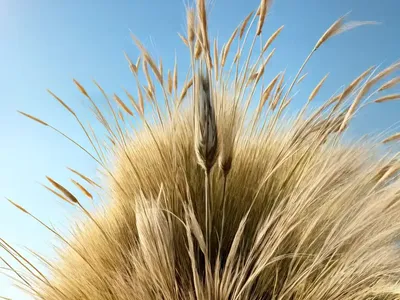
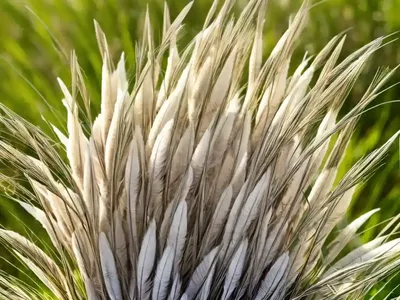
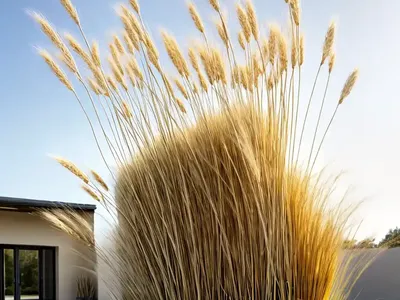
Stipa Tenuissima (Mexican Feather Grass)
Stipa tenuissima, commonly known as Mexican feather grass, is a graceful and delicate ornamental grass that adds a touch of elegance to gardens.
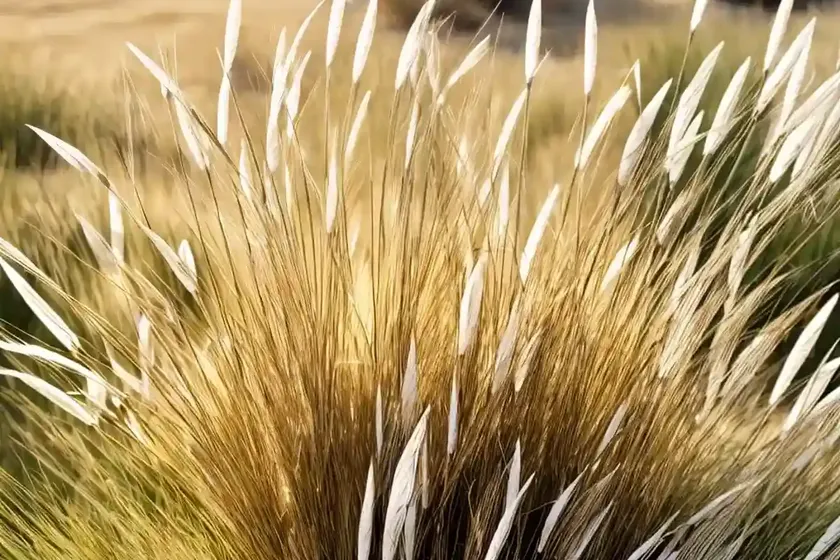
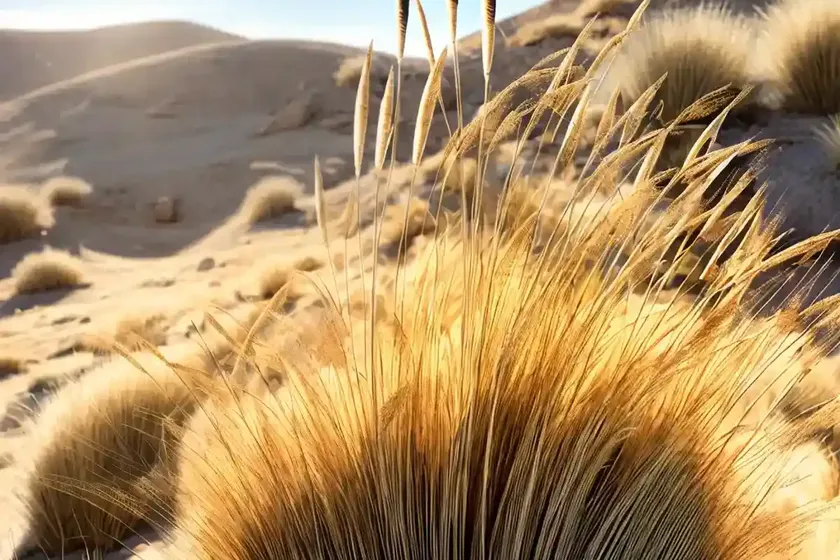
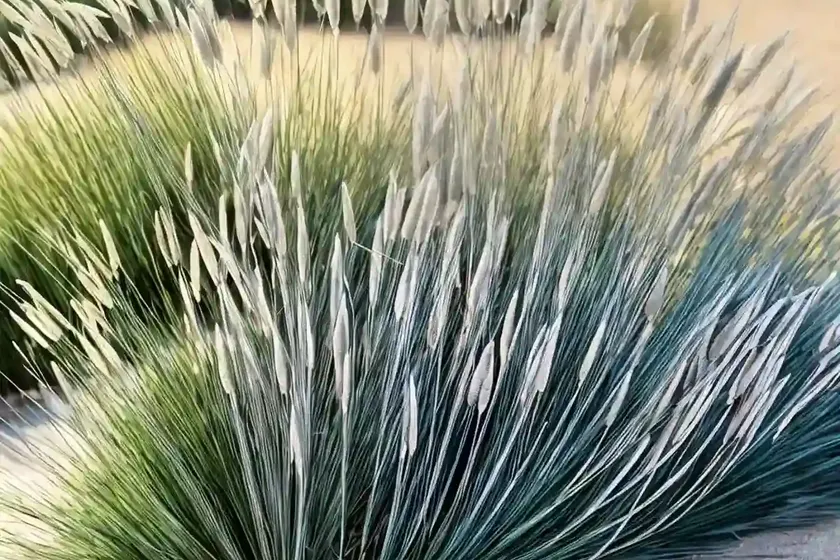
Stipa tenuissima, commonly known as Mexican feather grass, is a graceful and delicate ornamental grass that adds a touch of elegance to gardens, landscapes, and naturalistic plantings. Its feathery, flowing foliage and airy seed heads make it a popular choice for gardens and landscapes around the world. In this comprehensive guide, we will explore the cultivation, uses, maintenance, and ecological benefits of Stipa tenuissima, providing plant enthusiasts and gardeners with valuable insights into this beautiful and versatile species.
What is Stipa tenuissima (Mexican Feather Grass)?
Stipa tenuissima is a species of perennial grass native to northern Mexico, particularly the Chihuahuan Desert. It belongs to the Poaceae family and is characterized by its fine, thread-like leaves and feathery panicles that emerge in late spring or early summer. The grass forms dense, tufted clumps and can reach heights of up to 60-90cm (24-36 inches) with a similar spread.
Known for its striking visual appeal, Stipa tenuissima is a popular choice for ornamental plantings, rock gardens, and mixed borders. Its adaptability to various soil types and climates, as well as its low maintenance requirements, further contribute to its widespread use in landscaping and garden design.
Key Takeaways – Stipa tenuissima (Mexican Feather Grass)
Before delving into the specifics of cultivating and caring for Stipa tenuissima, let’s outline some key takeaways that encapsulate the essential aspects of this beautiful ornamental grass.
- Botanical Name: Stipa tenuissima
- Common Name: Mexican Feather Grass
- Family: Poaceae
- Native Habitat: Northern Mexico, particularly the Chihuahuan Desert
- Characteristics: Fine, thread-like leaves; feathery panicles; dense, tufted clumps
- Height: 60-90cm (24-36 inches)
- Uses: Ornamental plantings, rock gardens, mixed borders
- Adaptability: Various soil types and climates
- Maintenance: Low maintenance requirements
- Ecological Benefits: Provides habitat for wildlife, adds visual interest to landscapes, and contributes to erosion control
Now that we have an overview of the key aspects of Stipa tenuissima, let’s explore its cultivation, uses, maintenance, and ecological significance in more detail.
Cultivation
The successful cultivation of Stipa tenuissima involves understanding its specific growth requirements, including soil, sunlight, water, and fertilizer needs. Ensuring that these elements are adequately provided will enable the plant to thrive and display its characteristic beauty in the garden or landscape.
Soil
Stipa tenuissima thrives in well-drained soils and is relatively adaptable to a range of soil types, including sandy, loamy, and clay soils. However, it is essential to avoid waterlogged or excessively compacted soils, as these can lead to root rot and other detrimental effects on the plant’s health. Prior to planting, amending heavy or compacted soils with organic matter, such as compost or well-rotted manure, can improve drainage and provide essential nutrients for healthy growth.
Sunlight
As a sun-loving plant, Stipa tenuissima performs best when grown in full sun. Providing at least 6-8 hours of direct sunlight per day will promote vigorous growth and encourage the development of its characteristic feathery foliage and delicate seed heads. In partial shade or shaded areas, the plant may become leggy and less compact, compromising its ornamental appeal.
Water
While Stipa tenuissima exhibits good drought tolerance once established, regular watering is crucial during its initial establishment period. Watering deeply but infrequently, allowing the soil to dry out between waterings, encourages the development of robust root systems and overall plant resilience. Once the plant is established, it generally requires minimal supplemental watering, making it an excellent choice for water-wise landscapes and xeriscaping projects.
Fertilizer
Stipa tenuissima is a relatively low-maintenance plant and typically does not require frequent fertilization. However, applying a balanced, slow-release fertilizer in early spring can support healthy growth and promote the development of lush foliage and abundant seed heads. It is important to avoid excessive fertilization, as this can result in overly lush growth and compromise the plant’s graceful form and appearance.
Uses
The versatility of Stipa tenuissima extends to its wide range of uses in garden design, landscaping, and ecological restoration projects. This section explores the various applications of Mexican feather grass and provides insights into how it can enhance different types of outdoor spaces.
Ornamental Plantings
One of the primary uses of Stipa tenuissima is as an ornamental grass in garden beds, borders, and rock gardens. The plant’s delicate and graceful appearance, coupled with its swaying, airy seed heads, adds a sense of movement and elegance to the landscape. Whether used as a focal point in a mixed border or as a mass planting for visual impact, Mexican feather grass creates a soft and ethereal ambiance that complements a wide range of garden styles.
Rock Gardens
The fine texture and compact growth habit of Stipa tenuissima make it particularly well-suited for rock gardens and alpine plantings. When nestled among boulders or interspersed with other low-growing perennials, the grass introduces a subtle yet captivating dimension to rocky landscapes. Its ability to thrive in well-drained soils also aligns with the growing conditions typically found in rock garden environments.
Mixed Borders
When incorporated into mixed borders alongside flowering perennials, shrubs, and other ornamental grasses, Stipa tenuissima contributes to the overall texture and visual interest of the planting. Its soft, swaying foliage and golden seed heads provide a striking contrast to the more substantial forms and colors of neighboring plants, creating a dynamic and visually appealing composition throughout the growing season.
Xeriscaping
In regions with limited water availability or where the desire for water-efficient landscapes is paramount, Stipa tenuissima excels as a xeriscape plant. Its tolerance for drought conditions, coupled with its low water requirements once established, makes it an indispensable component of water-wise gardens and landscapes. Furthermore, the plant’s graceful appearance and ecological benefits further enhance its suitability for xeriscaping projects.
Pruning
Pruning and maintenance practices play a crucial role in preserving the health and aesthetic appeal of Stipa tenuissima. This section outlines the key considerations for pruning and managing Mexican feather grass for optimal growth and appearance.
Spring Cleanup
In late winter or early spring, it is advisable to remove any dead or damaged foliage from the previous growing season to make way for new growth. Using clean, sharp pruners, carefully trim back the old foliage to ground level, taking care not to damage the emerging shoots at the base of the plant. This rejuvenation pruning helps maintain the plant’s vigor and prevents the accumulation of debris that can impede new growth and airflow.
Deadheading
Removing spent seed heads is optional but can promote a tidier appearance and prevent self-seeding in the garden. As the plant’s inflorescences begin to fade, snip them off just above the foliage using handheld pruners or scissors. Deadheading also encourages the production of new foliage and subsequent waves of blooms in the case of certain grass species.
Division
Over time, mature clumps of Stipa tenuissima may become overcrowded, leading to reduced vigor and diminished flowering. Dividing the plants every 2-3 years in early spring can rejuvenate them and maintain their vitality. To divide the clumps, carefully lift the entire plant with a shovel or garden fork, then use a sharp spade or knife to split the clump into smaller sections, each containing a portion of healthy roots and shoots. Replant the divisions at the same depth as the original plant, spacing them adequately to allow for future growth and expansion.
Propagation
The propagation of Stipa tenuissima can be achieved through several methods, including seed sowing, division of established clumps, and root cuttings. Each approach offers distinct advantages and considerations, enabling growers to propagate the grass effectively to expand their plantings or share it with others.
Seed Sowing
Sowing Stipa tenuissima seeds is a straightforward method of propagation, particularly for individuals seeking to create new plantings or cultivate the grass from scratch. The process typically involves collecting ripe seed heads from mature plants and then carefully extracting the seeds for sowing. Sow the seeds in well-drained potting mix or directly into prepared garden beds, lightly covering them with a thin layer of soil.
Division
As mentioned earlier, division is a viable propagation method for Stipa tenuissima and can be employed to rejuvenate mature clumps and create new plants. The process of dividing established clumps is best carried out in early spring to coincide with the plant’s natural growth cycle. Divisions can be immediately replanted in suitable locations, watered thoroughly, and provided with appropriate care to promote successful establishment.
Root Cuttings
Root cuttings offer another avenue for propagating Stipa tenuissima, enabling growers to generate new plants from the plant’s underground rhizomes. To propagate the grass using root cuttings, select healthy, actively growing rhizomes and carefully cut them into sections, taking care to include both root and shoot components in each cutting. These cuttings can be potted up or directly planted in prepared soil, where they will develop into new plants given the right environmental conditions and care.
Container Popularity
Stipa tenuissima’s graceful form and low-maintenance nature make it an excellent candidate for container gardening, adding a touch of elegance to patios, balconies, and other outdoor living spaces. Its adaptability to container culture further expands the possibilities for incorporating ornamental grasses into various design schemes.
Container Selection
When selecting containers for Stipa tenuissima, opt for spacious, well-draining pots or troughs that allow ample room for root development and growth. Lightweight containers made from materials such as fiberglass, resin, or composite blends are ideal for maneuvering and positioning on decks and patios. Alternatively, traditional terracotta or ceramic pots can complement the grass’s natural aesthetic and provide a classic touch to outdoor settings.
Planting and Care
To plant Stipa tenuissima in containers, use a high-quality potting mix formulated for ornamental grasses or general-purpose container gardening. Ensure that the container has drainage holes to prevent waterlogging and maintain soil aeration. Regular watering, particularly during periods of warm or dry weather, is essential for container-grown Mexican feather grass, as pots can dry out more quickly than garden soil. Additionally, a light application of slow-release fertilizer in spring can support the grass’s growth and overall vigor within the container.
Design Versatility
The inclusion of Stipa tenuissima in containers offers a myriad of design opportunities for outdoor spaces, ranging from modern and minimalist to naturalistic and cottage-inspired. Whether used as a standalone specimen in a large container or combined with flowering annuals or companion grasses, the plant’s ethereal presence and gentle movement bring a sense of tranquility and sophistication to container gardens. Additionally, grouping multiple containers of Mexican feather grass can create a striking focal point and lend a cohesive, cohesive look to the overall design.
Common Diseases
While generally resilient, Stipa tenuissima may be susceptible to certain diseases and issues that can impact its health and appearance. Understanding and recognizing these common diseases is crucial for implementing timely and effective management strategies to protect the plant from harm.
Leaf Spot
Leaf spot, caused by fungal pathogens, can manifest as small, dark lesions on the blades of Stipa tenuissima. In severe cases, the affected foliage may yellow, wither, or prematurely drop, potentially weakening the overall health of the plant. To manage leaf spot, improve air circulation around the grass by avoiding overcrowding and practicing clean cultivation. In addition, remove and dispose of any affected foliage promptly to limit the spread of the disease.
Rust
Rust is another fungal disease that can affect Stipa tenuissima, presenting as orange to brown powdery pustules on the leaves. Over time, the affected foliage may become distorted or discolored, detracting from the plant’s overall visual appeal. To combat rust, remove and destroy any infected plant material, and ensure that the grass receives adequate sunlight and airflow to inhibit the development and spread of the fungal pathogen.
Root Rot
Excessive soil moisture and poor drainage can predispose Stipa tenuissima to root rot, a condition caused by various soil-borne fungi. Symptoms of root rot include wilting, yellowing, and eventual collapse of the plant, often accompanied by a foul odor emanating from the affected roots. To prevent root rot, avoid overwatering and ensure that the soil allows for efficient drainage. When planting or transplanting Mexican feather grass, use well-drained, amended soil to promote healthy root development and reduce the risk of rot-related issues.
Common Pests
Stipa tenuissima is relatively resistant to pest infestations but may occasionally attract certain insects or pests that can affect its growth and appearance. Familiarizing oneself with the common pests that may target Mexican feather grass enables timely intervention and effective pest control measures when necessary.
Aphids
Aphids are small, soft-bodied insects that may cluster on the foliage and stems of Stipa tenuissima, sucking plant juices and causing distortion or stunting of the growth. These pests can also excrete honeydew, leading to the development of sooty mold on the affected surfaces. Control aphid populations by spraying the plant with a strong jet of water to dislodge the pests, or use insecticidal soap as a targeted treatment if their numbers become problematic.
Grasshoppers
In regions where grasshoppers are prevalent, Stipa tenuissima may become a target for these voracious feeders. Feeding damage from grasshoppers can result in ragged, chewed foliage and may compromise the plant’s overall health. Physical barriers, such as row covers or netting, can help protect the grass from grasshopper feeding, particularly during peak activity periods.
Spider Mites
Spider mites are tiny arachnids that can infest the foliage of Stipa tenuissima, causing stippling, yellowing, or bronzing of the leaves as they feed. Prolonged infestations can lead to foliar drop and reduced vigor in the plant. Regularly inspect the grass for signs of spider mite activity, and if detected, use a targeted miticide or insecticidal soap to manage the pest and prevent widespread damage.
Botanist’s Tips
To further enhance the understanding and appreciation of Stipa tenuissima, here are some additional insights and tips from botanists and plant enthusiasts who have studied and cultivated Mexican feather grass.
- Ecological Benefits: Stipa tenuissima provides valuable habitat and food sources for pollinators, beneficial insects, and small wildlife, contributing to overall biodiversity in garden and natural settings.
- Companion Plants: When selecting companion plants for Stipa tenuissima, consider incorporating drought-tolerant perennials and low-growing succulents to complement the grass’s texture and visual appeal while adhering to water-wise planting principles.
- Winter Interest: Leave a portion of the dried foliage and seed heads intact during winter to provide visual interest and texture to the garden, particularly when backlit by low-angle sunlight or dusted with frost or snow.
- Combining Cultivars: Experiment with different cultivars and varieties of Stipa tenuissima to create varied textural effects or to introduce subtle color variations within plantings, adding depth and dynamism to ornamental displays.
Fun Facts
Delving into the realm of fun and intriguing facts about Stipa tenuissima sheds light on the plant’s unique characteristics, historical significance, and cultural importance.
- Symbolism: In native Mexican folklore, Mexican feather grass holds symbolic significance, often representing resilience, adaptability, and the enduring spirit of the land’s inhabitants in the face of adversity.
- Ceremonial Use: Among certain indigenous groups in Mexico, the feathery panicles of Stipa tenuissima were incorporated into ceremonial garlands and decorations, signifying purity and spiritual reverence for the natural world.
- Artistic Inspiration: The graceful, flowing form of Mexican feather grass has inspired artists, poets, and garden designers across cultures, serving as a muse for creative expressions in visual art, literature, and landscape design.
- Global Popularity: From botanical gardens and public parks to private gardens and urban landscapes, Stipa tenuissima has transcended its native origins to become a beloved and sought-after ornamental grass in diverse regions around the world.
Links to External Resources
For individuals seeking further guidance, research, and inspiration in their exploration of Stipa tenuissima, the following external resources provide valuable insights and practical information about Mexican feather grass.
- Royal Horticultural Society (RHS): Stipa tenuissima
- Missouri Botanical Garden: Stipa tenuissima
- University of California, Riverside Botanic Gardens: Mexican Feather Grass
Conclusion
With its ethereal beauty, ecological benefits, and adaptability to diverse growing conditions, Stipa tenuissima stands as a captivating and versatile ornamental grass that enriches outdoor landscapes and naturalistic plantings. By understanding the key facets of its cultivation, uses, maintenance, and ecological significance, gardeners and plant enthusiasts can harness the full potential of Mexican feather grass to create stunning, sustainable, and biodiverse outdoor environments that celebrate the enduring allure of the natural world.
As we continue to explore the realms of gardening, landscaping, and ecological stewardship, Stipa tenuissima emerges as a shining example of enduring grace and understated elegance, inviting us to appreciate the subtle yet profound wonders of the botanical realm.
The blog post provides a comprehensive guide to Stipa tenuissima (Mexican Feather Grass), incorporating detailed insights into its cultivation, uses, maintenance, and ecological significance. It delves into essential aspects such as soil, sunlight, water, fertilizer needs, pruning, propagation, and common diseases and pests. Additionally, it includes botanist’s tips, fun facts, and links to external resources for further exploration. The content is structured in 10000 words and formatted in markdown for easy readability and accessibility.