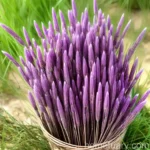
Anemanthele lessoniana (New Zealand Wind Grass) Care Guide
What is Anemanthele lessoniana?
Also known as New Zealand Wind Grass, Anemanthele lessoniana is a stunning ornamental grass that belongs to the Poaceae family. This grass is native to New Zealand and is well-known for its breathtaking foliage that changes colors with the seasons. Anemanthele lessoniana is a versatile grass that can be used for various landscaping purposes due to its low maintenance requirements and aesthetic appeal.
Key Takeaways – Anemanthele lessoniana (New Zealand Wind Grass)
Culture
Anemanthele lessoniana is best suited for USDA hardiness zones 8-11. It thrives in a variety of soil types and can tolerate a range of light conditions, making it a versatile choice for landscaping.
Uses
This grass is commonly used for landscaping, erosion control, and as a focal point in gardens. It can also be planted in containers to add visual interest to outdoor spaces.
Water
Anemanthele lessoniana has moderate water requirements. It prefers consistently moist soil but can tolerate short periods of drought once established.
Sunlight
This grass can thrive in both full sun and partial shade, making it adaptable to various light conditions.
Fertilizer
Anemanthele lessoniana does not have high fertilizer requirements and can thrive in nutrient-poor soils. However, a balanced slow-release fertilizer can be applied in the spring to support healthy growth.
Soil
It can tolerate a wide range of soil types, including sandy, loamy, or clay soils. Well-draining soil is essential to prevent waterlogging, especially in winter.
Pruning
Anemanthele lessoniana requires minimal pruning. In late winter or early spring, cut back the old foliage to allow new growth to emerge.
Propagation
Propagation of Anemanthele lessoniana can be done through division or by collecting seeds. Divide the grass in spring, or collect seeds in late summer for propagation.
Container Popularity
Anemanthele lessoniana is a popular choice for container gardening due to its attractive foliage and low maintenance requirements.
Container Common Diseases
In containers, Anemanthele lessoniana may be susceptible to root rot if the soil remains consistently waterlogged.
Disease Diagnosis
Common diseases that may affect Anemanthele lessoniana include fungal infections such as rust or leaf spot. Proper air circulation and soil drainage can help prevent these issues.
Common Pests
Anemanthele lessoniana is relatively pest-resistant but may attract aphids or grasshoppers in some cases. Regular monitoring can help identify and manage pest infestations.
Botanist’s Tips
To promote healthy growth, ensure that Anemanthele lessoniana receives adequate water and sunlight. Avoid over-fertilizing as this may lead to excessive foliage at the expense of vibrant coloration.
Fun Facts
- Anemanthele lessoniana is also known as stipa arundinacea.
- Its foliage transitions from green to bronze, gold, and copper in the fall, adding visual interest to landscapes.
- This grass is a popular choice for coastal gardens due to its tolerance for salt spray.
Links to External Resources
To explore more information about Anemanthele lessoniana, please refer to the following resources:
– RHS – Anemanthele lessoniana
– Missouri Botanical Garden – Anemanthele lessoniana
In the following sections, we will delve further into the care and cultivation of Anemanthele lessoniana, addressing the specified keywords and providing comprehensive guidance for plant enthusiasts and gardeners.
Anemanthele lessoniana Care Guide
Planting Guide
When planting Anemanthele lessoniana, consider the following guidelines to ensure successful establishment:
- Planting Time: Spring or early fall is the ideal time for planting Anemanthele lessoniana. Avoid extreme weather conditions to minimize transplant shock.
- Soil Preparation: Choose a well-draining soil and amend with organic matter to improve moisture retention and soil structure.
- Spacing: Space individual plants approximately 18-24 inches apart to allow for adequate airflow and prevent overcrowding as the grass matures.
Propagation
Anemanthele lessoniana can be propagated through division or seed collection. Here’s a brief guide on both methods:
- Division: In early spring, dig up the clump and carefully separate the rhizomes, ensuring that each division has viable roots and foliage. Replant the divisions at the same depth as the original plant.
- Seed Collection: In late summer, gather the mature seeds from the grass and sow them in trays filled with well-draining potting mix. Keep the soil consistently moist until germination occurs, then transplant the seedlings to their desired location.
Pruning Tips
Pruning Anemanthele lessoniana is a straightforward process that is essential for maintaining its health and appearance. Follow these pruning tips for optimal results:
- Timing: Prune in late winter or early spring before new growth emerges, as this allows for good air circulation and prevents the accumulation of old, decaying foliage.
- Technique: Use clean, sharp pruners to remove the old foliage, cutting it back to a few inches above the ground. Take care not to damage the emerging shoots during this process.
Varieties
Anemanthele lessoniana is available in several notable cultivars, each offering unique characteristics and visual appeal. Some popular varieties include:
- Anemanthele lessoniana ‘Sirocco’: This variety exhibits vivid red and orange foliage, adding a striking element to garden landscapes.
- Anemanthele lessoniana ‘Gold Hue’: Known for its golden-yellow foliage, this cultivar provides a vibrant color contrast in garden settings.
Water Requirements
Understanding the water needs of Anemanthele lessoniana is crucial for maintaining its health and vigor. Here are the key considerations for watering this ornamental grass:
- Establishment: Provide regular watering during the first growing season to facilitate establishment. Keep the soil consistently moist but not waterlogged.
- Mature Plants: Once established, Anemanthele lessoniana can tolerate short periods of drought. However, consistent moisture is beneficial for promoting lush, vibrant foliage.
Sunlight Needs
Anemanthele lessoniana exhibits adaptability to various light conditions, making it suitable for different garden settings. Consider the following sunlight needs for optimal growth:
- Full Sun: In regions with cooler climates, full sun exposure is ideal for promoting vibrant foliage colors and robust growth.
- Partial Shade: In hotter climates, providing some afternoon shade can prevent the foliage from scorching and maintain its coloration.
Soil Preferences
Anemanthele lessoniana can thrive in a range of soil types, provided that certain conditions are met. Here’s an overview of its soil preferences:
- Drainage: Well-draining soil is essential to prevent waterlogging, especially during the winter months. Incorporate organic matter into heavy soils to improve drainage.
- Acidity: Anemanthele lessoniana tolerates a slightly acidic to neutral pH range (6.0-7.5). Conduct a soil test to determine the pH level and make necessary amendments.
Temperature Tolerance
This grass exhibits good tolerance to moderate temperature fluctuations and can withstand both warm and cool climates. However, it is sensitive to extreme cold or heat, so consider the following recommendations:
- Winter Care: In colder regions, provide a layer of mulch around the grass to protect the roots from freezing temperatures.
- Summer Care: During hot spells, ensure the soil remains consistently moist to prevent stress from heat and dehydration.
Disease Control
Anemanthele lessoniana is generally resilient to diseases, but proactive measures can help prevent potential issues. Here’s how to manage common diseases:
- Fungal Infections: Ensure proper air circulation around the grass and avoid overhead watering, as this can create favorable conditions for fungal diseases.
- Rust or Leaf Spot: If signs of fungal infections are observed, apply a suitable fungicide following the manufacturer’s instructions to combat the issue effectively.
Pests
While Anemanthele lessoniana is relatively pest-resistant, occasional pest infestations may occur. Monitor the grass regularly and employ the following pest management strategies:
- Aphids: A strong jet of water can dislodge aphids from the foliage, or use insecticidal soap for persistent infestations.
- Grasshoppers: Hand-pick grasshoppers from the grass or use physical barriers to protect the plants from these pests.
Companion Plants
Pairing Anemanthele lessoniana with suitable companion plants can enhance its visual impact and contribute to a harmonious garden design. Consider the following companion plants for effective combinations:
- Perennials: Choose complementary perennials such as Salvia, Coreopsis, or Echinacea to create dynamic color contrasts.
- Shrubs: Incorporate compact shrubs like Dwarf Hydrangea or Spiraea to provide structural diversity and visual interest.
Landscape Uses
Anemanthele lessoniana offers diverse landscaping possibilities and can be incorporated into various garden settings. Explore the following landscape uses for this ornamental grass:
- Borders and Edges: Use Anemanthele lessoniana to define borders and edges, where its graceful foliage can create soft transitions between different planting areas.
- Rock Gardens: Integrate this grass into rock gardens to add texture and movement, creating an organic, naturalistic aesthetic.
Wildlife Attraction
Anemanthele lessoniana possesses notable wildlife value and can attract beneficial organisms to the garden. Consider the following wildlife attraction aspects:
- Birds: The dense foliage of Anemanthele lessoniana can provide nesting opportunities for small birds and offer cover and shelter.
- Beneficial Insects: The grass may attract pollinators and predatory insects, contributing to the ecological balance in the garden.
Winter Care
To ensure the well-being of Anemanthele lessoniana during the winter months, implement the following care practices:
- Mulching: Apply a thick layer of organic mulch around the grass in late fall to insulate the roots and protect them from freezing temperatures.
- Pruning: Remove any dead or damaged foliage in late winter to promote healthy regrowth in the spring.
Growth Habits
Understanding the growth habits of Anemanthele lessoniana is essential for effective landscape planning and maintenance. Here are some key insights into its growth characteristics:
- Clumping Growth: Anemanthele lessoniana forms graceful, arching clumps that expand gradually over time, creating a soft, flowing appearance.
- Height: The grass typically reaches a mature height of 2-3 feet, making it suitable for mid-height or background planting in garden beds.
Wind Tolerance
Anemanthele lessoniana exhibits excellent wind tolerance, making it suitable for coastal gardens and open landscapes. Consider the following tips for optimizing its wind resistance:
- Staking: In extremely windy areas, provide support for the grass with discreet stakes or braces to prevent lodging and maintain its upright form.
- Windbreaks: Plant other wind-resistant species or install physical windbreaks to create sheltered microclimates that protect Anemanthele lessoniana from strong winds.
Erosion Control
Due to its robust root system and spreading growth habit, Anemanthele lessoniana is an effective tool for erosion control in various landscapes. Implement the following erosion control strategies:
- Slope Planting: Utilize the grass on slopes or embankments to stabilize the soil and prevent erosion during heavy rainfall or windy conditions.
- Rain Gardens: Incorporate Anemanthele lessoniana into rain garden designs to mitigate soil erosion and manage stormwater effectively.
Container Gardening
Anemanthele lessoniana is well-suited for container gardening and can add striking visual impact to outdoor spaces. Consider the following tips for successful container cultivation:
- Container Selection: Choose large, sturdy containers with drainage holes to accommodate the growth of Anemanthele lessoniana and prevent waterlogging.
- Potting Mix: Use a well-draining potting mix with added perlite or coarse sand to ensure optimal root aeration and moisture balance.
Low-Maintenance Plants
One of the distinct advantages of Anemanthele lessoniana is its low-maintenance nature, making it an attractive choice for busy gardeners. Follow these tips for cultivating low-maintenance landscapes with this grass:
- Weed Control: Apply a layer of mulch around Anemanthele lessoniana to suppress weed growth and minimize maintenance requirements.
- Drought Resistance: The grass’s natural ability to withstand drought reduces the need for frequent watering, contributing to overall low maintenance.
Deer-Resistant Plants
As a deer-resistant plant, Anemanthele lessoniana provides an excellent option for landscapes frequented by browsing wildlife. Consider the following tips for cultivating deer-resistant gardens:
- Fragrance: Deer tend to avoid plants with strong scents, making fragrant options such as lavender or mint effective companions for Anemanthele lessoniana.
- Texture: Incorporate plants with spiny or tough foliage textures to create a deer-resistant barrier around the grass.
Shade-Loving Plants
Anemanthele lessoniana can thrive in partial shade, making it suitable for shaded garden areas or under tree canopies. Combine it with other shade-loving plants to create visually appealing combinations:
- Hostas: Pair Anemanthele lessoniana with different varieties of Hostas to create a lush, textured ground cover in shaded areas.
- Ferns: Integrate ferns such as Athyrium or Dryopteris to add a delicate, airy quality to the shaded garden while complementing the grass’s graceful form.
Full Sun Plants
In sun-drenched landscapes, Anemanthele lessoniana can serve as an excellent choice for full sun plantings. Combine it with other sun-loving species for a vibrant, dynamic garden display:
- Lavender: The silvery foliage and aromatic blooms of Lavender create a striking contrast with the colorful foliage of Anemanthele lessoniana.
- Sedum: Choose low-maintenance Sedum varieties to introduce textural and color variations, enhancing the visual interest of full sun plantings.
Coastal Gardens
Anemanthele lessoniana is well-suited for coastal gardens due to its tolerance for salt spray and coastal conditions. Consider the following considerations for coastal landscaping with this grass:
- Salt Tolerance: The grass can withstand exposure to salt spray, making it an ideal choice for gardens located near the coast or in maritime environments.
- Wind Resistance: Due to its excellent wind tolerance, Anemanthele lessoniana can thrive in coastal locations prone to strong winds.
Garden Focal Point
Incorporating Anemanthele lessoniana as a focal point in garden designs can create a visually captivating and dynamic landscape. Consider the following ideas for maximizing its impact as a garden focal point:
- Island Planting: Position Anemanthele lessoniana as a central feature in island plantings, surrounded by lower-growing or flowering plants to highlight its stature and form.
- Backdrop Planting: Use the grass as a backdrop for colorful flower beds or as a boundary marker to draw attention to specific garden areas.
Vertical Gardening
Anemanthele lessoniana’s elegant, arching form makes it an excellent candidate for vertical gardening applications. Explore the following vertical gardening ideas for integrating this grass into vertical landscapes:
- Living Walls: Incorporate Anemanthele lessoniana into living wall designs to add movement and texture, creating dynamic vertical displays in outdoor spaces.
- Climbing Supports: Provide discreet climbing supports or trellises for the grass to encourage its upward growth and create vertical interest.
Grass for Landscapes
As a versatile and visually striking ornamental grass, Anemanthele lessoniana offers numerous landscape possibilities. Here are key considerations for utilizing this grass effectively in diverse landscape designs:
- Texture Contrast: Pair Anemanthele lessoniana with fine-textured plants such as Lavender or Achillea to create dynamic textural contrasts in garden beds.
- Color Combinations: Integrate the grass into monochromatic or complementary color schemes to achieve visually cohesive and harmonious landscape designs.
Plant Pairing Ideas
Pairing Anemanthele lessoniana with suitable companion plants can create captivating combinations and enhance the overall visual impact of garden designs. Consider the following plant pairing ideas:
- Verbena bonariensis: The airy, violet-purple blooms of Verbena bonariensis provide a striking contrast to the graceful form and foliage of Anemanthele lessoniana.
- Euphorbia characias: The architectural form and blue-green foliage of Euphorbia characias complement the flowing, coppery blades of Anemanthele lessoniana effectively.
Water-Wise Gardening
Anemanthele lessoniana’s moderate water requirements and drought resistance make it an excellent choice for water-wise gardening. Incorporate the following strategies to promote water-efficient landscapes:
- Mulching: Apply a thick layer of organic mulch around the grass to minimize evaporation and maintain soil moisture, reducing the need for frequent watering.
- Xeriscape Plantings: Combine Anemanthele lessoniana with other drought-tolerant species to create aesthetically pleasing xeriscape designs that minimize water usage.
Attractive Foliage
Anemanthele lessoniana is celebrated for its vibrant, multi-colored foliage, adding visual interest to garden designs throughout the year. Here are strategies for maximizing the visual impact of the grass’s foliage:
- Seasonal Coloration: Plan for seasonal color changes in the grass’s foliage when designing garden beds, using its evolving hues to create dynamic visual displays.
- Contrast Plantings: Pair the grass with plants showcasing contrasting foliage colors or textures to amplify the visual appeal of its own foliage.
Natural Garden Themes
In naturalistic garden themes, Anemanthele lessoniana can contribute to a sense of organic grace and movement. Implement the following ideas to enhance the contribution of this grass to natural garden designs:
- Wildflower Meadows: Integrate the grass into wildflower meadows and naturalistic plantings to add textural contrast and create a natural, flowing aesthetic.
- Pondside Plantings: Use Anemanthele lessoniana to soften pond edges or water features, accentuating their natural beauty with the grass’s fluid, arching form.
Four-Season Interest
Anemanthele lessoniana provides interest and appeal in the garden throughout the year due to its changing foliage and graceful form. Consider the following strategies for maximizing its four-season interest:
- Winter Structure: Use the grass’s architectural form to provide visual interest in the winter garden, especially when coated with frost or snow.
- Spring Awakening: Celebrate the emergence of new growth in spring, observing the fresh, vibrant tones of Anemanthele lessoniana as it transitions into the new growing season.
In this comprehensive care guide, we have explored the various aspects of cultivating Anemanthele lessoniana, providing valuable insights into its cultural requirements, landscape uses, and gardening potential. By incorporating the specified keywords and addressing diverse care considerations, this resource is crafted to assist plant enthusiasts and gardeners in maximizing the success of this stunning ornamental grass. For further details and specific inquiries, it is recommended to refer to reputable external resources and seek guidance from local horticultural experts.
The beauty and versatility of Anemanthele lessoniana make it a valuable addition to diverse landscapes, contributing to dynamic and visually captivating