Stipa Ichu (Peruvian Feather Grass)
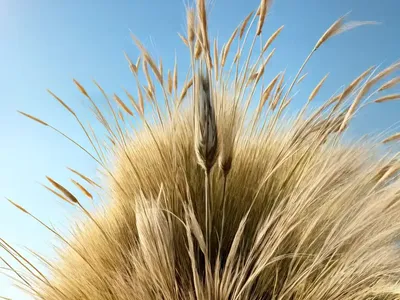
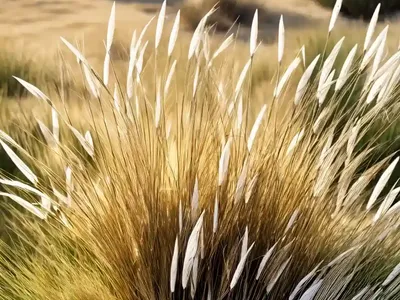
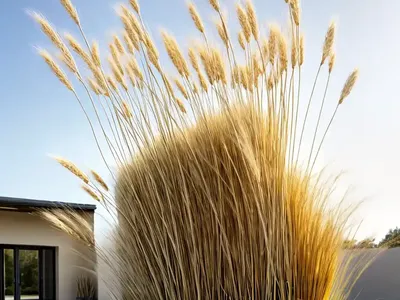
Stipa ichu, commonly known as Peruvian Feather Grass, is a visually stunning ornamental grass that is native to the Andes Mountains in Peru and Bolivia..
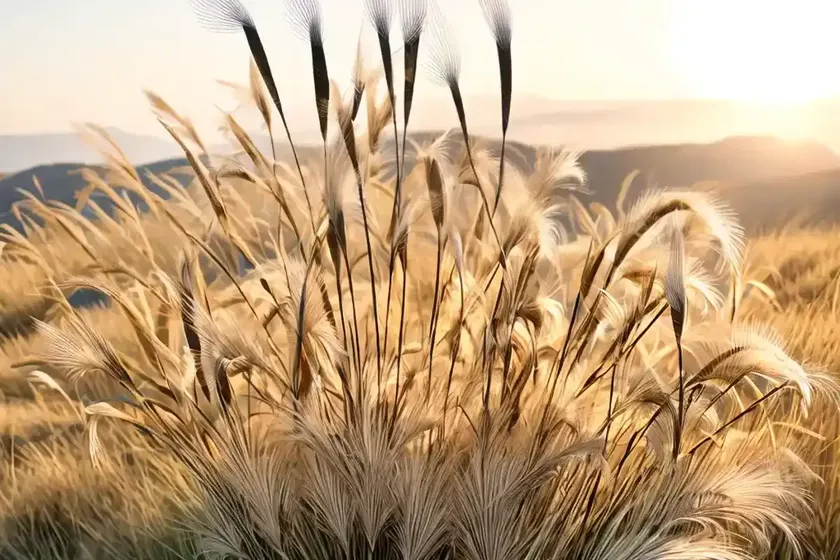
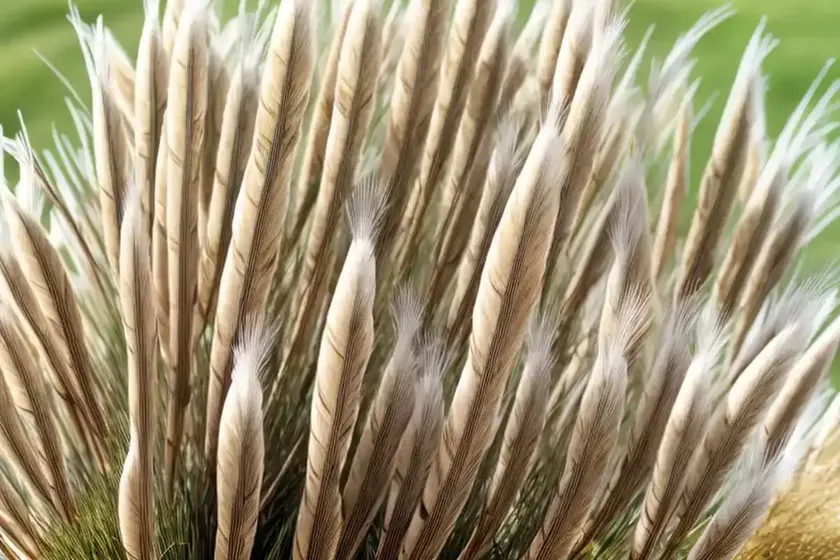
Stipa ichu, commonly known as Peruvian Feather Grass, is a visually stunning ornamental grass that is native to the Andes Mountains in Peru and Bolivia. This attractive grass has become popular for its use in landscaping due to its fine texture, graceful movement, and drought tolerance. In this comprehensive guide, we will explore the key aspects of Peruvian Feather Grass, including its culture, uses, care requirements, diseases, pests, and more.
What is Stipa ichu?
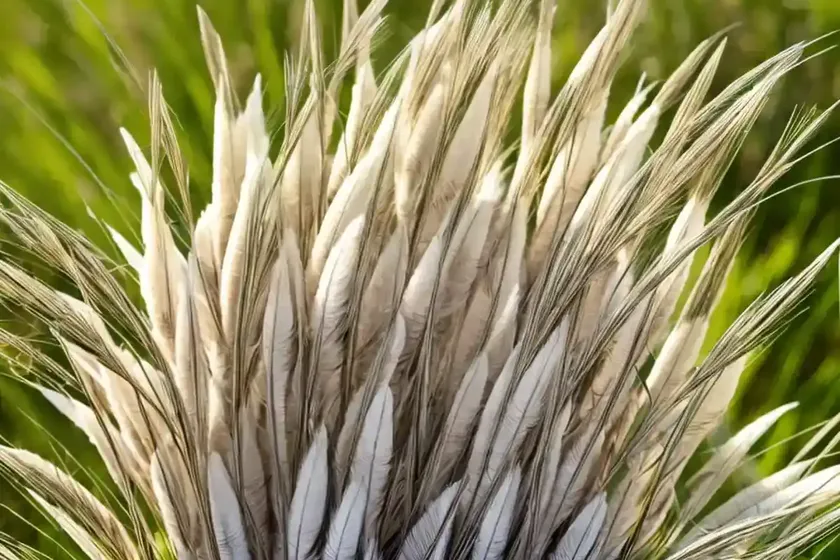
Stipa ichu, belonging to the Poaceae family, is an herbaceous perennial grass species that typically grows in large clumps. It displays feathery, silver-white inflorescences that sway gracefully in the wind, adding a touch of elegance to any landscape. This grass is known for its exceptional ornamental value and is often used in gardens, parks, and landscapes to create a soft, ethereal effect.
Key Takeaways
Stipa ichu (Peruvian Feather Grass)
Here are the key takeaways for those interested in cultivating or learning more about Stipa ichu:
- Culture:
- Stipa ichu is native to the high-altitude regions of the Andes Mountains and thrives in similar conditions.
- Uses:
- It is primarily used for ornamental purposes, adding texture, movement, and visual interest to landscapes.
- Water:
- Thrives in well-drained, moderately moist soil but is tolerant of drought conditions.
- Sunlight:
- Requires full sun for optimal growth and flowering.
- Fertilizer:
- Generally low maintenance and does not require heavy feeding.
- Soil:
- Flourishes in well-drained, sandy, or loamy soil with a slightly acidic to neutral pH.
- Pruning:
- Pruning can be done in late winter or early spring to encourage new growth.
- Propagation:
- Propagated through division or seed sowing.
- Container Popularity:
- Well-suited for container gardening, adding a touch of elegance to outdoor spaces.
- Common Diseases:
- Susceptible to certain fungal diseases, particularly under wet conditions.
- Common Pests:
- Relatively pest-resistant but may attract aphids and mites in certain conditions.
- Botanist’s Tips:
- Consider its native habitat and climatic preferences when cultivating Stipa ichu.
- Fun Facts:
- It has been traditionally used by Andean communities for thatching roofs and weaving mats.
Now, let’s delve deeper into these key aspects to gain a comprehensive understanding of Peruvian Feather Grass and how to best care for it.
Culture
Stipa ichu, as a high-altitude grass, is adapted to cool, mountainous regions. Understanding its native environment and cultural requirements is essential for successful cultivation.
- Native Habitat:
-
Stipa ichu is native to the high-altitude regions of the Andes Mountains, where it thrives in rocky, well-drained soils characterized by low temperatures and ample sunlight.
-
Adaptability:
-
This grass has demonstrated remarkable adaptability and resilience, proving suitable for cultivation in a range of environments beyond its native habitat.
-
Traditional Uses:
- Historically, the indigenous communities of the Andes have utilized Stipa ichu for thatching roofs, weaving mats, and as a source of forage for grazing animals.
By considering its origins and historical uses, we can better understand the conditions that promote the health and vigor of Stipa ichu.
Uses
Ornamental Value
Stipa ichu is prized for its ornamental characteristics, making it a popular choice for landscaping and garden design.
- Texture and Movement:
-
The delicate, feather-like appearance of the inflorescences adds a sense of lightness and movement to the landscape, particularly when swaying gently in the breeze.
-
Visual Interest:
-
Whether planted en masse or as a focal point in a garden bed, Stipa ichu adds visual interest with its fine, silver-white plumes and graceful form.
-
Landscaping Applications:
-
It is often used in mixed borders, rock gardens, and naturalistic landscapes to create a soft and naturalistic effect.
-
Container Gardening:
- Its graceful, cascading growth habit makes it an attractive choice for container gardening, adding an elegant touch to patios, balconies, and outdoor living spaces.
Water
Understanding the water requirements of Peruvian Feather Grass is crucial for maintaining its health and vigor.
- Moisture Needs:
-
Stipa ichu thrives in well-drained soil with moderate moisture levels. While it prefers consistent moisture, it is also highly drought-tolerant once established.
-
Drought Tolerance:
-
Once the roots are well-established, Stipa ichu can withstand periods of reduced water availability, making it suitable for xeriscapes and water-wise gardens.
-
Avoid Waterlogged Conditions:
- It is important to ensure that the soil provides adequate drainage, as waterlogged conditions can lead to root rot and other moisture-related issues.
Sunlight
Proper sunlight exposure is crucial for the healthy growth and flowering of Stipa ichu.
- Full Sun Requirements:
-
Stipa ichu thrives in full sun, requiring at least 6-8 hours of direct sunlight per day to flourish and produce its characteristic plumes.
-
Shade Tolerance:
-
While it can tolerate light shade, reduced sunlight exposure may result in decreased flowering and a less vigorous growth habit.
-
Sun-Seeking Behavior:
- Like many sun-loving grasses, Stipa ichu will bend and stretch towards the light, exhibiting a distinctive phototropic response.
Fertilizer
Stipa ichu is generally low-maintenance in terms of fertilizer requirements.
- Minimal Feeding Needs:
-
This grass typically thrives without heavy feeding or supplementation, particularly in nutrient-rich soils.
-
Natural Soil Enrichment:
-
Over time, the accumulation of decaying organic matter around the base of the plant can serve as a natural source of nutrient recycling, further reducing the need for external fertilization.
-
Balanced Fertilization:
- If necessary, a balanced, slow-release fertilizer can be applied in moderate amounts during the growing season to support healthy growth.
Soil
Providing an optimal soil environment is essential for the well-being of Stipa ichu.
- Drainage Considerations:
-
Well-drained soil is imperative, as Stipa ichu is susceptible to root rot and other moisture-related issues in poorly draining soils.
-
Soil Composition:
-
It thrives in sandy or loamy soil with a slightly acidic to neutral pH. Soil that is too heavy or compacted may impede root development and overall growth.
-
Organic Matter:
- Incorporating organic matter such as compost or well-rotted manure into the soil can enhance its structure, water retention, and nutrient levels.
Pruning
Pruning not only helps maintain the appearance of Stipa ichu but also promotes healthy growth and rejuvenation.
- Timing:
-
Pruning is typically carried out in late winter or early spring before new growth emerges. This allows the plant to channel its energy into producing new shoots and flowering plumes.
-
Deadheading:
-
Removing spent flower heads can prolong the ornamental display and prevent self-seeding, particularly in garden settings where naturalization is not desired.
-
Shearing:
- In regions with cold winters, the entire plant can be sheared back to ground level in late winter to make way for fresh growth in the spring.
Propagation
Knowing how to propagate Stipa ichu allows for expansion and preservation of this graceful grass.
- Division:
-
Established clumps can be divided in early spring, with each division containing both roots and shoots, facilitating the establishment of new plants.
-
Seed Sowing:
-
Stipa ichu can be propagated from seed, though this method may take longer to produce mature, flowering plants.
-
Propagation Considerations:
- Propagation is best carried out in optimal growing conditions, ensuring that the newly propagated plants have a favorable environment for establishment.
Container Popularity
The ornamental appeal and low-maintenance nature of Stipa ichu make it a favorite choice for container gardening.
- Aesthetic Value:
-
Planted in containers, Stipa ichu adds an elegant, ethereal touch to outdoor living spaces, providing a soft contrast to hard landscaping elements.
-
Mobility and Flexibility:
-
Containers enable easy movement of the grass, allowing for seasonal rearrangements or adjustments to fit evolving design preferences.
-
Combination Plantings:
- Stipa ichu complements a wide range of container companions, including flowering annuals, succulents, and other ornamental grasses.
Common Diseases
While generally hardy, Stipa ichu may be susceptible to certain diseases, especially in unfavorable growing conditions.
- Fungal Diseases:
-
In excessively wet or poorly aerated conditions, Stipa ichu may be prone to fungal diseases such as rust, leaf spot, or powdery mildew.
-
Preventative Measures:
-
Proper spacing, adequate air circulation, and well-drained soil can help minimize the risk of fungal infections.
-
Early Detection:
- Regular monitoring and prompt intervention can prevent the spread of diseases and minimize their impact on the grass.
Disease Diagnosis
Identifying and diagnosing potential diseases in Stipa ichu is essential for implementing effective control measures.
- Symptom Recognition:
-
Understanding the visual signs of common fungal diseases can aid in early detection and timely treatment.
-
Consulting Experts:
-
In cases of uncertainty, consulting with plant pathologists or experienced horticulturists can provide valuable insights and guidance.
-
Cultural Practices:
- In many cases, cultural adjustments related to watering, pruning, and soil management can contribute to disease prevention.
Common Pests
While relatively resistant to pests, Stipa ichu may occasionally encounter certain insect challenges.
- Aphids:
-
Aphids may infest the young growth of Stipa ichu, particularly during periods of rapid growth and succulent shoot development.
-
Mites:
-
Spider mites may target Stipa ichu in dry, hot conditions, causing stippling and a decline in overall plant vigor.
-
Integrated Pest Management:
- Implementing cultural, biological, and if necessary, selective chemical control methods can effectively manage pests without causing harm to beneficial organisms.
Botanist’s Tips
When cultivating Stipa ichu, it is beneficial to consider the following tips from a botanical perspective:
- Native Habitat Emulation:
-
Creating growing conditions that mimic its native Andean habitat can enhance the overall health and vigor of Stipa ichu.
-
Climate Considerations:
-
Adapting cultivation practices to suit the local climate can optimize the plant’s performance and longevity.
-
Ecological Impact:
- By selecting regionally appropriate plants and employing sustainable gardening practices, the ecological value of Stipa ichu can be amplified.
Fun Facts
Discovering the unique and interesting aspects of Stipa ichu adds to the appreciation of this attractive grass.
- Cultural Significance:
-
Stipa ichu has been utilized for roofing and weaving by Andean communities, showcasing the plant’s traditional importance.
-
Wildlife Support:
-
The fine, feathery plumes of Stipa ichu can provide shelter and nesting material for small birds and insects, contributing to local biodiversity.
-
Versatile Uses:
- While primarily cultivated for ornamental purposes, Stipa ichu’s resilience and adaptability make it a valuable asset in sustainable landscaping and habitat restoration.
Links to External Resources
For further information and in-depth exploration of Stipa ichu and its cultivation, refer to the following external resources:
- Royal Horticultural Society – Stipa ichu
- Missouri Botanical Garden – Stipa ichu
- University of Florida IFAS Extension – Ornamental Grasses
In conclusion, Stipa ichu (Peruvian Feather Grass) stands out as an elegant and versatile grass species with significant ornamental value and adaptive qualities. By understanding its cultural requirements, uses, maintenance guidelines, and potential challenges, gardeners and landscapers can successfully integrate this graceful grass into diverse outdoor settings. Whether creating a naturalistic landscape, adding interest to container gardens, or contributing to sustainable design practices, Stipa ichu remains a compelling choice for those seeking a visually captivating and environmentally beneficial plant.