All About Rhododendron Mucronulatum ‘Cornell Pink’
If you’re a garden enthusiast looking for a colorful and vibrant addition to your landscape, then the Rhododendron Mucronulatum ‘Cornell Pink’ is a fantastic choice. This beautiful plant offers a stunning burst of pink blooms and is relatively low-maintenance, making it an excellent option for both experienced and novice gardeners. In this comprehensive guide, we’ll explore everything you need to know about this exquisite plant, from its cultural needs and uses to its propagation and common diseases. So, let’s dive into the world of Rhododendron Mucronulatum ‘Cornell Pink’ and discover the secrets of cultivating and caring for this enchanting species.
What is Rhododendron Mucronulatum ‘Cornell Pink’?
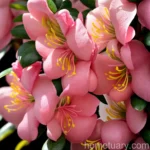
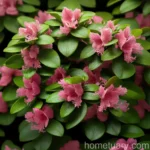
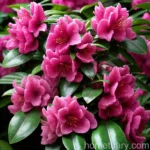
The Rhododendron Mucronulatum ‘Cornell Pink’ is a deciduous flowering shrub that belongs to the family Ericaceae. This species is renowned for its captivating, clove-scented, pink flowers that blossom in early spring, often heralding the onset of the blooming season. Originating from Korea, Manchuria, and Siberia, this rhododendron cultivar has become a beloved garden favorite due to its remarkable display of vibrant blooms and adaptable nature.
Key Takeaways
Before we delve into the specific details of caring for Rhododendron Mucronulatum ‘Cornell Pink’, let’s highlight some key takeaways regarding this beautiful plant:
- Flowering Season: The Rhododendron Mucronulatum ‘Cornell Pink’ blooms in early spring, offering a breathtaking display of pink flowers that adds a burst of color to the landscape.
- Cultural Uses: This plant is commonly used in gardens, landscapes, and naturalized areas, where it serves as a striking focal point or hedge.
- Soil Requirements: It thrives in well-drained, acidic soil, which is a characteristic feature of many rhododendron species.
- Sun Exposure: While it appreciates ample sunlight, providing some shade during the hottest part of the day can benefit its overall health.
- Low Maintenance: With minimal pruning needs and relatively few disease or pest issues, Rhododendron Mucronulatum ‘Cornell Pink’ is considered a low-maintenance plant, making it an ideal choice for gardeners seeking easy-to-care-for species.
Now that we have a general overview of the Rhododendron Mucronulatum ‘Cornell Pink’, let’s dive into the specifics of its cultural requirements and the best practices for ensuring its thriving growth and stunning blooms.
Culture
Cultivating Rhododendron Mucronulatum ‘Cornell Pink’ involves understanding its specific needs in terms of water, sunlight, soil, and fertilizer. By meeting these requirements, you can create a favorable environment for this plant to flourish and produce its signature pink blossoms.
Uses
The Rhododendron Mucronulatum ‘Cornell Pink’ holds several uses in landscaping and gardening, which contribute to its popularity among gardeners and enthusiasts.
- Garden Focal Point: The vibrant pink flowers of the Rhododendron Mucronulatum ‘Cornell Pink’ make it an exquisite focal point in gardens and landscapes, drawing attention and enhancing visual appeal.
- Hedging: Given its dense growth and flowering characteristics, this rhododendron variety is often utilized for creating attractive and vibrant hedges that can add a splash of color to any outdoor space.
- Naturalizing Areas: In more naturalized or wild garden settings, this plant can be used to enhance the biodiversity and visual interest of the landscape, especially in woodland or informal garden designs.
Understanding the diverse uses of Rhododendron Mucronulatum ‘Cornell Pink’ empowers gardeners to incorporate this species into their outdoor spaces with a clear vision of its potential contributions.
Water
Like most rhododendron varieties, the Rhododendron Mucronulatum ‘Cornell Pink’ has specific water needs, and understanding how to manage and provide for its hydration is crucial for its well-being.
- Watering Frequency: During the growing season, it’s essential to ensure that the plant receives consistent moisture without becoming waterlogged. Adequate watering is especially critical during periods of drought or high temperatures.
- Mulching: Applying a layer of organic mulch around the base of the plant helps to retain soil moisture and regulate the temperature of the root system, promoting healthy growth.
By maintaining an appropriate watering regimen and incorporating mulching techniques, gardeners can facilitate optimal conditions for the Rhododendron Mucronulatum ‘Cornell Pink’ to thrive and produce an abundance of beautiful blooms.
Sunlight
Sunlight plays a pivotal role in the growth and flowering of Rhododendron Mucronulatum ‘Cornell Pink’, and understanding its sunlight requirements is essential for successful cultivation.
- Sun Exposure: While this rhododendron variety appreciates ample sunlight, providing partial shade during the hottest part of the day can prevent stress and sunburn, particularly in regions with intense or prolonged sunlight.
- Morning Sun: Early morning sun exposure is generally beneficial for promoting healthy growth and flowering, as it allows the plant to photosynthesize and gather the energy needed for robust blooming.
By strategically managing the plant’s exposure to sunlight and providing the appropriate balance of natural light and shade, gardeners can support the vigorous growth and prolific flowering of Rhododendron Mucronulatum ‘Cornell Pink’ throughout the growing season.
Fertilizer
Fertilizing Rhododendron Mucronulatum ‘Cornell Pink’ is an essential aspect of its care, as it ensures that the plant receives the necessary nutrients for vigorous growth and prolific flowering.
- Acidic Fertilizer: Given its preference for acidic soil, using a specialized acidic fertilizer designed for rhododendrons and azaleas is recommended. This type of fertilizer provides the appropriate balance of nutrients while supporting the plant’s specific soil requirements.
- Application Timing: Fertilizing should be conducted in early spring before the onset of active growth, followed by a second application immediately after the flowering period to replenish the plant’s nutrient reserves.
By adhering to a consistent fertilization schedule and utilizing the appropriate type of acidic fertilizer, gardeners can promote the overall health and blooming capacity of Rhododendron Mucronulatum ‘Cornell Pink’, ensuring its continued vigor and vitality throughout the growing season.
Soil
The soil composition and quality significantly impact the growth and well-being of Rhododendron Mucronulatum ‘Cornell Pink’, and understanding its soil preferences is vital for successful cultivation.
- Well-Drained Soil: This plant thrives in well-drained, acidic soil with good aeration, as waterlogged or compacted soil can lead to root rot and other detrimental conditions.
- pH Requirements: Rhododendron Mucronulatum ‘Cornell Pink’ prefers soil with a pH level ranging from 4.5 to 6.0, creating an acidic environment conducive to robust growth and flowering.
By ensuring that the soil meets the specific drainage and pH requirements of the plant, gardeners can lay the groundwork for a favorable growing environment that supports the vigorous development and prolific blooming of Rhododendron Mucronulatum ‘Cornell Pink’.
Pruning
Pruning is an essential aspect of Rhododendron Mucronulatum ‘Cornell Pink’ maintenance, and proper pruning techniques can contribute to its overall health and aesthetic appeal.
- Pruning Timing: The best time to prune is immediately after the plant has finished flowering, typically in late spring or early summer. Pruning during this period allows for the removal of spent blooms and the shaping of the plant without interfering with the formation of next year’s flower buds.
- Deadheading: Removing spent flowers not only maintains the plant’s neat appearance but also prevents the formation of seed pods, allowing the plant to redirect its energy towards new growth and future flowering.
By adopting the correct pruning schedule and techniques, gardeners can promote the healthy growth and visual attractiveness of Rhododendron Mucronulatum ‘Cornell Pink’, ensuring that it continues to be a stunning centerpiece in their outdoor spaces.
Propagation
The propagation of Rhododendron Mucronulatum ‘Cornell Pink’ offers the opportunity to expand the presence of this beautiful plant in a garden or landscape, and understanding the best practices for its propagation is essential for successful cultivation.
Common Methods
- Layering: One of the most reliable methods of propagation involves layering a low-growing branch of the plant, allowing it to develop roots while still attached to the mother plant. Once roots have formed, the new plant can be separated and transplanted.
- Cuttings: Propagation through stem cuttings offers another effective approach, where healthy, non-flowering shoots are selected and rooted in a suitable growing medium to establish new plants.
By utilizing proven propagation techniques and providing the necessary care and attention, gardeners can create additional specimens of Rhododendron Mucronulatum ‘Cornell Pink’, expanding its presence within their outdoor spaces.
Container Popularity
The Rhododendron Mucronulatum ‘Cornell Pink’ is also well suited to container gardening, offering a vibrant and eye-catching addition to patios, decks, or other outdoor areas.
- Container Size: When selecting a container, ensure that it provides ample room for the plant’s root system to establish and grow, promoting healthy development and blooming.
- Soil Considerations: Using well-drained, acidic potting soil and incorporating a layer of mulch can help replicate the plant’s preferred soil conditions within the container environment.
By opting for container cultivation, gardeners can enjoy the beauty of Rhododendron Mucronulatum ‘Cornell Pink’ in various outdoor settings, adding an attractive and versatile feature to their landscape or garden design.
Common Diseases
While relatively resilient, Rhododendron Mucronulatum ‘Cornell Pink’ may encounter certain diseases that can affect its health and appearance. Being aware of these common ailments enables proactive measures to prevent and mitigate their impact.
Disease Diagnosis
- Powdery Mildew: A common fungal disease that presents as a white, powdery coating on the leaves, typically in humid conditions. Adequate air circulation and maintaining dry foliage help prevent the onset of powdery mildew.
- Leaf Spot: Another fungal disease that manifests as dark spots on the leaves, often causing premature leaf drop and affecting the overall vitality of the plant. Prompt removal of infected foliage and proper sanitation practices can help manage leaf spot.
By promptly identifying and addressing any signs of disease, gardeners can uphold the health and resilience of Rhododendron Mucronulatum ‘Cornell Pink’, ensuring its continued vigor and visual appeal within the garden or landscape.
Common Pests
While this rhododendron variety is relatively resistant to pests, certain insects and critters may pose a threat to its well-being and aesthetic presentation.
- Spider Mites: These tiny arachnids can infest the leaves of the plant, causing stippling and discoloration. Regular inspections and the application of insecticidal soap or horticultural oil can help control and deter spider mite infestations.
- Caterpillars: Some caterpillar species may feed on the foliage of Rhododendron Mucronulatum ‘Cornell Pink’, causing defoliation and aesthetic damage. Manual removal and the use of targeted insecticides can help manage caterpillar populations.
By remaining vigilant and implementing proactive pest control measures, gardeners can safeguard the well-being and visual appeal of Rhododendron Mucronulatum ‘Cornell Pink’, preserving its status as a striking and resilient garden addition.
Botanist’s Tips
To ensure the optimal growth and flowering of Rhododendron Mucronulatum ‘Cornell Pink’, here are some valuable tips and recommendations from botanists and gardening experts:
- Soil Testing: Conduct regular soil tests to monitor and adjust the pH level and nutrient composition of the soil, ensuring that it meets the specific requirements of the plant.
- Mulching Wisdom: Maintain a consistent layer of organic mulch around the base of the plant, as this not only regulates soil moisture and temperature but also contributes to the enrichment of the soil as it decomposes.
- Pruning Precision: When pruning, utilize sharp and clean cutting tools to prevent unnecessary damage to the plant and promote rapid healing of the pruning wounds.
By integrating these expert insights into the care and maintenance of Rhododendron Mucronulatum ‘Cornell Pink’, gardeners can cultivate thriving and visually stunning specimens that enliven their outdoor spaces with vibrant pink blooms.
Fun Facts
- The specific epithet “mucronulatum” refers to the mucronate or pointed leaf tips of this rhododendron species, adding a distinctive characteristic to its foliage.
- The ‘Cornell Pink’ cultivar is renowned for its particularly vibrant and eye-catching pink blooms, capturing the attention of garden enthusiasts and nature lovers alike.
These intriguing and captivating facts further enrich the allure and appeal of Rhododendron Mucronulatum ‘Cornell Pink’, deepening the appreciation for its unique attributes and contributions to garden aesthetics.
Links to External Resources
To expand your knowledge and explore more information about Rhododendron Mucronulatum ‘Cornell Pink’, consider consulting the following reputable resources:
- American Rhododendron Society
- Royal Horticultural Society
- Gardenia: Rhododendron Mucronulatum ‘Cornell Pink’
These external resources offer valuable insights, practical advice, and expert perspectives on the cultivation and care of this captivating rhododendron variety, enhancing your understanding and appreciation of its unique characteristics and requirements.
In conclusion, the Rhododendron Mucronulatum ‘Cornell Pink’ represents a stunning and versatile addition to any garden or landscape, offering vibrant pink blossoms, attractive foliage, and relatively low-maintenance care requirements. By adhering to its specific cultural needs, such as adequate watering, suitable sunlight exposure, acidic soil, and careful pruning, gardeners can cultivate thriving and visually captivating specimens of this beautiful rhododendron cultivar. Whether utilized as a garden focal point, hedging option, or container feature, Rhododendron Mucronulatum ‘Cornell Pink’ enriches outdoor spaces with its remarkable beauty and distinctive charm, garnering admiration and awe from all who encounter its enchanting blossoms.
Gardening enthusiasts and nature admirers alike can immerse themselves in the allure of Rhododendron Mucronulatum ‘Cornell Pink’, relishing its captivating presence and the joy it brings to gardens and landscapes. With proper care, appreciation, and attention to detail, this exquisite rhododendron cultivar continues to be a beloved and cherished highlight in outdoor environments, showcasing the timeless beauty of nature and the wonders of horticultural artistry.