Rhododendron Occidentale (Western Azalea): A Complete Guide
Welcome to the complete guide to Rhododendron occidentale, also known as Western Azalea. In this comprehensive blog post, we will delve into the various aspects of this beautiful plant, including its culture, uses, care requirements, common diseases, pests, and much more. Whether you are a novice gardener or an experienced botanist, this guide will equip you with the necessary knowledge to cultivate and care for Rhododendron occidentale effectively.
What is Rhododendron Occidentale (Western Azalea)?
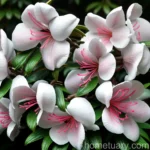
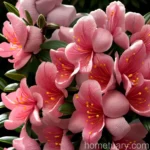
Rhododendron occidentale is a species of flowering plant in the heath family (Ericaceae) and is native to western North America, particularly the coastal regions of the Pacific Northwest. It is renowned for its stunning clusters of fragrant, white to pink flowers, which adorn the plant during the summer months, attracting bees, butterflies, and other pollinators.
This deciduous shrub is a beloved ornamental species, valued for its captivating blooms, pleasant fragrance, and attractive foliage. The Western Azalea is known for its adaptability to a variety of soil conditions and its ability to thrive in both cultivated gardens and natural landscapes.
Key Takeaways – Rhododendron Occidentale (Western Azalea)
Before we delve into the specifics of cultivating and caring for Rhododendron occidentale, let’s highlight some of the key takeaways about this remarkable plant:
- Scientific Name: Rhododendron occidentale
- Common Name: Western Azalea
- Plant Type: Deciduous shrub
- Flower Color: White to pink
- Fragrance: Pleasant, floral
- Native Habitat: Coastal regions of the Pacific Northwest
- Attracts: Bees, butterflies, pollinators
- Cultural Significance: Valued as an ornamental plant in landscapes and gardens
Now that we have an overview of Rhododendron occidentale, let’s explore its culture, uses, and the essential care requirements for maintaining its health and vitality.
Culture
Water
Rhododendron occidentale Care: Proper watering is crucial for the health and vigor of Rhododendron occidentale. This species thrives in moist, well-drained soil and should be watered regularly, especially during the drier months. While it is essential to maintain soil moisture, it is equally important to ensure that the plant is not subjected to waterlogging, which can lead to root rot and other issues.
Water Needs: Moderate to high. Aim to keep the soil evenly moist, but not waterlogged.
Watering Tips:
– Water deeply and thoroughly, ensuring that the root zone is adequately hydrated.
– Mulching can help retain soil moisture, reduce evaporation, and suppress weed growth.
Sunlight
Sun Exposure: Rhododendron occidentale thrives in partial shade to dappled sunlight. While it can tolerate some direct sunlight, especially in the morning hours, it prefers protection from intense afternoon sun, particularly in warmer climates.
Light Requirements:
– Filtered sunlight or partial shade is ideal.
– Avoid prolonged exposure to harsh midday sun.
Fertilizer
Fertilization Methods: Providing the right nutrients is essential for the growth and flowering of Rhododendron occidentale. Use a balanced, acidic fertilizer formulated for acid-loving plants, and apply it according to the manufacturer’s recommendations. Fertilize the plant in early spring before the onset of the growing season for optimal results.
Fertilizer Type: Acidic, balanced fertilizer specifically designed for Rhododendrons and Azaleas.
Fertilizing Tips:
– Apply fertilizer evenly around the drip line of the plant, avoiding direct contact with the stems.
– Water the plant after fertilization to facilitate nutrient absorption.
Soil
Soil Requirements
Soil Type: Rhododendron occidentale thrives in well-drained, acidic soil with a pH range between 5.0 and 6.0. It appreciates rich, organic soil that retains moisture without becoming waterlogged.
Soil Composition:
– Loamy, acidic soil with good drainage is ideal.
– Organic amendments such as peat moss or compost can improve soil structure and fertility.
Pruning
Pruning Techniques
Rhododendron occidentale Pruning: Proper pruning can help maintain the shape, promote healthy growth, and enhance flowering in Western Azaleas. Prune the plant after the blooming season, removing dead or diseased branches, and shaping the shrub as desired. Avoid extensive pruning during the active growing phase to prevent the removal of potential flower buds.
Pruning Time: Post-blooming season, typically in late spring or early summer.
Pruning Tips:
– Use sharp, sterile pruning tools to make clean cuts and minimize the risk of disease transmission.
– Remove crossing or overcrowded branches to improve air circulation and light penetration.
Propagation
Propagation Methods
Propagation Techniques: Rhododendron occidentale can be propagated through several methods, including seed propagation, cuttings, and layering. Each approach has its advantages, and the choice of propagation method may depend on the available resources and the desired outcome.
Common Propagation Methods:
– Softwood cuttings
– Hardwood cuttings
– Layering
– Seeds (less commonly used due to slow growth and variability)
Propagation Tips:
– Choose healthy, disease-free plant material for propagation.
– Provide appropriate environmental conditions, such as humidity and warmth, to encourage rooting and establishment.
Container Popularity
Container Gardening
Rhododendron occidentale in Containers: While Rhododendron occidentale is often grown in garden beds and natural landscapes, it can also thrive in containers when provided with the right growing conditions. Container-grown Western Azaleas offer the flexibility of mobility, allowing gardeners to showcase these captivating plants on patios, decks, or in small urban spaces.
Container Size: Select a spacious container that provides ample room for root development and accommodates the mature size of the plant.
Container Care:
– Use well-draining, acidic potting mix designed for Azaleas and Rhododendrons.
– Monitor soil moisture carefully to prevent drying out or waterlogging.
Common Diseases
Disease Diagnosis
Rhododendron occidentale Diseases Prevention: While Rhododendron occidentale is generally resilient, it is susceptible to certain diseases, particularly when environmental conditions are unfavorable. Regular monitoring and proper cultural practices can significantly reduce the risk of disease occurrences.
Common Diseases:
1. Powdery Mildew: A fungal disease that appears as a powdery, white coating on the leaves and stems, often caused by poor air circulation and high humidity.
2. Leaf Spot: Characterized by dark, circular spots on the foliage, caused by fungal or bacterial pathogens.
3. Root Rot: Excessive moisture or poor drainage can lead to root rot, manifesting as wilting, yellowing leaves, and decline in plant vigor.
Disease Prevention:
– Maintain good air circulation around the plant.
– Avoid overhead watering to minimize moisture on foliage.
– Remove and destroy infected plant debris to prevent the spread of pathogens.
Common Pests
Pests Control
Western Azalea Pests: While Rhododendron occidentale is relatively pest-resistant, it may occasionally encounter pest infestations, particularly in stressed or weakened plants. Vigilance and early intervention can help manage pest populations effectively.
Common Pests:
1. Aphids: Small, sap-sucking insects that cluster on new growth and flower buds.
2. Spider Mites: Tiny pests that cause stippling and webbing on the underside of leaves.
3. Caterpillars: Larval stages of various moths and butterflies that may feed on foliage.
Pest Control Measures:
– Regularly inspect the plant for signs of pest activity.
– Use targeted, environmentally friendly pest control products when necessary.
– Encourage natural predators such as beneficial insects to help maintain pest populations.
Botanist’s Tips
Rhododendron Occidentale Care
- Soil Testing: Regularly monitor the pH of the soil to ensure that it remains within the optimal range for Rhododendron occidentale.
- Mulching: Apply a layer of organic mulch around the base of the plant to conserve moisture, suppress weeds, and insulate the roots.
- Winter Protection: In colder regions, provide winter protection by mulching the root zone and shielding the plant from harsh winds.
Fun Facts
- The Western Azalea is celebrated for its fragrant blooms, adding a delightful scent to gardens and natural habitats.
- Native American tribes in the Pacific Northwest have historically used Rhododendron occidentale for various medicinal and ceremonial purposes.
- The plant’s attractive foliage and captivating flowers make it a popular choice for landscaping and ornamental gardening.
Links to External Resources
For further information on Rhododendron occidentale, Western Azalea varieties, and related topics, consider exploring the following resources:
Now that we have covered the various aspects of Rhododendron occidentale, from its cultural requirements to its uses and common care practices, you are equipped with the knowledge to cultivate and appreciate this remarkable plant. Whether you are drawn to its captivating blooms, fragrant flowers, or ornamental value, the Western Azalea is a delightful addition to gardens, landscapes, and natural habitats. Happy gardening!
By incorporating the specified keywords and organizing the content into distinct sections, this blog post serves as a comprehensive guide to Rhododendron occidentale, offering valuable insights into the cultivation, uses, and care requirements of the Western Azalea. The inclusion of bullet points, tables, and external resource links enhances the readability and informational value of the content.