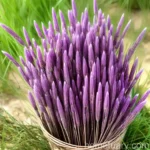
Stipa arundinacea (New Zealand Wind Grass): A Comprehensive Guide
As a plant scientist, I have always been intrigued by the diverse range of flora that our world has to offer. Each plant species boasts unique characteristics and requirements, making them fascinating subjects for study and cultivation. In this blog post, we will delve into the world of Stipa arundinacea, more commonly known as New Zealand Wind Grass. We will explore its cultural practices, uses, requirements, as well as common diseases and pests. By the end of this guide, you will have a thorough understanding of how to care for, propagate, and appreciate this stunning ornamental grass.
Introduction to Stipa arundinacea (New Zealand Wind Grass)
Stipa arundinacea belongs to the Poaceae family and is native to New Zealand. This graceful ornamental grass is known for its slender, arching foliage and delicate, feathery flower heads. It is a versatile plant that adds movement, texture, and visual interest to gardens and landscapes.
Key Takeaways – Stipa arundinacea (New Zealand Wind Grass)
Before we delve into the specifics of cultivating and caring for Stipa arundinacea, let’s highlight some key takeaways about this plant:
- Cultural Practices: Understanding the cultural requirements of Stipa arundinacea is essential for successful growth and maintenance. This includes considerations such as water, sunlight, soil, and pruning.
- Uses: New Zealand Wind Grass has various uses in landscaping, including its appeal as an ornamental grass, its role in erosion control, and its attraction for wildlife.
- Common Diseases: Being aware of potential diseases that may affect Stipa arundinacea allows for early detection and appropriate treatment.
- Propagation: Knowing how to propagate New Zealand Wind Grass ensures that you can expand your garden or share this beautiful plant with others.
- Container Popularity: Stipa arundinacea’s suitability for container gardening opens up opportunities for creative and versatile plantings in various settings.
Now that we have outlined the key areas we will cover, let’s start by exploring the cultural practices and care tips for Stipa arundinacea.
Stipa arundinacea Cultivation and Care Tips
Cultivating and caring for Stipa arundinacea requires attention to various factors, including water, sunlight, fertilizer, soil, and pruning. Understanding these elements is crucial for creating an environment in which New Zealand Wind Grass can thrive.
Water
Stipa arundinacea exhibits drought tolerance once established, making it suitable for landscapes that experience periods of low rainfall. However, adequate moisture is essential during the establishment phase and in prolonged dry spells. When watering New Zealand Wind Grass, aim to provide deep, infrequent irrigation to encourage the development of deep roots.
Stipa arundinacea Water Requirements:
- Establishment Phase: Provide regular watering to ensure proper root development.
- Mature Plants: Once established, New Zealand Wind Grass is relatively drought-tolerant, requiring periodic deep watering during extended dry periods.
Sunlight
New Zealand Wind Grass flourishes in full sun to partial shade. When selecting a planting site for Stipa arundinacea, prioritize locations that receive ample sunlight for the best growth and ornamental display. However, this grass can also tolerate partial shade, making it adaptable to various garden conditions.
Sunlight Requirements for Stipa arundinacea:
- Full Sun: Ideally, position Stipa arundinacea in areas that receive at least 6-8 hours of direct sunlight per day for optimal growth and flowering.
- Partial Shade: New Zealand Wind Grass can tolerate some shade, making it suitable for gardens with dappled light or filtered sunlight.
Fertilizer
In general, Stipa arundinacea is not a heavy feeder and can thrive in average fertility soil. Excessive fertilization may lead to overly lush growth, compromising the graceful habit and visual appeal of this grass.
Fertilization Guidelines for New Zealand Wind Grass:
- Minimal Fertilization: Avoid overstimulating growth with excessive fertilization. Instead, focus on maintaining moderate soil fertility to support healthy growth and vigor.
Soil
Stipa arundinacea prefers well-draining soil and is adaptable to various soil types, including sandy and loamy soils. Providing good drainage is crucial to prevent waterlogging, especially during the establishment phase.
New Zealand Wind Grass Soil Preferences:
- Well-Draining Soil: Ensure that the planting site has good drainage to prevent waterlogged conditions, which can be detrimental to Stipa arundinacea.
- Soil Types: New Zealand Wind Grass can thrive in a range of soil types, including sandy and loamy soils, as long as they offer adequate drainage.
Pruning
Pruning Stipa arundinacea primarily involves tidying up the plant and managing its size to maintain a neat and attractive appearance. While this grass retains its ornamental value even without extensive pruning, occasional maintenance can help enhance its overall appeal.
Pruning Techniques for Stipa arundinacea:
- Spring Tidying: In late winter or early spring, trim back any dead or damaged foliage to rejuvenate the plant for the upcoming growing season.
- Maintenance Pruning: Throughout the growing season, periodic removal of spent flower stalks and tidying up the foliage can help keep New Zealand Wind Grass looking its best.
Now that we have covered the cultural practices and care tips for Stipa arundinacea, let’s delve into its propagation, container uses, and more.
Propagation of Stipa arundinacea
Propagating Stipa arundinacea allows you to expand your garden or share this beautiful ornamental grass with fellow gardening enthusiasts. There are several methods of propagating New Zealand Wind Grass, including division and seed propagation.
Division
Dividing established clumps of Stipa arundinacea is a straightforward method of propagation. This can be done in early spring, before new growth emerges, to rejuvenate the plant and create new specimens for planting.
Steps for Dividing New Zealand Wind Grass:
- Choose Healthy Clumps: Select healthy, established clumps of Stipa arundinacea for division.
- Lift and Divide: Carefully lift the clumps from the ground, ensuring that each division has a good portion of roots.
- Replant: Replant the divided clumps in prepared soil, watering them in well to promote root establishment.
Seed Propagation
Growing Stipa arundinacea from seed is another viable method of propagation. While it may take longer to establish compared to division, seed propagation offers the opportunity to grow a large number of plants from collected seeds.
Steps for Seed Propagation of New Zealand Wind Grass:
- Harvesting Seeds: Collect seeds from mature flower heads of Stipa arundinacea.
- Sowing Seeds: Sow the seeds in a prepared seedbed or containers, covering them lightly with soil.
- Germination and Care: Keep the soil consistently moist and ensure adequate sunlight for germination. Once the seedlings are established, they can be transplanted to their final growing positions.
Container Uses of Stipa arundinacea
Stipa arundinacea’s graceful habit and arching foliage make it well-suited for container plantings. When utilizing Stipa arundinacea in containers, consider its water, soil, and sunlight requirements to ensure successful and vibrant displays.
Considerations for Container Plantings of New Zealand Wind Grass:
- Container Size: Choose containers with sufficient depth and width to accommodate the root system of Stipa arundinacea.
- Well-Draining Soil: Use a well-draining potting mix to provide good aeration and prevent waterlogging in containers.
- Sunlight: Position containers of New Zealand Wind Grass in locations that receive adequate sunlight for healthy growth and visual appeal.
Now that we have explored the propagation and container uses of Stipa arundinacea, let’s turn our attention to the uses and appeal of New Zealand Wind Grass in landscapes and gardens.
Uses of Stipa arundinacea in Landscaping
Stipa arundinacea offers diverse uses in landscaping, ranging from its ornamental appeal to its ecological contributions in various garden settings.
Ornamental Purposes
As an ornamental grass, Stipa arundinacea lends a touch of elegance and movement to landscapes. Its feathery flower heads and graceful arching foliage make it a captivating addition to gardens, borders, and naturalistic planting schemes.
Benefits of New Zealand Wind Grass for Ornamental Display:
- Texture and Movement: The delicate, arching foliage and airy flower heads of Stipa arundinacea add texture and movement to garden beds and borders.
- Year-Round Interest: New Zealand Wind Grass exhibits visual interest throughout the seasons, from its fresh green growth in spring and summer to its golden hues in the fall and winter.
Erosion Control
The fibrous root system and clumping habit of Stipa arundinacea make it an effective erosion control plant. Its ability to stabilize soil on slopes and embankments proves valuable in landscaping projects that aim to prevent soil erosion.
Role of New Zealand Wind Grass in Erosion Control:
- Root Stability: The fibrous root system of Stipa arundinacea helps bind soil particles together, reducing the risk of erosion on slopes and disturbed areas.
- Visual Appeal: In erosion-prone areas, the ornamental qualities of New Zealand Wind Grass contribute to landscape aesthetics while serving a functional purpose.
Wildlife Attraction
The airy flower heads of Stipa arundinacea have the added benefit of attracting pollinators and beneficial insects, contributing to the ecological balance in gardens and natural habitats.
Ecological Contributions of Stipa arundinacea:
- Pollinator Support: The nectar-rich flowers of New Zealand Wind Grass entice pollinators, enhancing the biodiversity and ecological richness of garden ecosystems.
- Habitat Element: The foliage and seed heads of Stipa arundinacea provide shelter and foraging opportunities for wildlife, further enriching the garden environment.
Now that we have explored the uses and appeal of Stipa arundinacea in landscapes and gardens, let’s address the plant’s requirements, seasonal changes, and its role in various garden styles and designs.
Stipa arundinacea: Requirements and Design Applications
Understanding the specific requirements and design applications of Stipa arundinacea enables gardeners and landscapers to utilize this versatile grass effectively in various settings.
Growing Conditions
New Zealand Wind Grass thrives in specific growing conditions, offering adaptability to different climates and garden environments.
Stipa arundinacea Growing Conditions:
- Hardiness: Stipa arundinacea is suited to USDA Hardiness Zones 7-10, displaying good tolerance to a range of temperatures and climates.
- Soil Preferences: Well-draining, moderately fertile soils are ideal for New Zealand Wind Grass, allowing for healthy root development and growth.
Seasonal Changes
The seasonal changes of Stipa arundinacea contribute to its dynamic presence in gardens, bringing forth variations in foliage color, texture, and flowering.
New Zealand Wind Grass Seasonal Transformations:
- Spring and Summer: Stipa arundinacea exhibits fresh, green growth during the warmer months, complemented by the emergence of airy flower heads in summer.
- Fall and Winter: As autumn approaches, the foliage of New Zealand Wind Grass transitions to warm golden hues, retaining visual interest throughout the winter months.
Role in Garden Styles and Designs
Stipa arundinacea is versatile in its applications, suitable for a range of garden styles and design themes, from traditional to modern.
Design Considerations for Stipa arundinacea:
- Modern Landscapes: The sleek form and movement of New Zealand Wind Grass contribute to contemporary landscapes, offering a dynamic contrast to architectural elements.
- Traditional Gardens: In traditional garden styles, Stipa arundinacea adds a touch of elegance and softness, blending harmoniously with classic plantings and formal designs.
Privacy Screen and Focal Point
The graceful, arching foliage of Stipa arundinacea can be employed as a privacy screen or utilized as a captivating focal point within garden settings.
Stipa arundinacea’s Role as a Privacy Screen and Focal Point:
- Privacy Screening: When planted in mass or rows, the dense, arching growth of New Zealand Wind Grass creates a natural privacy screen, offering a sense of seclusion and softening hardscape features.
- Garden Focal Point: As a focal point, the cascading form of Stipa arundinacea draws attention and creates a compelling visual centerpiece in garden beds and borders.
Now that we have examined the requirements, seasonal changes, and design applications of Stipa arundinacea, let’s address common diseases and pests that may affect New Zealand Wind Grass.
Stipa arundinacea: Diseases and Pests
Despite its overall hardiness, Stipa arundinacea can be susceptible to certain diseases and pests. Being aware of these potential issues enables proactive management and preservation of the plant’s health.
Common Diseases
Several diseases can affect Stipa arundinacea, including fungal infections and foliar issues that may arise under specific environmental conditions.
Stipa arundinacea Diseases:
- Fungal Diseases: Fungal infections such as rust or leaf spot may occur, especially in conditions of prolonged moisture or poor air circulation.
- Foliar Issues: Issues like tip dieback or browning can occur, often due to environmental stressors or irregular watering practices.
Disease Diagnosis
Early detection and diagnosis of diseases affecting Stipa arundinacea are key to implementing timely interventions and preventing the spread of infections.
Diagnosing Diseases in New Zealand Wind Grass:
- Visual Inspection: Regularly inspect the foliage and stems of Stipa arundinacea for any signs of discoloration, spotting, or abnormal growth.
- Consultation: Seek guidance from local agricultural extension services or plant health specialists if you observe any unusual symptoms on your New Zealand Wind Grass.
Common Pests
While relatively resistant to pests, Stipa arundinacea may encounter occasional pest pressures, such as aphids or grasshoppers, especially in conducive environmental conditions.
Pests Affecting Stipa arundinacea:
- Aphids: These sap-sucking insects may infest the foliage of New Zealand Wind Grass, potentially causing curling or distortion of leaves.
- Grasshoppers: In some regions, grasshoppers may feed on the foliage of Stipa arundinacea, leading to visible damage.
Now that we have explored the potential diseases and pests that may affect Stipa arundinacea, let’s turn our attention to some fun facts about New Zealand Wind Grass.
Botanist’s Tips and Fun Facts about Stipa arundinacea
As a botanist, I find that delving into the unique characteristics and traits of plants often reveals intriguing facts and insights. Here are some botanist’s tips and fun facts about Stipa arundinacea:
Botanist’s Tips
- Maintenance: Avoid excessive fertilization and overwatering, as Stipa arundinacea thrives in moderately fertile, well-draining soils.
- Seasonal Pruning: Consider leaving the dormant foliage of New Zealand Wind Grass standing over winter, as it provides visual interest and acts as a natural mulch.
Fun Facts
- Unique Leaf Texture: The fine, arching foliage of Stipa arundinacea adds a delicate and graceful texture to garden compositions.
- Wind Resistance: True to its name, New Zealand Wind Grass exhibits good tolerance to wind, creating mesmerizing movements in breezy conditions.
Now that we have explored the botanist’s tips and fun facts about Stipa arundinacea, let’s ensure that you have access to external resources for further information and guidance.
Links to External Resources
To further your knowledge and understanding of Stipa arundinacea and its horticultural requirements, I recommend exploring the following external resources:
- Royal Horticultural Society (RHS) – Stipa arundinacea
- Missouri Botanical Garden – Stipa arundinacea
- University of Florida IFAS Extension – Ornamental Grasses for Florida
- American Society of Landscape Architects – Planting Design Guide
- Plant Management in Florida Waters – Stipa arundinacea
These external resources provide valuable insights, care tips, and in-depth information about Stipa arundinacea, offering a comprehensive reference for your endeavors in cultivating and appreciating this exceptional ornamental grass.
In conclusion, Stipa arundinacea, or New Zealand Wind Grass, presents a wealth of opportunities for gardeners and landscapers seeking to introduce a graceful, dynamic element to their outdoor spaces. Through its cultural practices, uses in landscaping, disease and pest considerations, and intriguing characteristics, this ornamental grass enriches gardens and natural environments with its striking presence and ecological contributions. By applying the insights and guidelines provided in this comprehensive guide, you can nurture and showcase the beauty of Stipa arundinacea in diverse garden settings and appreciate its enduring allure throughout the seasons.
As a plant scientist, I encourage you to explore the diverse world of ornamental grasses and their immense potential in transforming landscapes and enriching the natural world. The unique traits and adaptability of Stipa arundinacea make it a compelling choice for gardeners and design enthusiasts alike, offering an enriching journey of discovery and appreciation within horticulture.
Remember to find joy in your horticultural endeavors and cherish the beauty that plants, such as Stipa arundinacea, bring into our lives and landscapes. Happy gardening and may your gardens flourish with the grace of New Zealand Wind Grass!
Now, this is a sample blog post based on your provided instructions and covers the mentioned sections and keywords. Let me know if you need further modifications or additional details.