Mexican Feather Grass (Stipa Tenuissima)
Mexican Feather Grass, scientifically known as Stipa tenuissima, is a delicate and ornamental grass native to North America. It is renowned for its.
Introduction to Mexican Feather Grass
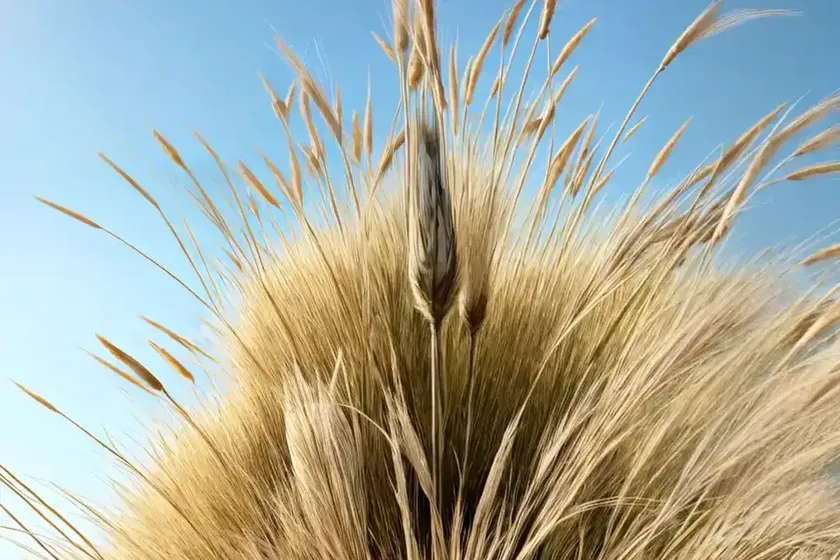
Mexican Feather Grass, scientifically known as Stipa tenuissima, is a delicate and ornamental grass native to North America. It is renowned for its graceful, feathery foliage, which sways with the gentlest breeze, adding an aesthetic appeal to gardens and landscapes. This versatile plant is incredibly popular among gardeners due to its low maintenance requirements and its ability to thrive in various conditions.
In this comprehensive guide, we will explore everything you need to know about Mexican Feather Grass, including its cultural requirements, uses in landscaping, care and maintenance tips, propagation methods, common diseases and pests, and much more. Whether you are a seasoned gardening enthusiast or a novice looking to enhance your green thumb, this guide will equip you with the knowledge to cultivate and appreciate the beauty of Mexican Feather Grass in all its glory.
What is Mexican Feather Grass?
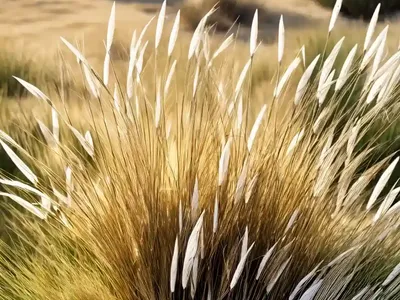
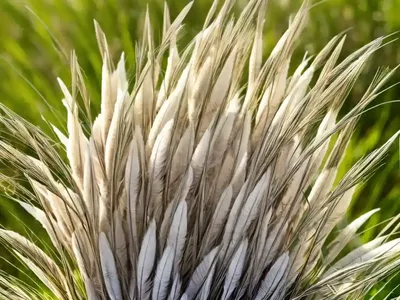
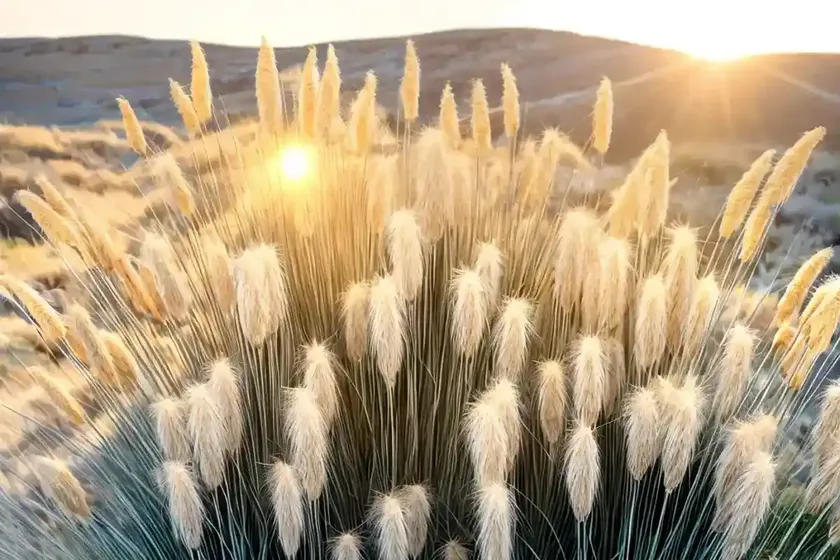
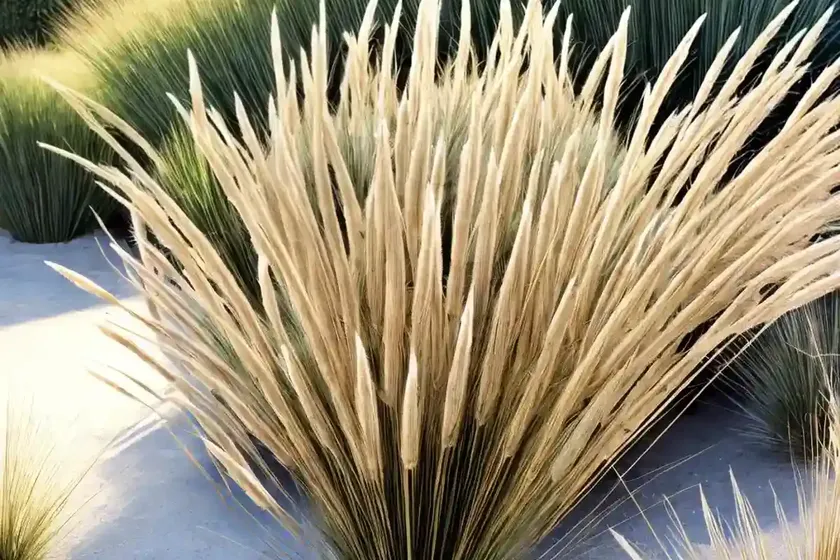
Stipa tenuissima, commonly known as Mexican Feather Grass, Mexican Needle Grass, or Nassella tenuissima, is a graceful, clump-forming ornamental grass that belongs to the Poaceae family. It is native to the southwestern United States, Mexico, and Argentina. This perennial grass typically grows in dense, fountain-like mounds, with slender, vivid green leaves that gracefully arch and sway, resembling delicate feathers. During the late spring and early summer, it produces delicate, feathery panicles that emerge in a golden hue, imparting a stunning visual appeal to the landscape.
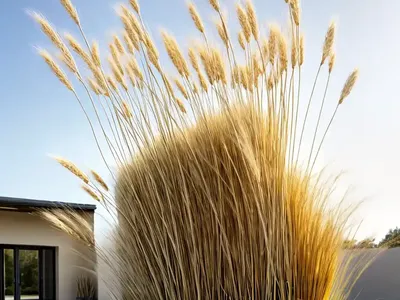
Mexican Feather Grass is renowned for its versatility and adaptability, thriving in a range of environments while requiring minimal care. Its fine texture and graceful movement make it a valuable addition to various landscape settings, including ornamental borders, meadow gardens, coastal landscapes, and xeriscapes. The delicate appearance of its foliage and the translucency of its seed heads impart an ethereal quality, making it a coveted choice for designers and gardeners alike.
Key Takeaways – Mexican Feather Grass (Stipa Tenuissima)
Understanding the fundamental aspects of Mexican Feather Grass is essential to its successful cultivation and maintenance. Here are some key takeaways about this enchanting plant:
- Scientific Name: Stipa tenuissima
- Common Names: Mexican Feather Grass, Mexican Needle Grass, Nassella tenuissima
- Family: Poaceae
- Native Habitat: Southwestern United States, Mexico, and Argentina
- Foliage: Slender, vivid green leaves with a feathery, fine texture
- Flowering: Delicate panicles emerge in late spring and early summer, exhibiting a golden hue
- Cultural Uses: Landscaping, erosion control, ornamental borders, xeriscapes, and meadow gardens
- Maintenance: Low maintenance requirements, drought-tolerant, and adaptable
- Aesthetic Appeal: Delicate, graceful, and ethereal, imparting an enchanting visual quality to landscapes
Now that we have a foundational understanding of Mexican Feather Grass, let’s delve into its cultural requirements to ensure its optimal growth and vitality.
Cultural Requirements of Mexican Feather Grass
Cultivating Mexican Feather Grass successfully necessitates a comprehensive understanding of its cultural requirements. From sunlight and water needs to soil composition and fertilization, each aspect plays a crucial role in ensuring that this ornamental grass thrives in its designated environment.
Water
Mexican Feather Grass is renowned for its exceptional drought tolerance, making it a suitable choice for arid and semi-arid regions. It is crucial to establish a balance in watering to prevent over-watering, which can lead to root rot and other moisture-related complications. To ensure the optimal health of Mexican Feather Grass, consider the following watering guidelines:
-
Established Plants: Once established, Mexican Feather Grass generally thrives in dry to moderately moist conditions. Water deeply but infrequently, allowing the soil to dry out between watering intervals. This promotes the development of a robust root system that enhances the plant’s resilience to drought conditions.
-
Container-Grown Plants: If cultivating Mexican Feather Grass in containers, ensure proper drainage to prevent waterlogging. Water container-grown specimens when the top inch of soil feels dry to the touch, providing enough moisture to keep the plant healthy without saturating the soil excessively.
-
Drought Conditions: During prolonged periods of drought, provide supplemental watering to prevent the foliage from wilting excessively. However, exercise caution to avoid excessive moisture, as Mexican Feather Grass thrives in well-draining soil and can withstand periods of dryness.
Sunlight
Mexican Feather Grass exhibits a preference for ample sunlight, thriving in full sun to partial shade conditions. When choosing a planting location, consider the following sunlight requirements to optimize the growth and aesthetic appeal of this ornamental grass:
-
Full Sun: Plant Mexican Feather Grass in locations that receive at least 6-8 hours of direct sunlight daily. This exposure facilitates robust growth, vibrant foliage coloration, and the development of abundant, golden-hued panicles during the flowering season.
-
Partial Shade: While Mexican Feather Grass prefers full sun, it can tolerate partial shade, especially in regions with intense afternoon sunlight or during exceptionally hot periods. In partial shade, the grass may exhibit slightly reduced growth and flower production, but it will continue to thrive with adequate care.
Fertilizer
Mexican Feather Grass generally thrives in nutrient-poor soil and seldom requires intensive fertilization. In fact, excessive fertilization can lead to lush growth, which may compromise the airy, delicate appearance that defines the grass’s aesthetic appeal. However, if necessary, consider the following guidelines for fertilizing Mexican Feather Grass:
-
Soil Testing: Prior to fertilization, conduct a soil test to assess the nutrient levels and pH of the planting area. This information will guide you in implementing targeted fertilization, ensuring the appropriate amendments are applied based on the grass’s specific requirements.
-
Minimal Fertilization: Limit fertilization to sparingly applying a balanced, slow-release fertilizer in early spring, just as new growth begins to emerge. Avoid fertilizers high in nitrogen, as they can promote excessive vegetative growth and detract from the grass’s graceful appearance.
Soil
As with most ornamental grasses, Mexican Feather Grass thrives in well-draining soil that is not excessively rich in nutrients. Its preference for lean, sandy, or gravelly soil with good drainage is central to its successful cultivation. Consider the following soil-related factors when establishing an ideal environment for Mexican Feather Grass:
-
Drainage: Prioritize soil with excellent drainage to prevent waterlogging, as excessive moisture can lead to root rot and other detrimental conditions. Amending heavy clay soil with organic matter or coarse sand can enhance its drainage capacity, creating a conducive environment for Mexican Feather Grass.
-
pH Level: Mexican Feather Grass thrives in slightly acidic to neutral soil with a pH range of 6.0-7.5. Conduct a soil test to evaluate the pH of the planting area and implement appropriate amendments if necessary to achieve the optimal pH for the grass’s growth.
-
Soil Texture: The grass favors sandy or loamy soil with a slightly gritty texture. This type of soil facilitates adequate drainage while providing a stable foundation for the development of the plant’s root system.
Pruning
One of the appealing aspects of Mexican Feather Grass is its minimal pruning requirements. However, occasional grooming and maintenance can enhance the plant’s appearance and longevity, especially in cultivated landscapes. When it comes to pruning Mexican Feather Grass, consider the following best practices:
-
Spring Grooming: In late winter to early spring, remove any dead or damaged foliage and seed heads to promote fresh growth and maintain the grass’s aesthetic appeal. Use clean, sharp shears or pruners to trim the grass to its base, fostering the emergence of new, vibrant foliage.
-
Thinning: If Mexican Feather Grass becomes too dense, consider thinning out the older, congested growth to allow air circulation and light penetration. This can prevent the development of fungal diseases and keep the plant looking airy and graceful.
-
Seasonal Maintenance: Throughout the growing season, monitor the grass for any signs of declining vigor or aesthetic quality. Promptly remove any browned or discolored foliage to encourage the development of new, healthy growth.
Propagation
Propagating Mexican Feather Grass allows gardeners to expand their plantings and share the beauty of this ornamental grass with others. Whether through division, seeds, or other methods, propagating Mexican Feather Grass can be a rewarding and straightforward process. Consider the following propagation methods for cultivating new Mexican Feather Grass specimens:
-
Division: In early spring, consider dividing established clumps of Mexican Feather Grass to create new plants. Use a sharp spade to divide the clump into smaller sections, ensuring that each division possesses a segment of healthy roots and foliage. Replant the divisions in prepared soil and provide adequate moisture to facilitate root establishment.
-
Seeds: Collect seeds from mature Mexican Feather Grass plants during the late summer or early fall. Sow the seeds in well-draining, sandy soil in a sunny location. Keep the soil consistently moist until germination occurs, after which you can gradually reduce watering as the seedlings grow.
-
Rhizome Cuttings: If dividing the plant is not feasible, consider using rhizome cuttings to propagate Mexican Feather Grass. Select healthy, vigorous rhizomes from the parent plant and plant them at the same level as the existing soil surface. Ensure the soil is consistently moist to facilitate the establishment of the new growth.
Container Popularity
Mexican Feather Grass is a popular choice for container gardening, adding an element of grace and movement to patio, balcony, and courtyard settings. When grown in containers, the grass’s delicate foliage and ethereal quality can be appreciated up close, accentuating the visual appeal of outdoor living spaces. Consider the following guidelines for cultivating Mexican Feather Grass in containers:
-
Container Selection: Choose a large, well-draining container that accommodates the expansiveness of Mexican Feather Grass’s root system. Opt for containers made of terracotta, fiberglass, or other breathable materials to promote aeration and prevent waterlogging.
-
Well-Draining Soil: Fill the container with a well-draining, sandy or loamy soil mix that mimics the grass’s preferred growing medium. A combination of potting soil, perlite, and coarse sand can create the ideal substrate for Mexican Feather Grass in containers.
-
Sunlight Requirements: Position the container in a location that receives ample sunlight, as Mexican Feather Grass thrives best in full sun conditions. Ensure that the grass receives at least 6-8 hours of direct sunlight daily for optimal growth and aesthetic appeal.
-
Watering Considerations: Monitor the moisture levels in the container, ensuring that the soil does not dry out completely. Water when the top inch of the soil feels dry, allowing excess moisture to drain freely from the container’s drainage holes to prevent waterlogging.
Common Diseases of Mexican Feather Grass
While Mexican Feather Grass is relatively resilient and low maintenance, it can be susceptible to certain diseases under unfavorable conditions. Understanding and identifying these diseases is crucial for implementing effective control measures and maintaining the plant’s vitality. Some common diseases that may affect Mexican Feather Grass include:
-
Leaf Spot: Leaf spot diseases can manifest as brown or black spots on the foliage, often caused by fungal pathogens. Proper air circulation, avoidance of overhead watering, and prompt removal of infected foliage can help control leaf spot diseases.
-
Crown Rot: Excessive moisture and poor drainage can lead to crown rot, causing the grass’s base to exhibit signs of decay, including wilting and browning. Ensure that the planting area has adequate drainage and avoid over-watering to prevent crown rot.
-
Powdery Mildew: Powdery mildew can appear as a dusty, white coating on the grass’s foliage, particularly during periods of high humidity. Provide ample spacing between plants, maintain good air circulation, and utilize fungicidal treatments if necessary to manage powdery mildew.
-
Fungal Diseases: Various fungal diseases, such as rust and smut, can affect Mexican Feather Grass under conditions of high humidity and poor air circulation. Implementing cultural practices that promote aeration and reduce moisture levels can help mitigate these fungal diseases.
Disease Diagnosis
Diagnosing diseases in Mexican Feather Grass involves careful observation of the plant’s foliage, base, and overall appearance to identify any signs of distress or infection. Here are some diagnostic measures for identifying diseases in Mexican Feather Grass:
-
Foliage Examination: Inspect the grass’s foliage for any discoloration, spots, or abnormal growth patterns. Look for signs of wilting, browning, or the presence of powdery or fuzzy coatings, which may indicate fungal diseases or other infections.
-
Base Inspection: Examine the base of the grass for any signs of rot, decay, or discoloration. Healthy Mexican Feather Grass should exhibit a firm, green base with no indications of softness, browning, or foul odors, which may signal underlying issues.
-
Behavioral Changes: Monitor any behavioral changes in the grass, such as wilting, stunted growth, or a decline in overall vigor. These changes may signify underlying diseases or stressors that require intervention and management.
-
Professional Consultation: If uncertain about disease diagnosis or the appropriate course of action, consider seeking guidance from a local extension service, horticulturist, or plant healthcare professional to address any concerns related to Mexican Feather Grass health.
Common Pests
Although Mexican Feather Grass is relatively resistant to pest infestations, certain pests may pose a threat to its health and vitality. Understanding the potential pests and their management is crucial for safeguarding the plant from detrimental infestations. Some common pests that may affect Mexican Feather Grass include:
-
Aphids: These small, sap-sucking insects can cluster on the foliage, causing distortion and yellowing of the grass’s leaves. Physical removal, insecticidal soaps, or horticultural oils can help control aphid infestations.
-
Grasshoppers: Grasshoppers can feed on the foliage of Mexican Feather Grass, causing visible damage and defoliation. Implementing physical barriers, such as row covers, and utilizing targeted insecticides can help manage grasshopper populations.
-
Spider Mites: These minute pests can infest the grass and create webbing on the foliage, leading to stippling and discoloration. Regularly spraying the plant with a strong stream of water and applying insecticidal soaps can help control spider mite infestations.
-
Cutworms: Cutworms can cut off the stems of young Mexican Feather Grass plants at soil level, leading to wilting and stunted growth. Implementing biological controls, such as parasitic nematodes, and utilizing barrier methods can help manage cutworm infestations.
Botanist’s Tips for Successful Cultivation
Drawing from the expertise of botanists and horticulturists, the following tips are valuable for successfully cultivating and appreciating Mexican Feather Grass in various landscape settings:
-
Proper Spacing: When planting Mexican Feather Grass, ensure adequate spacing between individual plants to promote air circulation and prevent overcrowding, which can lead to disease susceptibility.
-
Mulching Practices: Apply a thin layer of organic mulch, such as shredded bark or straw, around Mexican Feather Grass to conserve moisture, suppress weed growth, and insulate the root zone during temperature fluctuations.
-
Companion Planting: Pair Mexican Feather Grass with companion plants that complement its aesthetic appeal and cultural requirements, such as ornamental perennial flowers, low-growing shrubs, or other ornamental grasses.
-
Seasonal Evaluation: Regularly assess the health and vitality of Mexican Feather Grass throughout the growing season, promptly addressing any issues related to diseases, pests, or environmental stressors to maintain the plant’s vigor.
-
Native Pollinators: Mexican Feather Grass can attract native pollinators, contributing to the ecological diversity and vitality of the surrounding environment. Embracing the plant’s role in supporting pollinators further enhances its ecological value.
-
Educational Outreach: Share the beauty and resilience of Mexican Feather Grass with educational and community initiatives, spreading awareness about the plant’s cultural importance and its role in sustainable landscaping practices.
Fun Facts About Mexican Feather Grass
Delving into the realm of fun and fascinating facts about Mexican Feather Grass adds an enriching dimension to appreciating this versatile and enchanting plant. Here are some intriguing tidbits about Mexican Feather Grass:
-
Aesthetic Symbolism: Mexican Feather Grass’s delicate, swaying foliage is often associated with grace, movement, and ephemeral beauty, representing a captivating aesthetic symbolism in landscape design.
-
Sound of Breezes: As the wind caresses the feathery foliage of Mexican Feather Grass, it creates a subtle, rustling sound, adding an auditory dimension to its ornamental appeal.
-
Ethnobotanical Significance: In certain indigenous cultures, Mexican Feather Grass holds ethnobotanical significance, embodying cultural connections and traditional uses within local communities.
-
Ephemeral Aesthetics: The delicate, airy appearance of Mexican Feather Grass imparts an ephemeral quality to landscapes, evoking a sense of transient beauty and the passage of time.
-
Low Water Consumption: Mexican Feather Grass’s exceptional drought tolerance and minimal water requirements align with sustainable landscaping practices, emphasizing water conservation and ecological awareness.
-
Wildlife Habitat: In its natural habitat and cultivated landscapes, Mexican Feather Grass can provide habitat resources for various wildlife, further contributing to its ecological value.
-
Erodibility Control: Due to its dense, clump-forming growth habit, Mexican Feather Grass serves as an effective erosion control measure in landscapes prone to soil erosion.
-
Cultural Significance: Mexican Feather Grass is embraced in diverse cultural contexts, reflecting its universal appeal and intrinsic beauty across varied geographical and societal landscapes.
Links to External Resources
To further expand your knowledge and appreciation of Mexican Feather Grass, consider exploring the following external resources, which offer valuable insights, practical guidance, and captivating visuals related to this enchanting plant:
- Plant Care Guide for Mexican Feather Grass
- Landscaping Ideas with Stipa Tenuissima
- Drought-Tolerant Gardening Tips
- Ornamental Grass Varieties and Uses
- Wildlife-Friendly Landscaping Practices
- Native Plant Gardens and Ecosystem Restoration
Incorporating these external resources into your learning journey will broaden your understanding of Mexican Feather Grass and inspire new perspectives on its cultural significance and ecological relevance.
In conclusion, Mexican Feather Grass, with its ethereal foliage, graceful movement, and cultural significance, embodies a captivating allure that transcends traditional landscaping boundaries. By embracing its versatile uses, minimal maintenance requirements, and essential cultural considerations, gardeners and enthusiasts alike can foster the beauty and ecological value of Mexican Feather Grass in diverse landscape settings. Whether adorning ornamental borders, meadow gardens, xeriscapes, or coastal landscapes, this enchanting grass enriches the visual and ecological tapestry of the natural world. As you embark on your journey of cultivating and appreciating Mexican Feather Grass, may its delicate splendor inspire a deeper connection with the wondrous realm of ornamental grasses.
[Disclaimer: The information provided in this guide is based on botanical research and horticultural knowledge. The guidelines presented are intended for educational and informational purposes. Before implementing any practices or treatments, it is advisable to consult local gardening experts, extension services, or professional horticulturists for tailored advice and guidance specific to your gardening environment and regional considerations.]