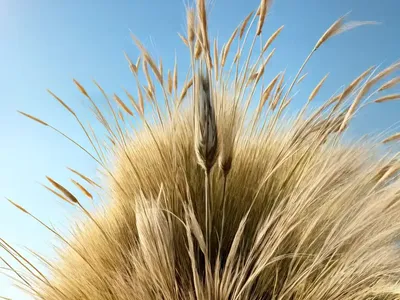
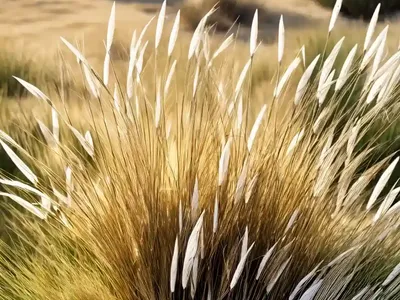
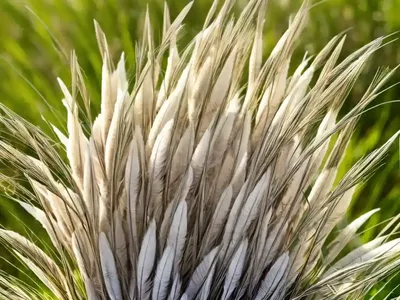
Stipa Calamagrostis (Spear Grass)
Stipa calamagrostis, commonly known as spear grass, is an ornamental grass species that belongs to the Poaceae family. Its unique and delicate appearance.
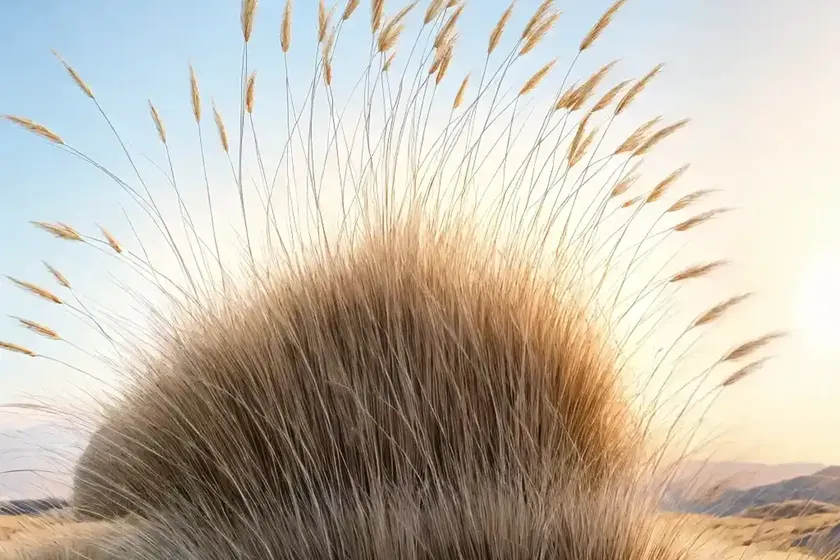
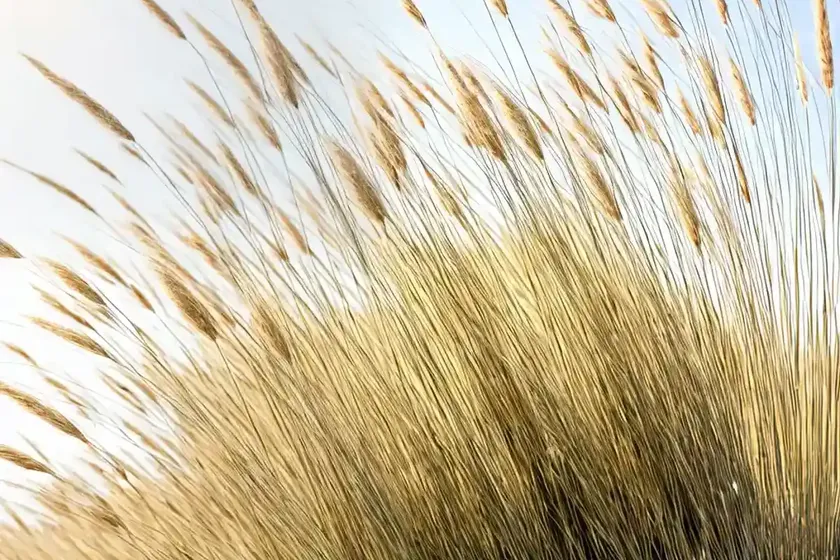
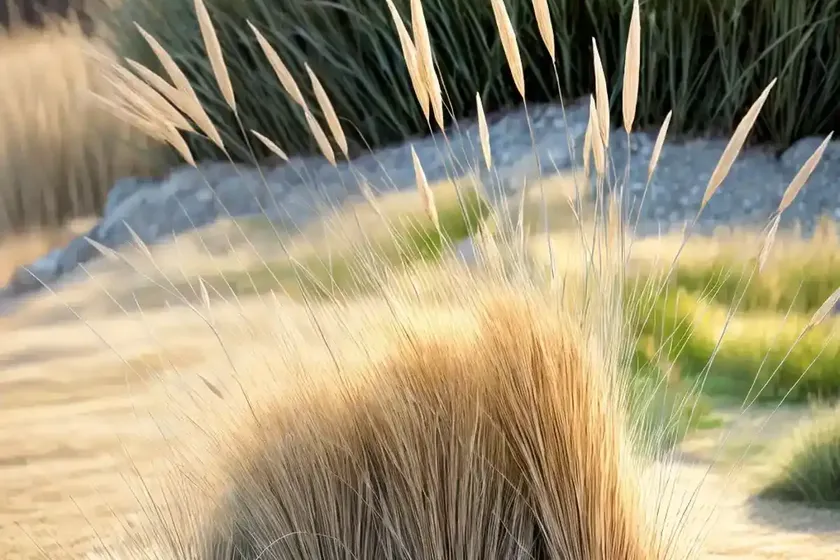
Stipa calamagrostis, commonly known as spear grass, is an ornamental grass species that belongs to the Poaceae family. Its unique and delicate appearance makes it a popular choice for landscaping and gardening enthusiasts. In this guide, we will explore the various aspects of Stipa calamagrostis, including its culture, uses, maintenance, and its role in the ecosystem. Whether you are a seasoned gardener or a beginner looking to enhance your green spaces, this comprehensive resource will equip you with the knowledge and insights needed to cultivate and appreciate this beautiful plant.
What is Stipa calamagrostis (Spear Grass)?
Stipa calamagrostis is a perennial bunchgrass that is native to regions of Europe and Western Asia. It is characterized by its slender and arching green leaves, which form dense tufts, and its feathery, silver-white flower heads that emerge in late spring and persist through the summer months. The delicate and graceful appearance of Stipa calamagrostis makes it a valuable addition to garden landscapes, where it can be utilized for its ornamental and functional attributes.
Key Takeaways – Stipa calamagrostis (Spear Grass)
Before delving into the specific aspects of Stipa calamagrostis, let’s summarize the key takeaways of this plant, which will serve as an essential reference throughout this guide:
- Stipa calamagrostis is prized for its ornamental value, characterized by its slender green leaves and feathery flower heads.
- It is a versatile plant with multiple landscape and gardening uses, including landscaping, erosion control, and wildlife support.
- Cultivating Stipa calamagrostis requires attention to factors such as water, sunlight, soil, and maintenance practices.
Now, let’s explore each of these aspects in detail to gain a comprehensive understanding of Stipa calamagrostis and its care requirements.
Culture
Cultivating Stipa calamagrostis involves understanding its specific cultural requirements to ensure its optimal growth and performance. Below, we will discuss the various cultural factors that are integral to the successful cultivation of this stunning grass species.
Uses
Stipa calamagrostis boasts a range of uses and applications, making it a versatile plant for various landscaping and gardening purposes. Some of the key uses of Stipa calamagrostis include:
-
Ornamental Landscaping: The striking visual appeal of Stipa calamagrostis makes it a popular choice for ornamental landscaping. It can be used to add texture, movement, and visual interest to gardens, borders, and naturalistic planting schemes.
-
Erosion Control: The dense and fibrous root system of Stipa calamagrostis enables it to effectively stabilize soil and prevent erosion. It is often employed in landscaping projects where erosion control is a priority, such as slopes, riverbanks, and embankments.
-
Wildlife Support: Stipa calamagrostis provides essential habitat and food sources for various wildlife, including birds and insects. Its flowering stems and seed heads offer shelter and sustenance, contributing to the overall biodiversity of a garden or natural environment.
-
Low-Maintenance Landscapes: Due to its hardy and resilient nature, Stipa calamagrostis is well-suited for low-maintenance landscapes, xeriscaping, and water-wise gardens. Once established, it requires minimal intervention, making it an attractive option for gardeners seeking sustainable and low-effort plantings.
-
Container Gardening: The graceful form and compact growth habit of Stipa calamagrostis make it suitable for container gardening. It can be used to adorn patios, balconies, and outdoor living spaces, adding a touch of elegance to container arrangements.
Water
Understanding the water requirements of Stipa calamagrostis is crucial for maintaining its health and vigor. While this grass species exhibits a degree of drought tolerance, adequate moisture is essential, especially during its establishment phase and in periods of prolonged dryness. The following guidelines can help you manage the water needs of Stipa calamagrostis effectively:
-
Establishment Phase: During the initial establishment period, ensure that newly planted Stipa calamagrostis receives regular and consistent moisture. This will promote healthy root development and enable the plant to acclimate to its new environment.
-
Mature Plants: Once established, Stipa calamagrostis demonstrates a moderate tolerance to drought conditions. However, during extended dry spells, provide supplemental watering to prevent the soil from becoming excessively dry. Water deeply and infrequently to encourage deep root growth and resilience.
-
Soil Drainage: Good soil drainage is essential for Stipa calamagrostis, as it is susceptible to root rot in waterlogged conditions. Ensure that the planting site has well-draining soil to prevent waterlogged conditions that may compromise the health of the plant.
An efficient way to monitor the soil moisture levels for Stipa calamagrostis is to perform regular soil checks, especially during periods of fluctuating weather or limited rainfall. By incorporating these watering practices, you can ensure that Stipa calamagrostis thrives in its environment and maintains its ornamental appeal.
Sunlight
The sunlight requirements of Stipa calamagrostis play a significant role in its growth and overall performance. This grass species exhibits preference for specific light conditions, and understanding these requirements is essential for its successful cultivation. Consider the following factors related to sunlight exposure for Stipa calamagrostis:
-
Full Sun: Stipa calamagrostis thrives in full sunlight, preferring at least six to eight hours of direct sun exposure per day. Adequate sunlight is crucial for promoting robust growth, flower production, and the development of its characteristic silver-white inflorescences.
-
Partial Shade: While Stipa calamagrostis is primarily a sun-loving plant, it can tolerate light or dappled shade, especially in regions with intense or prolonged periods of heat. In such environments, providing some afternoon shade can help protect the plant from excessive stress and maintain its vitality.
When selecting a planting site for Stipa calamagrostis, prioritize locations that offer ample sunlight, especially if you aim to maximize its ornamental value and floral display. By appropriately addressing its sunlight requirements, you can ensure that this grass species flourishes in your garden or landscape.
Fertilizer
Proper fertilization practices are essential for supporting the growth and vitality of Stipa calamagrostis. While this grass species generally thrives in nutrient-poor soils, strategic fertilization can further enhance its vigor and ornamental qualities. Consider the following guidelines for fertilizing Stipa calamagrostis effectively:
-
Minimal Fertilization: Stipa calamagrostis is well-adapted to low-fertility soils and typically does not require heavy or frequent fertilization. Excessive nutrient inputs can lead to overly lush growth and may diminish the delicate appearance of the plant.
-
Balanced Fertilizer: If you choose to fertilize Stipa calamagrostis, opt for a balanced, slow-release fertilizer with a lower nitrogen content. Apply the fertilizer sparingly in early spring, focusing on promoting overall plant health and modest growth.
-
Organic Amendments: Incorporating organic matter into the soil during planting or as a topdressing can provide a gradual and gentle source of nutrients for Stipa calamagrostis. Organic amendments such as compost, well-rotted manure, or mulch can contribute to soil structure and long-term fertility.
By exercising restraint in fertilization and focusing on maintaining a balanced nutrient environment, you can ensure that Stipa calamagrostis thrives without excessive stimulation or undesirable growth patterns.
Soil
The soil preferences of Stipa calamagrostis are pivotal to its successful cultivation, as they influence its root development, overall health, and ornamental attributes. Understanding the ideal soil conditions for this grass species will enable you to create a conducive environment for its growth. Consider the following soil-related considerations for Stipa calamagrostis:
-
Well-Drained Soil: Stipa calamagrostis thrives in well-drained soils and is susceptible to root rot in poorly drained or waterlogged conditions. Prioritize planting this grass species in soil with good drainage to prevent moisture-related issues.
-
Soil Type: While adaptable to various soil types, Stipa calamagrostis prefers sandy or loamy soils with a slightly acidic to neutral pH range. These soil types provide the optimal balance of water retention and aeration for the plant’s root system.
-
Soil Amendment: Before planting Stipa calamagrostis, consider amending the soil with organic matter to improve its structure and nutrient content. Incorporating compost, peat moss, or aged manure can enhance soil fertility and texture.
By ensuring that the soil conditions align with the preferences of Stipa calamagrostis, you can create a conducive growing environment that promotes vigorous growth and the expression of its distinctive ornamental features.
Pruning
Pruning Stipa calamagrostis is a straightforward but essential maintenance practice that contributes to the plant’s overall appearance and health. As this grass species transitions through its seasonal growth cycles, proper pruning can help manage its form and address potential issues. Consider the following guidelines for pruning Stipa calamagrostis effectively:
-
Spring Maintenance: In early spring, remove any dead or damaged foliage from the previous growing season to make way for new growth. Use clean and sharp pruners to trim back the old stems and tidy up the overall appearance of the plant.
-
Deadheading: After the flowering period, consider deadheading the spent flower heads to maintain a neat and tidy appearance. This practice can also prevent the plant from self-sowing excessively and help direct its energy towards new growth.
-
Seasonal Cleanup: During the late winter or early spring, consider cutting back the entire plant to near ground level to rejuvenate its growth and remove accumulated thatch. This rejuvenation pruning can help promote vigorous new growth and prevent the plant from becoming leggy or unkempt.
By incorporating these pruning practices, you can ensure that Stipa calamagrostis maintains an attractive and healthy form throughout the growing season, contributing to its overall ornamental value in the landscape.
Propagation
Propagating Stipa calamagrostis allows you to expand your plantings and share this beautiful grass species with others. Understanding the methods and techniques for propagating Stipa calamagrostis will enable you to create new plantings and incorporate it into additional areas of your garden or landscape. Consider the following propagation methods for Stipa calamagrostis:
-
Division: Propagating Stipa calamagrostis through division involves separating established clumps into smaller sections, each containing viable roots and shoots. This method is typically carried out in early spring to coincide with the plant’s active growth phase.
-
Seed Propagation: Collecting and sowing seeds is another viable method for propagating Stipa calamagrostis. Harvest mature seed heads in late summer or early autumn, and sow the seeds in trays or containers filled with a well-draining, seed-starting mix. Keep the seeds consistently moist and provide warmth to encourage germination.
-
Transplanting Seedlings: If you have successfully germinated Stipa calamagrostis seeds, transplant the seedlings into individual pots or nursery beds once they have developed several sets of true leaves. Monitor their growth and gradually acclimate them to outdoor conditions before planting them in their permanent location.
By employing these propagation methods, you can expand your Stipa calamagrostis plantings and share the beauty of this grass species with others, enriching your garden and contributing to its overall diversity.
Container Popularity
Stipa calamagrostis’s popularity in container gardening has surged due to its graceful form, compact growth habit, and ornamental value. When grown in containers, this grass species adds a dimension of elegance and movement to outdoor spaces, making it a favored choice for various container designs and gardening styles. Consider the following aspects related to growing Stipa calamagrostis in containers:
-
Container Selection: Choose containers that are appropriately sized to accommodate the root system of Stipa calamagrostis and allow room for growth. Select containers with drainage holes to ensure proper soil drainage and prevent waterlogged conditions.
-
Growing Medium: Fill the containers with a well-draining potting mix that provides a balance of moisture retention and aeration. Incorporate organic matter or perlite to enhance soil structure and nutrient availability within the container.
-
Placement: Position the containers in areas that receive adequate sunlight, as Stipa calamagrostis thrives in full sun to partial shade conditions. Ensure that the containers are stable and secure, especially in outdoor settings exposed to winds or inclement weather.
-
Maintenance: Regularly check the moisture levels of the container-grown Stipa calamagrostis and water as needed to maintain consistent soil moisture. Additionally, monitor the growth of the plant to assess its vitality and address any maintenance requirements, such as pruning or deadheading.
By cultivating Stipa calamagrostis in containers, you can introduce its unique beauty into various outdoor settings, including patios, balconies, courtyards, and other confined spaces, adding an element of sophistication and natural allure to your container arrangements.
Common Diseases
Stipa calamagrostis is generally resistant to major disease issues, owing to its resilience and adaptability. However, being aware of potential diseases and their symptoms will enable you to promptly identify and address any health concerns that may emerge. Consider the following common diseases that can affect Stipa calamagrostis:
-
Leaf Spot: Leaf spot diseases, caused by various fungal pathogens, can manifest as small, dark spots on the foliage of Stipa calamagrostis. These spots may spread and coalesce, leading to extensive foliage damage if left unmanaged.
-
Rust: Rust diseases, characterized by reddish-brown pustules on the leaves, can affect the overall health and appearance of Stipa calamagrostis. Rust infections can weaken the plant and reduce its ornamental value if not addressed in a timely manner.
-
Powdery Mildew: Powdery mildew, a common fungal disease, can develop as a powdery, white growth on the leaves of Stipa calamagrostis. This disease can inhibit photosynthesis and compromise the vigor of the plant.
By promptly addressing any signs of these diseases through appropriate cultural practices, such as improving air circulation, promoting soil drainage, and employing targeted fungicidal treatments if necessary, you can safeguard the health and vitality of Stipa calamagrostis in your garden or landscape.
Disease Diagnosis
Accurately diagnosing diseases that affect Stipa calamagrostis involves careful observation and vigilance, allowing you to pinpoint the specific issues affecting the plant and implement targeted interventions. Consider the following steps for diagnosing diseases in Stipa calamagrostis:
-
Visual Inspection: Regularly inspect the foliage, stems, and inflorescences of Stipa calamagrostis for any signs of discoloration, lesions, or abnormal growth. Note any unusual symptoms and changes in the plant’s overall appearance.
-
Symptom Identification: Identify the specific symptoms exhibited by the plant, such as spots, lesions, powdery coatings, or abnormal growth patterns. Document the characteristics of the symptoms to aid in accurate diagnosis.
-
Pathogen Research: Research the common diseases that affect ornamental grasses, including Stipa calamagrostis, and compare the observed symptoms with the typical signs of prevalent diseases. Note the environmental conditions and cultural practices that may contribute to disease development.
-
Professional Assistance: If you encounter challenges in diagnosing and addressing diseases affecting Stipa calamagrostis, consider seeking assistance from horticultural professionals, plant pathologists, or extension services to gain insights and recommendations for disease management.
By systematically evaluating and diagnosing potential diseases affecting Stipa calamagrostis, you can take proactive measures to preserve the health and visual appeal of this ornamental grass in your garden or landscape.
Common Pests
While Stipa calamagrostis is generally resistant to major pest infestations, it may occasionally encounter certain insect pests that can impact its growth and vigor. Familiarizing yourself with the common pests that may affect this grass species will enable you to implement targeted pest management strategies. Consider the following common pests of Stipa calamagrostis:
-
Aphids: Aphid infestations can occur on the foliage and stems of Stipa calamagrostis, leading to distorted growth and the presence of sticky honeydew. These sucking insects can weaken the plant and facilitate the development of sooty mold.
-
Mites: Spider mites and other similar arachnids can feed on the foliage of Stipa calamagrostis, causing stippling, discoloration, and the development of fine webbing. These pests can thrive in hot and dry conditions, leading to visible damage on the plant.
-
Caterpillars: Certain caterpillar species may feed on the foliage of Stipa calamagrostis, leading to defoliation and the formation of unsightly holes in the leaves. Caterpillar feeding damage can compromise the overall appearance and health of the plant.
By remaining vigilant and promptly addressing pest infestations using targeted control methods, such as horticultural oils, insecticidal soaps, or botanical insecticides, you can minimize the impact of pests on the health and aesthetic appeal of Stipa calamagrostis in your garden or landscape.
Botanist’s Tips
As a plant scientist and enthusiast, I offer the following specialized tips for growing and caring for Stipa calamagrostis, drawn from my expertise and experience in plant science:
-
Companion Planting: Incorporate Stipa calamagrostis alongside complementary plant species, such as perennial flowers, shrubs, or other ornamental grasses, to create dynamic and visually appealing plant combinations that enhance the overall landscape.
-
Naturalistic Plantings: Consider integrating Stipa calamagrostis into naturalistic or wildflower meadow plantings to create a diverse and ecologically rich environment that supports native wildlife and contributes to the conservation of natural habitats.
-
Seasonal Interest: Embrace the seasonal changes and visual interest offered by Stipa calamagrostis throughout the year, appreciating its form, texture, and movement in both the growing season and the winter landscape.
-
Erosion Control: Utilize the stabilizing and root-holding properties of Stipa calamagrostis to address erosion-prone areas and slopes, effectively managing soil erosion and enhancing the overall ecological function of the landscape.
By implementing these specialized tips, you can further elevate the cultivation of Stipa calamagrostis and derive enhanced aesthetic and ecological benefits from this versatile and beautiful plant species.
Fun Facts
-
Cultural Significance: Stipa calamagrostis has historical and cultural significance, being featured in traditional folklore, native plant traditions, and regional landscapes, adding to its inherent charm and allure.
-
Aesthetic Versatility: Due to its graceful and ethereal appearance, Stipa calamagrostis is often used in various design styles, from contemporary landscapes to naturalistic and ecological restoration projects.
-
Ecological Contributions: Stipa calamagrostis offers essential ecological contributions, supporting wildlife, conserving natural resources, and enhancing the overall biodiversity of the environment where it is cultivated.
-
Heritage Planting: In certain regions, Stipa calamagrostis is considered a heritage or heirloom plant, valued for its enduring beauty and ecological role in the landscape.
Links to External Resources
To further expand your knowledge and understanding of Stipa calamagrostis and its cultivation, I recommend exploring the following external resources: