Scilla Mischtschenkoana: A Complete Guide to Care, Cultivation, and Maintenance
In the realm of gardening, Scilla mischtschenkoana, or simply scilla, is a charming and low-maintenance plant that has been gaining popularity among avid gardeners and horticulturists. This plant is known for its delicate and enchanting flowers, making it a prized addition to gardens, landscapes, and even indoor spaces. If you are intrigued by this elegant plant and wish to learn more about its care, cultivation, and maintenance, you’ve come to the right place. In this comprehensive guide, we will delve into the various aspects of scilla, including its culture, uses, water and sunlight requirements, fertilizer needs, soil preferences, pruning techniques, propagation methods, and much more. Additionally, we will explore the common diseases and pests that may affect scilla, along with effective remedies for maintaining its health and vibrancy. Whether you are a seasoned gardener or a novice enthusiast, this guide will equip you with the knowledge and skills necessary to nurture and appreciate the beauty of scilla mischtschenkoana.
What is scilla (Scilla mischtschenkoana)?
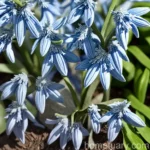
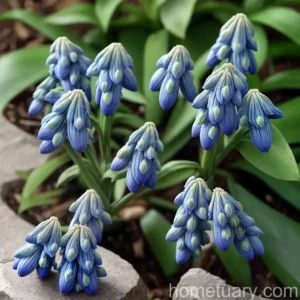
Scilla mischtschenkoana, a member of the Asparagaceae family, is a perennial bulbous plant native to the Caucasus region. It is characterized by its slender, strap-shaped leaves and dainty, star-shaped flowers that bloom in early spring, creating a picturesque display of blue, white, or pink hues. Often referred to as the ‘white squill’ or ‘early squill,’ scilla adds an ethereal touch to gardens and landscapes, and its adaptability makes it an ideal choice for various settings, from naturalized woodland areas to rock gardens and borders. With its captivating blooms and undemanding nature, scilla has become a beloved favorite for gardeners seeking to enhance their outdoor spaces with a touch of elegance and charm.
Key Takeaways – Scilla (Scilla mischtschenkoana)
Before delving into the specifics of caring for scilla, it’s important to grasp the key aspects that contribute to its successful cultivation and maintenance. Let’s outline the primary takeaways associated with scilla (Scilla mischtschenkoana) to set the stage for a deeper exploration of its characteristics and requirements.
Culture
Scilla mischtschenkoana is a resilient and adaptable plant that thrives in various environments, from full sunlight to partial shade. Its preference for well-draining soil and moderate moisture levels makes it suitable for both outdoor and indoor cultivation. As a spring-blooming plant, scilla imparts a vibrant and refreshing allure to gardens and landscapes, and its naturalizing tendencies contribute to its effortless beauty.
Uses
Scilla mischtschenkoana is commonly used for naturalizing woodland areas, rock gardens, borders, and containers. Its delicate flowers and graceful foliage make it an enchanting addition to any setting, while its low maintenance requirements and resistance to pests and diseases render it an attractive choice for gardeners seeking ease of care.
Water
Moderate and consistent moisture is essential for the optimal growth and development of scilla. While the plant prefers well-draining soil, it benefits from regular watering, particularly during its active growth stages and when in bloom. Care should be taken to avoid waterlogging, as excessive moisture can lead to rot and other detrimental conditions.
Sunlight
Scilla mischtschenkoana flourishes in full to partial sunlight, making it adaptable to various light conditions. However, it is crucial to provide adequate sunlight for robust growth and prolific blooming. In regions with intense summer heat, partial shade may be preferred to protect the plant from excessive sun exposure.
Fertilizer
Minimal fertilization is necessary for scilla mischtschenkoana, as it is a relatively self-sufficient plant. A balanced, diluted fertilizer can be applied during the active growth phase to support the plant’s nutritional needs, but excessive feeding should be avoided to prevent adverse effects on its development.
Soil
Well-draining, loamy or sandy soil is ideal for scilla mischtschenkoana, as it allows for proper aeration and moisture retention. The plant thrives in neutral to slightly acidic soil with good drainage, promoting healthy root growth and overall vigor.
Pruning
Minimal pruning is required for scilla mischtschenkoana, primarily focusing on the removal of spent flowers and damaged foliage. Deadheading the plant after flowering can encourage the allocation of nutrients to the bulbs and prevent the formation of seeds, contributing to enhanced blooming in subsequent seasons.
Propagation
Scilla mischtschenkoana can be propagated through division or by sowing seeds, providing gardening enthusiasts with options for expanding their scilla collection or sharing the plant with fellow gardeners. Careful attention to timing and techniques is essential for successful propagation, ensuring the propagation process aligns with the plant’s natural growth cycle.
Container Popularity
Scilla mischtschenkoana is well-suited for container gardening, offering an opportunity to cultivate the plant in confined spaces such as balconies, patios, or indoor areas. Its adaptability to containers enables individuals with limited outdoor space to enjoy the beauty of scilla and engage in gardening activities.
Container Common Diseases
While scilla mischtschenkoana is generally resistant to major diseases, container cultivation may pose certain challenges, including the risk of root rot and fungal infections. Proper container selection, adequate drainage, and attentive care are essential for mitigating disease risks and promoting the plant’s well-being.
Disease Diagnosis
The occurrence of chlorotic or withering foliage, stunted growth, and unusual discoloration may signal potential diseases or environmental stressors affecting scilla mischtschenkoana. Timely diagnosis and intervention are crucial for addressing such issues and preventing the spread of ailments throughout the plant.
Common Pests
Scilla mischtschenkoana is relatively unaffected by pest infestations, owing to its natural repellent properties and minimal susceptibility to common garden pests. However, occasional monitoring for signs of pest activity is recommended to promptly address any potential threats and safeguard the plant’s health.
Now that we have established the fundamental aspects of scilla (Scilla mischtschenkoana) and its care requirements, let’s delve deeper into each key element to gain a comprehensive understanding of this captivating plant and how best to nurture its beauty.
Scilla Mischtschenkoana Care: Deciphering the Essentials
Caring for scilla mischtschenkoana involves a blend of attentive oversight and minimal intervention, aligning with the plant’s innate resilience and self-sufficiency. By focusing on its specific needs related to water, sunlight, soil, and other crucial factors, gardeners can create an environment conducive to scilla’s flourishing growth and abundant blooming. To ensure the proper care and cultivation of scilla, let’s explore the essential components in greater detail.
Water Requirements
Moderate and consistent moisture levels are vital for the well-being of scilla mischtschenkoana. Adequate watering is crucial during the plant’s active growth phase, particularly in early spring when the delicate flowers begin to emerge. However, it is essential to strike a balance, avoiding overwatering that could lead to waterlogged soil and subsequent root rot.
To ensure optimal growth and blooming, it is advisable to water the plant when the soil surface feels dry to the touch. Deep, infrequent watering sessions that penetrate the root zone are preferred over frequent, shallow watering, as they encourage the development of a robust root system capable of efficiently extracting nutrients and moisture from the soil. During periods of extended drought or intense heat, it may be necessary to adjust the watering frequency to accommodate the plant’s increased moisture requirements.
In regions experiencing prolonged rainfall or high humidity, it is essential to monitor the soil moisture levels and provide appropriate drainage, as excessive moisture can lead to fungal infections and other complications. Mulching the soil surface around scilla mischtschenkoana can aid in moisture retention and weed suppression, contributing to a healthy and insulated root environment. Additionally, utilizing rain gauges or soil moisture meters can assist in gauging the plant’s water needs and preventing overwatering, thereby optimizing its overall vitality.
Sunlight Preferences
As a sun-loving plant, scilla mischtschenkoana thrives in full to partial sunlight, encompassing a wide range of light conditions suitable for its growth and blooming. When cultivated in regions with abundant sunlight, scilla manifests its full splendor, adorning the landscape with a profusion of charming flowers and graceful foliage. However, in areas characterized by intense heat or prolonged exposure to direct sunlight, partial shade may be beneficial to shield the plant from potential stress and sunburn.
When identifying the ideal location for cultivating scilla, it is essential to consider the prevailing sunlight patterns and the plant’s capacity to thrive in the specified conditions. By selecting a site with ample sunlight and providing protective measures as needed to buffer the effects of excessive heat, gardeners can ensure that scilla mischtschenkoana receives the light intensity necessary for robust growth and prolific blooming.
For indoor cultivation, placing scilla near south-facing windows or in well-illuminated areas can facilitate sufficient light exposure, mimicking the conditions conducive to its outdoor growth. Consistent monitoring of the plant’s response to indoor light sources is recommended to adjust its positioning and ensure that it receives the optimal amount of sunlight for sustained health and vitality.
Fertilizer Needs
While scilla mischtschenkoana is relatively undemanding in its nutritional requirements, judicious fertilization can support its growth and confer resilience against environmental stressors. A balanced, diluted fertilizer with equal parts of nitrogen, phosphorus, and potassium can be applied to the soil during the plant’s active growth phase, typically in early spring as new foliage emerges. This application can coincide with the onset of blooming, providing scilla with the essential nutrients required for vibrant flower production and sustained vigor.
It is important to exercise restraint when fertilizing scilla, as excessive levels of nitrogen or other components can lead to adverse effects such as excessive foliage growth, reduced flowering, or heightened susceptibility to diseases. By adhering to the recommended dilution ratios and avoiding overzealous feeding, gardeners can promote the plant’s balanced development and overall well-being.
For container-grown scilla, a liquid fertilizer formulated for flowering plants can be utilized, following the manufacturer’s guidelines for application frequency and dosage. Care should be taken to avoid direct contact between the fertilizer and the plant’s foliage, as this can result in leaf burn or other detrimental manifestations. Regular monitoring of the plant’s response to fertilization can inform adjustments to the feeding regimen, ensuring that scilla receives optimal nourishment without undue stress or imbalances.
Soil Preferences
The choice of soil for scilla mischtschenkoana is a critical determinant of its growth, as it influences factors such as moisture retention, aeration, and nutrient availability. Well-draining, loamy or sandy soil with a slightly acidic to neutral pH is best suited for scilla, facilitating the circulation of air and water while promoting healthy root development. The soil should possess good drainage characteristics, preventing the accumulation of excess moisture that could impede the plant’s growth and vitality.
Incorporating organic matter such as compost or well-rotted manure into the soil can enhance its structure and fertility, providing scilla with a nutrient-rich substrate for sustained health. Organic amendments also contribute to the soil’s moisture retention capacity, reducing the frequency of watering while ensuring that the plant receives consistent access to essential minerals and trace elements.
Prior to planting or transplanting scilla, it is advisable to prepare the soil by loosening it to a depth of 10-12 inches, incorporating organic matter, and removing any debris or obstructions that could hinder root growth. This preparatory process facilitates the establishment of scilla in a conducive environment, promoting vigorous root expansion and sustained resilience.
Pruning Techniques
Minimal pruning is necessary for scilla mischtschenkoana, primarily centered on the removal of spent flowers and damaged foliage to maintain the plant’s aesthetic appeal and redirect its energy towards growth and rejuvenation. Deadheading, or the practice of removing faded or withered flowers, can prevent the plant from expending resources on seed production, encouraging the allocation of nutrients towards bulb development and future blooming cycles.
When deadheading scilla, care should be taken to avoid damaging the emerging foliage or surrounding stems, wielding sharp, clean scissors or pruning shears for precise cuts. By consistently deadheading the plant throughout the blooming period, gardeners can encourage the formation of fresh flowers and uphold the visual allure of scilla, fostering a continuous display of delicate blooms.
As scilla mischtschenkoana enters its dormant phase, typically after the blooming period, the foliage naturally withers and declines, signifying the plant’s transition to a restorative stage. At this juncture, the residual foliage can be gently trimmed back to ground level, allowing the bulbs to conserve energy and prepare for the next growth cycle. Pruning during the dormant phase contributes to the overall cleanliness and tidiness of the planting area, while facilitating unobstructed regrowth during the subsequent season.
Propagation Strategies
Propagating scilla mischtschenkoana offers an opportunity to expand its presence in the garden or share its beauty with fellow gardening enthusiasts. By employing suitable techniques for division and seed sowing, gardeners can effectively propagate scilla, enhancing its abundance and perpetuating its enchanting presence.
Division
Division is a common and reliable method for propagating scilla mischtschenkoana, typically performed during the plant’s dormant phase or immediately after flowering. To propagate scilla through division, the bulbs are carefully lifted from the soil, ensuring minimal disruption to their structure and root system. Each bulb or bulb cluster can then be divided into sections, with each division containing viable roots and a portion of the basal plate.
The divided sections are subsequently replanted at the desired location, ensuring proper spacing and depth to accommodate their growth. Ample watering is provided to facilitate the establishment of the newly propagated scilla, fostering robust root development and promoting successful regrowth in the ensuing seasons.
Seed Sowing
Sowing scilla mischtschenkoana seeds is an alternative propagation method that allows for the generation of new plants from collected or purchased seeds. Fresh seeds are sown in well-draining, fertile soil during the autumn season, providing them with the necessary exposure to cold stratification for optimum germination.
The sowing depth and spacing are adjusted to accommodate the size of the seeds and promote unrestricted growth, ensuring that each seed receives sufficient access to light and moisture. Adequate watering and monitoring of environmental conditions are essential for sustaining the germination process and fostering the establishment of seedlings.
As the seedlings mature and develop into young plants, they are diligently tended to promote healthy growth and transition to their subsequent phases of growth. With attentive care and adherence to optimal cultivation practices, the propagated scilla seedlings can evolve into robust plants, ready to contribute their elegance and charm to the garden landscape.
Container Gardening Potential
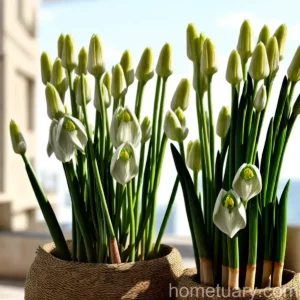
The adaptability and compact nature of scilla mischtschenkoana make it an appealing option for container gardening, enabling individuals with limited outdoor space or specific aesthetic preferences to cultivate and enjoy the plant’s beauty. When selecting containers for scilla, it is essential to choose vessels that provide adequate depth and sufficient drainage to accommodate the bulbs’ growth and prevent waterlogging.
Terracotta or glazed ceramic pots are popular choices for planting scilla, as they offer durability, aesthetic appeal, and favorable root aeration. To ensure proper drainage, suitable drainage holes should be present at the base of the container, facilitating the efflux of excess water and preventing the accumulation of moisture that could compromise the plant’s health.
When cultivating scilla in containers, it is essential to select a well-draining potting mix formulated for bulbous plants, providing the necessary balance of aeration, moisture retention, and nutrient availability. Regular monitoring and adjustment of the soil moisture levels are necessary to prevent water stress or saturation, preserving optimal growing conditions for scilla within the confines of the container.
As with outdoor cultivation, container-grown scilla benefits from adequate exposure to sunlight, necessitating positioning in areas that receive ample natural light or supplemental illumination. Consistent monitoring of the plant’s response to container conditions, including watering, sunlight, and temperature, enables gardeners to fine-tune their care routine and foster the healthy growth of scilla in a contained environment.
Recognizing and Addressing Common Diseases and Pests
Despite its resilience and low susceptibility to ailments, scilla mischtschenkoana may encounter certain diseases and pests that warrant vigilant attention and timely intervention. By familiarizing oneself with the common afflictions that affect scilla and implementing preventive measures and targeted remedies, gardeners can safeguard the plant’s well-being and preserve its vitality.
Common Diseases
Browning and Withering Foliage
The occurrence of browning or extensive withering of scilla mischtschenkoana foliage may signal potential disease or environmental stress, prompting careful assessment and intervention. Several factors, including root rot, fungal infections, or insufficient moisture, can contribute to the manifestation of declining foliage, warranting prompt diagnosis and tailored remedies.
Flower Discoloration and Malformation
Discoloration or malformation of scilla flowers may indicate underlying diseases or physiological imbalances affecting the plant. Pest infestations, nutrient deficiencies, and fungal pathogens can instigate irregular flower development, compromising the visual appeal and overall fitness of scilla. Identifying the causative factors and implementing targeted treatments is essential for restoring the plant’s blooming vigor and sustaining its aesthetic allure.
Bulb Rot
Bulb rot, characterized by the decay and deterioration of scilla mischtschenkoana bulbs, poses a significant threat to the plant’s health and longevity. Prolonged exposure to waterlogged soil, inadequate drainage, or pathogenic microorganisms can contribute to bulb rot, necessitating immediate intervention and remedial measures to salvage the affected bulbs and prevent the spread of the condition.
Disease Diagnosis and Remediation
Timely and accurate diagnosis is fundamental to effectively addressing potential diseases and mitigating their impact on scilla mischtschenkoana. When observing symptoms indicative of disease or decline, it is crucial to assess the plant’s growing conditions, environmental factors, and recent care practices to identify potential stressors or causal agents.
Isolating affected plants, implementing enhanced drainage measures, and adjusting watering practices can aid in mitigating the spread of disease and fostering the recovery of scilla. Additionally, targeted applications of fungicidal solutions or organic remedies may be incorporated to combat fungal pathogens and promote the plant’s recuperation.
Regular monitoring and inspection of scilla for signs of disease, coupled with proactive adjustments to its growing conditions, enable gardeners to fortify the plant’s resilience and maintain a favorable environment conducive to sustained health and vitality.
Common Pests
Snails and Slugs
Snails and slugs may pose a threat to scilla mischtschenkoana, particularly in moist or shaded environments, where they can feed on the plant’s foliage and tender growth. To deter snails and slugs, barriers, such as copper tape or diatomaceous earth, can be employed to hinder their access to scilla and protect the plant from potential damage.
Aphids
Aphids, small sap-sucking insects, can infest scilla mischtschenkoana, leading to distorted growth, stippled foliage, and reduced vigor. Natural predators, such as ladybugs and lacewings, can contribute to aphid control, while targeted applications of insecticidal soaps or neem oil can effectively combat aphid infestations and restore the plant’s health.
Rodents and Burrowing Pests
Rodents and burrowing pests may pose a threat to scilla mischtschenkoana bulbs, causing damage and disruption to the plant’s growth cycle. Implementing protective measures,