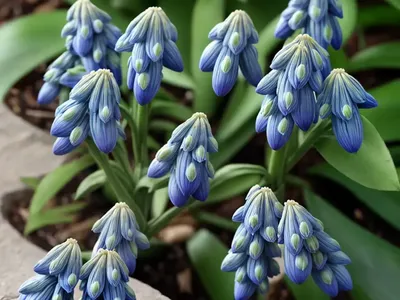
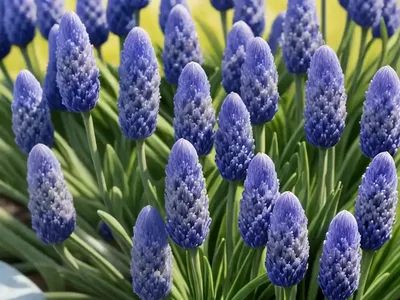
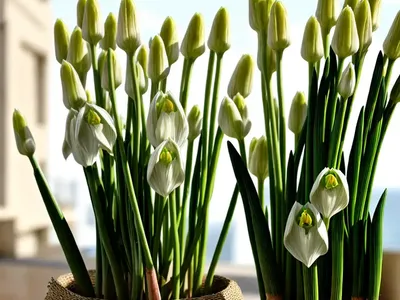
Siberian Squill (Scilla Siberica ‘Spring Beauty’)
The Siberian squill, scientifically known as Scilla siberica ‘Spring Beauty’, is a charming perennial plant that belongs to the Asparagaceae family. It is.
Introduction
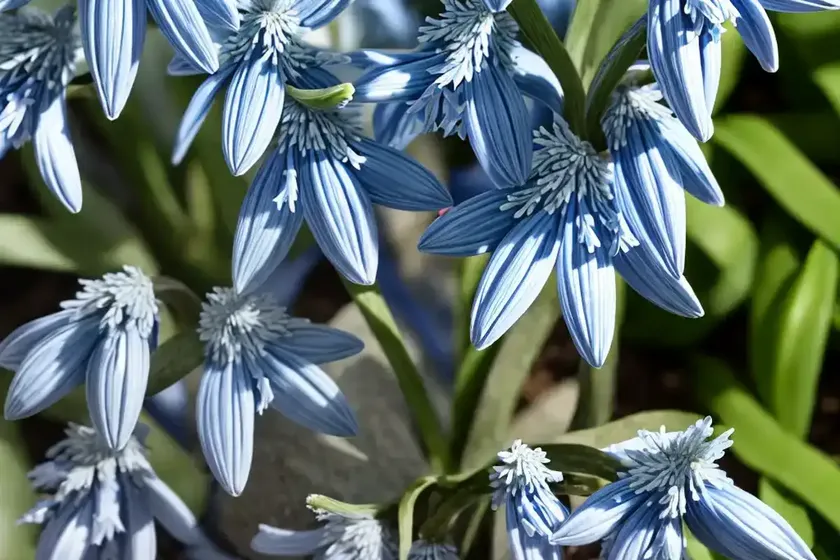
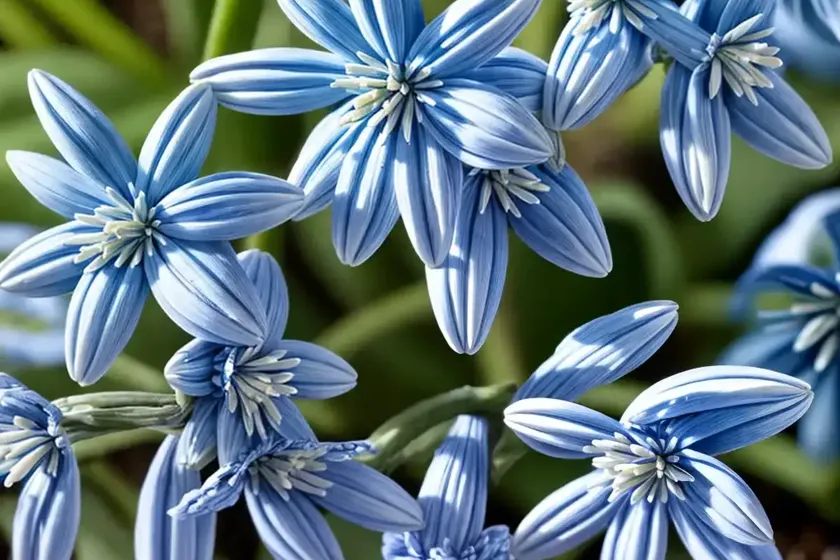
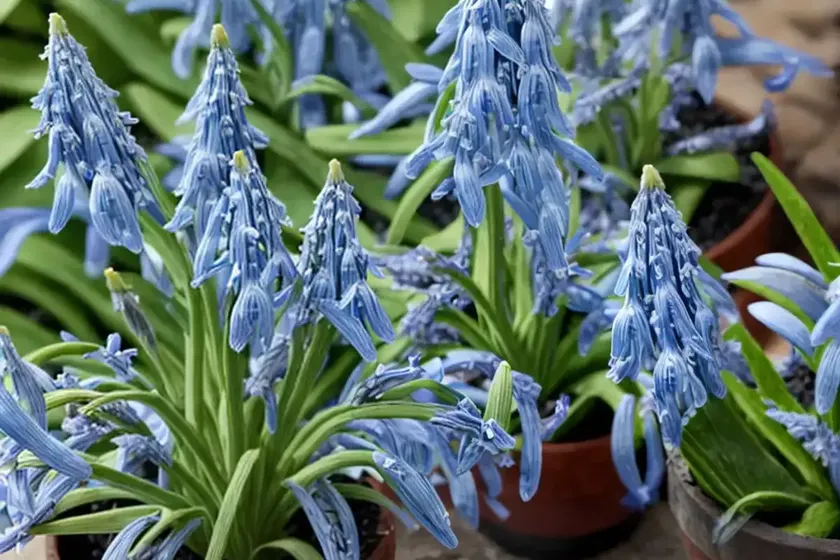
The Siberian squill, scientifically known as Scilla siberica ‘Spring Beauty’, is a charming perennial plant that belongs to the Asparagaceae family. It is native to southwestern Russia, the Caucasus, and Turkey, and it has found its way into the gardens of North America and Europe, where it is revered for its beautiful bluebell-like flowers. This plant is celebrated for its ability to naturalize and spread under trees, in lawns, and at the edges of woodlands, creating stunning patches of color that usher in the arrival of spring.
Key Takeaways
Before delving into the myriad aspects of caring for Siberian squill, let’s take a moment to summarize the key takeaways about this remarkable plant.
- Common name: Siberian squill
- Scientific name: Scilla siberica ‘Spring Beauty’
- Plant type: Perennial bulb
- Hardiness zone: 2-8
- Bloom time: Early spring
- Height: 4-6 inches
- Spread: 3-4 inches
- Sunlight: Full sun to partial shade
- Watering: Well-draining soil; moderate water requirements
- Soil: Prefers moist, fertile, well-drained soil
- Special features: Deer resistant; fragrant; naturalizes easily
- Uses: Border plantings, naturalizing under trees, rock gardens, mixed borders
Now, let’s explore the nuances of caring for and successfully cultivating Siberian squill.
Culture
Uses
The Siberian squill is a versatile plant that finds itself suitable for a range of landscape uses. Whether you are looking to create a colorful border, add interest to a rock garden, or naturalize under trees, this plant adds a touch of elegance to any setting. Its ability to thrive in both full sun and partial shade makes it a particularly valuable addition to diverse planting schemes, allowing for its versatile use throughout the garden.
Water
Siberian squill prefers moist soil during its active growth period in spring, but it can tolerate some drought once it has finished flowering and begins to go dormant. It is crucial to avoid overwatering, as excessive moisture can lead to root rot. Therefore, it is important to allow the soil to dry out in between waterings, especially once the foliage starts to yellow and die back naturally.
Sunlight
This plant performs best in full sun to partial shade, making it adaptable to various light conditions. In the partial shade, it can thrive under deciduous trees where it receives dappled sunlight. However, it is important to avoid deep shade, as this can inhibit the plant’s ability to produce flowers and thrive.
Fertilizer
Siberian squill has modest fertilizer requirements. A light application of a balanced, all-purpose fertilizer in early spring as the bulbs emerge can help support healthy growth and flowering. It is important to avoid over-fertilization, as this can lead to lush foliage at the expense of flowers.
Soil
Rich, well-draining soil is ideal for the successful cultivation of Siberian squill. The plant prefers soil that is moderately fertile and has good drainage to prevent waterlogging, which can lead to root rot. A neutral to slightly acidic soil pH range of 6.0-7.0 is well-suited for this plant.
Pruning
Pruning requirements for Siberian squill are minimal. Once the flowers have faded and the foliage begins to yellow and wither, the plants can be gently tidied up by removing the unsightly foliage. The dying-back foliage may be left to wither naturally, as it provides vital nutrients to the bulbs for the following year’s growth.
Propagation
Siberian squill can be propagated through several methods, including division of bulbs and seed propagation.
Division of Bulbs
Dividing the bulbs can be an effective way to propagate Siberian squill. This process is best carried out in late spring or early summer when the foliage has died back, and the bulbs are dormant. The bulbs can be carefully lifted and divided, and the healthy, larger offsets can be replanted in suitable locations.
Seed Propagation
The plant also produces viable seeds, and these can be collected and sown in a suitable location. Siberian squill readily self-seeds under optimal conditions, and young plants can emerge and naturalize to form larger clusters over time.
Container Popularity
Siberian squill can be grown in containers, adding a splash of color to patios, balconies, and other outdoor spaces. It is important to ensure that containers have adequate drainage to prevent waterlogging, as this can be detrimental to the bulbs. Additionally, containers should be large enough to accommodate the bulbs and allow for adequate root development.
Container Common Diseases
When grown in containers, Siberian squill may be susceptible to certain diseases, including bulb rot and fungal infections. Proper watering practices and well-draining soil can help mitigate the risk of these diseases.
Disease Diagnosis
If signs of disease such as rotting or discolored foliage are observed, it is important to promptly diagnose the issue and take appropriate measures, such as adjusting watering practices, improving soil drainage, and applying fungicides if necessary.
Common Pests
Siberian squill is relatively resistant to pests, but it may occasionally encounter challenges from pests such as slugs and snails. These pests can cause damage to the foliage and flowers. Implementing pest control measures, such as handpicking or using organic pest control products, can help manage pest infestations.
Botanist’s Tips
For those who appreciate the beauty and charm of Siberian squill, here are some useful tips to enhance the success of cultivating this delightful plant:
- Plant in Drifts: Planting Siberian squill in large drifts or clusters can create a breathtaking visual impact, especially when the blooms appear in early spring.
- Naturalize Under Trees: Take advantage of Siberian squill’s naturalizing tendencies by planting it under deciduous trees. The dappled sunlight and moist soil conditions are ideal for its growth.
- Companion Planting: Pair Siberian squill with companion plants such as early-blooming bulbs, perennials, or ground covers to create visually appealing combinations that enhance the overall garden design.
Fun Facts
Get to know Siberian squill a little better with these intriguing and fun facts:
- The vibrant blue flowers of Siberian squill can create a captivating carpet of color when planted en masse.
- In its natural habitat, Siberian squill is often found in open woodlands, forest edges, and grassy meadows.
- The plant’s ability to naturalize and spread makes it a valuable addition to gardens and landscapes, particularly in naturalistic and woodland settings.
Links to External Resources
- The Plant List – Scilla siberica ‘Spring Beauty’
- Royal Horticultural Society – Siberian Squill
- North Carolina State University Extension – Siberian Squill
In this comprehensive guide, we have covered the diverse aspects of caring for Siberian squill, from its cultural requirements to propagation and pest management. By incorporating this enchanting plant into your garden, you can usher in the arrival of spring with an exquisite display of blue blooms that captivate the senses and inspire admiration.
Whether you are a seasoned gardener or a novice enthusiast, Siberian squill offers endless possibilities for enhancing your outdoor spaces and embracing the beauty of the natural world. From its charming flowers to its adaptable nature, this plant has much to offer and continues to enchant those who are fortunate enough to welcome it into their gardens.