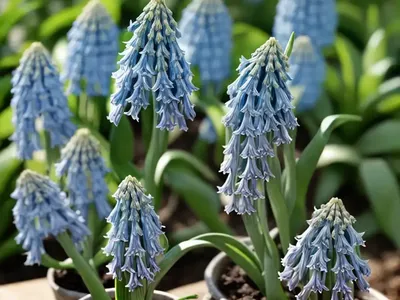
Alpine Squill (Scilla Bifolia)
As a plant scientist with a passion for exploring the fascinating world of flora, I am excited to delve into the intricate details of the Alpine Squill.
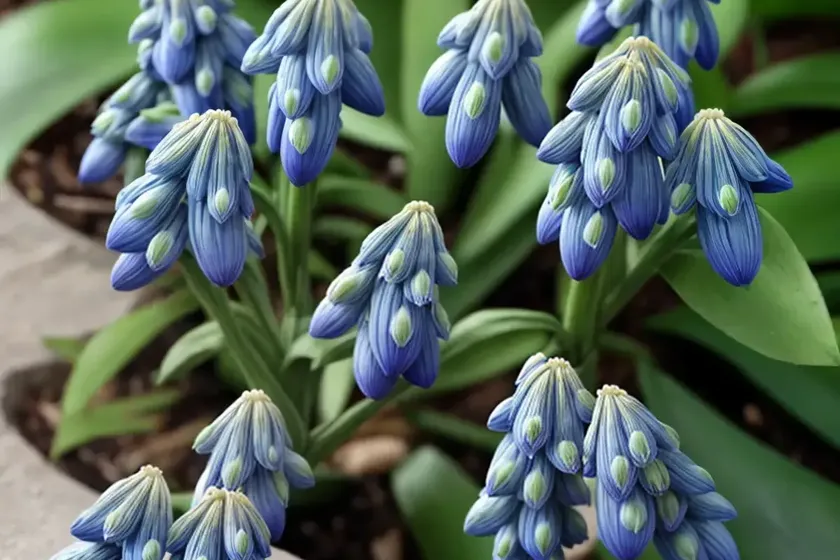
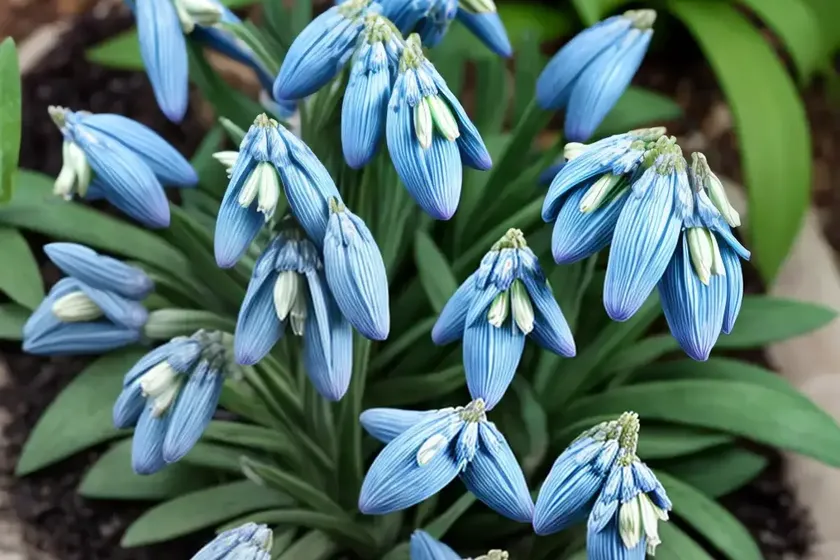
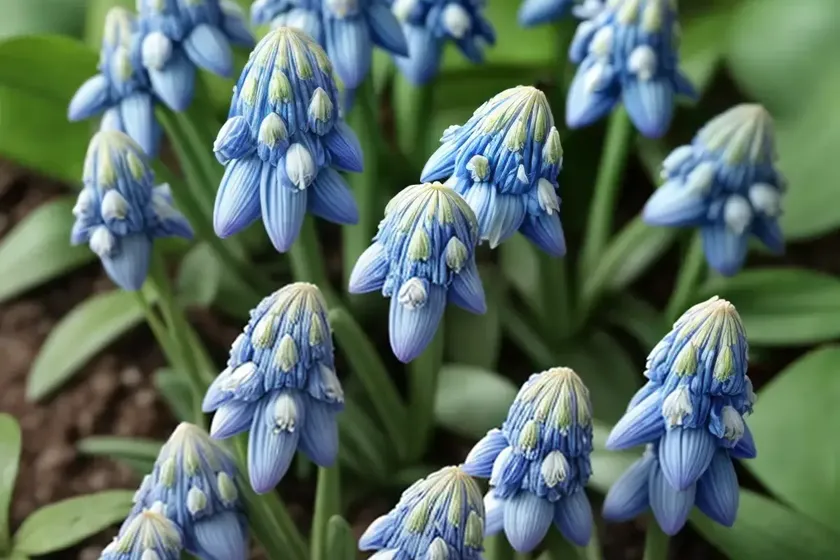
As a plant scientist with a passion for exploring the fascinating world of flora, I am excited to delve into the intricate details of the Alpine Squill, scientifically known as Scilla bifolia. This perennial plant is an enchanting addition to any garden, with its delicate, bell-shaped flowers and rich cultural history. In this comprehensive guide, we will explore the key aspects of cultivating and caring for the Alpine Squill, from its natural habitat to its medicinal uses. Whether you are a seasoned gardener or a novice enthusiast, this article will provide valuable insights into the enchanting world of Scilla bifolia.
What is the Alpine Squill (Scilla bifolia)?
The Alpine Squill, or Scilla bifolia, is a perennial bulbous plant that belongs to the Asparagaceae family. It is native to various regions across Europe and Asia, where it thrives in woodlands, meadows, and rocky slopes. This charming plant is renowned for its graceful, starry blue flowers that bloom in early spring, creating a captivating display of color and beauty. The Alpine Squill is adored for its ability to naturalize and spread, forming vibrant carpets of blue in the landscape.
Key Takeaways – Alpine Squill (Scilla bifolia)
Before we delve into the specifics of cultivating the Alpine Squill, let’s outline the key takeaways that will guide our exploration of this captivating plant.
- Scientific Name: Scilla bifolia
- Common Name: Alpine Squill
- Plant Type: Perennial Bulbous Plant
- Flower Color: Blue
- Flowering Season: Early Spring
- Cultural Significance: Medicinal Uses and Symbolic Meanings
- Growth Requirements: Soil, Sunlight, Water, and Fertilizer
- Propagation Methods: Division of Bulbs and Seed Sowing
- Pests and Diseases: Common Issues and Management Strategies
Now, let’s embark on a journey to uncover the secrets of successful Alpine Squill cultivation, from its cultural uses to its ornamental charm.
Culture
The cultural significance of the Alpine Squill extends beyond its ornamental value, as it has been historically cherished for its medicinal properties and symbolic meanings. Let’s explore the rich cultural heritage of this captivating plant.
Uses
Medicinal Uses
Historically, the Alpine Squill has been utilized for its medicinal properties, particularly in traditional and folk medicine. The plant contains compounds that have been used to alleviate respiratory conditions and as a cardiac stimulant. However, it is important to note that the plant’s medicinal uses should be approached with caution and under the guidance of a qualified healthcare professional, as improper usage can be hazardous.
Symbolic Meanings
In various cultures, the Alpine Squill has been associated with symbolic meanings, often representing sentiments such as perseverance, resilience, and hope. Its vibrant blue flowers have been celebrated as emblems of vitality and endurance, making it a cherished symbol in the language of flowers and botanical symbolism.
Growing Conditions
To cultivate the Alpine Squill successfully, it is essential to understand its specific growth requirements, including sunlight, water, soil, and fertilizer considerations. By providing the ideal conditions for the plant’s development, you can ensure a flourishing display of its exquisite blue flowers.
Water
The Alpine Squill thrives in well-drained soil and generally prefers moderate moisture levels. During the growing season, it is important to water the plant consistently, ensuring that the soil is adequately moist but not waterlogged. However, it is crucial to allow the soil to dry out between watering sessions to prevent the risk of root rot.
Sunlight
When it comes to sunlight requirements, the Alpine Squill demonstrates a preference for partial shade to full sun exposure. It can thrive in diverse light conditions, making it adaptable to various garden settings. If cultivating the Alpine Squill in a warmer climate, providing partial shade during the hottest part of the day can help prevent stress on the plant.
Soil
The soil conditions play a pivotal role in the successful cultivation of the Alpine Squill. It thrives in well-drained, humus-rich soil with a slightly acidic to neutral pH. Incorporating organic matter into the soil can improve its texture and fertility, creating an optimal environment for the growth of the plant.
Fertilizer
While the Alpine Squill is relatively low-maintenance, it can benefit from a balanced fertilizer application in early spring, before the onset of its flowering period. A slow-release, balanced fertilizer can provide essential nutrients for the plant’s growth and development, supporting robust foliage and vibrant blooms.
Pruning
Proper pruning practices can contribute to the overall health and aesthetic appeal of the Alpine Squill. After the plant has finished flowering, it is advisable to remove spent flower heads to prevent the formation of seeds and encourage the allocation of energy towards bulb development. Additionally, removing any yellowing or withered foliage can maintain the plant’s vigor and prevent the spread of diseases.
Propagation
The propagation of the Alpine Squill can be achieved through division of bulbs and, to a lesser extent, through seed sowing. Understanding the methods of propagation is crucial for expanding the plant’s presence in the garden and cultivating new specimens.
Division of Bulbs
Propagation through bulb division involves carefully separating the offsets from the parent bulb and replanting them in suitable locations. This method is commonly employed to propagate the Alpine Squill and can be conducted in the autumn, allowing ample time for the newly planted bulbs to establish themselves before the onset of winter.
Seed Sowing
While less common than bulb division, propagation through seed sowing offers an alternative method for cultivating the Alpine Squill. Sowing the seeds in well-prepared soil in the autumn can yield new plants, though it may take several years for the seedlings to reach maturity and produce flowers.
Container Popularity
The Alpine Squill is well-suited for container gardening, offering an elegant and compact display of its exquisite blue blooms. Its adaptability to container cultivation makes it an appealing choice for gardeners with limited space or those looking to create captivating floral arrangements on patios, balconies, or terraces.
Container Common Diseases
When cultivating the Alpine Squill in containers, it is important to be mindful of potential diseases that may affect the plant. Common diseases that can impact container-grown Alpine Squill include fungal infections such as botrytis and bulb rot. Consistently monitoring the plant for signs of disease and maintaining appropriate watering and sanitation practices can help mitigate the risk of infections.
Disease diagnosis
Diagnosing diseases in the Alpine Squill requires an astute observation of the plant’s symptoms and understanding of common afflictions that may affect its health. Recognizing signs of fungal infections, such as discolored or decaying foliage, and addressing them promptly through appropriate treatments and cultural practices can support the plant’s vitality.
Common pests
While the Alpine Squill is relatively resistant to pests, there are certain insects and small mammals that may pose a threat to its well-being. Common pests that can affect the Alpine Squill include slugs, snails, and rodents, which may feed on the foliage or bulbs. Employing pest management strategies, such as physical barriers and organic pest deterrents, can help safeguard the plant from potential infestations.
Botanist’s tips
As a plant scientist with a deep appreciation for the Alpine Squill, I would like to share some valuable tips for cultivating and caring for this enchanting plant. Embracing these insights can enhance your success in growing and nurturing the Alpine Squill, fostering a thriving and captivating presence in your garden.
- Companion Planting: Consider interplanting the Alpine Squill with compatible companion plants, such as early-blooming perennials or ground covers, to create visually striking combinations and extend the seasonal interest of the garden.
- Naturalizing Techniques: To encourage the naturalizing tendencies of the Alpine Squill, allow the plant to set seed and self-sow in suitable areas of the garden, promoting the development of enchanting drifts of blue flowers over time.
- Soil Amendment: Prior to planting, amend the soil with well-decomposed organic matter, such as compost or leaf mold, to enhance its fertility and structure, providing an optimal foundation for the growth of the Alpine Squill.
Fun facts
Unraveling the intriguing facets of the Alpine Squill can unveil a myriad of captivating and unexpected facts about this remarkable plant. Let’s explore some fun and intriguing aspects of the Alpine Squill that add to its allure and charm.
- The Alpine Squill is renowned for its resilience and ability to thrive in challenging environments, symbolizing perseverance and tenacity.
- In addition to its ornamental value, the bulbs of the Alpine Squill were historically used as a source of starch in certain regions, highlighting its multifaceted utility.
- The name “Squill” is derived from the Greek word “skilla,” referring to a bulbous plant with medicinal properties, emphasizing its historical significance as a medicinal herb.
Now that we have gained a deeper understanding of the cultural, medicinal, and ornamental attributes of the Alpine Squill, let’s explore additional resources and information to further enrich our knowledge of this enchanting plant.
Links to External Resources
To continue your exploration of the Alpine Squill and expand your knowledge of its cultivation and uses, I highly recommend delving into the following resources:
- Royal Horticultural Society – Scilla bifolia
- Missouri Botanical Garden – Scilla bifolia
- Encyclopedia of Life – Scilla bifolia
- North Carolina State University Extension – Alpine Squill
As you continue your journey into the captivating realm of the Alpine Squill, may these resources serve as invaluable companions, offering in-depth insights and practical guidance for successful cultivation and appreciation of this captivating plant.
In conclusion, the Alpine Squill (Scilla bifolia) embodies a harmonious fusion of historical significance, cultural symbolism, and ornamental allure, captivating the hearts of gardeners and enthusiasts alike. By offering the ideal growing conditions, embracing its cultural uses, and celebrating its enchanting beauty, we can cultivate a flourishing and captivating presence of the Alpine Squill in our gardens, honoring its timeless charm and vitality.