American Arborvitae (Thuja Occidentalis ‘Woodwardii’)
As a plant scientist with a passion for exploring the diverse world of flora, I am delighted to delve into the captivating realm of American arborvitae.
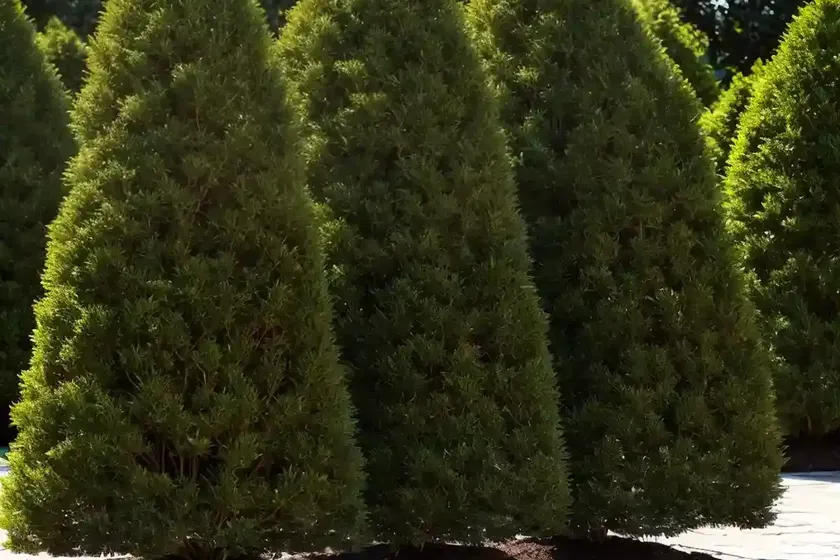

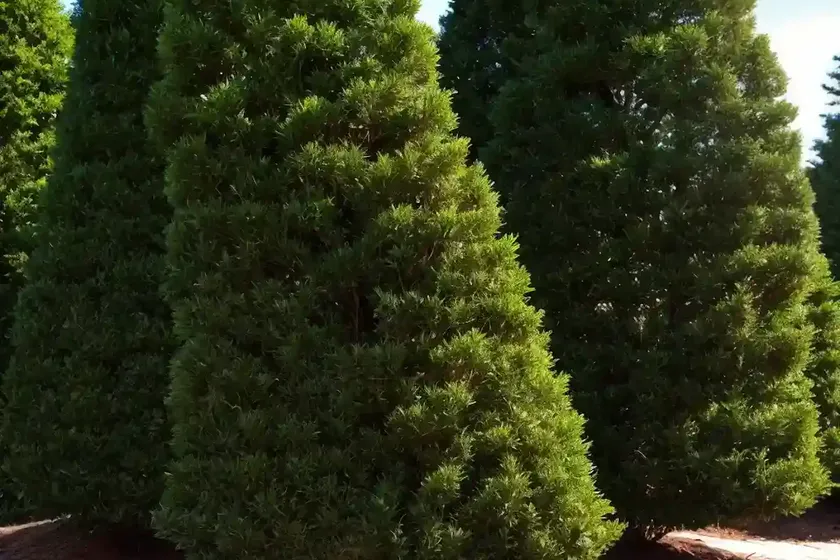
As a plant scientist with a passion for exploring the diverse world of flora, I am delighted to delve into the captivating realm of American arborvitae (Thuja occidentalis ‘Woodwardii’). Native to North America, the American arborvitae, also known as the Eastern Arborvitae, is a captivating evergreen conifer that has found favor among gardeners, landscapers, and nature enthusiasts due to its remarkable aesthetics, versatility, and low-maintenance attributes.
What is American Arborvitae?
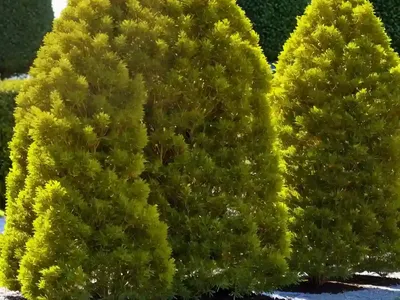
The American arborvitae, botanically referred to as Thuja occidentalis ‘Woodwardii’, belongs to the Cupressaceae family and is a cultivar of the native eastern arborvitae. This compact, slow-growing evergreen shrub exhibits a dense, pyramidal form with flat, scale-like, aromatic foliage that comprises a vibrant green hue, adding a touch of elegance to any landscape. Its scientific name, Thuja occidentalis, reflects its western origin, being a native to the eastern regions of North America.
Famed for its versatility, the American arborvitae serves as an extraordinary landscape specimen, hedge plant, or container plant, adding beauty and character to any setting it graces. Embracing this captivating plant in your outdoor space brings forth an array of remarkable benefits and aesthetic allure.
Key Takeaways – American Arborvitae (Thuja occidentalis ‘Woodwardii’)
Before delving into the comprehensive guide on the cultivation and care of American arborvitae, let’s briefly overview the key takeaways that will unfold in this detailed discourse:
-
Culture: A deep dive into the cultural requirements for American arborvitae, encompassing essential aspects such as watering, sunlight, soil, and fertilization.
-
Uses: Explore the diverse uses of American arborvitae, ranging from its role as a landscape specimen, hedge plant, and container plant to its various other applications.
-
Pruning: Understand the significance of pruning in maintaining the form and vitality of the American arborvitae, along with pertinent pruning techniques.
-
Propagation: Insights into propagating American arborvitae, including methods such as seed propagation, cutting propagation, and layering techniques.
-
Container Popularity: Reflect on the factors that contribute to the popularity of American arborvitae as a container plant, along with container-specific care requirements.
-
Common Diseases and Pests: Identify prevalent diseases and common pests that impact American arborvitae, along with strategies for diagnosis, prevention, and management.
-
Botanist’s Tips: Gain valuable insights and tips from professional botanists for successfully cultivating and caring for American arborvitae.
-
Fun Facts: Unearth fascinating and lesser-known facts about American arborvitae, enriching your understanding and appreciation for this exceptional plant.
Now, with this roadmap in place, let’s embark on a comprehensive journey to unravel the intricacies of cultivating, caring for, and celebrating the splendor of American arborvitae.
Culture
The successful cultivation of American arborvitae hinges on understanding and fulfilling its fundamental cultural requirements. Let’s navigate through the critical aspects of culture, ensuring the optimal growth and vitality of American arborvitae in diverse environmental settings.
Water
Establishing an appropriate watering regimen is integral to the prosperity of American arborvitae. While these evergreen beauties demonstrate some tolerance to drought once established, consistent moisture is crucial, especially during the initial establishment period and prolonged periods of dryness.
Watering Guidelines
-
Establishment Phase: During the initial phase following planting, maintain regular watering to support root establishment. Provide approximately 1-2 inches of water per week, ensuring that the root zone remains consistently moist but not waterlogged.
-
Mature Trees: Once established, American arborvitae demonstrates greater drought tolerance. However, during dry spells, continue to monitor soil moisture and provide supplemental irrigation when necessary to prevent stress.
-
Avoid Overwatering: While adequate moisture is essential, it is equally vital to prevent overwatering, which can lead to root suffocation and susceptibility to diseases. Ensure good drainage to prevent waterlogging, especially in heavy clay soils.
Sunlight
Adequate sunlight is pivotal for the development and vigor of American arborvitae. Generally, these versatile conifers thrive in full to partial sunlight, exhibiting varying degrees of adaptability to light conditions.
Sunlight Preferences
-
Full Sun: American arborvitae flourishes when exposed to full sunlight, defined as a minimum of six hours of direct sunlight daily. In full sun, these evergreens usually boast compact and vigorous growth, displaying their inherent beauty to the fullest.
-
Partial Shade: While the preference leans toward full sun, American arborvitae also demonstrates tolerance to partial shade. In such settings, they may showcase a slightly open and less dense growth habit but can still thrive adequately.
-
Consider Microclimates: When siting American arborvitae, consider the presence of microclimates within the landscape. Factors such as reflective heat from hard surfaces or shade from nearby structures can influence the microclimate and impact sunlight exposure.
Fertilizer
Proper fertilization supports the optimal growth and health of American arborvitae, ensuring that these evergreen beauties receive essential nutrients for their development.
Fertilization Guidance
-
Soil Testing: Conduct a soil test to assess the existing nutrient levels, pH, and any deficiencies that need to be addressed. This enables the formulation of an informed fertilization plan tailored to the specific needs of American arborvitae.
-
Balanced Fertilizer: Select a balanced, slow-release fertilizer specifically formulated for evergreen trees and shrubs. Avoid excessive application of nitrogen, as this can lead to lush, vulnerable growth prone to damage.
-
Timing: Apply fertilizer in early spring before the initiation of new growth. Refrain from fertilizing in late summer or early fall, as this can stimulate late-season growth that may be susceptible to winter damage.
Soil
The selection and preparation of suitable soil lay the foundation for the thriving growth of American arborvitae. Understanding the preferred soil characteristics and addressing soil quality is instrumental in fostering a conducive environment for these evergreen conifers.
Soil Considerations
-
Well-Drained Soil: American arborvitae thrives in well-drained soil, indicating the importance of soil with good permeability to prevent waterlogging and root suffocation. Amend heavy clay soils with organic matter to enhance drainage.
-
pH Level: Aim for a slightly acidic to neutral soil pH range, ideally between 6.0 and 7.5, to facilitate nutrient uptake. Soil pH outside of this range can impede nutrient availability and impact overall plant health.
-
Soil Composition: Prioritize soil that is rich in organic matter and nutrients, fostering a favorable growing medium for American arborvitae. Incorporating compost or well-decomposed organic matter into the soil promotes its structure and fertility.
Pruning
Pruning plays a pivotal role in shaping, maintaining, and rejuvenating American arborvitae, contributing to their aesthetic appeal and overall vigor. Understanding the nuances of pruning is essential for harnessing the full potential of these graceful evergreens.
Pruning Guidelines
-
Formative Pruning: Commence formative pruning during the early years to shape the desired structure and form of American arborvitae. Focus on removing competing leaders and establishing a central leader to promote a strong, well-balanced framework.
-
Timing: Engage in light pruning throughout the year to remove any damaged, diseased, or congested branches. However, major pruning efforts are best undertaken during the dormant season in late winter to early spring to minimize stress and encourage regeneration.
-
Precision and Caution: Exercise precision in pruning to preserve the natural beauty and form of American arborvitae. Avoid excessive pruning into old wood or shearing beyond the green foliage, as this can lead to unsightly bare patches and hinder recovery.
Propagation
The propagation of American arborvitae offers an exciting opportunity to expand your collection and share the beauty of these timeless conifers. Understanding the methods and techniques for successful propagation opens avenues to nurture new plants and perpetuate their enchanting presence in diverse landscapes.
Propagation Methods
-
Seed Propagation: While viable seeds can be obtained from American arborvitae, be mindful that they may exhibit variability in traits. Sow fresh, cleaned seeds in a well-prepared seedbed and provide favorable conditions for germination.
-
Cutting Propagation: Utilize semi-hardwood cuttings collected from healthy, disease-free American arborvitae during the active growing season. Treat the cuttings with a rooting hormone and establish them in a well-draining rooting medium, ensuring consistent moisture and warmth.
-
Layering: Air-layering or ground-layering techniques can also be employed to propagate American arborvitae. Encourage the formation of roots at the point of contact with the rooting medium, facilitating the development of new, independent plants.
Container Popularity
Apart from being revered as a captivating landscape specimen, American arborvitae exudes remarkable popularity as a container plant, gracing gardens, patios, and urban settings with its elegance and resilience.
Container Considerations
-
Selection of Container: Opt for spacious, well-draining containers that accommodate the mature size of American arborvitae, promoting healthy root development and growth. Consider containers crafted from materials such as terracotta, fiberglass, or durable plastics.
-
Quality Potting Mix: Employ a high-quality, well-aerated potting mix with excellent drainage characteristics. Incorporate organic matter such as peat moss or compost to enhance the soil structure and moisture retention.
-
Watering Regimen: Container-grown American arborvitae necessitates regular monitoring of soil moisture, especially during warm, dry periods. Adequately water the plant, ensuring that excess water can freely drain from the container to prevent waterlogged conditions.
-
Sunlight Exposure: Position the container in a location that receives ample sunlight, aligning with the sunlight preferences of American arborvitae. Ideally, provide a minimum of six hours of direct sunlight to promote robust growth and foliage density.
Uses
The versatile nature of American arborvitae underlines its multifaceted uses, catering to diverse landscaping, decorative, and functional applications across varied settings. Let’s explore the myriad roles that American arborvitae fulfills, enriching outdoor spaces with its captivating presence and practical benefits.
Landscape Specimen
Embracing the American arborvitae as a striking landscape specimen elevates the aesthetic appeal of gardens, estates, and public parks. Whether employed as a singular focal point, grouped in captivating clusters, or integrated into mixed border plantings, these evergreen gems captivate with their elegant form and enduring charm.
-
Foundation Planting: American arborvitae possesses remarkable versatility, gracing foundation plantings with its stately presence. It serves as an excellent backdrop for flowering shrubs and perennial borders, infusing a sense of permanence and structure into the landscape.
-
Specimen Trees: As standalone specimen trees, American arborvitae assumes a commanding presence, offering year-round visual interest and contributing to the visual dynamics of the outdoor environment. Its compact, pyramidal form and lush foliage draw attention and admiration, especially when strategically sited in prominent locations.
-
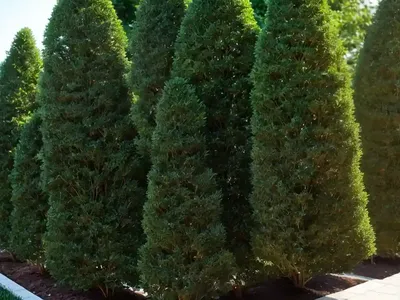
Privacy Screening: The dense foliage and upright growth habit of American arborvitae render it an exceptional candidate for privacy screening and windbreaks. Whether used as individual screening plants or arranged in hedgerows, these evergreens offer seclusion and tranquility to outdoor living spaces.
Hedge Plant
American arborvitae excels as a hedge plant, bringing forth privacy, structure, and visual allure to residential, commercial, and institutional premises. Its adaptability to pruning and shaping facilitates the creation of formal or informal hedges that delineate spaces and enhance the overall atmosphere.
-
Formal Hedge: Pruned to a precise, uniform form, American arborvitae emanates sophistication and orderliness, perfect for framing pathways, accentuating property boundaries, and imparting a refined elegance to outdoor settings.
-
Informal Screen: When allowed to retain a slightly more natural form, American arborvitae creates a soft, billowy screen that imparts a relaxed, pastoral appeal. An informal screen of American arborvitae introduces a touch of rustic charm and tranquility to the landscape.
Container Plant
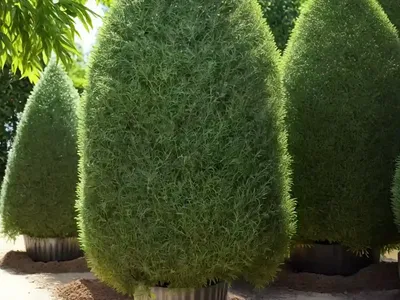
The adaptability of American arborvitae to container cultivation broadens its horizons, allowing it to grace balconies, patios, and urban enclaves with its enduring beauty and verdant allure. Container-grown American arborvitae serves as a dynamic focal point, space divider, or botanical accent, enhancing outdoor living spaces with its enduring charm.
-
Patio Planting: Nestled within decorative containers, American arborvitae adds a touch of green grandeur to patios, terraces, and outdoor seating areas. Its compact form, graceful foliage, and low-maintenance nature make it a desirable choice for urban and suburban settings.
-
Seasonal Décor: American arborvitae serves as an evergreen canvas for seasonal embellishments, such as festive lights, ornamental baubles, and seasonal arrangements. Its enduring foliage provides a year-round foundation for evolving seasonal displays.
-
Urban Landscaping: In urban environments, containerized American arborvitae brings nature closer to city dwellers, softening the harsh lines of urban architecture and infusing pockets of green tranquility into compact living spaces.
Topiary and Ornamental Shapes
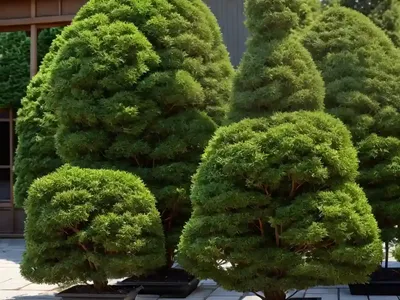
The pliable nature of American arborvitae’s foliage and its receptive growth habit make it an exceptional candidate for topiary and ornamental shaping. This art form adds an element of sculptural beauty and creativity to gardens, lending a touch of classic elegance or contemporary flair.
-
Spiral Topiaries: The adaptable nature of American arborvitae’s foliage allows for the creation of captivating spiral topiaries, infusing gardens and formal landscapes with a sense of symmetry and artistry.
-
Cone-Shaped Specimens: Pruned into cone shapes, American arborvitae assumes a regal and timeless aura, serving as an enduring statement piece within garden beds, entryways, and prominent outdoor spaces.
-
Animal and Geometric Forms: Embracing the art of topiary, American arborvitae can be meticulously sculpted into intricate animal forms, geometric patterns, or abstract silhouettes, bestowing a sense of whimsy and sophistication to the landscape.
Common Diseases and Pests
While American arborvitae is renowned for its resilience, it is not impervious to diseases and pests that can impact its vitality and visual appeal. Familiarizing yourself with common afflictions and pest pressures equips you with the knowledge to promptly diagnose, address, and prevent potential issues.
Disease Diagnosis
Identifying diseases affecting American arborvitae involves keen observation and familiarity with common symptoms and signs of prevalent ailments. Prompt diagnosis enables effective intervention and the implementation of targeted management strategies.
Common Diseases
-
Cedar Rusts: Cedar rust diseases, encompassing various fungal pathogens, manifest as conspicuous orange or rusty-brown galls on foliage and twigs. Close monitoring and timely removal of infected plant parts aids in disease management.
-
Kabatina Tip Blight: Kabatina tip blight causes dieback and browning of branch tips, often accompanied by the presence of small, black fruiting bodies on affected plant tissues. Prune and dispose of infected branches to mitigate the spread of the disease.
-
Canker Diseases: Canker diseases, induced by fungal pathogens, lead to the formation of sunken lesions and dieback of branches. Maintaining overall plant health and employing pruning practices that promote good air circulation minimize the susceptibility to canker diseases.
Common Pests
In addition to diseases, American arborvitae may encounter pest pressures that necessitate vigilant monitoring and timely intervention to safeguard their well-being and vitality.
Common Pests
-
Bagworms: Bagworm caterpillars construct distinctive spindle-shaped shelters from plant material, camouflaging themselves and feeding on American arborvitae foliage. Manual removal of bagworms and their shelters is an effective control method, especially in the early stages of infestation.
-
Spider Mites: Spider mites, minute arachnids, can inflict stippling and discoloration on American arborvitae foliage, along with fine webbing. Regularly rinsing the foliage with a strong water spray helps deter and dislodge spider mites from the plant.
-
Scale Insects: Scale insects, identified by their characteristic armored or soft body coverings, can sap the vigor of American arborvitae and produce honeydew, promoting the growth of sooty mold. Systemic insecticides or horticultural oils can aid in controlling scale infestations.
Botanist’s Tips
Incorporating insights and recommendations from seasoned botanical experts enriches the custodianship of American arborvitae, fostering a deeper understanding and refined approach to their cultivation and care.
Expert Recommendations
Soil Quality Assurance
Veteran botanists emphasize the critical importance of ensuring excellent soil drainage and fertility for American arborvitae. Enhancing soil structure through conscientious organic amendments and erosion control measures supports the long-term health and vitality of these cherished evergreens.
Pruning Best Practices
Professional botanists underscore the significance of practicing discerning and judicious pruning to maintain the natural grace and vigor of American arborvitae. Emphasizing quality over quantity, precision in pruning efforts benefits the longevity and aesthetic appeal of these timeless conifers.
Integrated Pest Management
Experienced botanists advocate for the implementation of integrated pest management strategies to address pest pressures while minimizing environmental impact. Encouraging natural predators, deploying targeted biological controls, and fostering a balanced ecosystem aids in managing pests effectively.
Fun Facts
American arborvitae captivates not only with its beauty but also with its fascinating characteristics and historical significance. Unveiling these intriguing and delightful facts adds an enriching layer to our appreciation of this treasured evergreen.
Fascinating Tidbits
-
Historical Significance: Native American tribes revered American arborvitae for its diverse applications, utilizing its foliage and wood for medicinal, aromatic, and practical purposes, underscoring its cultural and historical importance.
-
Symbolism: American arborvitae symbolizes endurance, resilience, and longevity, reflecting its enduring nature and timeless allure as a cherished botanical emblem.
-
Ethnobotanical Uses: Traditional uses of American arborvitae encompass an array of applications, including crafting herbal remedies, producing fragrant sachets, and fashioning practical items such as baskets and utensils from its durable wood.
-
Wildlife Habitat: American arborvitae provides valuable habitat and forage for a variety of wildlife, including birds and small mammals, enriching the ecological fabric of the landscapes it graces.
-
Botanical Name Significance: The botanical epithet “occidentalis,” denoting “western” in Latin, denotes the western origin of Thuja occidentalis within the context of its native range in North America.
Links to External Resources
To further your exploration and understanding of American arborvitae, I recommend delving into the following trusted external resources, which offer a wealth of valuable information, insights, and perspectives on this celebrated evergreen conifer:
- [The American Arborvitae: A Complete Guide](https