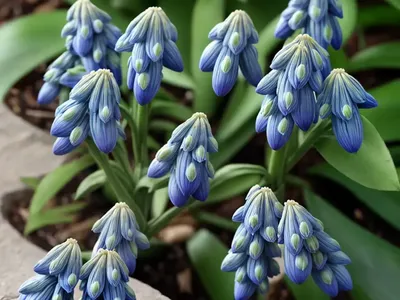
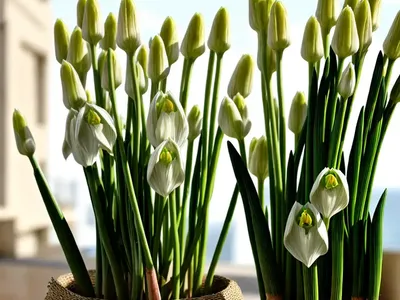
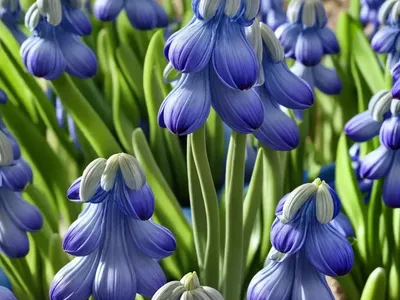
Muscari (Muscari Atlanticum)
Muscari, also known as Grape Hyacinth, is a genus of plants in the Asparagaceae family. These plants are known for their clusters of small, bell-shaped.
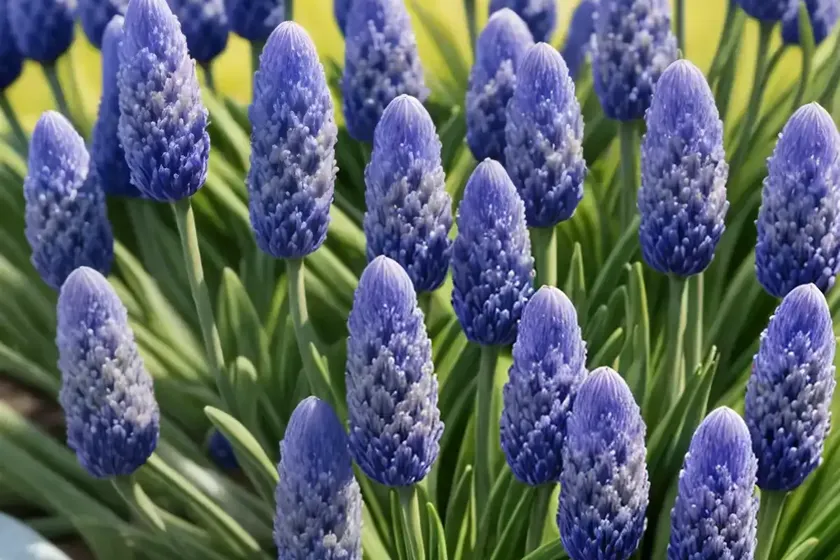
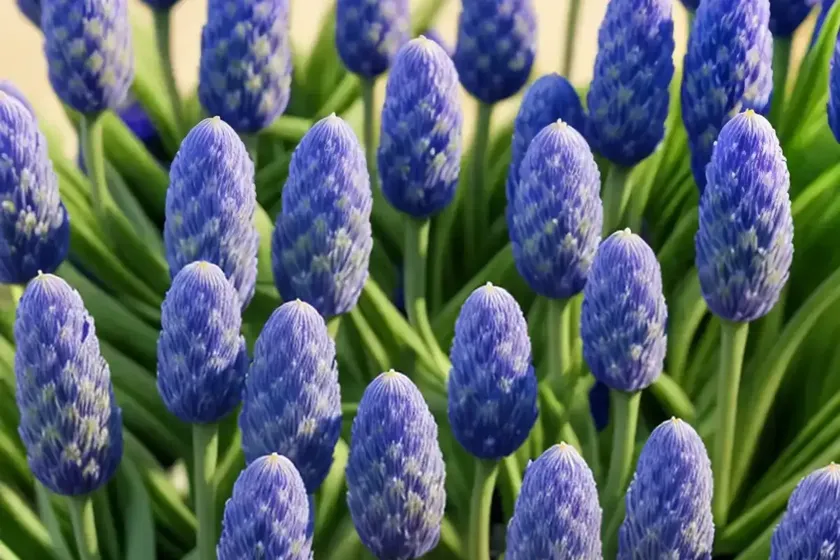
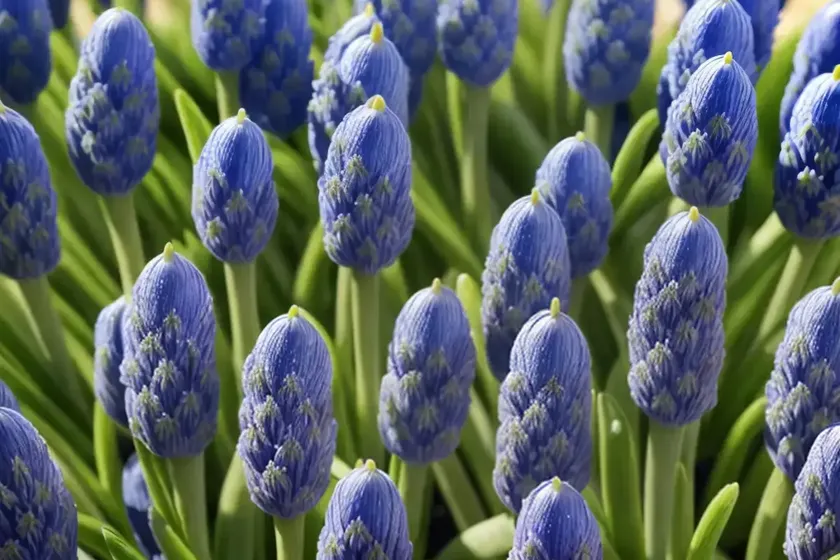
Muscari, also known as Grape Hyacinth, is a genus of plants in the Asparagaceae family. These plants are known for their clusters of small, bell-shaped flowers that resemble bunches of grapes, hence the common name “Grape Hyacinth.” The Muscari atlanticum is a specific species within this genus, known for its striking blue flowers and easy-to-care nature. In this comprehensive guide, we will explore the key aspects of Muscari atlanticum, including its culture, uses, care requirements, and much more.
What is Muscari (Muscari atlanticum)?
Muscari atlanticum, commonly known as Atlantic Grape Hyacinth, is a bulbous perennial plant native to the Atlantic coast of Portugal and northwestern Spain. It belongs to the subfamily Scilloideae within the Asparagaceae family. This particular species is prized for its beautiful, deep blue flowers that appear in mid-spring and often emit a sweet fragrance.
Key Takeaways – Muscari (Muscari atlanticum)
Before diving deep into the various aspects of cultivating and caring for Muscari atlanticum, here are some key takeaways:
- Botanical Name: Muscari atlanticum
- Common Name: Atlantic Grape Hyacinth
- Family: Asparagaceae
- Native Range: Atlantic coast of Portugal and northwestern Spain
- Flower Color: Deep blue
- Flowering Season: Mid-spring
- Fragrance: Sweet, pleasant scent
- Uses: Ornamental gardens, borders, containers, and naturalizing in landscapes
The cultivation and care of Muscari atlanticum involve several aspects, including its cultural requirements, uses in different settings, water and sunlight needs, fertilizer application, soil preferences, propagation methods, and management of pests and diseases. Let’s delve into each of these aspects thoroughly to understand how to best grow and maintain this captivating plant.
Culture
Uses
Muscari atlanticum is mainly grown for its ornamental value. Its vibrant blue flowers and pleasant fragrance make it a popular choice for various landscaping and gardening applications. Here are some common uses of Muscari atlanticum:
-
Ornamental Gardens: The plant is often used in traditional flower beds and rock gardens, adding splashes of color and charm.
-
Border Planting: Muscari atlanticum is an excellent choice for creating borders along pathways or garden edges.
-
Container Planting: Its compact size makes it suitable for growing in containers, allowing for versatility in design and placement.
-
Naturalizing: The plant’s ability to multiply and spread makes it ideal for naturalizing in open landscapes, such as meadows and woodland areas.
Water
Muscari atlanticum has moderate water needs and prefers consistently moist but well-drained soil. During the active growing season, it is essential to ensure that the plant receives regular watering, especially during dry periods. However, it is equally important to avoid overwatering, as excess moisture can lead to bulb rot and other issues.
Sunlight
In terms of sunlight requirements, Muscari atlanticum thrives in full to partial sun. It is best to plant it in a location that receives at least 4-6 hours of sunlight per day.
Fertilizer
When it comes to fertilizing Muscari atlanticum, a balanced, all-purpose fertilizer can be applied in early spring as new growth emerges. It is advisable to use a fertilizer with a balanced N-P-K ratio, following the recommended application rates based on the specific product and the size of the planting area.
Soil
The plant prefers well-draining soil with a slightly acidic to neutral pH. Loamy soil with good fertility and structure is ideal for Muscari atlanticum. Before planting, it is beneficial to amend the soil with organic matter, such as compost or well-rotted manure, to improve its texture and nutrient content.
Pruning
Muscari atlanticum does not require extensive pruning. After the flowering period, you can remove the faded flower heads to prevent the plant from expending energy on seed production. However, the foliage should be left in place until it turns yellow and begins to wither, as this allows the bulb to store energy for the following year’s growth.
Propagation
The plant can be propagated through division or by sowing seeds. Division can be carried out in late summer to early autumn when the plant is dormant. The bulbs can be carefully dug up and separated, ensuring that each division has sufficient roots and growing points. As for seed propagation, the seeds can be sown in containers or directly in the garden soil in the fall, and they will gradually develop into new plants.
Container Popularity
Muscari atlanticum is well-suited for container planting, making it a popular choice for those with limited garden space or for those looking to add a burst of color to patios, balconies, and other outdoor areas. When growing Muscari atlanticum in containers, it is crucial to select a pot with drainage holes to prevent waterlogging and choose a well-draining potting mix tailored to bulbous plants.
Common Diseases
Muscari atlanticum is generally resistant to most diseases, but it can occasionally be susceptible to issues such as botrytis, which can cause grey mold on the leaves and flowers in overly humid conditions. Diseases like botrytis can often be mitigated by ensuring proper air circulation around the plants and avoiding overhead watering, especially during the evening hours.
Disease Diagnosis
If you notice any signs of disease on your Muscari atlanticum plants, such as unusual spots, discoloration, or wilting, it is essential to diagnose the issue accurately before implementing any control measures. Seeking guidance from a local agricultural extension service or a plant health specialist can be valuable in identifying and addressing diseases effectively.
Common Pests
While Muscari atlanticum is relatively resistant to pest infestations, it may occasionally attract certain pests such as slugs, snails, and bulb-feeding insects. Keeping the garden area tidy, removing debris, and employing physical barriers or organic pest control methods can help manage these pests without resorting to chemical interventions.
Botanist’s Tips
To ensure the successful growth and long-term health of Muscari atlanticum, here are some tips recommended by botanists and plant experts:
-
Planting Depth: When planting Muscari atlanticum bulbs, ensure that they are positioned at a depth of approximately 3-4 inches to promote strong root development and stability.
-
Mulching: Applying a layer of organic mulch around the plants can help conserve soil moisture, regulate soil temperature, and inhibit weed growth. It is essential to use a lightweight mulch material that allows for good air and water penetration.
-
Companion Planting: Pairing Muscari atlanticum with other early spring-blooming bulbs, such as daffodils or tulips, can create eye-catching displays and extend the flowering season.
-
Winter Care: In regions with cold winter climates, providing a layer of mulch or straw over the soil in late fall can help insulate the bulbs from extreme temperature fluctuations and protect them from frost heaving.
-
Wildlife Habitat: Muscari atlanticum can attract pollinators such as bees and butterflies to the garden, contributing to the overall biodiversity and ecosystem health. Encouraging wildlife habitat benefits the garden as a whole.
Fun Facts
- The name “Muscari” is derived from the Greek word “moschos,” which means “musky,” alluding to the plant’s sweet fragrance.
- Muscari atlanticum is often used in traditional flower arrangements and is a favorite for spring-themed bouquets.
- The flowers of Muscari atlanticum are edible and can be used as an attractive garnish for salads and desserts.
Links to External Resources
For more information on Muscari atlanticum, its cultivation, and uses, consider exploring the following external resources:
- Royal Horticultural Society – Muscari Growing Guide
- University of Maryland Extension – Home and Garden Information Center
- North Carolina State University Extension – Muscari Species Profile
In conclusion, Muscari atlanticum, with its captivating blue blossoms and ease of care, is a valuable addition to any garden or landscape. By understanding its cultural requirements, uses, and maintenance practices, gardeners can enjoy the beauty of this charming plant and create stunning floral displays year after year. Whether you are a seasoned gardener or a novice enthusiast, the allure of Muscari atlanticum is undeniable, making it a must-have for springtime gardens.
By incorporating Muscari atlanticum into your outdoor spaces, you can introduce a touch of elegance and natural allure while providing valuable resources for pollinators and celebrating the wonders of the plant world.
# Muscari atlanticum care # Muscari atlanticum planting guide # How to grow Muscari atlanticum # Muscari atlanticum characteristics # Muscari atlanticum bulbs # Muscari atlanticum flowers # Muscari atlanticum propagation # Muscari atlanticum varieties # Muscari atlanticum bloom time # Muscari atlanticum landscaping # Muscari atlanticum garden design # Muscari atlanticum companion plants # Muscari atlanticum soil requirements # Muscari atlanticum sun exposure # Muscari atlanticum water needs # Muscari atlanticum container gardening # Muscari atlanticum indoor care # Muscari atlanticum outdoor care # Muscari atlanticum diseases # Muscari atlanticum pests # Muscari atlanticum pruning tips # Muscari atlanticum winter care # Muscari atlanticum spring blooms # Muscari atlanticum summer maintenance # Muscari atlanticum fall planting # Muscari atlanticum garden border # Muscari atlanticum ground cover # Muscari atlanticum rock gardens # Muscari atlanticum pollinators # Muscari atlanticum wildlife habitat # Muscari atlanticum fragrant flowers # Muscari atlanticum medicinal uses # Muscari atlanticum folklore # Muscari atlanticum cultural significance # Muscari atlanticum symbolism # Muscari atlanticum cut flowers # Muscari atlanticum indoor arrangements # Muscari atlanticum naturalizing # Muscari atlanticum hybrid varieties # Muscari atlanticum garden tips # Muscari atlanticum seasonal care # Muscari atlanticum home gardening # Muscari atlanticum landscaping ideas # Muscari atlanticum planting depth # Muscari atlanticum soil amendments # Muscari atlanticum water retention # Muscari atlanticum ornamental grasses # Muscari atlanticum shade tolerance # Muscari atlanticum drought resistance # Muscari atlanticum garden maintenance