All About Caucasian Stonecrop (Sedum spurium ‘Red Carpet’)
Caucasian stonecrop or Sedum spurium ‘Red Carpet’ is a popular succulent perennial plant known for its vibrant foliage and ability to thrive in various conditions. This versatile plant is commonly used as a ground cover and is a favorite among gardeners for its low maintenance and attractive appearance. In this comprehensive guide, we will explore all aspects of caring for and utilizing Caucasian stonecrop in your garden or landscape.
What is Caucasian Stonecrop (Sedum spurium ‘Red Carpet’)?
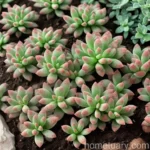
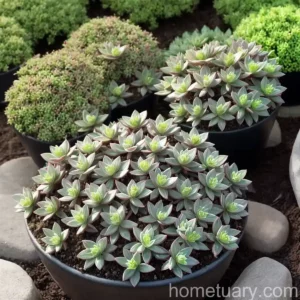
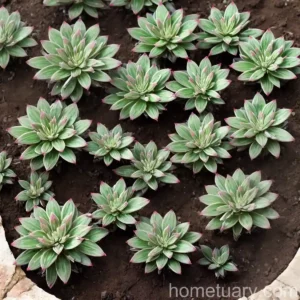
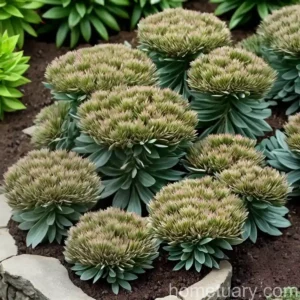
Caucasian stonecrop, scientifically known as Sedum spurium ‘Red Carpet’, is a low-growing perennial plant that belongs to the Crassulaceae family. It is native to the Caucasus region and parts of Eastern Europe. The plant is characterized by its dense, mat-forming growth habit and succulent, rounded foliage.
Sedum spurium ‘Red Carpet’ is named for its striking reddish-bronze foliage, which intensifies in color during the cooler months. In late spring to early summer, it produces clusters of star-shaped pink flowers that add additional visual appeal to the plant.
Key Takeaways – Caucasian Stonecrop (Sedum spurium ‘Red Carpet’)
Before we delve into the specifics of growing and caring for Caucasian stonecrop, let’s highlight the key takeaways that make this plant a popular choice for gardeners:
- Low maintenance: Sedum spurium ‘Red Carpet’ is known for its minimal care requirements, making it an ideal choice for busy gardeners or those new to gardening.
- Versatile uses: This plant is widely utilized as a ground cover, in rock gardens, and as a component of green roof systems due to its ability to spread and thrive in various environments.
- Drought tolerant: Caucasian stonecrop exhibits excellent tolerance to dry conditions, making it a resilient choice for water-wise landscapes.
- Attractive foliage: The vibrant, evergreen foliage of Sedum spurium ‘Red Carpet’ provides year-round visual interest, and it undergoes seasonal color changes, adding dynamic appeal to outdoor spaces.
Now that we have a brief overview of Sedum spurium ‘Red Carpet’, let’s explore the specific cultural requirements, uses, and maintenance tips for this valuable plant.
Culture
Caucasian stonecrop is relatively easy to grow, and it thrives in a variety of settings. Understanding the optimal cultural conditions will help you maximize the performance of Sedum spurium ‘Red Carpet’ in your garden or landscape.
Uses
Ground Cover
One of the most popular uses of Caucasian stonecrop is as a ground cover. Its trailing growth habit and dense foliage make it an excellent choice for filling in bare areas and preventing soil erosion. When planted en masse, it creates a visually appealing carpet of foliage, adding a lush, cohesive look to garden beds and landscapes.
Rock Gardens
Sedum spurium ‘Red Carpet’ is well-suited for rock gardens due to its ability to thrive in rocky, well-drained soils. Its low-growing nature and attractive foliage contribute to the visual impact of rock garden designs, and it can be combined with other succulents and alpine plants for a diverse and textural display.
Containers
This plant is also suitable for container gardening, where its cascading growth can spill over the edges of pots, hanging baskets, and other types of containers. When used in containers, Sedum spurium ‘Red Carpet’ adds a touch of greenery and creates visual interest with its trailing growth habit.
Water
Caucasian stonecrop is a drought-tolerant plant, and it prefers well-draining soils. It is important to establish a regular watering routine after planting to ensure that the roots become established. Once established, the plant requires minimal supplemental watering, making it an ideal choice for water-wise landscapes and regions prone to drought.
Sunlight
Sedum spurium ‘Red Carpet’ thrives in full sun to partial shade. However, it performs best in full sun, where it showcases its vibrant foliage colors and encourages prolific flowering. In warmer climates, providing some afternoon shade can help protect the plant from excessive heat and sun exposure.
Fertilizer
One of the appeals of Caucasian stonecrop is its low nutrient requirements. In most cases, this plant does not require regular fertilization, especially when grown in nutrient-rich soils. However, a light application of a balanced, slow-release fertilizer in early spring can support healthy growth and flowering.
Soil
The ideal soil for Sedum spurium ‘Red Carpet’ is well-draining and moderately fertile. It thrives in sandy, loamy, or rocky soils and is tolerant of alkaline conditions. Good drainage is essential to prevent waterlogged roots, especially in areas with high rainfall.
Pruning
Pruning requirements for Caucasian stonecrop are minimal. Deadheading spent flowers can promote additional blooms and help maintain a tidy appearance. Additionally, removing any damaged or leggy growth can encourage compact, dense foliage.
Propagation
Sedum spurium ‘Red Carpet’ can be easily propagated through division, stem cuttings, or by collecting and sowing seeds. Division is a common and efficient method, especially during the early spring or fall when the plant is not in active growth. Stem cuttings can also be rooted in a well-draining medium to produce new plants.
Container Popularity
The cascading growth habit and low-maintenance nature of Sedum spurium ‘Red Carpet’ make it a popular choice for container gardens. It can be used as a “spiller” component in mixed container arrangements, adding texture and visual interest to the overall composition.
Common Diseases
Caucasian stonecrop is generally resistant to most diseases and pests when grown under favorable conditions. However, a few issues can occasionally affect the plant’s health and appearance. Here are some common diseases and disorders that may impact Sedum spurium ‘Red Carpet’:
Disease Diagnosis
Root Rot
Root rot can occur in poorly draining soils or in instances of overwatering. This can lead to the decay of the plant’s root system and subsequent decline in overall health. Symptoms include wilting, yellowing foliage, and a foul odor emanating from the soil.
Powdery Mildew
In humid or overly moist conditions, Caucasian stonecrop may be susceptible to powdery mildew, a fungal disease characterized by a white, powdery coating on the foliage. This can impact the plant’s aesthetic appeal and, in severe cases, impede photosynthesis.
Crown and Stem Rot
Excessive moisture and poor air circulation can contribute to crown and stem rot, resulting in the decay of the plant’s central stem or crown. This can lead to wilting, browning of the stem, and overall decline in the plant’s vigor.
Common Pests
Aphids
Aphids are soft-bodied insects that can infest Sedum spurium ‘Red Carpet’, especially in lush, new growth. They feed on the plant’s sap, causing distortion of the foliage and excreting honeydew, which can attract sooty mold.
Snails and Slugs
These mollusks are known to feed on the succulent foliage of Sedum spurium ‘Red Carpet’, leaving behind ragged holes and damage. They are most active during periods of high humidity and can be especially damaging to young or tender growth.
Scale Insects
Scale insects can attach themselves to the stems and foliage of Caucasian stonecrop, feeding on plant sap and weakening the overall health of the plant. They appear as small, often immobile, bumps on the plant’s surface.
Botanist’s Tips
To ensure the best results with Caucasian stonecrop, consider the following expert tips from botanists and horticulturists:
- Good Drainage: Provide well-draining soil or amend heavy soils with sand or organic matter to improve drainage and prevent waterlogged conditions.
- Adequate Air Circulation: Ensure that plants are not overcrowded, as good air circulation can help prevent the development of fungal diseases.
- Appropriate Watering: Allow the soil to dry out between waterings, especially in containers, to prevent root rot and related issues.
- Regular Inspections: Monitor plants regularly for signs of pests or diseases, addressing any issues promptly to prevent widespread damage.
Fun Facts
As we delve deeper into the world of Sedum spurium ‘Red Carpet’, let’s explore some intriguing and lesser-known facts about this fascinating plant:
- Winter Foliage: The foliage of Caucasian stonecrop intensifies to a deep red or bronze color during the winter months, providing a vibrant display against the backdrop of dormant landscapes.
- Attracts Pollinators: The star-shaped flowers of Sedum spurium ‘Red Carpet’ are attractive to bees, butterflies, and other pollinators, making it a valuable addition to pollinator-friendly gardens.
- Historical Uses: In traditional herbal medicine, certain species of sedum were used for their purported medicinal properties, though modern usage is limited.
Links to External Resources
For additional information and resources on Caucasian stonecrop (Sedum spurium ‘Red Carpet’), consider exploring the following links:
- The Plant Encyclopedia – Sedum spurium ‘Red Carpet’
- University Extension – Growing Sedum spurium
- Horticulture Society – Sedum spurium Care Guide
- National Gardening Association – Sedum spurium Varieties
By delving into these resources, you can expand your knowledge and gain valuable insights into the cultivation and care of Sedum spurium ‘Red Carpet’.
Sedum spurium ‘Red Carpet’ is a versatile and visually appealing plant that offers numerous benefits for gardeners and landscapers. With its low maintenance requirements, vibrant foliage, and adaptability to various growing conditions, it continues to be a cherished addition to outdoor spaces around the world. Whether used as a ground cover, container plant, or rock garden accent, this resilient succulent perennial has a rightful place in diverse horticultural settings. By understanding its cultural needs and implementing best practices, you can experience the beauty and benefits of Caucasian stonecrop in your own garden or landscape.