Plant Name: Scilla (Scilla bifolia)
Introduction
Scilla bifolia, commonly known as Alpine squill, is a species of flowering plant in the family Asparagaceae. This perennial bulbous plant is native to Europe and its stunning blue flowers and graceful foliage make it a popular choice for gardeners looking to add color and texture to their outdoor spaces. In this comprehensive guide, we will explore the various aspects of Scilla bifolia, including its cultural requirements, uses, care tips, propagation methods, and much more.
What is Scilla (Scilla bifolia)?
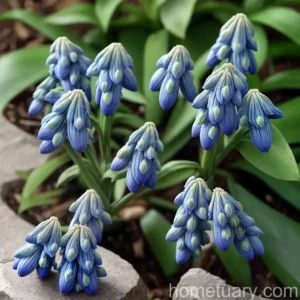
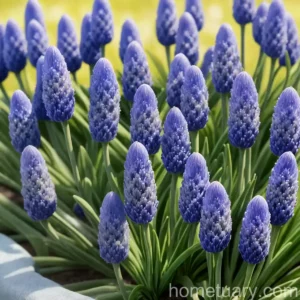
Scilla bifolia is a small but beautiful perennial plant that produces delicate, star-shaped, bright blue flowers with white centers. The plant typically reaches a height of 4-8 inches (10-20 cm) and blooms in early to mid-spring. The deep green, glossy, strap-like leaves emerge in autumn and persist through the winter. This charming plant is not only visually appealing but also easy to grow, making it a favorite among gardeners and landscaping enthusiasts.
Key Takeaways
Before we delve into the details of growing and caring for Scilla bifolia, let’s take a look at the key takeaways associated with this enchanting plant.
- Common Name: Scilla, Alpine squill
- Scientific Name: Scilla bifolia
- Plant Type: Perennial bulbous plant
- Flower Color: Bright blue with white centers
- Bloom Time: Early to mid-spring
- Growth Height: 4-8 inches (10-20 cm)
Now that we have an overview of Scilla bifolia, let’s explore its cultural requirements, uses, care tips, and more.
Culture
Water
Scilla bifolia is a relatively low-maintenance plant when it comes to watering. It thrives in well-drained soil and prefers moderate moisture levels. During the active growing season, which is typically in spring, it’s essential to keep the soil consistently moist but not waterlogged. However, it’s equally important to avoid overwatering, as soggy soil can lead to bulb and root rot.
In summer, when the plant is dormant, reduce watering to prevent waterlogged soil. Only water if the soil becomes very dry. When in doubt, it’s best to err on the side of underwatering rather than overwatering.
Sunlight
Scilla bifolia prefers partial shade to full sun, making it adaptable to a variety of garden settings. It thrives in dappled light and can also tolerate light shade. When grown in full sun, it’s crucial to ensure that the soil is consistently moist to prevent the plant from wilting. Optimal sunlight conditions contribute to robust growth and abundant flowering.
Fertilizer
A light application of balanced, all-purpose fertilizer in early spring can support the growth and blooming of Scilla bifolia. Choose a fertilizer with equal parts of nitrogen, phosphorus, and potassium to promote healthy foliage and vibrant flowers. Avoid excessive fertilization, as this can lead to lush growth at the expense of flowering.
Soil
The ideal soil for Scilla bifolia is well-drained and moderately fertile. A slightly acidic to neutral soil pH ranging from 6.0 to 7.0 is suitable for this plant. Loamy or sandy soil types with good drainage are preferred, as waterlogged soil can result in root rot and other moisture-related issues.
Uses
Garden Landscaping
Scilla bifolia is a versatile plant that can be used to adorn various areas of the garden. Whether planted in borders, rock gardens, or woodland settings, this plant’s vibrant blue flowers make a stunning addition to any landscape. Its compact size and low-growing nature also make it ideal for planting in clusters or drifts, creating a sea of blue in spring.
Cut Flower
The striking blue blooms of Scilla bifolia make for charming cut flowers. Harvest the flowers when they are in full bloom, and they can be arranged in vases to brighten up indoor spaces. Additionally, Scilla bifolia flowers can be combined with other spring blooms to create eye-catching floral arrangements.
Naturalizing
Due to its ability to multiply and naturalize, Scilla bifolia is well-suited for naturalistic plantings in meadows, woodlands, and wild gardens. When established in favorable conditions, this plant can spread gradually, creating a carpet of blue beneath trees or among other early spring bloomers.
Pruning
Pruning requirements for Scilla bifolia are minimal. After the plant has finished flowering and the foliage begins to yellow and wither, it’s important to leave the leaves intact to allow the bulb to store energy for the following year’s growth. Once the foliage has completely died back, it can be trimmed away at ground level.
Propagation
Scilla bifolia can be propagated through division or from seed. Here are methods for each:
Division
Division is a simple and effective method of propagating Scilla bifolia. This process is typically carried out in late summer to early autumn, once the plant has completed its growth cycle and the foliage has begun to wither. To propagate via division, follow these steps:
- Carefully lift the clumps of bulbs from the ground using a garden fork or trowel.
- Gently separate the individual bulbs, ensuring that each division has its own roots and shoots.
- Replant the divided bulbs at the desired location, ensuring the soil is well-drained and the planting depth matches the original depth.
Seed
While propagating from seed is possible, it’s important to note that seeds may take several years to reach maturity and produce flowering plants. Collect seeds from the plant after the flowers have faded and sow them in well-prepared soil in a suitable location.
Container Popularity
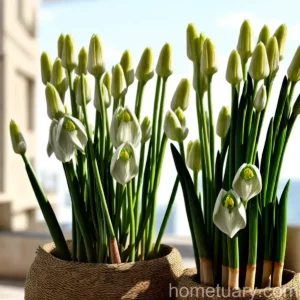
Scilla bifolia can be grown in containers, making it a popular choice for individuals with limited garden space or those looking to add a burst of color to patios, balconies, or other outdoor areas. Consider planting Scilla bifolia bulbs in containers with good drainage, using a well-draining potting mix, and providing them with the requisite care for successful growth and flowering. When grown in containers, the stunning blue flowers of Scilla bifolia can brighten up any outdoor space.
Common Diseases
Disease Diagnosis
Despite being relatively disease-resistant, Scilla bifolia can occasionally be affected by certain fungal diseases and issues related to excess moisture. Common diseases that may affect this plant include:
- Botrytis Blight: This fungal disease manifests as gray mold on the foliage, flowers, or bulbs, particularly in wet conditions. To prevent Botrytis blight, ensure good air circulation and avoid overwatering.
- Bulb Rot: Excessive moisture and poor drainage can lead to bulb rot in Scilla bifolia. Affected bulbs may appear soft and have a foul odor. Proper soil drainage is essential to prevent this issue.
Should any signs of disease or distress be observed on the plant, it is advisable to promptly diagnose the problem and take appropriate remedial measures to prevent the spread of the issue.
Common Pests
Scilla bifolia is relatively resistant to pest infestations. However, occasional attacks from certain pests may occur, including:
- Slugs and Snails: These common garden pests may feed on the leaves and stems of Scilla bifolia, causing visible damage. To control slug and snail populations, implement organic pest control methods such as bait traps, barriers, or handpicking.
Botanist’s Tips
For successful growth and beautiful blooms, consider the following tips from botanists and horticultural experts for cultivating Scilla bifolia:
- Plant the bulbs at the appropriate depth to ensure healthy growth and flowering.
- Provide consistent moisture during the active growing season but avoid overwatering.
- Ensure good soil drainage to prevent moisture-related issues such as rot.
- Avoid disturbing the bulbs once planted, as they prefer to be left undisturbed during their growth and dormancy phases.
Following these tips can contribute to the robust growth, vitality, and visual appeal of Scilla bifolia in the garden.
Fun Facts
Here are some interesting and lesser-known facts about Scilla bifolia:
- Scilla bifolia is a valuable early food source for pollinators such as bees and butterflies, making it a beneficial addition to wildlife-friendly gardens.
- The botanical name “Scilla” is derived from the Greek word “skilla,” which refers to a sea onion or sea squill, in reference to the plant’s bulbous nature and historical use.
- Scilla bifolia has been historically used in traditional medicine for its various healing properties, although it’s important to note that certain parts of the plant are toxic if ingested and should be handled with care.
- This plant is known for its ability to naturalize and thrive in natural settings, making it an excellent choice for creating a vibrant and low-maintenance display in the garden.
Links to External Resources
For further information on Scilla bifolia, including its cultivation, uses, and more, explore the following external resources:
- Royal Horticultural Society: Growing Scilla
- Missouri Botanical Garden: Scilla bifolia
- University of Wisconsin-Madison Extension: Bulbs – Scilla bifolia
In Conclusion
Scilla bifolia, with its enchanting blue flowers and undemanding nature, is a delightful addition to gardens, naturalistic plantings, and floral arrangements. By adhering to its cultural requirements, providing the necessary care, and appreciating its aesthetic and ecological value, gardeners can enjoy the beauty and charm that Scilla bifolia brings to outdoor spaces.
Now equipped with a comprehensive understanding of Scilla bifolia, from its cultural needs to its uses and propagation methods, you can confidently incorporate this appealing plant into your garden landscape, containers, or indoor plantings. Whether you’re seeking to establish a vibrant spring display, naturalize a woodland area, or adorn your living spaces with cut flowers, Scilla bifolia offers versatility and visual allure. With the right care and attention, this captivating plant can flourish and enhance the beauty of any garden setting.