Scilla (Scilla mischtschenkoana ‘Tubergeniana’)
Scilla (Scilla mischtschenkoana ‘Tubergeniana’) is a delightful perennial plant that belongs to the Asparagaceae family. It is a charming addition to any garden, known for its stunning blue star-shaped flowers and ease of cultivation. In this comprehensive guide, we will delve into the various aspects of Scilla (Scilla mischtschenkoana ‘Tubergeniana’), including its culture, uses, care requirements, propagation, common diseases, and most importantly, the botanist’s tips for cultivating and nurturing this enchanting plant.
What is Scilla (Scilla mischtschenkoana ‘Tubergeniana’)?
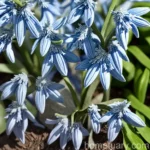
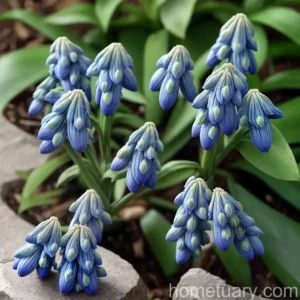
Scilla mischtschenkoana ‘Tubergeniana’ is a bulbous perennial plant native to the Caucasus region, particularly the Transcaucasus and the Western Caucasus. It is commonly referred to as Tubergeniana Scilla. This plant is characterized by its narrow, strap-like foliage and the striking blue star-shaped flowers that appear in early spring.
Key Takeaways
Let us begin by summarizing the key takeaways about Scilla (Scilla mischtschenkoana ‘Tubergeniana’):
- Common Name: Scilla
- Scientific Name: Scilla mischtschenkoana ‘Tubergeniana’
- Family: Asparagaceae
- Type: Perennial
- Flowers: Blue star-shaped flowers
- Season: Early spring bloomer
- Cultivation: Easy to grow
- Uses: Borders, rock gardens, containers
Now, let’s explore in detail the various aspects of this captivating plant.
Culture
Uses
Scilla (Scilla mischtschenkoana ‘Tubergeniana’) has a wide range of uses in horticulture, owing to its ornamental appeal and adaptability. Some common uses of Scilla include:
- Border Plant: It can be planted as an edging or border plant in garden beds to add vibrant blue colors.
- Rock Gardens: Scilla is well-suited for rock gardens and alpine plantings due to its diminutive size and charming blossoms.
- Containers: It thrives in containers, making it an excellent choice for patio displays and balcony gardens.
Water
Scilla generally prefers moderately moist soil during its growing season but requires well-draining soil to prevent waterlogging, which can lead to bulb rot. Adequate watering is crucial, especially during the initial growth stages.
Sunlight
When it comes to sunlight requirements, Scilla (Scilla mischtschenkoana ‘Tubergeniana’) thrives in partial to full sun. It can tolerate some shade, making it a versatile plant for various light conditions.
Fertilizer
Scilla is not particularly demanding when it comes to fertilization. A balanced, all-purpose fertilizer can be applied in the early spring as the foliage emerges. It’s important not to over-fertilize, as excessive nutrients can lead to leggy growth and reduced flower production.
Soil
The ideal soil for Scilla should be well-draining and slightly acidic to neutral. It thrives in loamy or sandy soils and can tolerate a range of soil types, as long as they are well-draining. Adding organic matter, such as compost, can improve the soil structure and fertility for the plant.
Pruning
Pruning requirements for Scilla are minimal. After the blooming period, the spent flower stems can be removed to maintain a neat appearance. However, the foliage should be left in place to allow for photosynthesis and energy storage in the bulbs.
Propagation
Scilla (Scilla mischtschenkoana ‘Tubergeniana’) can be propagated easily through division of bulbs. This process is best done in late summer or early autumn when the bulbs are dormant. The offsets, or smaller bulbs, can be separated from the main bulb and replanted in a suitable location.
Container Popularity
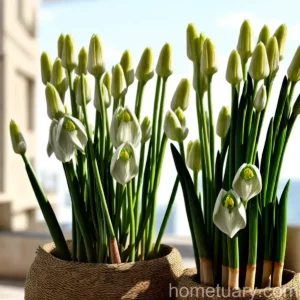
Scilla is widely favored for container gardening, thanks to its compact size, colorful flowers, and ease of care. When grown in containers, it can be placed on patios, decks, or any outdoor space to bring early spring color and charm.
Common Diseases
Scilla is generally resistant to most diseases, but like any plant, it may be susceptible to certain issues under unfavorable conditions. Some of the common diseases that may affect Scilla include:
- Bulb Rot: This can occur in poorly draining soil or in waterlogged conditions.
- Fungal Diseases: Under prolonged periods of high humidity, fungal diseases such as botrytis can affect the foliage.
Disease Diagnosis
If you notice any signs of disease in your Scilla plants, such as discolored or rotting foliage, it is important to take prompt action. Proper diagnosis of the issue is crucial for identifying the appropriate treatment, which may include adjusting cultural practices or using targeted fungicides if necessary.
Common Pests
Scilla is relatively resistant to pests, but it may occasionally encounter pest issues including:
- Slugs and Snails: These common garden pests can feed on the foliage and flowers of Scilla.
- Rodents: Squirrels and other rodents may dig up and consume the bulbs.
Regular inspection of the plants and proactive pest management practices, such as physical barriers or organic pest controls, can help protect Scilla from pest damage.
Botanist’s Tips
Cultivating Scilla (Scilla mischtschenkoana ‘Tubergeniana’) can be a rewarding experience, and here are some valuable tips from botanists and experienced gardeners to ensure the best care for this plant:
- Planting Depth: When planting Scilla bulbs, ensure they are at a depth approximately three times the size of the bulb.
- Naturalizing: Scilla can be left undisturbed to naturalize and spread over time, creating a stunning carpet of blue flowers in the garden.
- Deer Resistance: Scilla is deer-resistant, making it a suitable choice for areas with deer activity.
- Companion Planting: It pairs well with other early spring bloomers such as daffodils and tulips, creating a vibrant and diverse spring display.
- Mulching: Applying a layer of organic mulch around the plants can help conserve moisture and suppress weed growth.
Fun Facts
Here are some interesting and lesser-known facts about Scilla (Scilla mischtschenkoana ‘Tubergeniana’):
- In some regions, Scilla is known as the “Siberian Squill” due to its prevalence in Siberian forests.
- The bulbs of Scilla contain natural compounds that make them unappealing to many pests, contributing to their pest resistance.
- Some gardeners consider Scilla to be a symbol of early spring and a welcoming sign of the changing seasons.
Links to External Resources
For further information on Scilla (Scilla mischtschenkoana ‘Tubergeniana’) and related topics, consider exploring the following resources:
- Royal Horticultural Society – Scilla mischtschenkoana
- Missouri Botanical Garden – Scilla mischtschenkoana ‘Tubergeniana’
In conclusion, Scilla (Scilla mischtschenkoana ‘Tubergeniana’) is a captivating plant that adds charm and vibrancy to gardens and landscapes, making it a popular choice for both experienced and novice gardeners. With its striking blue flowers, easy cultivation, and minimal maintenance requirements, Scilla is a versatile and delightful addition to any outdoor space. Whether planted in borders, containers, or rock gardens, this perennial plant brings early spring joy and beauty to the garden.
Remember to tailor the care and cultivation of Scilla to the specific growing conditions in your region, and enjoy the spectacle of its stunning, starry blooms each spring.