All About Scilla (Scilla bifolia ‘Rosea’)
Scilla bifolia ‘Rosea’ is a delicate and charming perennial plant that belongs to the Asparagaceae family. This variety of scilla is also commonly known as Alpine Squill or Two-leaf Squill. Native to Europe and Asia, this plant is cherished for its stunning bell-shaped blooms that add a captivating touch to gardens and landscapes. In this comprehensive guide, let’s delve into the culture, uses, care, and propagation of Scilla bifolia ‘Rosea’. We’ll also explore its relevance in horticulture, folklore, and its interaction with wildlife.
What is Scilla (Scilla bifolia ‘Rosea’)?
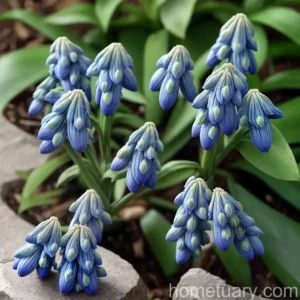
Scilla bifolia ‘Rosea’ is a bulbous perennial that typically grows to a height of around 15 centimeters. In early spring, it produces delicate, pinkish lilac flowers, creating an enchanting display in the garden. This plant has slender, strap-like leaves that emerge after the blooms, adding to its visual appeal. The charming blossoms of this scilla variety are not only visually appealing but also attract pollinators like bees, butterflies, and hummingbirds, making it a valuable addition to any garden or landscape.
Key Takeaways
Culture
- Hardiness: Zones 3-8
- Plant Type: Perennial
- Bloom Time: Early spring
- Attracts: Bees, butterflies, hummingbirds
- Deer Resistance: Yes
- Toxicity: All parts are potentially toxic
Uses
- Landscape: Borders, rock gardens
- Design Features: Early spring blooms, delicate foliage
- Wildlife: Pollinator-friendly, wildlife habitat
Water
- Watering Needs: Moderately moist soil
- Drought Tolerance: Moderate
Sunlight
- Light Requirements: Full sun to partial shade
Fertilizer
- Fertilization: Light feeding in early spring
Soil
- Soil Type: Well-draining, moderately fertile
Pruning
- Pruning: Remove spent flowers and yellowing foliage
Propagation
- Propagation: Division of offsets, seeds
Container
- Container Gardening: Suitable for containers
Popularity
- Garden Popularity: Increasing due to its early spring appeal
Common Diseases
- Diseases: Generally resistant to diseases, may be susceptible to rot in poorly-draining soil
Common Pests
- Pests: Deer, rodents
Botanist’s Tips
Scilla bifolia ‘Rosea’ thrives in cool, temperate climates and is well-suited to rock gardens, woodland gardens, and naturalized areas. When cultivating this plant, it’s essential to provide it with well-draining soil and ensure that the bulbs aren’t subjected to excessive moisture during their dormant period to prevent rot. Furthermore, deadheading the spent blooms can help redirect the plant’s energy into bulb development rather than seed production.
Fun Facts
- Historical Significance: The name “Scilla” has historical connotations and is derived from the sea nymph in Greek mythology. The genus was initially categorized within the Liliaceae family but has since been reclassified under the Asparagaceae family.
- Floral Symbolism: In the language of flowers, the scilla represents sincerity and constancy, making it a meaningful addition to bouquets and floral arrangements.
- Medicinal Folklore: Folk traditions indicate that scillas were once used in herbal remedies for various ailments, although caution is advised due to their potential toxicity.
Now that we’ve explored the key characteristics of Scilla bifolia ‘Rosea’, let’s delve deeper into its propagation, maintenance, and ecological contributions.
Propagation
Division of Offsets
Scilla bifolia ‘Rosea’ can be propagated through the division of offsets, which are the smaller bulbs that develop alongside the main bulb. This process is best carried out during the plant’s dormant phase, shortly after the foliage has withered. Here’s a simple guide to propagating scilla through offset division:
- Carefully dig around the base of the plant, ensuring that the bulbs are not damaged.
- Gently separate the offsets from the main bulb, making sure that each offset has some roots attached.
- Plant the offsets at a depth of about 5 centimeters in well-draining soil enriched with organic matter. Ensure that the soil remains moderately moist during the establishment phase.
Seed Propagation
Scilla bifolia ‘Rosea’ can also be propagated from seeds, though this method requires more time and patience due to the gradual growth of the seedlings. If you choose to propagate scilla from seeds, consider the following steps:
- Harvest the seeds once the capsules have ripened and begun to split open.
- Sow the seeds in a tray filled with a well-draining, moist seed-starting mix.
- Cover the tray with a clear lid or plastic wrap to create a mini greenhouse effect, aiding in moisture retention.
- Place the tray in a bright, indirect light location with temperatures around 15-18°C.
- Keep the soil consistently moist, but avoid waterlogging to prevent fungal issues.
- Once the seedlings emerge and develop their first set of true leaves, they can be carefully transplanted into individual containers or nursery beds.
Container Gardening
Scilla bifolia ‘Rosea’ adapts well to container gardening, making it an excellent choice for those with limited garden space. When choosing a container, opt for one with adequate drainage holes to prevent waterlogging, which can be detrimental to the plant’s bulbs. A well-draining potting mix with added perlite or coarse sand will help ensure healthy root development. Additionally, positioning the container in a location that receives dappled sunlight or partial shade will provide the ideal growing conditions for this charming perennial.
Common Diseases
Scilla bifolia ‘Rosea’ exhibits good resistance to diseases, particularly when grown in suitable conditions with well-draining soil and adequate air circulation. However, excessive moisture can lead to issues such as bulb rot and fungal infections, particularly in poorly-drained soil or during periods of prolonged rain.
Disease Diagnosis
Bulb Rot
Bulb rot typically manifests as soft, mushy areas on the bulbs, often displaying a foul odor. Affected plants may exhibit wilting or yellowing foliage, signaling an underlying issue. To tackle bulb rot:
- Prevention: Ensure proper drainage and avoid overwatering, particularly during the dormant phase.
- Treatment: If caught early, the affected bulbs can be carefully dug up, and the affected areas can be trimmed away. Allow the bulbs to air dry for a day or two before replanting in well-draining soil.
Fungal Infections
Fungal infections may present as discolored or distorted foliage, with the potential for the presence of powdery mildew or other fungal growth on the leaves. To manage fungal infections:
- Cultural Practices: Ensure good airflow around plants, and avoid overhead watering, particularly in the evening.
- Fungicidal Treatments: If fungal issues persist, consider using an appropriate fungicidal spray following the manufacturer’s instructions.
Common Pests
Deer
Deer are known to graze on a variety of garden plants, including scillas, particularly in areas where deer populations are prevalent. To deter deer from feeding on scilla plants:
- Physical Barriers: Install deer fencing or use deer netting to protect vulnerable plants.
- Repellents: Consider using deer repellents or deterrents, which emit odors or tastes that are unpleasant to deer.
Rodents
Rodent damage can be evident through the gnawing of bulbs and foliage. To protect scillas from rodent damage:
- Natural Predators: Encourage natural predators such as birds of prey to frequent the garden, helping to manage rodent populations.
- Traps: Consider using humane traps to capture and relocate rodents from the garden.
Conclusion
Scilla bifolia ‘Rosea’ holds a special place in the realm of ornamental plants, owing to its enchanting blooms, low-maintenance nature, and valuable contributions to ecological diversity. With its early spring display and adaptability to various growing conditions, it continues to captivate the hearts of gardeners and horticulturists alike. Whether nestled in a rock garden, adorning a woodland landscape, or gracing a container on a balcony, the Alpine Squill’s timeless charm enriches any setting it inhabits.
This comprehensive guide has provided an in-depth exploration of Scilla bifolia ‘Rosea’, spanning its cultivation, propagation, disease and pest management, and its ecological importance. By delving into the various facets of this plant, we hope to inspire a deeper appreciation for its botanical significance and its role in enriching our natural surroundings.
References
- Royal Horticultural Society. (n.d.). Scilla – Plant in Focus. https://www.rhs.org.uk/plants/21015/scilla/details
- Missouri Botanical Garden. (n.d.). Scilla bifolia. http://www.missouribotanicalgarden.org/PlantFinder/PlantFinderDetails.aspx?taxonid=287013
- North Carolina State University. (n.d.). Scilla bifolia. https://plants.ces.ncsu.edu/plants/scilla/
- The American Phytopathological Society. (n.d.). Common Names of Plant Diseases. https://www.apsnet.org/common-names-of-plant-diseases/
- The Morton Arboretum. (n.d.). Protecting Trees and Shrubs from Wildlife Damage. https://www.mortonarb.org/trees-plants/tree-and-plant-advice/horticulture-care/protecting-trees-and-shrubs-wildlife-damage