Sarracenia ‘Scarlet Belle’ (Pitcher Plant)
In the world of carnivorous plants, the Sarracenia ‘Scarlet Belle’ holds a special place. With its stunning red pitchers and unique adaptations, this plant has captured the fascination of botanists, horticulturists, and plant enthusiasts alike. In this comprehensive guide, we will delve into the world of Sarracenia ‘Scarlet Belle,’ exploring its culture, uses, care, and much more.
What is Sarracenia ‘Scarlet Belle’?
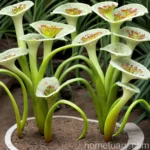
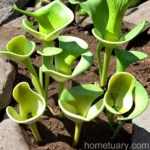
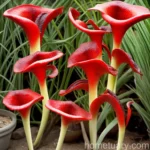
Sarracenia ‘Scarlet Belle’ is a striking hybrid pitcher plant known for its vibrant red pitchers and elegant appearance. As a member of the Sarraceniaceae family, it is closely related to other carnivorous plants such as the Venus flytrap and sundews. The plant’s pitchers are specialized structures that serve to capture and digest insects, allowing the plant to obtain nutrients often lacking in its boggy, acidic habitat.
Key Takeaways – Sarracenia ‘Scarlet Belle’ (Pitcher Plant)
Before we delve into the specifics of Sarracenia ‘Scarlet Belle,’ let’s explore the key takeaways of this captivating plant:
- Sarracenia ‘Scarlet Belle’ is a hybrid pitcher plant known for its red pitchers and carnivorous nature.
- This plant is a part of the Sarraceniaceae family and is often sought after by collectors and enthusiasts.
- Cultural uses of Sarracenia ‘Scarlet Belle’ include its role as an ornamental plant and its use in bog gardens and carnivorous plant collections.
With these key points in mind, let’s explore the intricate details of caring for and appreciating the unique qualities of Sarracenia ‘Scarlet Belle.’
Culture
Understanding the cultural requirements of Sarracenia ‘Scarlet Belle’ is essential for successfully cultivating and enjoying this captivating plant. From water and sunlight needs to soil and fertilizer preferences, each aspect plays a critical role in the plant’s overall health and vitality.
Water
As a bog-dwelling plant, Sarracenia ‘Scarlet Belle’ has a high water requirement. In its natural habitat, these plants are often found in wet, acidic conditions, and replicating this environment is crucial for their well-being. When cultivating Sarracenia ‘Scarlet Belle,’ it is essential to provide consistently moist soil. One effective method is to use distilled water, rainwater, or reverse osmosis water to prevent the buildup of minerals that could harm the plant.
Key Points on Watering Sarracenia ‘Scarlet Belle’:
– Provide consistently moist soil to mimic its natural boggy habitat.
– Use distilled, reverse osmosis, or rainwater to prevent mineral buildup.
Sunlight
Sarracenia ‘Scarlet Belle’ thrives in bright, indirect sunlight. When grown outdoors, providing the plant with partial shade can help protect it from intense midday sun. This is particularly important for plants in regions with hot summers, as excessive heat can damage the delicate pitchers. When cultivating Sarracenia ‘Scarlet Belle’ indoors, a sunny windowsill or the use of grow lights can ensure that the plant receives adequate light for healthy growth.
Key Points on Sunlight for Sarracenia ‘Scarlet Belle’:
– Provide bright, indirect sunlight for optimal growth.
– Protect the plant from intense midday sun, especially in hot climates.
Fertilizer
Unlike many other plants, Sarracenia ‘Scarlet Belle’ does not require traditional fertilization. In its natural habitat, it gains the necessary nutrients through the capture and digestion of insects in its pitchers. Therefore, it is best to avoid using standard plant fertilizers as they can harm the plant. Instead, allow the plant to capture its own prey or, if necessary, provide small, live insects to ensure its nutritional needs are met.
Key Points on Fertilizing Sarracenia ‘Scarlet Belle’:
– Avoid traditional plant fertilizers as they can harm the plant.
– Allow the plant to capture insects for its nutritional requirements.
Soil
The soil requirements for Sarracenia ‘Scarlet Belle’ are distinct from those of typical garden plants. This species thrives in nutrient-poor, acidic soil characteristic of bog environments. A well-draining soil mix that replicates these conditions is essential for the plant’s health. Many growers use a blend of peat moss, silica sand, and perlite to create a suitable medium for their pitcher plants. It is crucial to avoid using soil or compost that contains high levels of organic matter, as this can harm the plant and disrupt its specialized nutrient acquisition strategy.
Key Points on Soil for Sarracenia ‘Scarlet Belle’:
– Use a well-draining soil mix with low nutrient content.
– Avoid soil and compost with high organic matter, as this can harm the plant.
Pruning
Pruning requirements for Sarracenia ‘Scarlet Belle’ are minimal. Unlike traditional pruning for aesthetic purposes or to manage plant size, pitcher plants primarily benefit from the regular removal of old pitchers. This practice helps to maintain a tidy appearance and prevents the buildup of decaying plant material that could harbor pests or diseases. When removing old pitchers, take care to cut them off at the base without damaging the adjacent healthy growth.
Key Points on Pruning Sarracenia ‘Scarlet Belle’:
– Regularly remove old pitchers to maintain plant hygiene.
– Cut off old pitchers at the base without harming surrounding growth.
Propagation
The propagation of Sarracenia ‘Scarlet Belle’ allows enthusiasts to expand their collection and share the beauty of this captivating plant with others. Methods such as division and seed propagation offer opportunities for growers to cultivate new plants and contribute to the conservation of this species.
Division
Division is a popular and effective method for propagating Sarracenia ‘Scarlet Belle.’ This process involves separating the rhizomes of an established plant to create new, independent specimens. When dividing the plant, take care to include a portion of each growth point, or pitcher cluster, to ensure the success of the new divisions. After division, the new plants can be potted into suitable containers and provided with appropriate growing conditions to support their establishment and growth.
Key Points on Division Propagation of Sarracenia ‘Scarlet Belle’:
– Division involves separating the rhizomes to create new plants.
– Ensure that each division has a portion of the growth point for successful establishment.
Seed Propagation
Seed propagation offers an alternative method for increasing the population of Sarracenia ‘Scarlet Belle.’ Collecting ripe seeds from mature plants and sowing them in a suitable growing medium can initiate the growth of new plants. It is important to note that seed propagation often requires patience, as it may take several years for the plants to reach maturity and produce their characteristic pitchers.
Key Points on Seed Propagation of Sarracenia ‘Scarlet Belle’:
– Collect ripe seeds from mature plants for propagation.
– Be patient, as seed-grown plants may take several years to reach maturity.
Container Popularity
Sarracenia ‘Scarlet Belle’ is a popular choice for cultivation in containers, both indoors and outdoors. Its elegant appearance and unique characteristics make it a captivating addition to diverse settings, from windowsills and terrariums to outdoor patios and bog gardens.
Key Points on the Popularity of Sarracenia ‘Scarlet Belle’ in Containers:
– Sarracenia ‘Scarlet Belle’ is favored for container cultivation due to its striking appearance.
– The plant thrives in indoor settings and is well-suited for terrariums and windowsill displays.
Common Diseases
Like all plants, Sarracenia ‘Scarlet Belle’ is susceptible to certain diseases that can affect its overall health and vigor. Understanding these diseases, their symptoms, and methods for prevention and treatment is essential for maintaining a thriving collection of pitcher plants.
Disease Diagnosis
Some common diseases that may affect Sarracenia ‘Scarlet Belle’ include fungal infections, such as Botrytis cinerea (gray mold), and bacterial diseases like Pseudomonas caryophylli. These pathogens can cause symptoms such as wilting, browning of foliage, and the development of dark or fuzzy growth on the plant. Regular inspection of the plant for early signs of disease, coupled with appropriate cultural practices, can help minimize the risk of these issues.
Key Points on Diagnosing Diseases in Sarracenia ‘Scarlet Belle’:
– Common diseases include fungal infections and bacterial diseases.
– Regularly inspect the plant for symptoms such as wilting and unusual growth.
Common Pests
In addition to diseases, Sarracenia ‘Scarlet Belle’ may also face challenges from pests that can compromise its health and vitality. Understanding these pests and implementing appropriate control measures is essential for safeguarding the plant from harm.
Botanist’s Tips
As a plant scientist, it is crucial to share valuable insights and tips for successfully cultivating Sarracenia ‘Scarlet Belle.’ By sharing knowledge and expertise, aspiring botanists and plant enthusiasts can enhance their understanding of this captivating species and contribute to its conservation and appreciation.
Fun Facts
Sarracenia ‘Scarlet Belle’ has a rich history and unique characteristics that make it a captivating subject of fascination and study. Exploring fun facts about the plant can deepen one’s appreciation for its beauty and complexity.
Links to External Resources
For further exploration and learning about Sarracenia ‘Scarlet Belle’ and pitcher plants in general, the following external resources provide valuable information and insights:
- International Carnivorous Plant Society
- North American Sarracenia Conservancy
- The Carnivorous Plant FAQ
- Botanical Society of America – Carnivorous Plants
By delving into the intricacies of Sarracenia ‘Scarlet Belle,’ we have gained a deeper understanding of this captivating pitcher plant. From its cultural requirements to propagation methods and disease management, this comprehensive guide provides valuable insights for enthusiasts, botanists, and plant scientists alike. As we continue to explore the diverse world of carnivorous plants, the allure of Sarracenia ‘Scarlet Belle’ remains an enduring source of fascination and wonder.