The Fascinating World of the Pitcher Plant: Sarracenia ‘Dixie Lace’
What is a Pitcher Plant?
Pitcher plants are a unique and captivating group of carnivorous plants known for their pitcher-shaped leaves that act as traps for insects. The Sarracenia genus, which includes the popular cultivar ‘Dixie Lace’, is native to North America and is a prime example of this intriguing botanical family.
Pitcher Plant (Sarracenia ‘Dixie Lace’) Overview
- Scientific Name: Sarracenia ‘Dixie Lace’
- Common Name: Dixie Lace pitcher plant
- Family: Sarraceniaceae
- Type: Carnivorous perennial
Key Takeaways – Pitcher Plant (Sarracenia ‘Dixie Lace’)
Before delving into the specifics of growing and caring for the pitcher plant Sarracenia ‘Dixie Lace’, let’s highlight some key takeaways about this captivating plant:
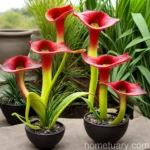
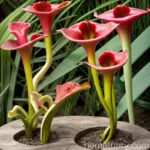
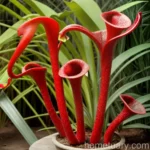
- Sarracenia Dixie Lace: A striking carnivorous pitcher plant known for its unique coloration and distinctive trumpet-shaped pitchers.
- Pitcher Plant Care Tips: Requires a moist, acidic growing medium and relies on catching and digesting insects for essential nutrients.
- Sarracenia ‘Dixie Lace’ Characteristics: Known for its vibrant red, green, and white coloring, and its ability to thrive in boggy habitats with ample sunlight.
- Pitcher Plant Habitat: Naturally found in wetlands and boggy areas across the southeastern United States.
Culture of Pitcher Plants
Cultivating pitcher plants, including the Sarracenia ‘Dixie Lace’, requires a keen understanding of their natural habitat and specific environmental needs. Let’s explore the culture of these captivating plants.
Water
Pitcher plants, especially Sarracenia ‘Dixie Lace’, thrive in consistently moist conditions. They are commonly found in natural habitats that are waterlogged or near water sources. When growing them in a garden or container, it’s essential to mimic these conditions by ensuring that the soil remains consistently moist but not waterlogged.
Sunlight
As plants that are indigenous to wetland areas, pitcher plants require ample sunlight to thrive. When cultivating Sarracenia ‘Dixie Lace’, it’s crucial to provide it with at least 6 hours of direct sunlight daily. In many regions, they thrive when grown in full sun, although some slight shading may be necessary in exceptionally hot and dry climates to prevent leaf scorch.
Fertilizer
Pitcher plants, including Sarracenia ‘Dixie Lace’, do not rely on traditional fertilization methods due to their carnivorous nature. Instead, they obtain essential nutrients from the insects they capture and digest in their pitchers. While it’s not necessary to feed them manually, providing them with access to a diverse range of insects by placing them in an outdoor setting will ensure their nutritional requirements are met.
Soil
The ideal growing medium for Sarracenia ‘Dixie Lace’ is an acidic, nutrient-poor substrate. A mixture containing sphagnum peat moss and perlite helps create an environment that closely resembles their natural boggy habitats. This specialized soil mix aids in retaining moisture while offering minimal nutrients, ensuring that the pitcher plants can thrive.
Pruning and Propagation of Pitcher Plants
Pruning
Pitcher plants typically do not require traditional pruning as most of their leaves serve as unique insect traps. However, removing dried or damaged pitchers can help maintain the plant’s aesthetics. It’s important to exercise caution while handling the pitchers, as they are a crucial part of the plant’s nutrient acquisition strategy.
Propagation
Propagating Sarracenia ‘Dixie Lace’ and other pitcher plants can be achieved through division or rhizome cuttings. During the growing season, carefully divide the rhizomes, ensuring that each division has ample roots and pitchers. These divisions can be replanted in suitable potting media or garden beds to establish new plants.
Container Popularity for Pitcher Plants
Pitcher plants, including Sarracenia ‘Dixie Lace’, are popular choices for container gardening enthusiasts who wish to create bog gardens or showcase these unique plants in a controlled environment. The use of containers allows for greater control over the soil composition and moisture levels, enabling individuals to cater to the specific needs of these captivating carnivorous plants.
Common Diseases
Pitcher plants are relatively resistant to traditional plant diseases, thanks to their carnivorous nature and the unique composition of their growing medium. However, they may be susceptible to root rot if the growing medium becomes waterlogged. To prevent this, it’s crucial to ensure adequate drainage in container plantings.
Disease Diagnosis
Diagnosing diseases in pitcher plants often involves observing changes in the coloration or structure of the pitchers and leaves. Yellowing or browning of the pitchers, especially at the base, may indicate issues with waterlogged soil or root rot. Additionally, fungal infections may manifest as spots or irregular patterns on the surface of the pitchers.
Common Pests
While pitcher plants are adept at trapping and consuming insects, they may occasionally fall victim to certain pests. Common pests that may affect pitcher plants include aphids, spider mites, and other small insects. Regular inspection of the pitchers and leaves can help detect pest infestations early, allowing for prompt intervention.
Botanist’s Tips
- Maintain Consistent Moisture: Ensuring that the growing medium remains consistently moist is crucial for the health and vitality of Sarracenia ‘Dixie Lace’.
- Provide Ample Sunlight: Offering the plant at least 6 hours of direct sunlight daily is essential to promote robust growth and vibrant coloration.
- Avoid Disturbing Pitchers: Refrain from excessively handling or disturbing the pitchers, as doing so may disrupt the plant’s natural feeding process.
Fun Facts about Sarracenia ‘Dixie Lace’
- Insect-Trapping Adaptations: The trumpet-shaped pitchers of Sarracenia ‘Dixie Lace’ are marvels of biological adaptation, featuring specialized lids, attractive coloration, and potent nectar that lures unsuspecting prey.
- Bog Garden Beauties: When cultivated alongside other bog plants such as carnivorous sundews and colorful bog irises, pitcher plants, especially the ‘Dixie Lace’ variety, create stunning and diverse displays in bog garden settings.
- Cultural Significance: In some Native American cultures, pitcher plants are revered for their unique characteristics, and their vibrant pitchers are incorporated into traditional crafts and artwork.
Links to External Resources
For further information on pitcher plants and Sarracenia ‘Dixie Lace’, consider exploring the following resources:
- International Carnivorous Plant Society
- North American Sarracenia Conservancy
- The Carnivorous Plant FAQ
In conclusion, the pitcher plant Sarracenia ‘Dixie Lace’ is a captivating and unique addition to any botanical collection. Its stunning coloration, intriguing feeding strategy, and specific cultural requirements make it a standout choice for enthusiasts looking to explore the fascinating world of carnivorous plants. With careful attention to its cultural needs and an understanding of its captivating adaptations, Sarracenia ‘Dixie Lace’ can thrive and captivate admirers for years to come. Whether grown in bog gardens, containers, or specialized terrariums, this carnivorous beauty is sure to leave a lasting impression on plant enthusiasts and botanists alike.