The Fascinating World of Common Pitcher Plant (Sarracenia purpurea subsp. purpurea)
Introduction to Carnivorous Plants
Plants are typically known for their ability to convert sunlight, water, and carbon dioxide into energy through the process of photosynthesis. However, there are some remarkable exceptions to this norm. Imagine a plant that has evolved to not only derive nutrients from the soil but also capture and digest insects for sustenance. Such exceptional plants, known as carnivorous plants, have captivated the interest of botanists and nature enthusiasts for centuries. Among the various species of carnivorous plants, the common pitcher plant (Sarracenia purpurea subsp. purpurea) stands out due to its captivating pitcher-shaped traps and unique dietary habits.
In this comprehensive guide, we will delve into the intriguing world of the common pitcher plant and explore its habitat, key characteristics, care requirements, and much more. Whether you are a seasoned botanist, a nature lover, or simply someone intrigued by the wonders of the natural world, this article will provide a wealth of information about this extraordinary plant species.
Please note, the purpose of this guide is to provide an in-depth understanding of the common pitcher plant (Sarracenia purpurea subsp. purpurea) and its cultivation. The information presented here is based on scientific research, expert insights, and practical experiences to offer accurate and valuable guidance for plant enthusiasts, horticulturists, and conservationists. So, let’s embark on a captivating journey into the world of carnivorous plants and uncover the enchanting secrets of the common pitcher plant.
What is the Common Pitcher Plant (Sarracenia purpurea subsp. purpurea)?
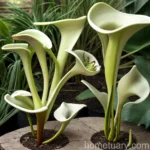
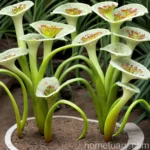
The common pitcher plant, scientifically known as Sarracenia purpurea subsp. purpurea, is a fascinating species of carnivorous plant belonging to the Sarraceniaceae family. This unique plant is native to North America, particularly thriving in boggy and wetland habitats characterized by acidic and nutrient-poor soils. The common pitcher plant has captured the attention of botanists and plant enthusiasts due to its striking pitcher-shaped traps, which are specifically adapted to capture and digest insects as a supplementary nutrient source.
This intriguing plant species exhibits a range of captivating morphological and physiological characteristics, making it an excellent subject for botanical study and horticultural fascination. From its distinctive pitcher-shaped leaves to its intricate trap mechanisms, the common pitcher plant showcases a remarkable adaptation to its environment and a sophisticated method of acquiring nutrients.
Key Takeaways – Common Pitcher Plant (Sarracenia purpurea subsp. purpurea)
Before we delve into the specific aspects of caring for and cultivating the common pitcher plant, let’s highlight some key takeaways about this captivating species:
- Scientific Name: Sarracenia purpurea subsp. purpurea
- Common Names: Common pitcher plant, purple pitcher plant
- Family: Sarraceniaceae
- Habitat: Boggy and wetland environments, particularly in North America
- Dietary Habit: Carnivorous, capturing and digesting insects
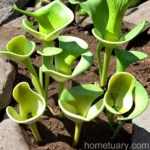
- Distinctive Feature: Pitcher-shaped traps formed by modified leaves
- Conservation Status: Considered a species of least concern, but its habitats are often threatened by human activities and habitat loss
With these key takeaways in mind, let’s embark on a comprehensive exploration of the common pitcher plant, covering its cultural requirements, unique adaptations, and horticultural significance.
Plant Culture: Understanding the Habitat and Ecology of the Common Pitcher Plant
Understanding the natural habitat and ecological context of the common pitcher plant is essential for successfully cultivating and maintaining this extraordinary species. As a bog plant thriving in wetland environments, the common pitcher plant exhibits specific adaptations to its surroundings, reflecting its evolutionary response to nutrient-poor and acidic conditions. By delving into the plant’s culture, we can gain valuable insights into its requirements, behaviors, and interactions within its native ecosystem.
Habitat and Ecological Niche
The common pitcher plant, Sarracenia purpurea subsp. purpurea, is primarily found in wetland habitats, including bogs, fens, and marshes, across various regions of North America. These wetland environments are characterized by acidic, waterlogged soils with low nutrient availability, creating a challenging setting for many plant species. However, the common pitcher plant has evolved unique adaptations to thrive in these conditions, making it a fascinating example of natural selection and ecological specialization.
Characteristics of Bog Environments
Bog environments, where the common pitcher plant often makes its home, are distinguished by several defining features:
- Acidic Soils: Bogs typically have acidic soils, characterized by a low pH resulting from the accumulation of organic acids over time. This acidity is a result of the slow decomposition of organic matter in waterlogged conditions.
- Waterlogged Conditions: Bogs are waterlogged environments, with standing water or saturated soil creating anaerobic (low-oxygen) conditions. The water in bogs often originates from precipitation or nearby sources such as streams and springs.
- Nutrient-Poor Substrates: Due to the waterlogged nature of bogs, essential nutrients such as nitrogen and phosphorus are often limited in availability. This creates a challenging environment for many plant species that rely on nutrient uptake from the soil.
Wetland Plant Communities
Within the broader category of wetland ecosystems, the common pitcher plant interacts with a diverse array of plant species, forming unique communities adapted to the specific environmental conditions. These plant communities contribute to the overall biodiversity and ecological function of wetland habitats, showcasing the interconnected nature of flora and fauna in these ecosystems.
Plant-Environment Interactions
The ecological interactions involving the common pitcher plant are multifaceted and remarkably intricate, reflecting the plant’s specialized adaptations and its relationship with other organisms within the wetland environment.
Pitcher Plant-Habitat Interactions
The common pitcher plant’s interactions with its habitat involve several noteworthy aspects:
- Nutrient Acquisition: The plant’s carnivorous nature is a direct response to the low availability of essential nutrients in boggy environments. By capturing and digesting insects using its pitcher traps, the common pitcher plant supplements its nutrient intake, particularly in terms of nitrogen and other elements that are scarce in the acidic soils.
- Pollination Dynamics: While the plant primarily relies on insects for supplementary nutrients, it also plays a role in the local pollination dynamics. The showy flowers of the common pitcher plant attract pollinators, contributing to the overall reproductive success of the plant within its habitat.
Symbiotic Relationships
Within the bog environment, the common pitcher plant engages in symbiotic relationships with various organisms, showcasing the interconnected nature of wetland ecosystems:
- Sphagnum Moss Associations: Many bog environments host extensive growths of Sphagnum moss, which often coexist with the common pitcher plant. This moss provides a substrate for the plant and contributes to the overall water-retaining and acidic characteristics of the bog habitat.
- Microbial Communities: The waterlogged conditions of bogs harbor diverse microbial communities, and the roots of the common pitcher plant are likely to engage in complex interactions with these microorganisms, potentially influencing nutrient uptake and overall plant health.
Wetland Conservation and Plant Significance
Understanding the habitat and ecological context of the common pitcher plant is crucial not only for its cultivation but also for its conservation. As a species primarily associated with boggy and wetland habitats, the common pitcher plant is often threatened by habitat loss and human activities such as drainage, peat extraction, and land development. By recognizing the ecological significance of this species, conservation efforts can be directed towards preserving its natural habitat and ensuring the continued existence of the plant within its native ecosystems.
Plant Uses: Exploring the Versatility and Significance of Common Pitcher Plant
The common pitcher plant, with its intriguing adaptations and captivating appearance, holds significance beyond its ecological role within wetland environments. From cultural and horticultural applications to potential medicinal uses, this fascinating plant has a range of diverse associations and potential benefits.
Horticultural and Botanical Significance
In horticultural and botanical contexts, the common pitcher plant holds considerable significance, contributing to the diversity of plant collections and botanical research endeavors:
- Botanical Gardens and Collections: Given its striking appearance and unique adaptations, the common pitcher plant is often showcased in botanical gardens and plant collections worldwide. As an emblematic species of carnivorous plants, it captures the fascination of visitors and serves as an educational tool for highlighting ecological adaptations and plant diversity.
- Botanical Research and Study: The unique morphological features and trap mechanisms of the common pitcher plant make it an area of intense scientific study. Botanists and researchers often investigate its adaptations, pollination dynamics, and ecological interactions, contributing to a deeper understanding of plant morphology, physiology, and ecology.
Horticultural Cultivation and Ornamental Use
For plant enthusiasts and horticulturists, the common pitcher plant offers an intriguing and rewarding subject for cultivation and ornamental display:
- Cultivation in Bog Gardens: Given its affinity for boggy habitats, the common pitcher plant can be cultivated in specialized bog gardens, replicating the natural conditions of its native environment. By creating suitable habitats for the plant, horticulturists can observe its growth, flowering, and insect-trapping behaviors in a controlled setting.
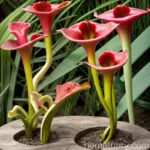
- Ornamental Value: The pitcher-shaped traps and colorful, nodding flowers of the common pitcher plant make it a prized addition to ornamental gardens and plant collections. Its unique appearance and carnivorous nature add a captivating dimension to garden displays.
Potential Medicinal and Ethnobotanical Uses
In certain cultural and traditional contexts, the common pitcher plant may have historical or potential medicinal applications, though these uses require thorough research and evaluation:
- Ethnobotanical Traditions: Some indigenous cultures in regions where the common pitcher plant grows may have historical uses for the plant, potentially involving it in traditional medicine or cultural practices. Exploring these ethnobotanical associations can provide valuable insights into local plant knowledge and traditional ecological wisdom.
- Medicinal Exploration: While no widely recognized medicinal uses of the common pitcher plant currently exist, some compounds or extracts from the plant may hold pharmacological potential. Through systematic research, the plant’s phytochemical properties and bioactive compounds can be investigated for potential pharmaceutical applications.
Economic and Ecological Considerations
The significance of the common pitcher plant extends to economic and ecological dimensions, contributing to broader considerations of plant conservation and sustainability:
- Ecotourism and Conservation Awareness: The presence of the common pitcher plant in wetland habitats can contribute to ecotourism initiatives, where its unique ecological role and captivating appearance attract visitors and promote conservation awareness. By showcasing the plant’s habitat and conservation needs, ecotourism can support local economies and conservation efforts.
- Biodiversity Support: As an integral part of wetland ecosystems, the common pitcher plant contributes to the overall biodiversity and ecological resilience of these environments. It serves as a habitat and food source for various organisms, adding to the intricate web of interactions within wetland communities.
Plant Care: Guidelines for Growing Common Pitcher Plant (Sarracenia purpurea subsp. purpurea)
Cultivating the common pitcher plant requires a nuanced understanding of its specific cultural requirements and unique adaptations. From water and sunlight needs to soil composition and pest management, successful care for this carnivorous species involves attention to detail and consideration of its native habitat. By following the guidelines outlined below, plant enthusiasts can foster healthy, thriving specimens of the common pitcher plant and appreciate its captivating features in home gardens or specialized displays.
Water
Watering is a critical aspect of caring for the common pitcher plant, as it reflects the plant’s natural habitat requirements for consistent moisture levels:
- Water Source: The common pitcher plant thrives in consistently moist conditions, simulating the waterlogged nature of its native bog habitats. To provide suitable moisture, consider using distilled water, rainwater, or reverse osmosis water to avoid the accumulation of minerals found in tap water.
- Watering Frequency: The plant should be watered regularly to maintain moist but not waterlogged soil conditions. In warm weather, frequent watering may be needed, while adjustments can be made during cooler seasons to prevent waterlogging.
Sunlight
The light requirements of the common pitcher plant align with its natural habitat preferences, necessitating adequate exposure to sunlight for healthy growth:
- Light Levels: Place the plant in a location that receives bright, indirect sunlight or partial shade. In its native wetland environments, the plant often grows in open, sunny areas with a degree of natural shading from surrounding vegetation.
- Avoid Sunburn: While the plant requires sufficient light, it is important to protect it from intense, direct sunlight, as this can lead to sunburn and damage to the foliage. Tolerate or acclimate the plant gradually to brighter conditions if necessary.
Fertilizer
Nutrient availability is a crucial consideration for the common pitcher plant, especially given its carnivorous nature and adaptation to low-nutrient environments:
- Avoid Standard Fertilizers: As a carnivorous plant, the common pitcher plant does not require conventional fertilizers, as it derives nutrients primarily from captured insects rather than from the soil. In fact, standard fertilizers can be detrimental to the plant and should be avoided.
- Supplementary Feeding: While not essential for the plant’s survival, supplementary feeding with small, live insects can mimic its natural dietary habits and contribute to robust growth and trap function. This can be done sparingly, and the plant should continue to capture its own prey under normal conditions.
Soil
The composition of the growing medium directly influences the health and vigor of the common pitcher plant, reflecting its natural association with acidic, nutrient-poor soils:
- Acidic Soil Mix: The plant requires a well-draining, acidic soil mix to replicate the conditions of its native bog habitats. A suitable mix may include ingredients such as sphagnum moss, perlite, and sand to provide adequate moisture retention and a low-pH environment.
- Avoid Regular Potting Mixes: Standard potting soils are unsuitable for the common pitcher plant, as they often lack the acidic and moisture-retentive qualities necessary for successful growth. Specialized carnivorous plant mixes are available for cultivating this species.
Pruning
Pruning requirements for the common pitcher plant are minimal, as the focus is primarily on maintaining healthy traps and managing old or spent growth:
- Remove Spent Traps: As traps mature and capture insects, they may eventually become spent and less effective in their function. Carefully trim or remove these older traps to encourage the growth of new, functional traps.
- Minimize Disturbance: Minimize unnecessary cutting or trimming of the plant, as the pitchers play a critical role in the plant’s nutrition and should be preserved to the extent possible.
Propagation
Propagation of the common pitcher plant can be carried out through several methods, allowing for the expansion of plant collections and conservation efforts:
- Division: Divide mature plants by carefully separating the rhizomes and root systems to create new individual specimens. This method is effective for rejuvenating older plants and generating new plants for cultivation or conservation purposes.
- Leaf Cuttings: Propagate the plant using leaf cuttings by carefully removing healthy leaves and placing them in a suitable growing medium to encourage the development of new plantlets. This method requires patience but can yield successful results.
Container Popularity
The common pitcher plant is a popular choice for container cultivation, particularly in specialized displays and horticultural collections:
- Container Designs: Given its distinct appearance and ecological significance, the common pitcher plant is often featured in striking container displays, showcasing its pitcher-shaped traps and vibrant floral growth. Container designs may include dedicated bog gardens or terrarium settings that provide suitable moisture and light levels.
- Horticultural Collections: Many plant enthusiasts and botanical institutions value the common pitcher plant as a prized addition to their collections, often displaying the plant in unique containers that accentuate its fascinating features.
Common Diseases: Understanding and Addressing Health Challenges for Common Pitcher Plant
Like all plants, the common pitcher plant is susceptible to certain diseases and health challenges that can impact its growth and vitality. Recognizing these potential issues and employing proactive measures are essential in maintaining the long-term health and vigor of the plant. By addressing common diseases and vigilantly monitoring plant health, enthusiasts can ensure that their common pitcher plants thrive in home or botanical settings.
Disease Diagnosis
Diagnosing potential diseases and health issues in the common pitcher plant involves careful observation and familiarity with typical symptoms:
- Fungal Infections: The plant may be prone to fungal diseases such as leaf spots, mold, or rot, particularly in conditions of excessive moisture or poor air circulation. Symptoms may include discolored or wilting foliage, mold growth on traps, or soft, waterlogged areas on the plant.
- Bacterial Concerns: Bacterial infections can manifest as darkened or necrotic areas on leaves, foul odors, or a general decline in plant health. These issues are often associated with poor growing conditions or previous damage to the plant.
Management Strategies
To address potential diseases and maintain the plant’s health, several management strategies can be employed:
- Improved Air Circulation: Enhance airflow around the plant to reduce the risk of fungal and bacterial issues. This can be achieved by adjusting the plant’s positioning, providing ventilation in enclosed spaces, or utilizing fans to promote air movement.
- Careful Watering: Monitor and adjust watering practices to prevent waterlogged conditions that can encourage fungal and bacterial growth. Allow the soil to moderately dry between watering sessions to optimize growing conditions.
- Quarantine Infected Plants: If disease symptoms are observed, consider isolating the affected plants to prevent the spread of pathogens to healthy specimens. Observing the quarantined plants can also aid in diagnosing the specific disease and devising suitable treatment strategies.
Common Pests: Managing Pest Challenges for Common Pitcher Plant
In addition to diseases, common pitcher plants may also face challenges from pests and insect invaders that can affect their growth and trap function. A proactive approach to pest management, combined with an understanding of potential invaders, can help maintain the health and vigor of the plant in various cultivation settings.
Key Pests
Several types of pests may pose threats to the common pitcher plant, affecting the integrity of its traps and overall plant health:
- Aphids and Mites: These small, sap-sucking insects can infest the plant, particularly targeting new growth and flowering structures. Their presence may lead to distorted or stunted growth and a decline in trap function.
- Scale Insects: Scale insects can attach themselves to the plant and feed on its sap, often appearing as tiny, immobile bumps. Their feeding can cause weakening of the plant and a distinctive, sticky residue on the foliage.
- Caterpillars and Larvae: In certain outdoor settings, caterpillars and larvae of various insects may feed on the plant’s foliage, potentially causing visible damage and impacting the plant’s aesthetic appeal.
Pest Management Strategies
Effectively managing pest challenges for the common pitcher plant involves a combination of preventive measures and targeted interventions:
- Regular Monitoring: Keep a close eye on the plant for signs of pest activity, such as distorted growth, discoloration, or the presence of insects. Early detection allows for prompt action and minimizes the potential impact on the plant’s health.
- Manual Removal: For small infestations of pests such as aphids or scale insects, manual removal utilizing a gentle stream of water or a soft brush can be effective in dislodging the insects from the plant.
- Natural Predators: Encourage the presence of natural predators such as ladybugs or lacewings, which can help control pest populations and provide a natural form