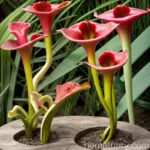
The Fascinating World of Pitcher Plants: Sarracenia ‘Scarlett Belle’
Introduction to Carnivorous Beauty
When it comes to unique and intriguing plants, pitcher plants are certainly at the top of the list. Among these captivating carnivorous wonders, the Sarracenia ‘Scarlett Belle’ stands out as an exceptional specimen. From its distinctive appearance to its intriguing characteristics and unique requirements, this Sarracenia hybrid plant has piqued the interest of plant enthusiasts and researchers alike.
In this comprehensive guide, we will delve into the captivating world of pitcher plants, with a special focus on the Sarracenia ‘Scarlett Belle’. We will explore its culture, uses, care requirements, and a host of other valuable insights for enthusiasts and botanists alike.
What is a Pitcher Plant?
Pitcher plants, belonging to the Sarraceniaceae family, are a group of carnivorous plants known for their striking pitcher-shaped leaves that act as passive pitfall traps for unsuspecting prey. These plants are commonly found in nutrient-poor environments such as bogs, swamps, and wetlands, where they have evolved to supplement their nutrient intake by capturing and digesting insects.
Sarracenia ‘Scarlett Belle’
The Sarracenia ‘Scarlett Belle’ is a captivating Sarracenia hybrid that exhibits remarkable pitcher formations and unique characteristics. Its striking appearance, combined with its carnivorous nature, makes it a popular choice among plant enthusiasts seeking to add a touch of exotic allure to their collections.
Key Takeaways
Before we delve deeper into the world of Sarracenia ‘Scarlett Belle’, let’s take a quick look at the key takeaways that we will explore in detail:
Culture
- Native habitat and ecological preferences
- Suitable growing conditions
Uses
- Decorative and ornamental purposes
- Ecological significance
Water
- Watering requirements
- Preferred water sources
Sunlight
- Optimal light conditions
- Light adaptation mechanisms
Fertilizer
- Nutritional needs
- Feeding adaptations
Soil
- Soil preferences
- Substrate recommendations
Pruning
- Maintenance needs
- Pruning techniques
Propagation
- Reproduction methods
- Propagation strategies
Container
- Container considerations
- Potting options
Popularity
- Cultivation prevalence
- Enthusiast interest
Common Diseases
- Disease susceptibility
- Preventative measures
Disease Diagnosis
- Identifying ailments
- Diagnostic indicators
Common Pests
- Pest vulnerabilities
- Pest management strategies
Botanist’s Tips
- Expert recommendations
- Cultivation insights
Fun Facts
- Intriguing trivia
- Fascinating features
Sarracenia ‘Scarlett Belle’ in Detail
Let’s embark on an exhilarating journey as we unravel the captivating world of the Sarracenia ‘Scarlett Belle’, exploring its unique features, care requirements, and much more.
Culture
Native Habitat
The Sarracenia ‘Scarlett Belle’ is native to regions with acidic, nutrient-poor soil, particularly in areas such as the Southeastern United States. This captivating plant thrives in the moist, boggy environments of its natural habitat, showcasing its ability to adapt to specific ecological niches.
Suitable Growing Conditions
When cultivating Sarracenia ‘Scarlett Belle’, it is essential to replicate its natural habitat as closely as possible. This includes providing ample moisture, bright light, and a suitable substrate that mimics the acidic, nutrient-deficient conditions found in its native environment.
Uses
Decorative and Ornamental Purposes
The visually striking pitchers of the Sarracenia ‘Scarlett Belle’ make it a favorite among plant enthusiasts and collectors looking to add an exotic touch to their gardens or indoor spaces. Its captivating appearance and intriguing carnivorous nature make it a conversation starter and a standout feature in any botanical collection.
Ecological Significance
In its natural habitat, the Sarracenia ‘Scarlett Belle’ plays a vital role in its ecosystem as a predator of insects, contributing to nutrient cycling and the overall balance of the ecosystem. As a carnivorous plant, it serves as a compelling example of nature’s adaptations and the diverse roles that plants play in the environment.
Water
Watering Requirements
Given its natural habitat in boggy and swampy environments, the Sarracenia ‘Scarlett Belle’ has high water requirements. It is essential to keep the soil consistently moist, ensuring that the plant receives an adequate supply of water to support its growth and development.
Preferred Water Sources
To mimic the natural conditions of its native habitat, using rainwater, distilled water, or reverse osmosis water is recommended for watering the Sarracenia ‘Scarlett Belle’. These water sources are free from the minerals and chemicals found in tap water, which could be detrimental to the plant’s sensitive roots.
Sunlight
Optimal Light Conditions
As a plant that naturally thrives in bright, sunny environments, the Sarracenia ‘Scarlett Belle’ requires ample sunlight to support its photosynthetic processes and overall growth. When cultivating this plant, providing it with at least 6 hours of direct sunlight per day is essential for its well-being.
Light Adaptation Mechanisms
In its native habitat, the Sarracenia ‘Scarlett Belle’ has evolved various adaptations to thrive in bright light conditions. Its unique pitcher-shaped leaves not only serve as traps for capturing prey but also function as light-capturing structures, allowing the plant to maximize its exposure to sunlight for photosynthesis.
Fertilizer
Nutritional Needs
While pitcher plants derive a portion of their nutrients from captured prey, supplemental feeding can benefit their growth and vitality, especially in cultivation settings. In the case of the Sarracenia ‘Scarlett Belle’, providing it with occasional insect-based fertilization can support its nutrient requirements and overall health.
Feeding Adaptations
The Sarracenia ‘Scarlett Belle’ exhibits remarkable adaptations for capturing and digesting insects, utilizing its specialized pitcher formations and digestive enzymes to break down and absorb nutrients from its prey. This unique feeding strategy sets it apart as a captivating carnivorous plant.
Soil
Soil Preferences
Given its preference for acidic, nutrient-poor environments, the Sarracenia ‘Scarlett Belle’ thrives in well-draining, acidic soil or substrate. A mix of peat moss, perlite, and sand can create an ideal growing medium that replicates the conditions of its natural habitat, allowing the plant to flourish.
Substrate Recommendations
When cultivating the Sarracenia ‘Scarlett Belle’ in pots or containers, using a specialized carnivorous plant substrate is advisable. This substrate mimics the nutrient-deficient conditions of boggy environments and provides the plant with an optimal medium for root development and overall growth.
Pruning
Maintenance Needs
Pruning requirements for the Sarracenia ‘Scarlett Belle’ primarily revolve around removing dried or spent pitchers, maintaining the overall appearance of the plant, and ensuring optimal airflow within the foliage. Regular inspection and pruning of old pitchers can enhance the plant’s health and visual appeal.
Pruning Techniques
When pruning the Sarracenia ‘Scarlett Belle’, it is essential to use clean, sharp tools to avoid causing damage to the plant. Careful removal of old pitchers, as well as any dead or yellowing foliage, can help maintain the plant’s vitality and promote new growth.
Propagation
Reproduction Methods
The propagation of Sarracenia ‘Scarlett Belle’ commonly involves methods such as division and seed propagation. Dividing mature plants or sowing seeds can be effective ways to propagate new specimens and expand collections of these captivating carnivorous plants.
Propagation Strategies
For successful propagation, ensuring suitable growing conditions and providing the necessary care for young seedlings or divided plants is crucial. By following proper propagation strategies and providing adequate care, enthusiasts can expand their collection of Sarracenia ‘Scarlett Belle’ with healthy, thriving specimens.
Container
Container Considerations
When cultivating the Sarracenia ‘Scarlett Belle’ in containers, selecting pots or planters with adequate drainage is essential to prevent waterlogging and maintain the appropriate soil moisture levels. Additionally, choosing containers that accommodate the plant’s root system and allow for healthy growth is crucial.
Potting Options
Using containers that are slightly larger than the plant’s root system can provide ample space for growth while preventing excessive moisture retention. Selecting pots made of materials such as plastic, ceramic, or glazed pottery can offer durability and stability for the Sarracenia ‘Scarlett Belle’.
Popularity
Cultivation Prevalence
The Sarracenia ‘Scarlett Belle’ enjoys popularity among plant enthusiasts and collectors due to its captivating appearance and fascinating carnivorous nature. With its unique pitcher formations and striking coloration, this Sarracenia hybrid has garnered attention and admiration from botany enthusiasts worldwide.
Enthusiast Interest
As a standout cultivar within the Sarracenia genus, the ‘Scarlett Belle’ has captured the interest of enthusiasts seeking to expand their collections with unique and intriguing plants. Its alluring characteristics and captivating pitcher formations make it a sought-after addition to botanical gardens, collections, and horticultural displays.
Common Diseases
Disease Susceptibility
While pitcher plants are relatively resilient, they can be susceptible to fungal infections and rot if exposed to prolonged periods of excessive moisture or poor ventilation. Preventative measures such as proper watering and adequate airflow can help minimize the risk of disease in the Sarracenia ‘Scarlett Belle’.
Preventative Measures
To safeguard the Sarracenia ‘Scarlett Belle’ from diseases, ensuring proper drainage, avoiding overwatering, and providing ample airflow around the foliage are essential. Additionally, maintaining a clean growing environment and promptly addressing any signs of disease can help protect the plant’s health.
Disease Diagnosis
Identifying Ailments
Recognition of disease symptoms such as leaf discoloration, rot, or wilting can aid in diagnosing potential ailments affecting the Sarracenia ‘Scarlett Belle’. Prompt identification and targeted treatment can help mitigate the impact of diseases and safeguard the plant’s well-being.
Diagnostic Indicators
Leaf discoloration, particularly the appearance of dark spots or browning, can signal potential fungal infections or disease onset. Additionally, any signs of rot or deterioration in the pitchers or foliage should prompt immediate inspection and intervention to prevent disease spread.
Common Pests
Pest Vulnerabilities
While pitcher plants employ unique trapping mechanisms to capture insects, they can also be vulnerable to pests such as aphids, mealybugs, and scale insects. Monitoring for pest activity and implementing appropriate pest management strategies can help protect the Sarracenia ‘Scarlett Belle’ from infestations.
Pest Management Strategies
Regular inspection of the plant for signs of pest activity, such as stippling, honeydew residue, or the presence of pests, can facilitate early intervention. Non-toxic pest control methods such as manual removal, neem oil applications, or insecticidal soaps can be effective in managing pest populations.
Botanist’s Tips
Expert Recommendations
- When cultivating the Sarracenia ‘Scarlett Belle’, prioritize providing it with suitable light conditions, high humidity, and consistent moisture levels to support healthy growth.
- Consider incorporating other carnivorous plant species with similar cultural requirements to create captivating botanical displays and habitat simulations.
- Regularly monitor the plant for signs of disease or pests, taking prompt action to address any issues and ensure the Sarracenia ‘Scarlett Belle’ remains in optimal health.
Cultivation Insights
- The Sarracenia ‘Scarlett Belle’ can thrive in a terrarium or outdoor bog garden environment, providing an opportunity to create captivating displays that showcase its unique pitcher formations and carnivorous adaptations.
- Experimenting with different growing mediums and container options can offer valuable insights into the optimal conditions for cultivating healthy and vibrant Sarracenia ‘Scarlett Belle’ specimens.
Fun Facts
- The Sarracenia ‘Scarlett Belle’ is a captivating hybrid that exhibits a range of pitcher shapes, sizes, and colors, adding to its allure as a unique botanical specimen.
- As a carnivorous plant, the Sarracenia ‘Scarlett Belle’ serves as an intriguing example of nature’s adaptations, showcasing its ability to thrive in nutrient-poor environments by supplementing its diet with captured prey.
- The Sarracenia ‘Scarlett Belle’ is a hybrid of South American pitcher plants, incorporating traits from native species to create a visually stunning and captivating cultivar.
Conclusion
The Sarracenia ‘Scarlett Belle’ stands as a mesmerizing example of the captivating world of pitcher plants, offering a blend of beauty, intrigue, and fascinating adaptations. With its unique characteristics and care requirements, this captivating Sarracenia hybrid provides an exceptional opportunity for enthusiasts and botanists to explore the captivating world of carnivorous plants.
As we continue to unravel the mysteries of the plant kingdom, the Sarracenia ‘Scarlett Belle’ serves as a compelling reminder of the diverse and enchanting nature of botanical wonders. Whether adorning collections, botanical displays, or natural habitats, this captivating pitcher plant continues to inspire awe and admiration, cementing its place as a cherished botanical gem.
References
- Givnish, T. J. (2015). Ecology of carnivorous plants. In Venus Flytrap, Sundew, and North American Pitcher Plants (pp. 197-206). University of California Press.
- Schnell, D. (2002). Carnivorous plants of the United States and Canada. Timber Press.
- Stewart, S. L., & Ziemer, R. R. (2003). The propagation of Sarracenia L. hybrids by seed. Carnivorous Plant Newsletter, 32(4), 117-118.