Plant Scientist’s Guide to the Green Pitcher Plant (Sarracenia oreophila)
In the world of botanical wonders, the green pitcher plant, scientifically known as Sarracenia oreophila, is a truly fascinating and unique species. This carnivorous plant boasts a remarkable set of adaptations that have made it a subject of fascination and study among plant scientists and enthusiasts. In this comprehensive guide, we will delve into the captivating world of the green pitcher plant, exploring its culture, uses, care requirements, and much more.
What is the Green Pitcher Plant (Sarracenia oreophila)?
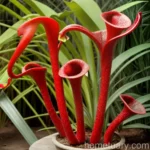
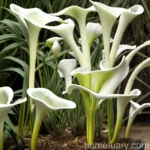
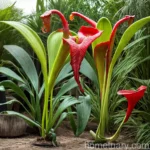
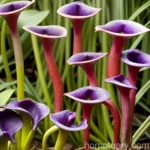
The green pitcher plant, also referred to as the southern pitcher plant, belongs to the Sarracenia genus. This group of plants is known for its distinct pitcher-shaped leaves that act as passive pitfall traps to capture and digest insects. Sarracenia oreophila is native to North America and is specifically found in the southeastern United States, where it thrives in acidic, nutrient-poor soil environments such as bogs and wetlands.
Key Takeaways – Green Pitcher Plant (Sarracenia oreophila)
Before we delve into the specific aspects of caring for the green pitcher plant, let’s summarize some key takeaways about this remarkable species:
- Sarracenia oreophila is a carnivorous plant with pitcher-shaped leaves.
- It is native to the southeastern United States and thrives in acidic, nutrient-poor soil environments.
- The green pitcher plant employs unique adaptations to capture and digest insects.
- Its striking appearance and intriguing behaviors make it a popular choice for botanical enthusiasts.
- Cultivating the green pitcher plant at home requires careful attention to its specific cultural requirements.
Now, let’s explore the various aspects of caring for the green pitcher plant, from its cultural preferences to common diseases and pests that may affect its growth.
Culture
The green pitcher plant has specific cultural requirements that are essential for its healthy growth and development. Understanding its preferences for water, sunlight, soil, and other environmental factors is crucial for successfully cultivating this captivating species.
Water
As a plant that naturally thrives in wetland environments, the green pitcher plant has high water requirements. It is important to ensure that the soil remains consistently moist, but not waterlogged. This can be achieved by providing ample water during the growing season and maintaining slightly damp soil during the plant’s dormant period.
Sunlight
In its natural habitat, the green pitcher plant is accustomed to receiving ample sunlight. When cultivating this species, it is important to provide full to partial sun exposure to support healthy growth and vibrant pitcher development. In indoor settings, placing the plant near a south-facing window can provide the necessary sunlight it requires.
Fertilizer
Due to its carnivorous nature, the green pitcher plant derives nutrients from the insects it captures rather than relying on traditional soil-based fertilization. Therefore, it is not necessary to provide additional fertilizer to this species.
Soil
Given its preference for acidic, nutrient-poor environments, the green pitcher plant thrives in a specialized growing medium. A mix of peat moss, sand, and perlite that mimics the conditions of its natural habitat is ideal for cultivating this species.
Pruning
Unlike traditional pruning methods for other plant species, the green pitcher plant does not require regular pruning of its pitcher-shaped leaves. These structures are essential for the plant’s unique feeding mechanism and should be left intact to ensure its overall health and well-being.
Propagation
Propagation of the green pitcher plant can be achieved through various methods, including division and seed propagation. Division involves carefully separating the plant into smaller sections, each with sufficient roots, to create new individual plants. Seed propagation, while more time-consuming, can also be a rewarding way to expand the population of green pitcher plants.
Container Popularity
The green pitcher plant is a popular choice for container gardening, especially among enthusiasts who may not have access to suitable outdoor growing conditions. Its fascinating and unique appearance makes it an attractive addition to indoor gardens, terrariums, and other controlled environments.
Container
When growing the green pitcher plant in a container, it is important to select a pot that provides ample space for the plant’s root system and allows for proper drainage to prevent waterlogging. Additionally, using a suitable growing medium that mimics the plant’s natural habitat is crucial for its overall health and well-being.
Common Diseases and Pests
Like all plant species, the green pitcher plant is susceptible to certain diseases and pests that can affect its growth and vitality. Understanding these potential challenges and being proactive in addressing them is essential for successfully cultivating this remarkable species.
Disease Diagnosis
Common diseases that can affect the green pitcher plant include fungal infections, rot, and mold. These issues are often related to excessive moisture or poor air circulation. Regular monitoring of the plant’s health, including the condition of its leaves and overall growth, can help in diagnosing and addressing potential diseases in a timely manner.
Common Pests
While the green pitcher plant is a carnivorous species that naturally traps and consumes insects, it can still be susceptible to certain pests that may affect its overall health. These pests may include spider mites, aphids, and mealybugs, which can potentially impact the plant’s leaves and growth. Vigilant monitoring and prompt action can help in controlling pest infestations.
Botanist’s Tips
As a plant scientist with a keen interest in carnivorous plants, including the green pitcher plant, I have gathered a few essential tips for cultivating and appreciating this remarkable species. Here are some insights to consider when caring for the green pitcher plant:
- Maintain Adequate Moisture: While the green pitcher plant requires consistent moisture, it is important to avoid waterlogging. Balancing the plant’s water needs is crucial for its overall health.
- Provide Ample Sunlight: In both indoor and outdoor settings, ensuring that the green pitcher plant receives sufficient sunlight is essential for vibrant pitcher growth and optimal health.
- Use Suitable Growing Medium: Creating a well-draining and acidic growing medium that mimics the plant’s natural habitat is crucial for its successful cultivation.
- Monitor for Diseases and Pests: Regular observation and monitoring of the plant’s health can help in identifying and addressing potential issues before they escalate.
Fun Facts
To further appreciate the uniqueness of the green pitcher plant, let’s explore some fascinating and fun facts about this captivating species:
- The green pitcher plant is part of the family Sarraceniaceae, which includes several other carnivorous plant species known for their passive trapping mechanisms.
- Its pitcher-shaped leaves are not only fascinating to look at but also serve as efficient traps for capturing and digesting insects, providing vital nutrients to the plant.
- In the wild, the green pitcher plant plays a significant role in the ecosystem by contributing to the control of insect populations and nutrient cycling in its habitat.
- The plant’s adaptation to nutrient-poor environments showcases the remarkable resilience and ingenuity of nature’s evolutionary processes.
- Cultivating the green pitcher plant at home can offer a unique and educational experience, allowing enthusiasts to witness its captivating growth and feeding behaviors up close.
Links to External Resources
For those interested in delving deeper into the world of the green pitcher plant and carnivorous plants in general, the following external resources offer valuable insights and information:
- International Carnivorous Plant Society
- Botanical Society of America – Carnivorous Plants
- Smithsonian Gardens – Carnivorous Plant Collection
- The Carnivorous Plant FAQ
- North American Sarracenia Conservancy
With the fascinating world of the green pitcher plant awaiting exploration, we hope that this comprehensive guide has offered valuable insights into the remarkable nature of this species. Whether cultivating it at home or studying its ecological significance, the green pitcher plant continues to captivate and inspire enthusiasts and scientists alike with its unique adaptations and behaviors.
In this comprehensive guide, we have delved into the captivating world of the green pitcher plant, exploring its culture, uses, care requirements, and much more. From its native habitat to the intricacies of its unique feeding mechanisms, the green pitcher plant continues to stand out as a remarkable and captivating species in the realm of carnivorous plants. As a plant scientist with a deep appreciation for botanical wonders, I am excited to share this in-depth exploration of the green pitcher plant, and I hope that it inspires curiosity and fascination for this extraordinary species.
Whether it is the intricate details of its pitcher-shaped leaves or the remarkable adaptations that define its survival strategies, the green pitcher plant presents a wealth of opportunities for study, appreciation, and cultivation. As we continue to unravel the mysteries of the natural world, the green pitcher plant stands as a testament to the extraordinary diversity and ingenuity of plant life.