Rosa ‘Aloha’ (Climbing Rose): A Comprehensive Guide
Rosa ‘Aloha’ is a stunning climbing rose known for its vibrant colors, beautiful fragrance, and graceful appearance. In this guide, we will explore the characteristics, best practices for care and maintenance, landscape design ideas, propagation techniques, common diseases and pests, and much more related to this exquisite plant.
What is Rosa ‘Aloha’ (Climbing Rose)?
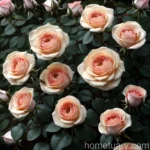
Rosa ‘Aloha’ is a hybrid climbing rose that belongs to the Rosaceae family. This tall and vigorous rose variety is cherished for its large, semi-double to double, rich pink flowers, often adorned with a lovely, sweet fragrance. The plant’s vibrant blooms and attractive, dark green foliage make it a delightful addition to gardens, trellises, arbors, and fences.
Key Takeaways – Rosa ‘Aloha’ (Climbing Rose)
- Scientific Name: Rosa ‘Aloha’
- Classification: Hybrid Climbing Rose
- Flower Color: Rich Pink
- Fragrance: Sweet and Floral
- Foliage: Dark Green
- Growth Habit: Tall and Vigorous
- Best Suited For: Gardens, Trellises, Arbors, Fences
- Disease Resistance: Disease-Resistant Traits
- Pruning: Incorporates Regular Pruning
- Sunlight: Requires Adequate Sun Exposure
- Watering: Moderate Watering Needs
- Soil Type: Well-Draining, Nutrient-Rich Soil
- Hardiness Zones: Suitable for Various Climates
Now, let’s delve deeper into the various aspects of cultivating and caring for Rosa ‘Aloha’ to ensure its optimal growth and blooming.
Culture
Uses
Rosa ‘Aloha’ is widely cultivated for its ornamental purposes, primarily for its captivating beauty and soothing fragrance. It serves as a stunning focal point in gardens, creates enchanting landscapes, and adds a touch of elegance to various outdoor settings.
Water
Proper watering is crucial for the healthy growth and blooming of Rosa ‘Aloha’. The plant generally thrives with moderate water levels, and it is essential to maintain consistent moisture without overwatering. A well-established watering schedule can help prevent waterlogged conditions and ensure the plant’s vitality.
Sunlight
Adequate sunlight is essential for the optimal development and blooming of Rosa ‘Aloha’. It thrives best in locations with full sun exposure, receiving at least 6-8 hours of direct sunlight daily. Placing the plant in a sunny spot allows it to flourish, producing abundant, vibrant blooms and maintaining its overall vigor.
Fertilizer
Regular, balanced fertilization is beneficial for promoting the health and blooming of Rosa ‘Aloha’. Using a high-quality, slow-release fertilizer formulated for roses can provide essential nutrients for robust growth and prolific flowering. A fertilizer with a balanced NPK ratio and additional micronutrients can support the plant’s overall vitality and resilience.
Soil
Rosa ‘Aloha’ thrives in well-draining, nutrient-rich soil that offers a favorable growing environment. It requires a soil composition that provides adequate aeration while retaining essential moisture and nutrients. Incorporating organic matter, such as compost or well-rotted manure, into the soil can enhance its fertility and structure, creating an optimal foundation for the plant’s growth.
Pruning
Pruning plays a crucial role in maintaining the health, shape, and prolific blooming of Rosa ‘Aloha’. Regular pruning helps remove dead or diseased wood, encourages new growth, and shapes the plant to achieve an attractive form. It is recommended to incorporate proper pruning techniques, such as selective removal of spent blooms and shaping the plant’s structure to promote ample air circulation and sunlight exposure.
Propagation
Propagating Rosa ‘Aloha’ can be achieved through several methods, including stem cuttings and layering. Stem cuttings involve carefully selecting a healthy stem, removing it from the parent plant, and nurturing it to develop its root system. Layering, on the other hand, involves encouraging a stem to develop roots while still attached to the parent plant, eventually resulting in a new, independent plant.
Container Popularity
While Rosa ‘Aloha’ is often favored for growing in gardens and outdoor settings, it can also thrive in containers, offering versatility in its cultivation. The plant’s climbing nature and stunning blooms make it an enchanting addition to container gardens, allowing individuals with limited outdoor space to enjoy its beauty on balconies, patios, or terraces.
Common Diseases
Rosa ‘Aloha’ exhibits resilience to several common rose diseases, including powdery mildew, black spot, and rust. However, diligent monitoring and preventive measures are crucial to safeguard the plant from potential disease issues. Implementing a proactive approach, such as providing proper air circulation, maintaining clean growing conditions, and utilizing disease-resistant varieties, can effectively minimize the risk of infections.
Disease Diagnosis
Effective disease diagnosis involves keen observation of the plant’s foliage, stems, and overall health for any signs of disease development. Common symptoms, such as powdery patches, yellowing or browning of leaves, and spotted or distorted foliage, can indicate potential disease issues. Prompt identification and appropriate intervention can help mitigate the impact of diseases and protect the plant’s well-being.
Common Pests
While Rosa ‘Aloha’ boasts inherent resistance to many pests, it may still attract certain insects, such as aphids, spider mites, and caterpillars. Vigilant pest monitoring and prompt intervention are essential for preventing infestations and minimizing damage to the plant. Natural remedies, insecticidal soaps, and other eco-friendly pest control methods can be employed to address pest issues while preserving the plant’s natural balance.
Botanist’s Tips
As a seasoned botanist, I recommend incorporating the following tips for cultivating and caring for Rosa ‘Aloha’ (Climbing Rose) to enhance its growth and ensure its enduring beauty:
- Regular Maintenance: Dedicated care and regular maintenance contribute to the plant’s overall vitality and blooming.
- Pruning Techniques: Employing proper pruning techniques, including deadheading spent blooms and shaping the plant’s structure, can optimize its health and aesthetics.
- Optimal Growing Conditions: Providing favorable growing conditions, such as suitable soil, adequate sunlight, and balanced nutrition, is paramount for the plant’s well-being.
- Vigilant Monitoring: Maintaining diligent observation and monitoring of the plant’s health, growth, and any potential issues can facilitate proactive intervention and successful cultivation.
Fun Facts
- Rosa ‘Aloha’ is celebrated for its exquisite fragrance, often described as sweet and floral, adding a delightful ambiance to outdoor spaces.
- The plant’s vibrant, rich pink blooms and vigorous climbing habit make it an enchanting feature in gardens and outdoor landscapes.
Links to External Resources
For further insights into Rosa ‘Aloha’ (Climbing Rose) and related horticultural topics, consider exploring the following reputable resources:
- American Rose Society
- Royal Horticultural Society: Climbing Roses
- University of California Agriculture and Natural Resources: Roses
In conclusion, Rosa ‘Aloha’ (Climbing Rose) stands as a captivating and resilient plant that adds charm and elegance to various outdoor settings. By embracing effective care practices, understanding its growth habits, and fostering an optimal environment, enthusiasts can savor the enduring beauty and enchanting presence of this exquisite climbing rose.
Whether adorning trellises, gracing garden landscapes, or flourishing in containers, Rosa ‘Aloha’ embodies timeless allure and represents a delightful addition to horticultural pursuits. Embracing its distinctive characteristics, fragrance, and alluring blooms, gardeners can cultivate a captivating outdoor oasis with the radiant presence of the Rosa ‘Aloha’ climbing rose.