Primula Japonica ‘Postford White’ (Japanese Primrose)
Primula japonica ‘Postford White’, commonly known as the Japanese Primrose, is a perennial flowering plant that belongs to the Primulaceae family. It is.
What is Primula japonica ‘Postford White’?
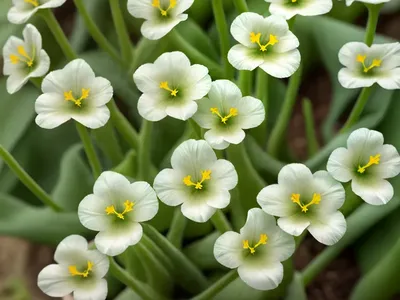
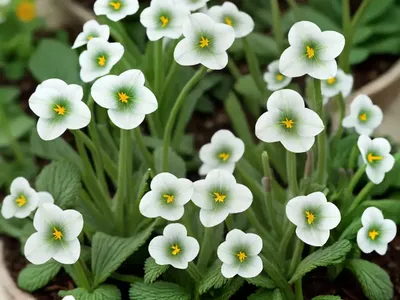
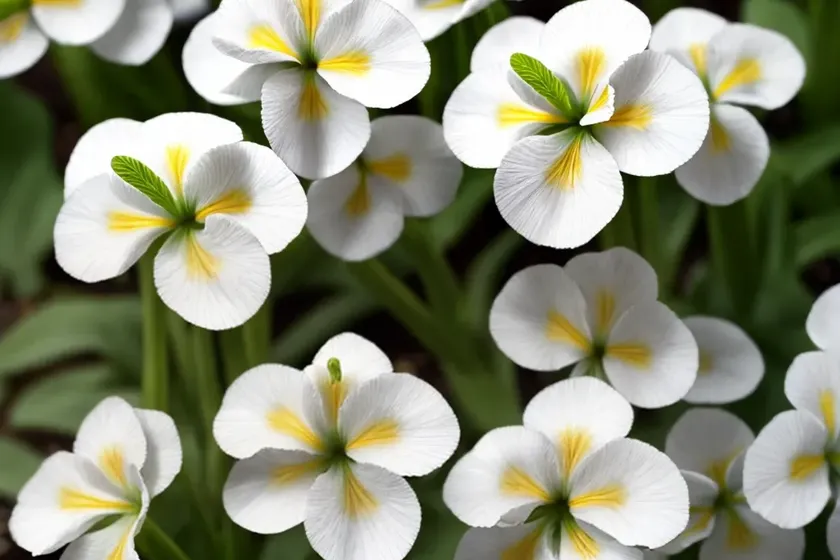
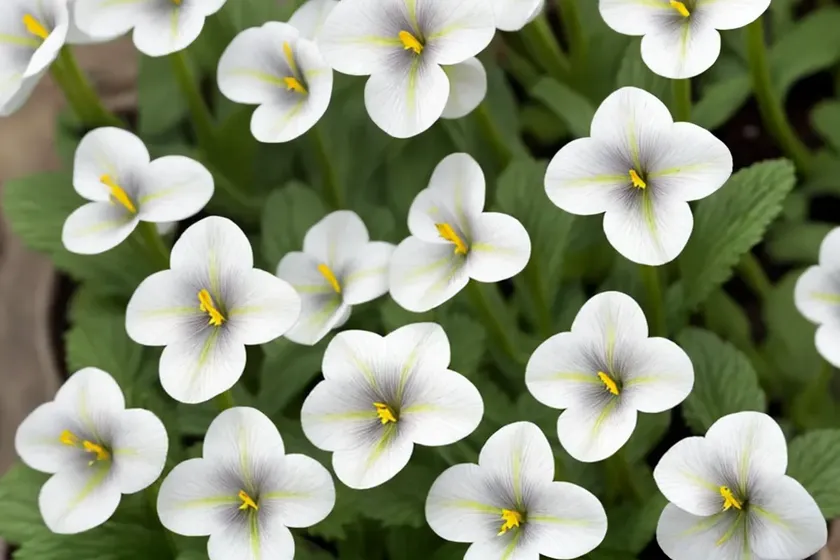
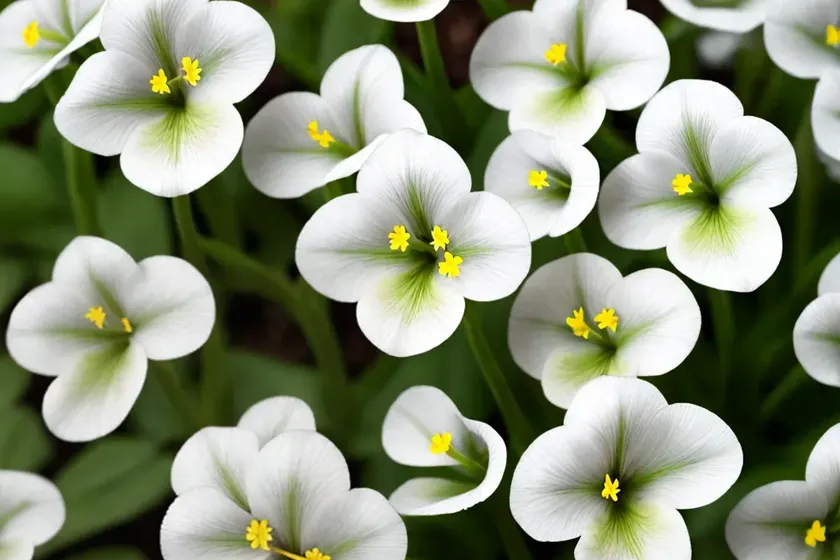
Primula japonica ‘Postford White’, commonly known as the Japanese Primrose, is a perennial flowering plant that belongs to the Primulaceae family. It is native to the moist, woodland habitats of Japan and is admired for its striking white, fragrant, and whorled flowers. This plant has an enchanting presence in gardens, especially in shaded or damp areas, and is a popular choice for landscape and ornamental gardening. The ‘Postford White’ variety, in particular, is celebrated for its elegant white blooms that add a touch of serenity to any garden setting.
Key Takeaways – Primula japonica ‘Postford White’
- Characteristics: Delicate white flowers, whorled arrangement, fragrant, perennial
- Features: Shade-loving, moisture-dependent, adaptable
- Growth: Requires well-draining, rich soil, prefers partial to full shade
- Care: Regular watering, mulching, minimal pruning, and occasional fertilization
- Uses: Ornamental, landscaping, woodland gardens, ground cover
Culture
Water
- Primula japonica ‘Postford White’ thrives in consistently moist soil. It is vital to provide regular watering, especially during dry spells, to maintain the soil moisture levels.
- It is essential to avoid waterlogged conditions, as excessive water can lead to root rot and other related issues.
Sunlight
- This plant prefers partial to full shade and is not suited for prolonged exposure to direct sunlight, which can scorch its delicate foliage.
- Sufficient shade is essential for the optimal growth and well-being of Japanese Primroses.
Fertilizer
- While this plant generally requires nutrient-rich soil, it is not heavily reliant on fertilizers.
- An annual application of a balanced, slow-release fertilizer in early spring can aid in promoting healthy growth and blooming.
Soil
- The ideal soil for Primula japonica ‘Postford White’ is well-draining, humus-rich, and slightly acidic.
- Adding organic matter such as compost or leaf mold can enhance the soil structure and fertility, creating a favorable environment for the plant’s development.
Pruning
- Minimal pruning is necessary for Primula japonica ‘Postford White’.
- Removal of spent flower stalks and dead foliage can promote tidiness and encourage the plant’s energy to be directed towards new growth.
Propagation
- Japanese Primroses can be propagated through division or seed sowing.
- Division is generally preferred as it allows for the maintenance of the plant’s desired characteristics.
Container Popularity
- The compact size and ornamental qualities of Primula japonica ‘Postford White’ make it a popular choice for container gardening.
- It can be an enchanting addition to shaded patios, balconies, or courtyards.
Container Common Diseases
- While growing in containers can provide a degree of protection from soil-borne diseases, Japanese Primroses may still be susceptible to certain issues such as powdery mildew and botrytis.
Disease Diagnosis
- Common symptoms of powdery mildew include the appearance of white, powdery spots on the leaves and stems, while botrytis is often characterized by fuzzy gray mold forming on the plant’s tissue.
Common Pests
- Japanese Primroses may face potential pest issues such as aphids and slugs.
- Vigilance and early intervention can help in managing these pest challenges effectively.
Botanist’s Tips
- Regular monitoring of soil moisture levels is crucial for the successful cultivation of Primula japonica ‘Postford White’.
- Mulching with organic materials can aid in retaining soil moisture and suppressing weed growth.
Fun Facts
- The Japanese Primrose is highly valued in traditional Japanese gardens and is often incorporated into serene, tranquil designs for its natural elegance and delicate beauty.
- Its name “Primula” is derived from the Latin word “primus,” meaning first, reflecting its early spring blooming period.
Links to External Resources
- Royal Horticultural Society – Primula japonica cultivation guide
- Missouri Botanical Garden – Primula japonica care tips
- University of Vermont Extension Department of Plant and Soil Science – Growing Primula japonica
In this comprehensive guide, we’ve explored the captivating allure and cultural significance of Primula japonica ‘Postford White’ (Japanese Primrose). From its characteristics and care requirements to its uses and fascinating folklore, this enchanting perennial has undoubtedly secured its place in the hearts of gardening enthusiasts worldwide. Whether adorning woodland gardens with its delicate white blooms or gracing containers with its elegance, the Japanese Primrose continues to be cherished for its timeless beauty and graceful presence.